The Ultimate Guide: What to see in Tropea and Capo Vaticano, Calabria
Welcome to the "Coast of the Gods," a stretch of the Tyrrhenian Sea where crystalline waters meet dramatic cliffs and ancient history. Tropea and Capo Vaticano represent the crown jewels of Calabria, offering a perfect blend of Mediterranean charm, mythological heritage, and breathtaking natural beauty. Whether you are a history buff, a beach lover, or a foodie searching for the famous red onion, this corner of Italy promises an unforgettable escape.
Planning your trip requires a bit of strategy to avoid the peak crowds and truly appreciate the layers of history hidden in the narrow alleys of the historic center or the rugged paths leading to the lighthouses of Capo Vaticano. This guide is designed to help you navigate this stunning region, ensuring you don’t miss a single highlight while enjoying the authentic Calabrian lifestyle. If you are looking for the best base for your adventures, you can find the perfect accommodation in Tropea -capo Vaticano to suit your travel style.
The Top 5 Must-See Attractions in Tropea and Capo Vaticano
The first stop on your journey must be the Sanctuary of Santa Maria dell'Isola. Perched on a dramatic rocky promontory overlooking the sea, this Byzantine-origin monastery is the symbol of Tropea. Its gardens are lush, and the panoramic view from the terrace is arguably the best in the region. It is open daily from 9:00 AM to 7:00 PM in summer, with a small entrance fee of approximately 3 euros to support maintenance. Visit at sunset for a truly magical experience.
Next, head to the Capo Vaticano Lighthouse. Located just a short drive from Tropea, this area offers a rugged, wilder landscape. The lighthouse, built in 1870, stands on a cliff 100 meters above sea level. While you cannot enter the lighthouse itself, the surrounding pathways lead to hidden coves like Praia di Fuoco, accessible only by boat or steep trails. It is free to visit and offers one of the most romantic spots in Calabria for photography.
The Historic Center of Tropea is an attraction in itself. Wander through the "Corso Vittorio Emanuele" and lose yourself in the labyrinth of narrow streets filled with 18th-century palazzos. Look up to see the intricate balconies and stone portals. Don't forget to visit the "Largo Migliarese" for a coffee while observing the local life. There is no entrance fee, and the best time to visit is in the early morning before the sun gets too strong.
A visit to the Tropea Cathedral (Duomo di Maria Santissima di Romania) is essential. This Norman-era cathedral houses the miraculous icon of the Virgin of Romania, the patron saint of the city. The architecture is a fascinating mix of Norman, Romanesque, and Baroque styles. It is generally open from 8:30 AM to 12:30 PM and 4:00 PM to 7:00 PM. Admission is free, but please dress modestly as it is a place of active worship.
Finally, immerse yourself in the local flavors at the Tropea Red Onion Markets. The "Cipolla Rossa di Tropea" is a protected IGP product known for its sweetness. You will find it hanging in braids outside shops throughout the town. Visit the local boutiques and food shops to sample onion jam, marmalade, and vinegar. It is a sensory experience that defines the agricultural heritage of this part of Calabria.
Museums and Cultural Sites
For those interested in the deep history of the area, the Diocesan Museum of Tropea is a hidden gem. Located near the Cathedral, it houses a precious collection of sacred art, including silver relics, paintings, and vestments dating from the Middle Ages to the 19th century. It offers a quiet escape from the bustle of the streets. It is usually open Tuesday to Sunday, 10:00 AM to 1:00 PM, with a modest ticket price of around 5 euros.
The MuMa (Museum of the Sea) in nearby Ricadi is another fascinating stop. This museum is dedicated to the relationship between the local population and the Tyrrhenian Sea. It features collections related to maritime history, biodiversity, and underwater archaeology. It is a great place to understand how the sea shaped the culture of the Coast of the Gods. Check local listings for seasonal hours, as they often change depending on the time of year.
Churches and Historical Monuments
Tropea’s architecture is characterized by its "palazzi nobiliari" (noble palaces). Many of these buildings feature stone carvings and internal courtyards that reveal the power of the local aristocracy in the 17th and 18th centuries. Walking through the center, you will notice the Church of the Gesù, which stands out for its unique facade and deep historical ties to the Jesuit order. It remains a testament to the religious fervor that has defined the town for centuries.
Beyond the religious structures, the Saracen Towers dotting the coastline are essential historical landmarks. Built in the 16th century to defend the coast against pirate raids, these towers are silent witnesses to a turbulent past. Many are now partially ruined, but they provide a perfect hiking destination. If you are exploring the region, remember that finding a comfortable base in Tropea -capo Vaticano is key to visiting these remote towers at your own pace.
Nature and Natural Parks
While the coast is the star, the Serre Regional Park is a short drive inland and offers a completely different side of Calabria. This mountain range is covered in dense forests of beech and pine, providing a refreshing escape from the summer heat. It is perfect for hiking, mountain biking, or simply enjoying a picnic in the mountains. The flora and fauna here are diverse, and you might spot birds of prey or wild deer in the quieter areas.
Closer to the sea, the Capo Vaticano cliffs offer some of the most spectacular coastal hiking in Southern Italy. The trails wind through Mediterranean scrub, wild rosemary, and prickly pear cacti. The contrast between the deep green of the vegetation and the turquoise water below is breathtaking. Always carry water and wear proper footwear, as some of the paths can be steep and rocky.
One-Day Itinerary: Optimizing Your Time
To maximize your 8 hours, start at 9:00 AM at the Sanctuary of Santa Maria dell'Isola to enjoy the cool morning air and the view. By 10:30 AM, stroll through the Historic Center, visiting the Cathedral and the various artisan shops. At 12:30 PM, enjoy a lunch featuring local specialties like "fileja" pasta with meat sauce or fresh fish at a traditional trattoria.
In the afternoon, drive to Capo Vaticano (about 20 minutes away) to explore the lighthouse and the surrounding cliffs. Spend time swimming in the crystal-clear waters of Grotticelle beach. Finally, return to Tropea by 6:00 PM for an aperitivo in the main square (Piazza Ercole), sipping a local wine while the town comes alive for the evening "passeggiata."
What to See in the Surroundings
Within a 30-60 minute drive, you can reach Pizzo Calabro, famous for its "Tartufo di Pizzo" ice cream and the unique Chiesetta di Piedigrotta, a church carved entirely into the rock on the beach. It is a surreal and beautiful site that every visitor to the region should see.
Alternatively, take a boat trip to the Aeolian Islands. Several tour operators depart from the port of Tropea in the morning, taking you to Stromboli, where you can witness the volcanic activity, or to Vulcano for a relaxing mud bath. It is a long but incredibly rewarding day trip that adds an adventurous element to your Calabrian holiday.
Where to Stay in Tropea and Capo Vaticano
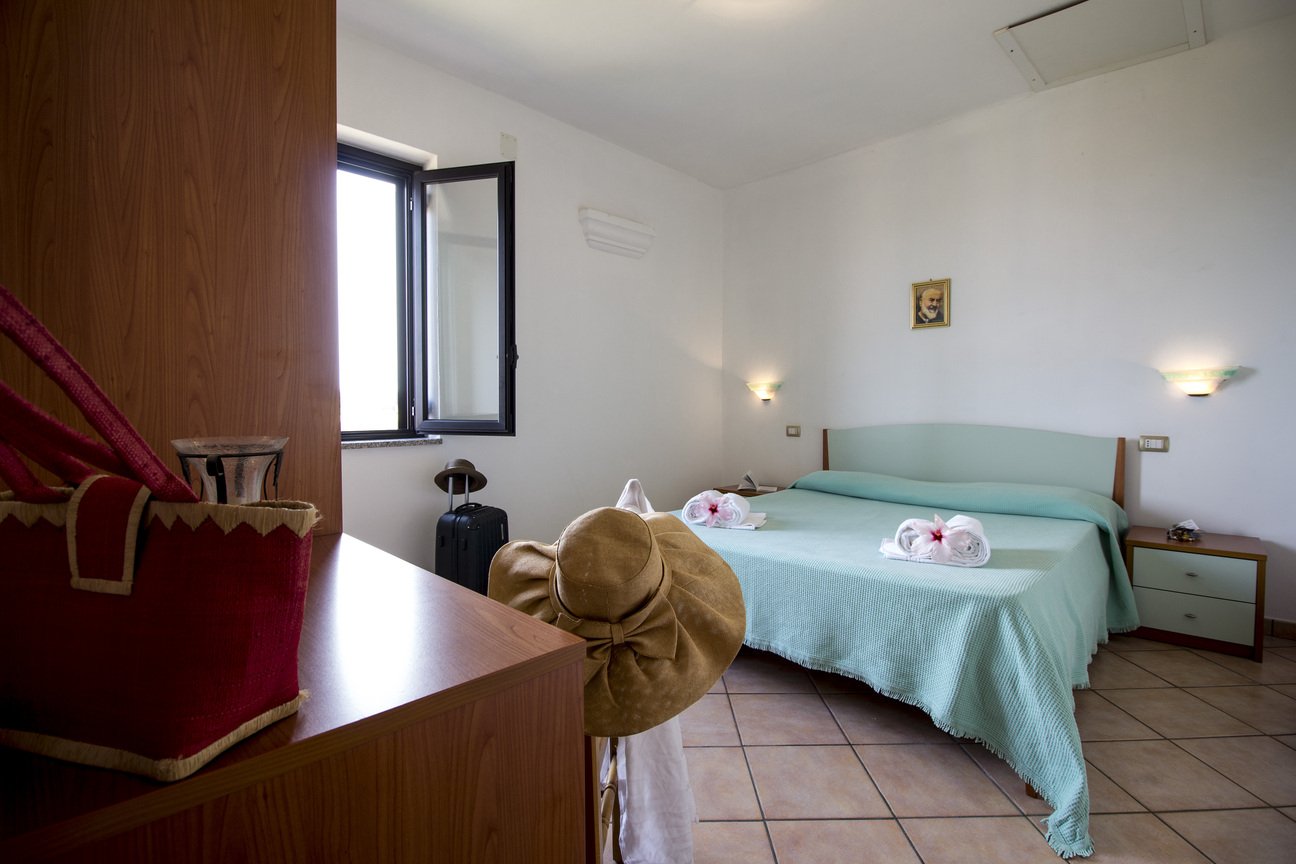
Staying in the heart of the Coast of the Gods allows you to experience the authentic rhythm of Calabrian life. Whether you prefer a luxury villa with a sea view or a cozy apartment in the historic center, having the right home base is crucial for a stress-free trip. A strategic location helps you move easily between the beach and the historical sites without spending too much time on the road.
A Tropea -capo Vaticano sono disponibili 1 alloggi selezionati. Scopri gli alloggi a Tropea -capo Vaticano. These selections ensure that you are never far from the main attractions while enjoying the peace and tranquility that this beautiful region offers.