A Culinary Journey Through the Cuisine of Tropea-Capo Vaticano, Calabria
Welcome to the sun-drenched coast of the Tyrrhenian Sea, where the rugged cliffs of Capo Vaticano meet the crystal-clear waters of the "Coast of the Gods." As an expert in Calabrian enogastronomy, I can tell you that the cuisine of Tropea-Capo Vaticano, Calabria, is not merely a collection of recipes; it is a profound expression of history, geography, and the indomitable spirit of its people. Here, the earth is rich and volcanic, the sea is teeming with life, and every meal tells a story of ancient civilizations, from the Greeks to the Byzantines, all woven into a tapestry of Mediterranean flavors.
Traveling through this region offers more than just breathtaking sunsets. It is an invitation to slow down and savor the intensity of ingredients grown under the relentless Calabrian sun. Whether you are dining in a high-end restaurant perched on the cliffs of Tropea or enjoying a rustic meal in a farmhouse overlooking the lighthouse of Capo Vaticano, you will find that the food here is honest, bold, and unforgettable. This guide is your passport to the best flavors this corner of Southern Italy has to offer.
The Essential Dishes of Tropea-Capo Vaticano
To truly understand the heart of this region, you must begin with its signature dishes. The first, and perhaps most iconic, is Fileja con la 'Nduja. Fileja is a traditional handmade pasta, shaped by rolling a strip of dough around a thin iron rod (the "dinaculu"). It is typically served with a spicy, rich tomato sauce infused with 'Nduja—a spreadable pork sausage from Spilinga that defines Calabrian cuisine. You can find this in almost every authentic trattoria in the historic center of Tropea.
Next, you cannot leave without tasting the Cipolla Rossa di Tropea IGP au gratin. This sweet, prized onion is the "Red Gold" of the region. Prepared in the oven with breadcrumbs, herbs, and local olive oil, it transforms into a delicate, caramelized delicacy. For seafood lovers, Pesce Spada alla Ghiotta is a must. Swordfish, caught in the nearby Strait of Messina, is simmered with tomatoes, olives, capers, and onions. It is a dish that honors the maritime heritage of the coast, best enjoyed in the seaside eateries of Ricadi.
Finally, we have Alici Marinate (marinated anchovies) and Tartufo di Pizzo. While the latter originates in the nearby town of Pizzo, it is a staple dessert in the Tropea area. This hazelnut-chocolate ice cream sphere, filled with molten dark chocolate, is the perfect ending to a heavy, flavorful meal. You will find the best versions of these dishes in the family-run restaurants that dot the winding streets of Tropea's old town and the quiet, panoramic terraces of Capo Vaticano.
The Treasures of the Land: DOP and IGP Excellence
The culinary landscape of Tropea and Capo Vaticano is defined by products that carry the prestigious DOP (Protected Designation of Origin) and IGP (Protected Geographical Indication) labels. The undisputed queen is the Cipolla Rossa di Tropea Calabria IGP. Thanks to the unique microclimate of the coast, this onion is incredibly sweet and digestive. It is used in everything from jams and marmalades to savory tarts, proving that in Calabria, even a simple onion can be elevated to gourmet status.
Then there is the fiery 'Nduja di Spilinga, a soft, spicy salami made with pork meat and an abundance of local chili peppers. It is not just an ingredient; it is a cultural icon. It represents the pride of the Calabrian people—intense, spicy, and deeply rewarding. You will also find excellent Extra Virgin Olive Oil produced from the Ottobratica and Roggianella olive varieties, which offer a balanced, fruity profile that perfectly complements the local seafood.
Beyond the savory, the region is famous for its Fichi di Calabria (Calabrian figs). Often dried and stuffed with walnuts or almonds, or covered in dark chocolate, they are a testament to the agricultural tradition of the area. Don't overlook the Bergamotto, a unique citrus fruit that grows almost exclusively in the coastal plains of Calabria. While mostly used for essential oils, its zest and juice are increasingly appearing in creative culinary applications, from gelato to refined fish marinades.
Where to Eat: Recommended Restaurants and Trattorie
Finding the perfect spot to dine is part of the charm of visiting Tropea-Capo Vaticano. For an upscale experience, Don Pedro in Tropea offers an elegant atmosphere with a terrace overlooking the sea, specializing in modern interpretations of traditional seafood dishes. Expect to pay a premium for the view and the sophisticated service, but the experience is well worth it for a special evening.
If you are looking for a more authentic, rustic experience, head toward the cliffs of Capo Vaticano to find Trattoria Il Faro. Here, the atmosphere is informal and welcoming, with a focus on "farm-to-table" ingredients. You will find the freshest catch of the day and homemade pasta that tastes exactly like a local grandmother's kitchen. The price point is moderate, making it a fantastic spot for a long, relaxed lunch.
For those wandering the narrow alleys of Tropea, Al Pinturicchio is a hidden gem. It is a small, intimate space where the menu changes daily based on market availability. It is the perfect place to try local cheeses and cured meats paired with regional wines. Whether you are looking for a quick bite or a multi-course dinner, the diversity of dining options ensures that every visitor can find their own personal sanctuary of taste.
Wines, Spirits, and Local Libations
Calabrian viticulture has undergone a renaissance, and the wines of this region are finally getting the recognition they deserve. The Cirò DOC, made primarily from the Gaglioppo grape, is the most famous red wine of the region. It is robust, structured, and pairs beautifully with the spicy dishes of the coast. For those who prefer white wines, the Greco di Bianco is a rare and ancient dessert wine that is truly a "nectar of the gods."
Beyond wine, Calabria is home to a rich tradition of artisanal liqueurs. The most famous is Amaro del Capo, which is produced locally and is now known worldwide. It is a complex, herbal digestif that is best served ice-cold. You will also find various Limoncello and Bergamotto liqueurs, which are perfect for a refreshing finish to a summer dinner under the stars.
When you are in the area, I highly recommend visiting a local winery near the coast. Many producers are now focusing on indigenous grape varieties like Mantonico and Magliocco, creating wines that express the minerality of the volcanic soil. Tasting these wines in the very place where the grapes are harvested is an experience that connects you deeply to the land.
Markets, Festivals, and Culinary Events
To experience the authentic rhythm of life, you must visit the local markets. The weekly market in Tropea is a sensory explosion, filled with vibrant colors of seasonal vegetables, the scent of freshly baked bread, and the chatter of locals bargaining for the best produce. It is here that you can buy high-quality 'Nduja, local cheeses like Pecorino del Monte Poro, and the famous red onions directly from the farmers.
Throughout the year, the region celebrates its bounty with various sagre (food festivals). The Sagra della Cipolla Rossa in Tropea is a highlight, usually held in summer, where you can sample every conceivable preparation of the local onion. In autumn, various villages around Capo Vaticano host festivals dedicated to the olive harvest and wild mushrooms, offering a unique glimpse into the seasonal cycles of the Calabrian countryside.
Planning your trip around these events is highly recommended. Not only do they offer the best food at the most affordable prices, but they also provide a window into the community spirit of Calabria. Music, dancing, and the sharing of food are at the center of these celebrations, making them an essential part of your culinary journey.
Culinary Experiences: From Kitchen to Table
Why just eat the food when you can learn to make it? Many local agriturismi around Capo Vaticano offer cooking classes where you can learn the secrets of rolling Fileja pasta or preparing the perfect tomato sauce with 'Nduja. These classes are often held in lush, outdoor kitchens and conclude with a shared meal featuring the dishes you have prepared yourself.
Another fantastic experience is visiting a local producer of Pecorino del Monte Poro. This cheese is made from the milk of sheep grazing on the aromatic herbs of the Monte Poro plateau, giving it a distinct, complex flavor. Many farms offer tours and tastings, allowing you to see the production process from milking to aging. It is a wonderful way to support local agriculture while enjoying some of the best flavors in the region.
Finally, consider a guided food tour in Tropea. A local expert can take you through the historic center, stopping at ancient bakeries, artisanal spice shops, and hidden wine bars that you would likely miss on your own. It is an educational and delicious way to uncover the culinary secrets of this beautiful coastal town.
Where to Stay for a Culinary Adventure
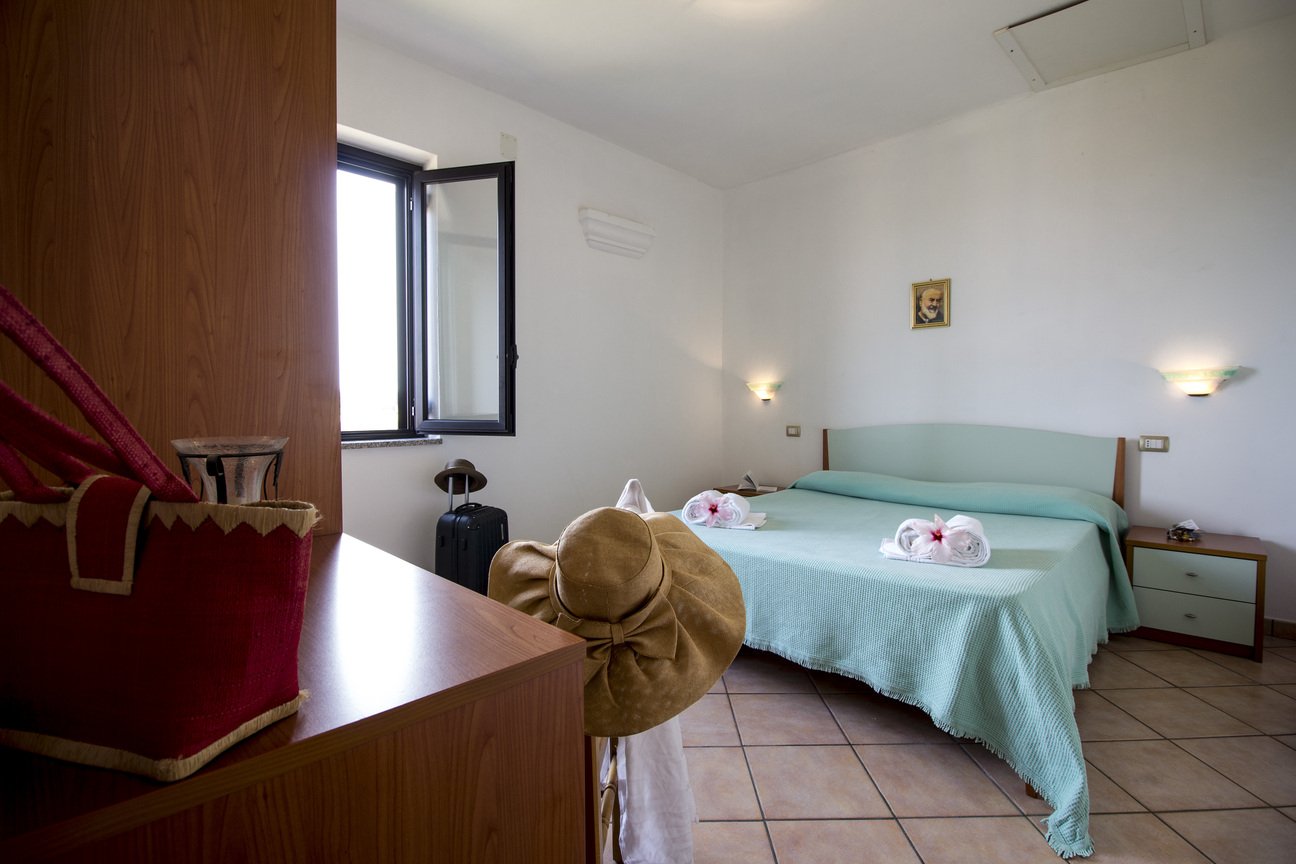
To fully immerse yourself in the flavors of the region, you need a comfortable base that captures the essence of the coast. Choosing the right accommodation allows you to wake up to the scent of the sea and the promise of a fresh, local breakfast. A stay in this area is not just about a room; it is about the experience of waking up in one of Italy's most beautiful landscapes.
A Tropea -capo Vaticano sono disponibili 1 alloggi selezionati. Scopri gli alloggi a Tropea -capo Vaticano. Whether you choose a boutique hotel in the heart of Tropea or a quiet villa overlooking the cliffs of Capo Vaticano, you will be perfectly positioned to explore the best gastronomy in the region. Find your perfect Tropea -capo Vaticano retreat today and start planning your delicious Italian getaway. For those looking for the ultimate comfort while exploring Tropea -capo Vaticano, our curated list of properties ensures you are never far from the best trattorias and markets.