Discover the Hidden Gem: What to See in Pietrapaola, Calabria
Perched majestically on the slopes of the Sila Greca, Pietrapaola is a quintessential Calabrian village that feels as though time has stood still. Known for its dramatic rocky landscape and its profound historical depth, this town offers a unique blend of Byzantine influence, medieval architecture, and untamed natural beauty. Often overlooked by mass tourism, it remains an authentic treasure for travelers seeking an immersive experience in the heart of the Ionian hinterland.
Visiting Pietrapaola means stepping into a world of narrow, winding alleys—known locally as vinedde—where the scent of wood-burning ovens and wild herbs fills the air. It is a destination for those who appreciate slow travel, historical curiosity, and the raw, rugged aesthetics of the Italian South. Whether you are a history buff, a hiking enthusiast, or simply someone looking to escape the coastal crowds, Pietrapaola promises an unforgettable journey into the soul of Calabria.
The Top 5 Must-See Attractions in Pietrapaola
The first stop on your tour must be the Rupe del Castello. This massive rock formation dominates the village skyline and offers a panoramic view that stretches across the Ionian coast. Historically, it served as a natural fortress for the ancient inhabitants of the area. It is accessible 24/7, free of charge, and is best visited at sunrise or sunset when the light catches the limestone in spectacular colors. Wear sturdy shoes, as the path can be steep.
Second, visit the Church of Santa Maria Assunta, the religious heart of the town. This structure houses significant artistic heritage, including wooden statues and canvases dating back to the 18th century. The interior is a quiet sanctuary of neoclassical architecture. It is generally open during morning mass hours, and admission is free. Please remember to dress modestly, as it is an active place of worship.
Third, explore the Historical Center (Borgo Antico). Walking through the stone-paved streets, you will encounter the remains of old noble palaces and intricately carved stone portals that reflect the influence of the various civilizations that passed through this region. There are no tickets or specific hours; the entire village is an open-air museum. Take your time to interact with the locals, who are often happy to share stories about the town's history.
Fourth, the Pietra del Toro is a natural monument of immense geological interest. This large boulder has inspired countless local legends and folklore. It represents the geological soul of the region and is a perfect spot for photography enthusiasts. It is located just outside the main residential area, and its accessibility is free. It is recommended to visit during the day when the visibility is clear.
Finally, the Viewpoint of Largo Castello provides the ultimate vantage point for the surrounding valley. This is where you can truly grasp the strategic position of Pietrapaola. It is a perfect spot for an afternoon picnic or a quiet moment of reflection. If you are planning to stay in the area, check out the options at Pietrapaola to ensure you have enough time to explore these landmarks at your own pace.
Museums and Cultural Sites
Pietrapaola serves as a gateway to understanding the Byzantine history of the Sila region. While the town itself functions as a living museum, several small exhibition spaces and historical archives are managed by local cultural associations. These collections often feature traditional agricultural tools, ancient pottery shards discovered in the surrounding fields, and historical photographs documenting the life of the village in the early 20th century.
To access these sites, it is often best to inquire at the local town hall (Municipio) or check with the local tourist information point upon arrival, as opening hours can be seasonal. Reaching these sites is straightforward; the village is compact, and everything is within walking distance. For those traveling by car, there are designated parking areas at the entrance of the village, which prevents the need to navigate the narrow historic streets with a vehicle.
The cultural richness of the area is also preserved through oral tradition. Many residents are repositories of "Grecanico" culture, and local festivals often include traditional music and dance. Engaging with these cultural elements is essential to understanding the identity of Pietrapaola. If you are looking for a base to explore these cultural nuances, consider finding accommodation that offers local insights, such as those found at Pietrapaola.
Churches and Historical Monuments
The architectural landscape of Pietrapaola is a testament to its long and complex history. Beyond the main parish church, the village features several smaller chapels, each with its own unique history and architectural details. These structures often feature stone carvings that hint at the medieval and Renaissance periods, providing a fascinating study for architecture lovers.
The fortifications of the town are particularly interesting. Although the original castle has largely eroded, the remnants of the defensive walls and the layout of the streets suggest a highly organized medieval defense system. These structures were built to protect the inhabitants from Saracen incursions, a common threat along the Ionian coast for centuries. Walking along the perimeter of the village allows you to see how the architecture was integrated directly into the natural rock face.
Local craftsmanship is also evident in the ornate iron balconies and wooden doors that line the streets. These elements are not just decorative but represent the status and history of the families that once occupied these homes. Exploring these monuments is best done on foot, allowing you to notice the subtle details that make Pietrapaola a unique example of Calabrian hill-town architecture.
Nature and Natural Parks
Pietrapaola is located in a privileged position relative to the Sila National Park. While the village itself is in the foothills, it serves as an excellent starting point for excursions into the higher mountain ranges. The surrounding landscape is characterized by the fiumare—wide, dry riverbeds that become rushing torrents during the rainy season—and dense forests of oak and chestnut trees.
Hiking trails abound in the area, leading trekkers through untouched wilderness where the only sound is the wind in the trees and the occasional chime of goat bells. These paths offer a chance to spot local wildlife, including hawks, wild boars, and rare flora. It is highly recommended to hire a local guide if you plan to venture deep into the forest, as the terrain can be challenging and the trails are not always marked with modern signage.
For those interested in nature photography, the area around the base of the Sila mountains offers dramatic lighting and diverse landscapes. Whether you are looking for a light morning walk or a strenuous day-long hike, the natural beauty of the Pietrapaola hinterland is unmatched. Remember to bring plenty of water and sun protection, as the Mediterranean sun can be intense even in the mountains.
One-Day Itinerary
To optimize your visit in 8 hours, start your morning at 9:00 AM with a coffee in the main square and a walk up to the Rupe del Castello to catch the best views. By 11:00 AM, descend into the historic center to visit the Church of Santa Maria Assunta and explore the surrounding alleys. At 1:00 PM, enjoy a traditional lunch at a local trattoria; make sure to try the homemade pasta and local goat cheese, which are staples of the area.
In the afternoon, around 3:00 PM, take a short drive or a long walk toward the Pietra del Toro to enjoy the natural rock formations and the quiet surrounding countryside. By 5:00 PM, head back to the village for a relaxed stroll through the artisan shops. Finally, at 7:00 PM, enjoy an aperitivo at a local bar in the piazza, sipping on a glass of Calabrian wine while watching the sunset over the valley. It is the perfect way to end a day of exploration.
What to See in the Surroundings
Pietrapaola is strategically located for day trips within the Ionian region. Within a 30 to 60-minute drive, you can reach the Codex Purpureus in Rossano, a UNESCO World Heritage document of immense historical value. This is a must-see for anyone interested in ancient manuscripts and Byzantine art. The drive itself is scenic, passing through olive groves and citrus orchards.
Another excellent destination is the coastal town of Cariati, known for its remarkably well-preserved 15th-century walls and towers that overlook the sea. Combining the mountain air of Pietrapaola with the maritime atmosphere of the Ionian coast provides a comprehensive Calabrian experience. The proximity to these sites makes Pietrapaola an ideal "hub" for a longer holiday.
If you prefer ancient history, the archaeological site of Thurii near Sibari is within reach. This site offers insight into the Magna Graecia period, which defined the ancient history of Southern Italy. Whether you choose the mountains, the historical archives, or the sea, the area surrounding Pietrapaola is rich with diversity. For those needing a comfortable base, you can find great options at Pietrapaola.
Where to Stay to Visit Pietrapaola with Calm
To truly appreciate the slow pace of life in Pietrapaola, staying for at least two or three nights is highly recommended. The village offers a quiet, authentic atmosphere that is difficult to find in larger tourist centers. Staying locally allows you to experience the morning silence, the vibrant local life in the evening, and the starry skies at night, which are far removed from the light pollution of the cities.
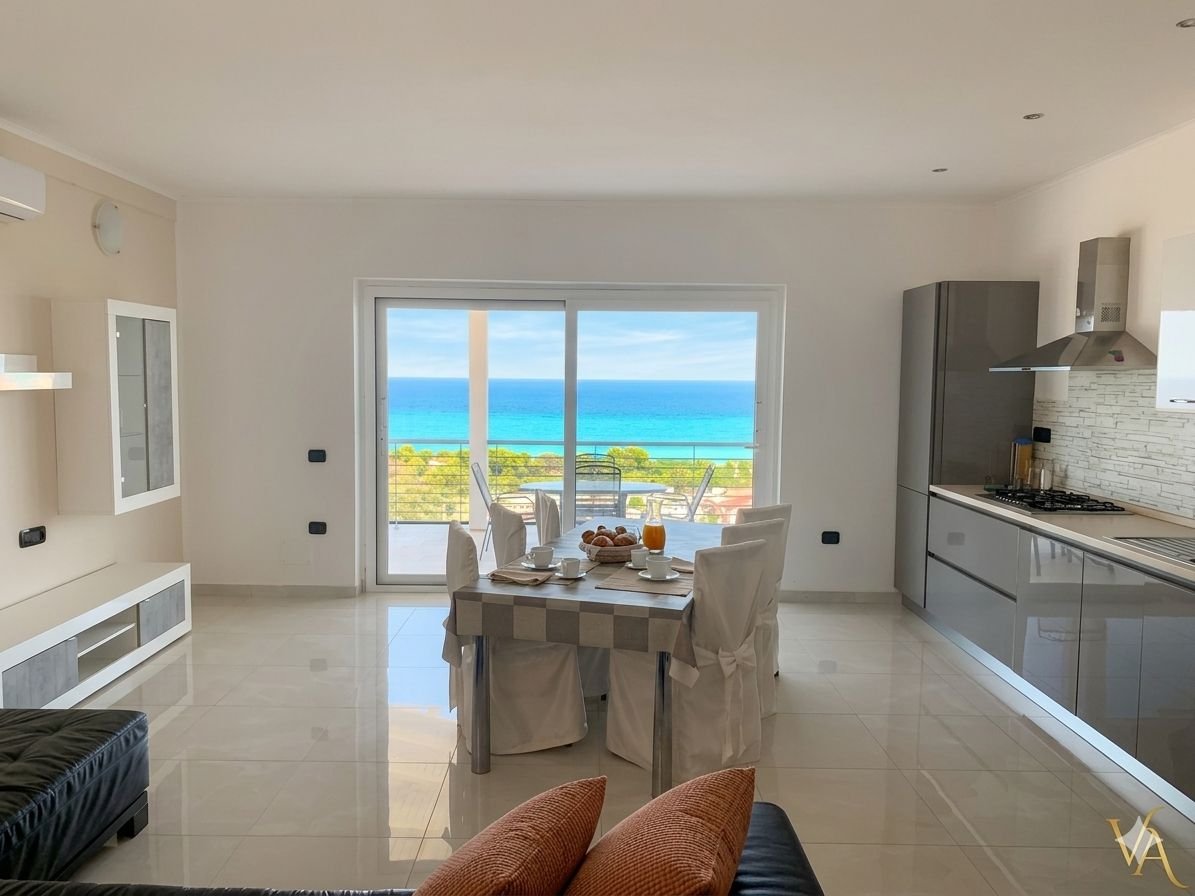
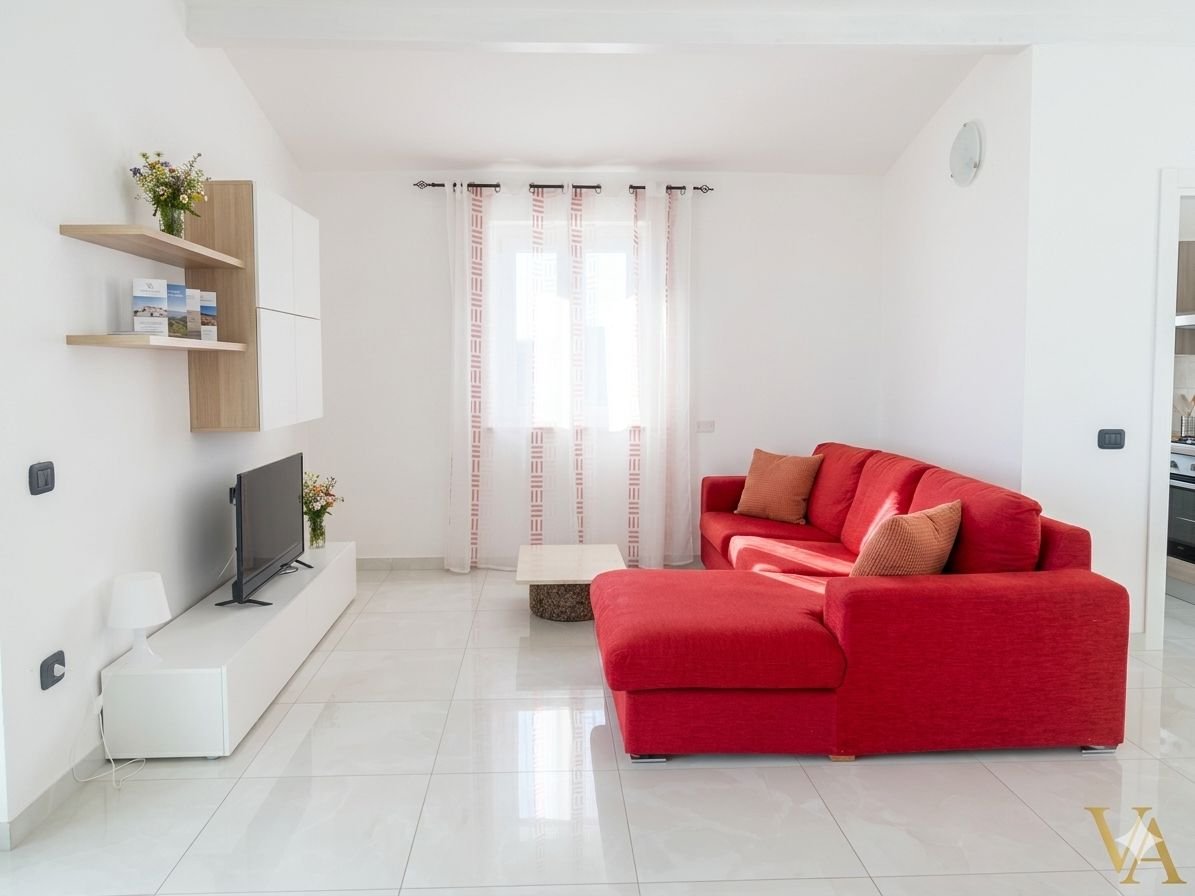
A Pietrapaola sono disponibili 2 alloggi selezionati. Scopri gli alloggi a Pietrapaola. Choosing the right accommodation will ensure you have a comfortable retreat after a day of hiking or exploring the historical sites. Most local lodgings are managed by families, providing a warm and welcoming experience that reflects the legendary Calabrian hospitality. Book your stay in advance, especially during the summer months and local festival periods, to secure the best spots.