Discovering the Hidden Treasures: Borghi Zambrone Calabria and Beyond
Calabria is a land of profound contrasts, where the crystalline turquoise waters of the Tyrrhenian Sea meet the rugged, silent beauty of ancient hilltop settlements. While many travelers flock to this region for the pristine beaches of the "Coast of the Gods," the true soul of this territory lies nestled in the hinterland. Choosing to stay in a strategic location like Zambrone allows you to bridge the gap between seaside relaxation and historical exploration. The surrounding landscape is dotted with medieval villages that seem frozen in time, offering a window into a past defined by Byzantine influences, Norman conquests, and vibrant local traditions.
Exploring the borghi near Zambrone is not merely a sightseeing trip; it is an immersion into a slower pace of life. As you venture away from the coastline, the modern world fades, replaced by winding stone alleys, blooming geraniums on wrought-iron balconies, and the distant tolling of church bells. Whether you are a history buff, a photography enthusiast, or a culinary traveler seeking authentic flavors, these inland gems offer an unparalleled experience. This guide will help you navigate the most enchanting medieval villages just a short drive from your base, ensuring you uncover the secret history of Calabria.
I borghi medievali da non perdere — Medieval villages near Zambrone
The first stop on your journey must be Tropea, often called the "Pearl of the Tyrrhenian." Located just 10 kilometers from Zambrone, this town is built on a dramatic sandstone cliff overlooking the sea. While it is famous for its beaches, its historical center is a labyrinth of aristocratic palazzi, narrow alleys, and the iconic Sanctuary of Santa Maria dell'Isola, which sits on a rock formation detached from the mainland. Walking through its streets, you will encounter hidden courtyards and breathtaking viewpoints that define the quintessential Calabrian charm.
A short drive inland brings you to Pizzo Calabro, a village that perfectly marries history with gastronomy. Famous for its Aragonese Castle, where Joachim Murat was executed, Pizzo offers a deeply evocative historical narrative. The village is also renowned for its "Tartufo di Pizzo," a legendary hazelnut gelato that is a must-try. Just a bit further, you will find Stilo, a masterpiece of Byzantine architecture. Famous for the "Cattolica," a 10th-century church, Stilo is a place of profound spirituality and architectural significance that showcases the deep roots of Greek culture in Southern Italy.
Finally, consider visiting Gerace and Badolato. Gerace, located on a plateau overlooking the Ionian Sea, is often described as a "stone museum." Its Norman Cathedral is the largest in Calabria and remains a testament to the power of the medieval church. Badolato, meanwhile, is a "ghost village" turned village of welcome. Its steep, winding streets and ancient houses offer a poignant look at the history of migration and rebirth in Calabria. Each of these villages is within reach if you use Zambrone as your primary hub for exploration.
Arte e architettura dei borghi calabresi — A legacy of stone and faith
The architecture of the borghi near Zambrone is a fascinating tapestry woven from the diverse cultures that have occupied Calabria over the centuries. The Norman influence is particularly visible in the defensive fortifications and religious buildings that dominate the skylines. Massive stone walls, arched gateways, and defensive towers served as protection against pirate raids from the sea, which were a constant threat to these coastal communities. Inside the churches, you will often find a mix of Romanesque structures adorned with Byzantine-style frescoes and later Baroque ornamentation, reflecting the changing tastes and rulers of the region.
Beyond the grand cathedrals, the urban fabric of these villages is defined by "palazzi nobiliari"—the homes of the local aristocracy—often featuring ornate stone portals and intricate ironwork. These buildings are connected by narrow, stepped streets designed to keep the shade in summer and break the wind in winter. The art of the local craftsmen is still alive today; you can find workshops where traditional terracotta pottery, hand-woven textiles, and intricate wood carvings are created using techniques passed down through generations. Visiting these shops is a great way to support local artisans while taking home a piece of authentic Calabrian culture.
The squares, or "piazze," are the beating hearts of these historical centers. In the late afternoon, they transform into social arenas where elders gather to discuss politics and the day's events, while children play among the fountains. These spaces are usually adorned with statues or monuments commemorating historical figures or local saints. The architecture here is not meant to be admired from a distance; it is meant to be lived. By sitting in a local cafe in one of these squares, you are participating in a tradition that has remained largely unchanged for centuries.
Itinerario in un giorno — A perfect day of discovery
To make the most of your day, start early from Zambrone. Begin your morning in Tropea to catch the morning light hitting the cliffs, allowing you to walk through the quiet streets before the crowds arrive. By 11:00 AM, head toward the inland hills to reach a smaller, less-visited village like Spilinga, famous for its "Nduja" sausage. A visit to a local producer here will give you an authentic look at the agricultural heritage of the region, far removed from the tourist traps.
For lunch, look for an "agriturismo" or a small, family-run "trattoria" tucked away in the historic center of a village. Focus on traditional dishes: handmade "fileja" pasta with local tomato sauce, fresh pecorino cheese, and locally sourced vegetables. Calabrian cuisine is bold and spicy, often featuring the famous red chili pepper. After lunch, spend your afternoon wandering the quietest corners of the village, finding the best viewpoints for sunset. The golden hour in these hilltop towns is truly magical, casting long, dramatic shadows over the ancient stone facades.
Return to your accommodation by evening, perhaps stopping at a local bakery to pick up some fresh bread or "pitta" (a traditional flatbread). The beauty of this itinerary is its flexibility; you don't need a rigid schedule. The goal is to absorb the atmosphere. Whether you spend two hours or six in a single village, the experience of discovering hidden corners and interacting with the welcoming locals is what makes the trip memorable. Remember to keep your camera ready, but also take moments to put it away and simply breathe in the history.
Sagre ed eventi nei borghi — Celebrating traditions
Calabrian villages are at their most vibrant during local festivals, known as "sagre." These events are dedicated to specific local products, such as the red onion of Tropea, the 'nduja of Spilinga, or the olive oil of the hills. During a sagra, the entire village turns into a giant outdoor kitchen. You will find long tables set up in the main piazza, live folk music, and stalls selling everything from local honey to handmade crafts. It is a fantastic opportunity to mingle with the locals and understand the deep connection between the Calabrian people and their land.
Religious celebrations are equally significant. Patron saint festivals are marked by elaborate processions where statues of saints are carried through the winding streets, accompanied by brass bands and fireworks. These events are deeply moving and provide a glimpse into the spiritual devotion that has sustained these communities for centuries. In some villages, you might even encounter medieval reenactments, where participants wear historical costumes and perform jousts or traditional dances, bringing the history of the town to life in a spectacular fashion.
If you are planning your trip, check the local municipal calendars or ask your hosts for information on upcoming events. Attending a village festival is the ultimate cultural immersion. It is loud, it is crowded, and it is incredibly joyful. You will likely be invited to dance, taste local wines, and share stories with families who have lived in these villages for generations. It is an experience that transforms a simple holiday into a true connection with the heart of Italy.
Come muoversi tra i borghi — Logistics and travel tips
The best way to explore the villages surrounding Zambrone is by car. While there is a regional train network, it primarily serves the coastal towns and does not reach the more remote, hilltop villages. Renting a car gives you the freedom to set your own pace and explore the scenic backroads that offer the most dramatic views of the Calabrian landscape. Be prepared for winding, narrow mountain roads—the drive itself is part of the adventure, offering breathtaking vistas around every corner.
When driving, keep in mind that the historic centers of these villages are almost always closed to traffic, designated as "Zona a Traffico Limitato" (ZTL). You will need to park your vehicle in the designated lots outside the town walls and proceed on foot. This is actually a blessing, as it forces you to slow down and enter the village at a human pace. Pack comfortable walking shoes, as the streets are often paved with cobblestones and can be quite steep. Also, ensure you have a good GPS, but don't be afraid to ask locals for directions; they are usually more than happy to point you toward the best scenic route.
If you are not comfortable driving on narrow mountain roads, consider hiring a private driver or joining a guided excursion from one of the larger towns. Several local agencies offer day tours that include transportation and a local guide who can provide historical context that you might otherwise miss. However, for the true explorer, the independence of a rental car is unbeatable. Just remember to take it slow, enjoy the panoramic views, and always pull over safely if you want to take a photo of the stunning landscapes.
Base ideale per esplorare: dormire a Zambrone
Finding the right base is essential for a stress-free holiday in Calabria. Staying in a central location allows you to minimize travel time and maximize your exploration. A well-chosen accommodation provides a sanctuary to return to after a long day of hiking, eating, and photographing ancient architecture. Being close to the sea also ensures that you can enjoy a refreshing swim in the morning before heading out to the mountains, offering the best of both worlds.
A perfect stay combines comfort with proximity to the main transport routes. Whether you are looking for a boutique apartment or a cozy room, having a reliable place to rest is key. A host who knows the area can provide invaluable tips on which villages are worth a visit on specific days, helping you avoid the crowds and find the hidden gems that aren't in the standard guidebooks. A well-located base is the foundation of a successful trip, and choosing the right spot can make all the difference in your overall experience.
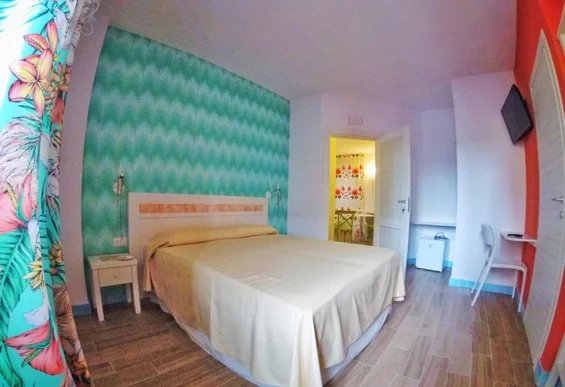
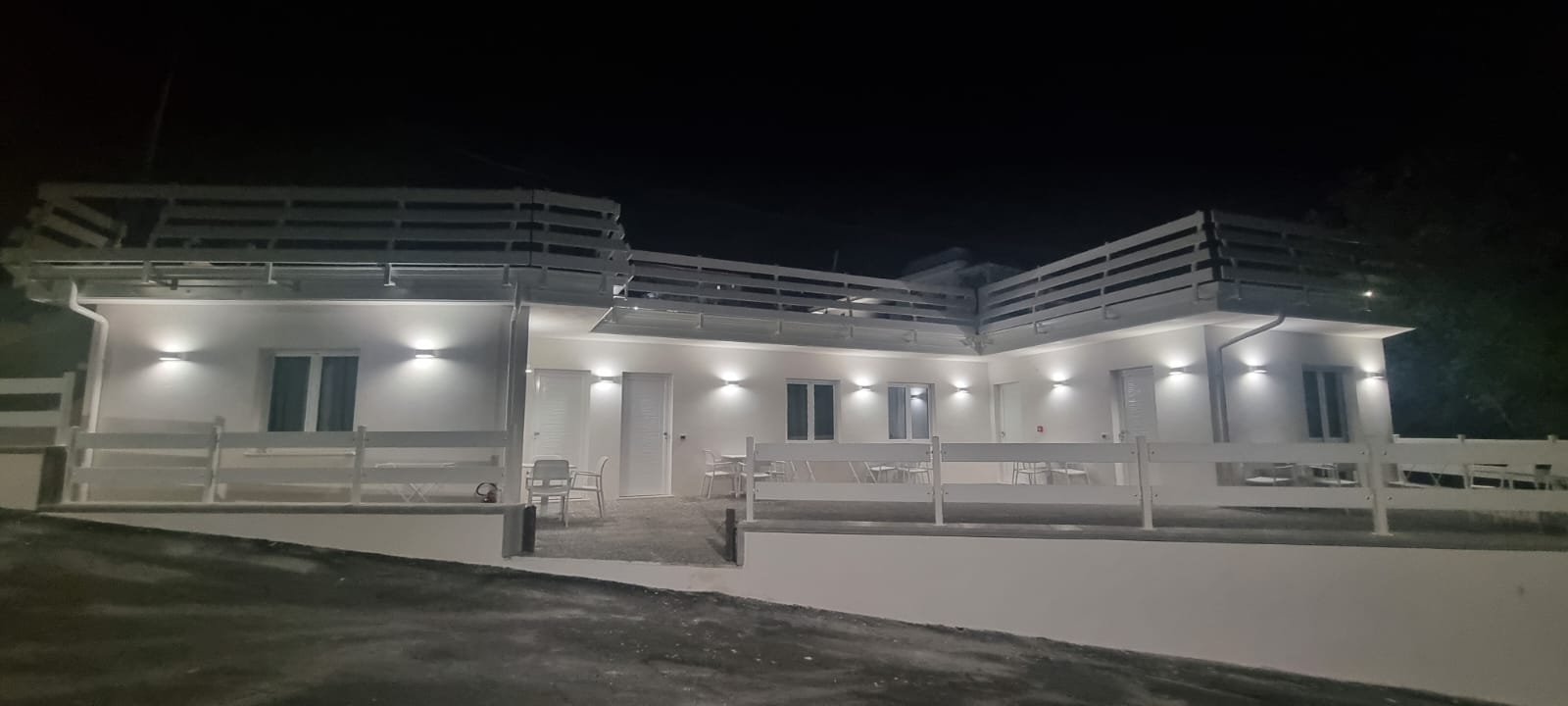
A Zambrone sono disponibili 1 alloggi selezionati. Scopri gli alloggi a Zambrone. By choosing to stay here, you are positioning yourself at the gateway to the most beautiful parts of the region. Enjoy the hospitality, the food, and the timeless beauty of the Calabrian borghi, knowing that your comfortable home base is just a short drive away at the end of the day.