Discovering the Hidden Gems: Borghi near Lungro, Calabria
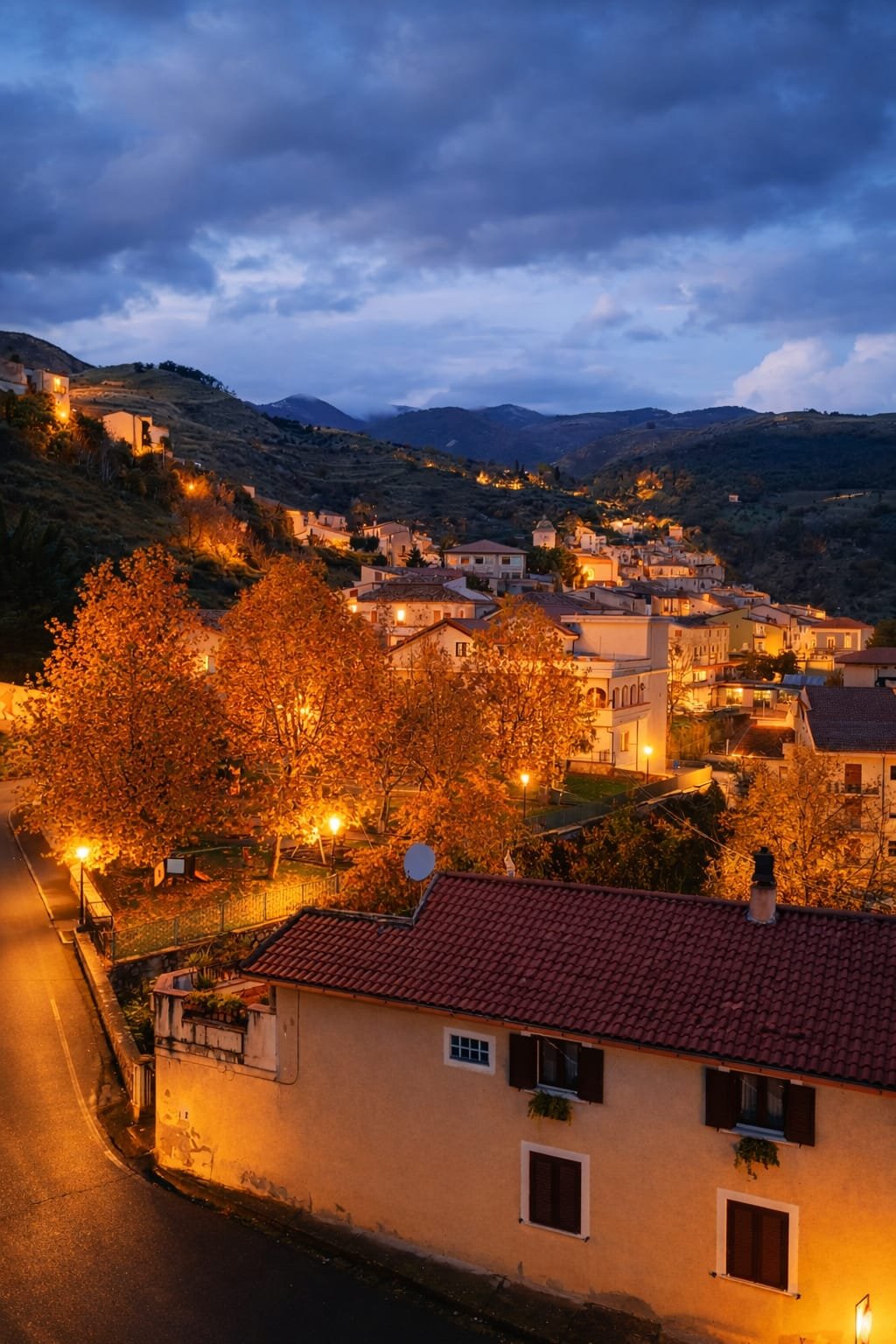
Calabria is a region of profound contrasts, where the rugged peaks of the Pollino National Park meet the azure depths of the Ionian and Tyrrhenian seas. Nestled in this wild landscape lies Lungro, an Arbëreshë town rich in history, culture, and identity. However, the true magic of this area is revealed when you venture beyond the town limits to explore the surrounding historical villages. If you are looking for an authentic Italian experience, the borghi near Lungro, Calabria, offer a journey back in time, where traditions are preserved, and the pace of life slows to a gentle, timeless rhythm.
Exploring this corner of Northern Calabria means immersing yourself in a tapestry of medieval architecture, Byzantine influences, and ancient folklore. Whether you are a history buff, a culinary enthusiast, or simply a traveler seeking peace away from the tourist crowds, the villages surrounding Lungro provide a perfect backdrop for discovery. From the dramatic cliffs of Civita to the artistic streets of Altomonte, each destination tells a unique story of endurance and beauty.
I borghi medievali da non perdere
Just a short drive from Lungro lies Civita, arguably the most iconic Arbëreshë village in the region. Perched dramatically over the Raganello Gorge, this village is famous for its "house with eyes"—traditional dwellings with architectural features resembling human faces. Walking through its narrow alleys feels like stepping into a living museum of Albanian heritage. It is located approximately 20 minutes from Lungro, making it an essential stop for anyone wanting to understand the cultural syncretism of the Pollino area.
Another unmissable gem is Altomonte, often cited as one of the most beautiful villages in Italy. Known as the "city of art," it boasts a stunning Gothic-style church, the Church of Santa Maria della Consolazione, which houses precious works of art. Its medieval layout is remarkably well-preserved, and the views of the surrounding valley are breath-taking. Located about 30 minutes from Lungro, Altomonte offers a refined atmosphere perfect for an afternoon stroll followed by a glass of local wine.
San Donato di Ninea is a hidden mountain retreat that offers a different perspective on the landscape. This village is surrounded by dense forests and rugged peaks, providing a cooler climate and spectacular hiking opportunities. Its history is deeply tied to the Byzantine monks who once inhabited the area, leaving behind traces of ancient spirituality. Being roughly 40 minutes from Lungro, it is the perfect spot for those who want to combine cultural exploration with nature trekking.
Finally, Castrovillari, the gateway to the Pollino National Park, is a must-visit for its imposing Aragonese Castle. As the largest town in the immediate vicinity, it offers a more vibrant urban experience while still maintaining its historic core. The castle, with its massive towers, dominates the skyline and serves as a reminder of the strategic importance of this area in centuries past. It is only 15 minutes away from Lungro, making it a convenient and culturally rich destination for a half-day excursion.
Arte e architettura dei borghi calabresi
The architectural heritage of the villages around Lungro is a testament to the diverse civilizations that have shaped Calabria over the millennia. From the sturdy stone fortifications of the Normans to the delicate Byzantine frescoes found in small rural chapels, the region is an open-air gallery. Many of these villages feature "Piazze," which serve as the social heart of the community, where locals gather under the shade of ancient trees to discuss the day's events, framed by historic palazzi with intricate stone portals.
Artisanship remains a vibrant part of this identity. In many of these borghi, you can still find master craftsmen practicing traditional trades such as weaving, woodcarving, and the production of hand-painted ceramics. These crafts are not merely souvenirs but are deeply rooted in the local history, often passed down through generations. Supporting these local artisans is one of the best ways to experience the soul of the region and ensure that these ancient skills continue to thrive in the modern age.
Religious architecture also plays a pivotal role in the landscape. The churches in this area are not just houses of worship but repositories of art, housing sculptures, paintings, and gold-leaf altarpieces that have survived centuries of seismic activity and historical turmoil. Many of these structures have been carefully restored, allowing visitors to appreciate the craftsmanship of the past. If you are looking for a comfortable place to stay while exploring these sites, Lungro serves as an excellent central hub.
Itinerario in un giorno
To make the most of your visit, start your day early in Lungro to appreciate its unique salt mine heritage and the beautiful Cathedral of Saint Nicholas of Myra. After a hearty breakfast featuring local pastries, head towards Civita by mid-morning to catch the morning light over the Raganello Gorge. The walk through the village is best enjoyed before the midday heat, and the views from the Devil’s Bridge are absolutely spectacular for photography enthusiasts.
For lunch, head to a local trattoria in one of the nearby villages to sample the authentic flavors of the Pollino. Look for dishes like "pasta e fagioli" or locally sourced cured meats and cheeses. Calabrian cuisine is hearty and flavorful, often using simple, high-quality ingredients that reflect the mountain terroir. After a leisurely lunch, spend your afternoon in Altomonte, exploring the art galleries and the historic church, before heading back to your accommodation to relax.
When planning your itinerary, remember that the pace of life in these villages is deliberate. Many shops may close for a few hours in the afternoon for the traditional "riposo." Use this time to enjoy a long coffee in a quiet piazza or to visit a local artisan workshop. If you need help organizing your trip or finding the best spots to stay, Lungro is a great base from which to start your daily adventures.
Sagre ed eventi nei borghi
The cultural calendar in the villages around Lungro is packed with events that celebrate the seasons and religious traditions. From the "Festa di San Giuseppe" to the various summer food festivals (sagre) dedicated to chestnuts, mushrooms, or local pasta, there is always something happening. These events are the perfect opportunity to see the local communities in their element, often dressed in traditional costumes and sharing stories of their ancestors.
Medieval reenactments are also popular, transforming the historic centers into vibrant stages where knights, jesters, and merchants bring history to life. These events are not just for show; they are a profound expression of local pride and identity. If you happen to visit during a patron saint festival, expect music, fireworks, and a communal atmosphere that will make you feel like part of the local family.
For those interested in historical markets, the periodic fairs held in the larger towns offer a chance to buy authentic products directly from the producers. Whether it is jars of spicy Calabrian chili paste or hand-woven textiles, these markets are the best place to pick up unique gifts. Staying in Lungro puts you in the perfect position to access these events while enjoying a quieter retreat at the end of the day.
Come muoversi tra i borghi
The most efficient way to explore the area surrounding Lungro is by car. While public transport exists, it is often infrequent and may not cover the smaller, more remote villages effectively. Having your own vehicle gives you the freedom to stop at panoramic viewpoints, explore hidden trails, and travel at your own pace. The roads in Northern Calabria are scenic, often winding through olive groves and mountain passes that offer stunning vistas at every turn.
When driving, keep in mind that the roads can be narrow and steep, especially as you approach the mountain villages. Take your time, enjoy the journey, and always keep an eye out for local traffic and livestock. It is recommended to rent a car at the airport (Lamezia Terme is the most common entry point for the region) so you have full control over your itinerary. Most car rental agencies offer a variety of vehicles, but a compact car is usually sufficient and easier to park in the narrow streets of the historic centers.
If you prefer not to drive, consider hiring a private driver for a day or joining small group tours organized by local agencies. This allows you to sit back and enjoy the scenery without the stress of navigating unfamiliar mountain roads. Regardless of your choice of transport, the beauty of the region is undeniable, and the journey between these borghi is just as memorable as the destinations themselves.
Dove Dormire
A Lungro sono disponibili 1 alloggi selezionati. Scopri gli alloggi a Lungro.