Discovering the Cultural Heart of the Arbëreshë: What to see in Lungro, Calabria
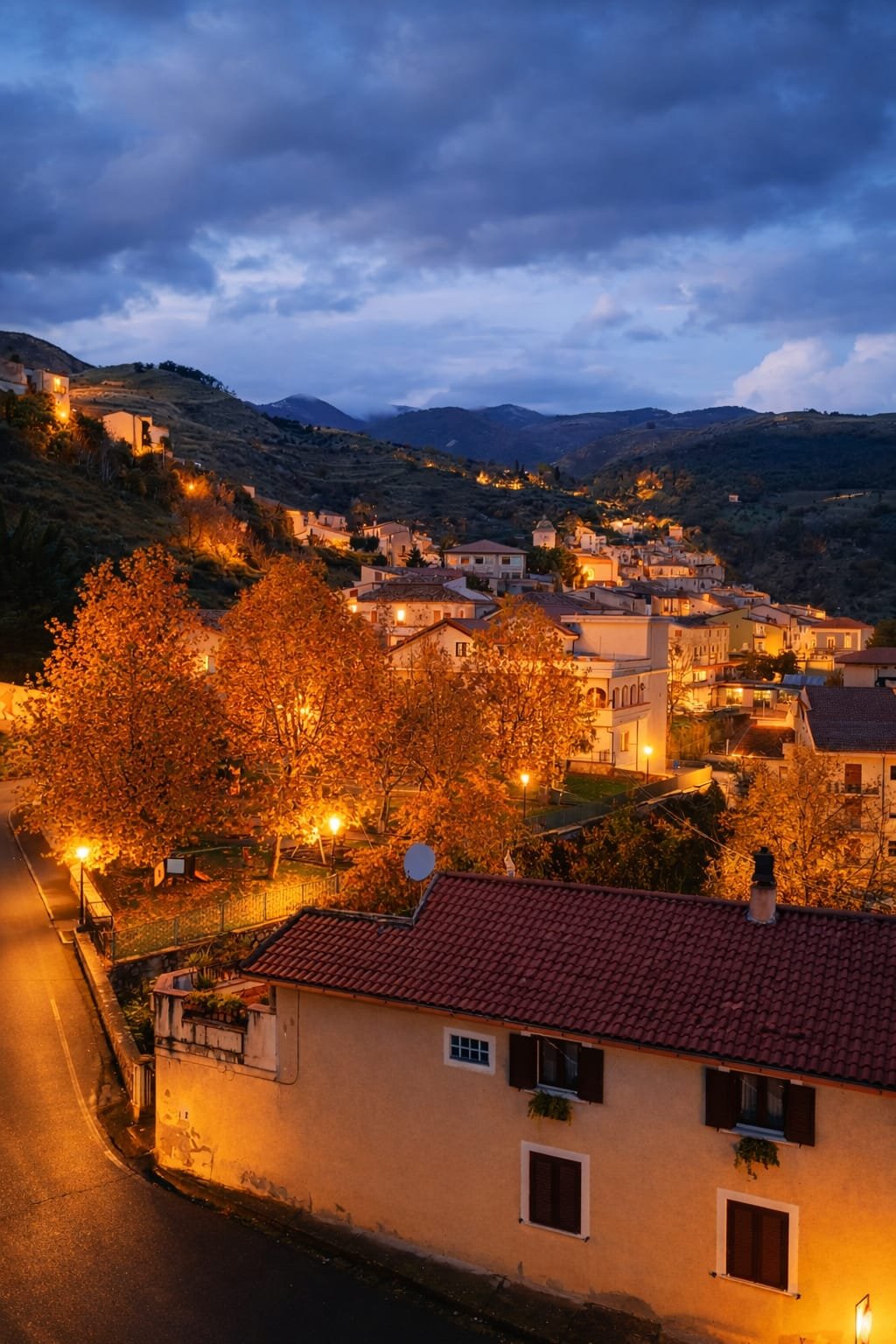
Nestled in the northern reaches of the Pollino National Park, Lungro is a unique jewel in the Calabrian crown. Often referred to as the "Capital of the Arbëreshë" in Calabria, this town is not just a destination; it is a living, breathing testament to the Albanian migration of the 15th century. When exploring what to see in Lungro, Calabria, visitors are immediately struck by the preservation of ancient traditions, the distinct linguistic heritage, and the dramatic mountainous landscape that surrounds the village.
Walking through the narrow, winding alleys of Lungro feels like stepping back in time. The town is famous for its Byzantine-rite religious heritage, its historic salt mines, and a culinary tradition that blends Mediterranean flavors with Balkan influences. Whether you are a history buff, a nature lover, or a cultural traveler, Lungro offers a profound experience that remains untouched by mass tourism. If you are planning your trip, you can find the perfect base by exploring accommodation options in Lungro to ensure you have enough time to soak in the atmosphere.
The Top 5 Attractions: What to see in Lungro, Calabria
The first must-see landmark is the Cathedral of San Nicola di Mira. As the heart of the Eparchy of Lungro, this cathedral is the most important Byzantine-rite church in southern Italy. Inside, you will be mesmerized by the intricate mosaics and the iconostasis, which follow the strict aesthetic rules of Orthodox tradition. It is open daily for religious services, and admission is free, though donations are appreciated. Be sure to check the schedule for the Divine Liturgy to witness the stunning chants in both Greek and Albanian.
Second, delve into the industrial history at the Museum of Salt. Lungro was once famous for its rich salt mines, which played a pivotal role in the local economy for centuries. The museum showcases tools, historical photographs, and geological samples that tell the story of the miners' arduous lives. It is typically open on request or via guided tours arranged through the municipal office. The modest entrance fee is well worth it for the insight into the town's economic backbone.
Third, explore the Historic Center (Gjitonia). The term "Gjitonia" refers to the traditional neighborhood organization of the Arbëreshë people, where houses are built closely together to foster community. Wander through the steep stone streets to admire the architecture, which features distinctive wooden balconies and stone portals. This is a perfect spot for photography, especially during the golden hour when the light hits the limestone buildings.
Fourth, visit the Monuments of the Heroes. Lungro has a deep connection to the Italian Risorgimento and the Albanian national awakening. Several statues and plaques throughout the town commemorate figures like Giorgio Castriota Scanderbeg, the Albanian national hero. These monuments are scattered throughout the main squares and are accessible 24/7, serving as a constant reminder of the town’s dual identity.
Finally, the Panoramic Viewpoints of the Pollino. Just outside the main residential area, there are several spots that offer breathtaking vistas of the Pollino massif. These viewpoints allow you to appreciate the sheer scale of the landscape that isolated and protected the Arbëreshë culture for centuries. There is no cost to visit, and it is the best place to reconnect with nature after a morning of cultural exploration.
Museums and Cultural Sites
Beyond the salt museum, Lungro preserves its identity through its Diocesan Museum, located near the cathedral. This site houses a precious collection of liturgical vestments, ancient icons, and historical documents that chronicle the arrival of Albanian refugees in the 1400s. The museum is a treasure trove for those interested in Byzantine art and the history of the Catholic Church in the East. It is usually open on weekends, and access is facilitated by local cultural associations.
To reach these sites, the best approach is to arrive by car, as public transport in the Pollino region can be sparse. From the A2 motorway (Autostrada del Mediterraneo), take the exit for Castrovillari and follow the signs for Lungro. Once in town, the sites are mostly within walking distance, although be prepared for some steep climbs. For those looking to stay longer, booking a stay in Lungro is highly recommended to avoid the stress of driving back and forth on winding mountain roads.
Churches and Historical Monuments
The architecture of Lungro is a fascinating blend of traditional Calabrian stone masonry and Balkan influences. The Church of Santa Maria delle Grazie is another essential stop. It is smaller and more intimate than the Cathedral, offering a quiet space for reflection. The interior features beautiful frescoes that have been restored to their original glory, highlighting the artistic devotion of the local community.
The town's urban structure itself is a monument. As you walk, look for the traditional "portali" (portals) carved from local stone, which often bear the dates of construction and the symbols of the families who built them. These architectural details are a hallmark of the 18th and 19th-century prosperity in the region. Unlike the castles found in the coastal areas, Lungro’s strength lay in its community cohesion and its hidden mountain location, which served as its best defense.
Nature and Natural Parks
Lungro serves as a gateway to the Pollino National Park, the largest protected area in Italy. The landscape around Lungro is characterized by dramatic canyons, clear mountain streams, and vast forests of beech and pine. The Fiumara di Lungro, a stream that flows near the town, is a popular spot for light trekking and nature photography. The sound of the rushing water and the cool mountain air provide a refreshing escape from the summer heat.
For more serious hikers, the trails leading toward the peaks of the Pollino offer challenging routes with stunning rewards. You can encounter the rare Bosnian Pine, a symbol of the park, and perhaps spot golden eagles or wolves if you are lucky. It is highly advised to hire a local guide if you plan to venture deep into the wilderness, as the terrain can be deceptive and the weather changes rapidly. Always check the official park website for updated trail maps and safety warnings before heading out.
A Perfect Day in Lungro: 8-Hour Itinerary
Start your morning at 9:00 AM with a visit to the Cathedral of San Nicola di Mira to admire the morning light on the icons. By 10:30 AM, head to the Museum of Salt to understand the town's industrial past. At 12:30 PM, enjoy a traditional lunch at a local trattoria; make sure to try dromësat, a traditional pasta dish made with flour and water, often served with local legumes.
In the afternoon, spend two hours wandering the Gjitonia, stopping to chat with the locals who are often eager to share stories of their Albanian ancestry. At 4:00 PM, take a short drive or a brisk walk to the panoramic viewpoints to watch the sunset over the Pollino peaks. End your day at 6:30 PM with an aperitivo in the main square, sipping a glass of local Calabrian wine while watching the town life unfold. It is a slow, authentic pace that captures the true spirit of the region.
What to see in the surroundings
If you have more time, the surrounding area is packed with history. Just 30 minutes away is Civita, another famous Arbëreshë village known for its "Devil’s Bridge" and the Raganello Gorges, which offer spectacular trekking opportunities. Also within 45 minutes is the city of Castrovillari, which hosts a beautiful Aragonese castle and a vibrant historical center that contrasts well with the smaller mountain villages.
For those interested in archaeology, the ruins of Sybaris are about an hour away toward the Ionian coast. This ancient Greek colony provides a stark contrast to the medieval and Renaissance history of the mountain towns. Combining a trip to the coast with a stay in the mountains allows you to see the full spectrum of what Calabria has to offer. To make your journey seamless, you can find various accommodation options in Lungro that act as a perfect hub for these daily excursions.
Where to stay to visit Lungro with ease
To truly appreciate the slow pace of life in this Arbëreshë enclave, staying overnight is the best choice. It allows you to wake up to the sound of church bells and the smell of fresh bread, rather than rushing back to a coastal hotel. A short stay also gives you the chance to participate in local events, which are often held in the evenings. At Lungro, there is 1 accommodation selected for its comfort and authenticity. Discover the accommodations in Lungro to book your stay and prepare for an unforgettable journey into the heart of the Albanian-Calabrian culture.