A Journey Through Time: The Ultimate Itinerary Pietrapaola Calabria
Calabria is a land of untamed beauty, where the rugged peaks of the Sila mountains plunge into the crystalline depths of the Ionian Sea. Nestled in this enchanting landscape lies Pietrapaola, a hidden gem that feels like a secret whispered by the wind. As a travel writer who has spent years exploring the winding roads and sun-drenched piazzas of Southern Italy, I have found that this village offers a rare, authentic glimpse into the soul of the region. This itinerary is designed to help you peel back the layers of history, nature, and culinary tradition that define this corner of the province of Cosenza.
Choosing to base your journey in a place like Pietrapaola means choosing to slow down. Here, the rhythm of life is dictated by the chime of the church bells and the changing hues of the sunset. Whether you are a history buff, a nature enthusiast, or simply someone looking to escape the crowded tourist traps of the Amalfi Coast, this three-day journey will provide you with the perfect balance of exploration and relaxation. Prepare to be enchanted by the timeless charm of a village that stands as a sentinel over the Ionian coast.
Day 1 — Discovering Pietrapaola: Ancient Stones and Local Flavors
Your first morning should be dedicated to the heart of the village. Pietrapaola is a place of stone and light; its narrow alleyways, known as "vicoli," are perfect for a gentle morning stroll. Start your exploration at the ruins of the medieval castle, which dominates the upper part of the town. While the walls are weathered by centuries of exposure to the elements, the panoramic view from the summit is unparalleled. You can see the entire valley stretching toward the sea, a sight that has remained largely unchanged since the Middle Ages.
After soaking in the views, wander down toward the parish church of San Giacomo Apostolo. The architecture is a testament to the resilience of the local community, blending various historical influences. Take your time to interact with the locals; the elderly men sitting on benches in the piazza are the true keepers of the village's history. They are often eager to share stories of the past, provided you show a genuine interest in their home. It is in these small, human interactions that the true magic of Calabria reveals itself.
In the afternoon, the village comes alive with the rhythm of daily chores and preparations for the evening meal. Explore the small artisanal shops where you might find handmade ceramics or locally woven textiles. As the sun begins to dip, head to the local bakery to pick up some fresh bread or "pitta," a traditional Calabrian flatbread. The evening is best spent in a local trattoria, where the aroma of wild fennel and slow-cooked tomato sauce fills the air. Dining here is not just a meal; it is a ritual of hospitality that makes every visitor feel like a returning friend.
Day 2 — Excursions in the Surroundings: Coastal Wonders and Mountain Retreats
On your second day, it is time to venture beyond the village walls. The strategic position of Pietrapaola allows for easy access to both the coast and the inland hills. Start your morning by driving down to the Ionian coast, specifically toward the area of Mirto-Crosia or Mandatoriccio. The beaches here are vast and uncrowded, characterized by fine sand and deep blue waters. Spend your morning swimming in the refreshing Ionian Sea, where the lack of massive tourist infrastructure means you can often find a stretch of beach entirely to yourself.
In the afternoon, head inland toward the Sila National Park. The landscape shifts dramatically from the Mediterranean scrub of the coast to the dense, ancient forests of pine and beech. A visit to the nearby village of Longobucco is highly recommended. Known as the "city of weaving," this town is famous for its traditional looms and high-quality textiles. The drive itself is a visual feast, with hairpin turns offering breathtaking views of the Crati valley. This transition from the salt-kissed air of the coast to the crisp, resinous scent of the mountains is the quintessential Calabrian experience.
As you return to your accommodation, consider stopping at one of the many olive groves that dot the landscape. Calabria is one of Italy's top producers of olive oil, and the liquid gold produced in this area is renowned for its intense, peppery finish. If you are lucky, you might find a producer selling their harvest directly at the roadside. Bringing home a bottle of this oil is the best way to keep the memory of your trip alive long after you have returned home.
Day 3 — Sea, Nature, or Culture: Choose Your Adventure
For your final day, I have curated three distinct paths depending on your personal interests. If you crave the sea, head south toward the archaeological site of Capo Colonna near Crotone. Here, a single lonely column stands as a monument to the once-great Temple of Hera Lacinia. It is a place of profound silence and beauty, where the ancient world meets the modern sea. It is the perfect spot for reflection on the final day of your journey.
If you prefer nature, dedicate your day to trekking in the Sila mountains. Trails around Lake Arvo offer incredible opportunities for birdwatching and photography. The high-altitude plateau, often called the "Green Lung of Calabria," is home to wolves, deer, and golden eagles. It is a pristine environment that feels worlds away from the bustle of modern life. Pack a picnic with local cheeses, such as Caciocavallo Silano, and enjoy a lunch in the heart of the forest.
Finally, for those interested in culture, explore the "Arbëreshë" villages in the surrounding area. These are communities founded by Albanian refugees in the 15th century who have preserved their language, religious rites, and traditions for over 500 years. Visiting towns like Lungro or San Demetrio Corone is like stepping into a different country. The unique architecture and the vibrant cultural heritage provide a fascinating counterpoint to the traditional Calabrian experience you have had in Pietrapaola.
Where to Eat During the Itinerary
Eating in this part of Calabria is an exercise in seasonal simplicity. For your time in Pietrapaola, look for trattorias that serve "fileja," a traditional hand-rolled pasta, usually paired with a rich tomato and pork ragu. The budget for a hearty dinner with local wine is typically between 25 and 35 euros per person. Don't miss out on the local "soppressata" (a type of salami) and the spicy "nduja," which is a staple of the region's culinary identity.
For your coastal excursion, beachside "lidi" or local seafood restaurants in Mandatoriccio offer the catch of the day. Expect fresh swordfish or grilled sea bream, seasoned simply with lemon and oregano. In the mountain villages, the focus shifts to mushrooms, truffles, and hearty meat dishes. Restaurants like "La Taverna del Borgo" in nearby towns often provide a rustic, authentic atmosphere where the portions are generous and the ingredients are sourced from the immediate vicinity.
Where to Sleep
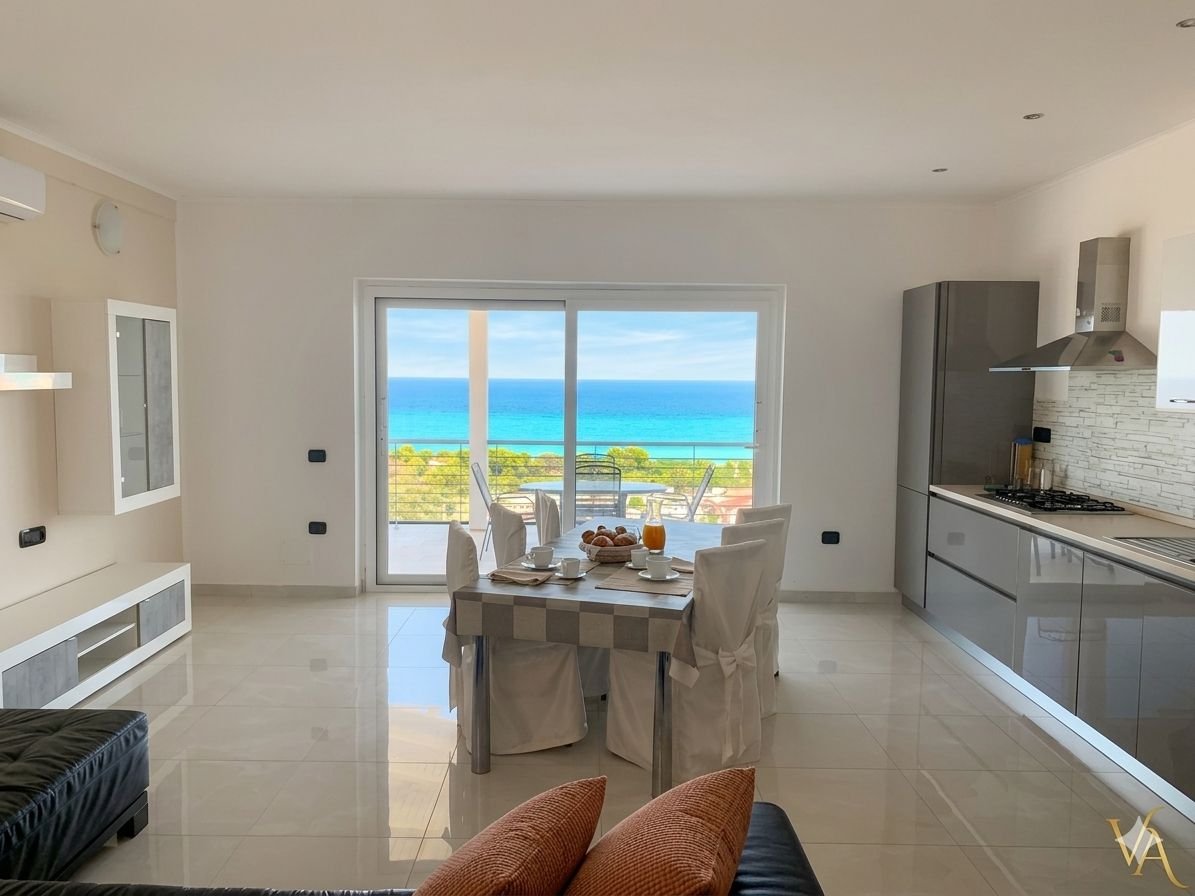
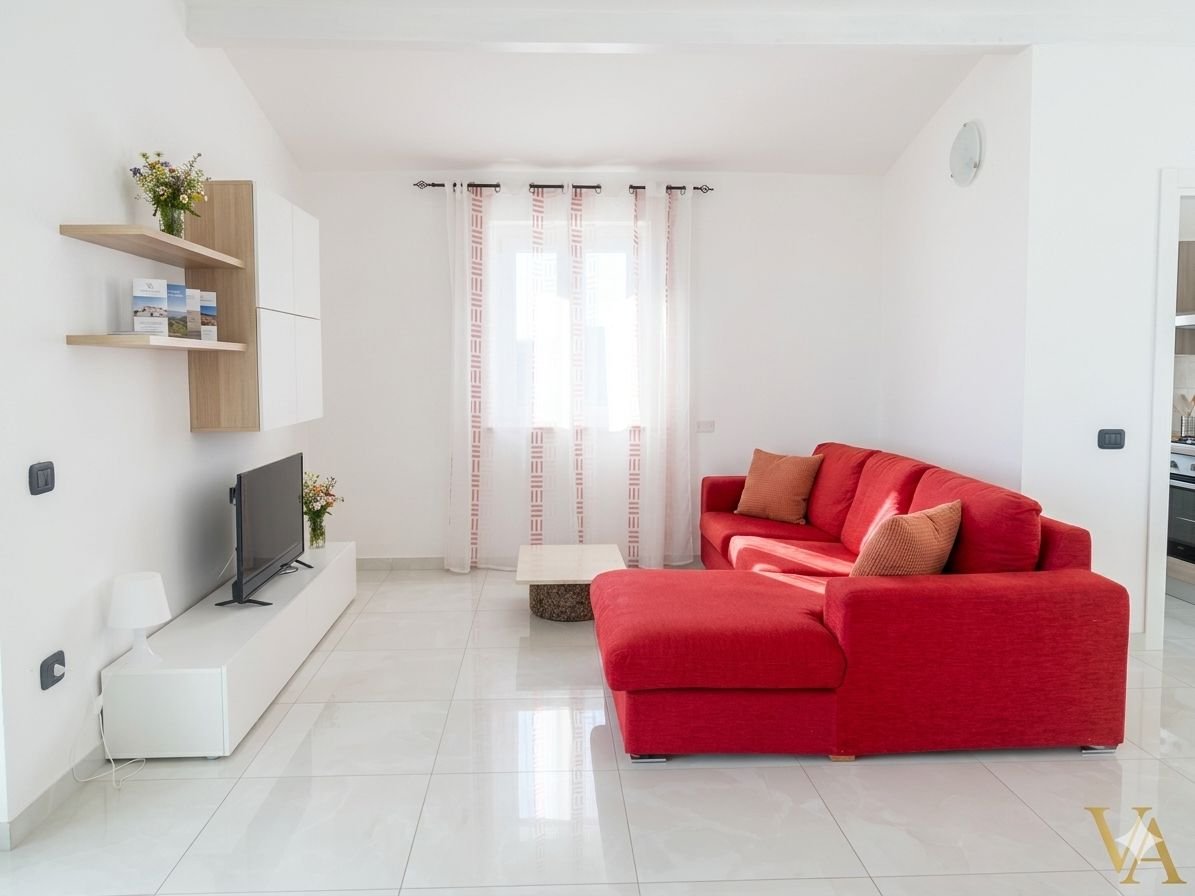
Staying in the village itself is the best way to immerse yourself in the local atmosphere. Waking up to the sound of the village waking up is an experience that no hotel in a city center can replicate. At Pietrapaola, you are never far from the main attractions, and the hospitality is incredibly warm and personal. A stay here offers a sense of tranquility that is rare in modern travel. A trip to Calabria is best enjoyed when you have a comfortable home base to return to after a long day of adventure. A Pietrapaola sono disponibili 2 alloggi selezionati. Scopri gli alloggi a Pietrapaola.
How to Get There and Get Around
The most convenient way to reach Pietrapaola is by car. If you are flying into Calabria, Lamezia Terme International Airport (SUF) is the primary hub. From there, it is approximately a 90-minute drive via the SS280 and SS106 coastal road. Renting a car is highly recommended, as public transport in the more rural areas of the province can be infrequent and limited to school hours or specific commuter lines.
If you prefer to travel by train, the main line runs along the Ionian coast. You can take a train to the station of Mirto-Crosia and then hire a local taxi to reach the village, which is located a few kilometers inland. However, having your own vehicle provides the freedom to explore the hidden beaches and mountain trails that make this region so special. Always ensure you have a reliable GPS, as some of the mountain roads are narrow and winding.
Budget and Practical Tips
Calabria is one of the most affordable regions in Italy. A mid-range daily budget of 70-100 euros per person (including accommodation, food, and activities) is more than sufficient. When it comes to shopping, bring home a jar of "bomba calabrese" (a spicy vegetable spread) or a bottle of local olive oil. These are authentic gifts that carry the essence of the land. For navigation, apps like Google Maps are generally reliable, but don't hesitate to ask locals for directions—they are often the best source of information.
Finally, remember that the pace of life here is slow. Do not be surprised if shops close for a long lunch break, and always embrace the "dolce far niente"—the sweetness of doing nothing. Carry some cash, as smaller shops in the villages might not always accept credit cards, and keep a light jacket handy even in summer if you plan to visit the Sila mountains, where the temperature drops significantly at night. Enjoy your journey through this beautiful, untamed land.