An Unforgettable 3-Day Itinerary Lungro Calabria: Secrets of the Pollino
Nestled in the heart of the Pollino National Park, Lungro is not just a destination; it is a profound cultural experience. As a travel writer who has traversed the length and breadth of Calabria, I find that few places capture the soul of the region quite like this Arbëreshë village. Known historically for its ancient salt mines, Lungro serves as a vibrant bastion of Albanian culture, language, and tradition, all set against the dramatic backdrop of the rugged Calabrian Apennines. Choosing this as your base allows you to peel back the layers of a hidden Italy, one that remains untouched by mass tourism and deeply rooted in its heritage.
This 3-day itinerary is designed to immerse you in the authentic rhythm of life in Northern Calabria. Whether you are a history buff, a nature lover, or a culinary explorer, Lungro acts as the perfect gateway. From the Byzantine-rite cathedrals to the breathtaking peaks of the Pollino, you will find that every corner tells a story of migration, endurance, and beauty. Prepare to slow down, breathe the crisp mountain air, and discover why this corner of the world is truly the jewel of the south.
Day 1 — Discover Lungro: The Heart of Arbëreshë Culture
Begin your first morning by wandering through the narrow, winding alleys of Lungro. The town’s identity is inextricably linked to its Albanian roots, which you will notice immediately in the unique architectural details and the melodic sounds of the Arbëreshë language spoken by the elders. Your first stop must be the Cathedral of San Nicola di Mira. This is not your typical Italian church; it is a masterpiece of the Byzantine rite. Inside, you will be mesmerized by the intricate iconography and the golden glow that fills the space, reflecting a spiritual tradition that has survived for centuries. Take your time to admire the mosaics and the serene atmosphere that defines the religious life of the community.
After soaking in the spiritual history, head towards the remnants of the ancient salt mines, which were once the economic engine of the entire region. Walking through the historical center in the afternoon is a delight for the senses. You will encounter small, local workshops and artisans who continue to preserve the traditional crafts of the area. Don't rush; the beauty of Lungro lies in its "slow living." Stop at a local bakery to smell the freshly baked bread—a staple of the Calabrian diet—and perhaps engage in a conversation with the locals, who are famously hospitable and proud to share stories about their ancestral heritage.
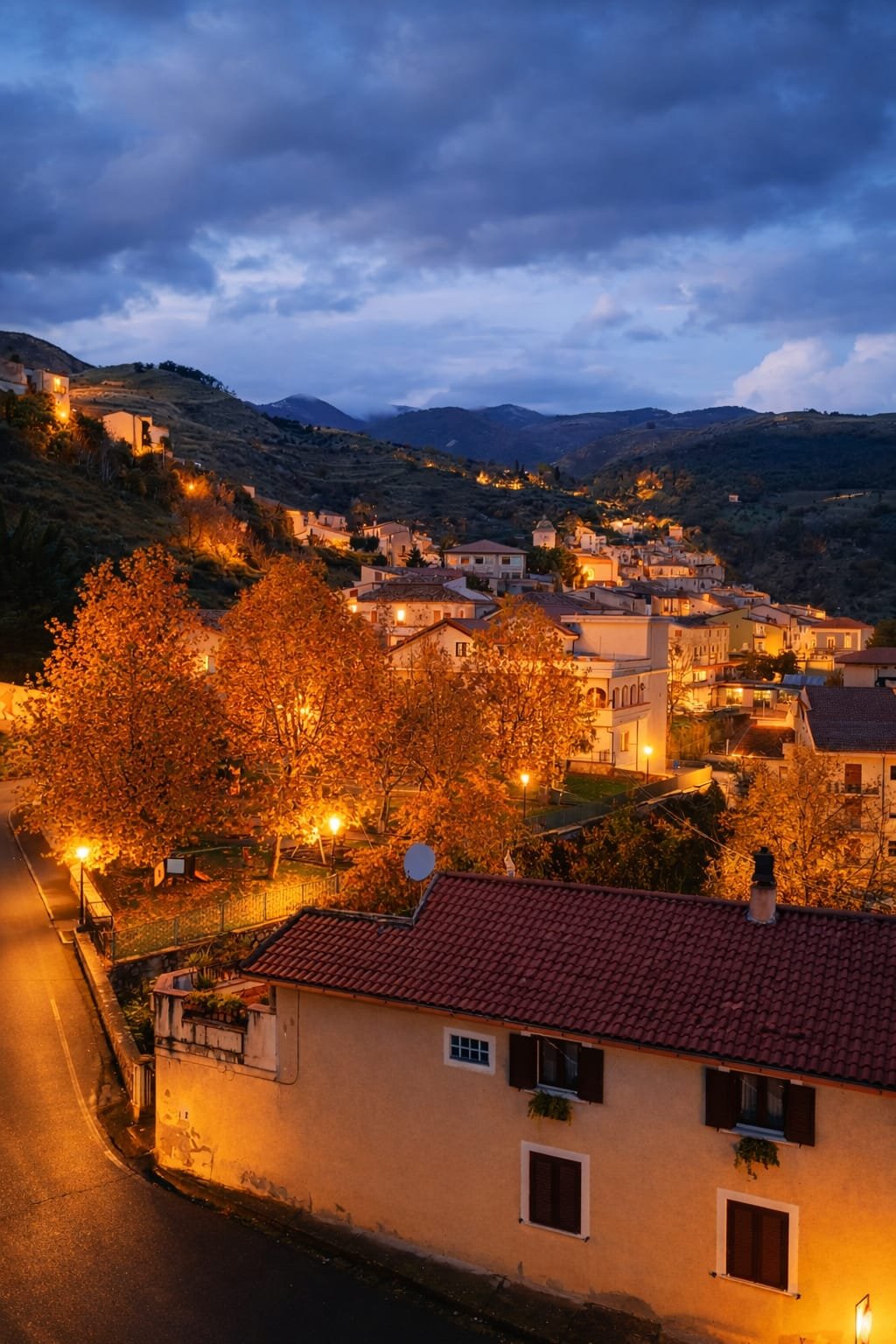
As the sun begins to set, the town transforms. The evening in Lungro is best spent in the local taverns where the aroma of grilled meats and homemade pasta fills the air. Dining here is an intimate affair. Look for a spot that serves "dromsat," a traditional pasta dish that highlights the unique culinary fusion of Albanian and Calabrian influences. Pair your meal with a glass of robust red wine from the nearby hills, and enjoy the cool mountain breeze as the town lights begin to twinkle against the dark silhouette of the Pollino mountains. It is a moment of pure peace, far removed from the hustle of modern life.
Day 2 — Excursions in the Surroundings: Peaks and Hidden Gems
On your second day, it is time to venture beyond the village limits. Lungro is perfectly positioned for exploring the Pollino National Park, the largest protected area in Italy. A short drive will bring you to the breathtaking landscapes of the massif. If you are an avid hiker, the trails leading to the Serra del Prete or the iconic "Pino Loricato" (Bosnian pine) forests are an absolute must. These ancient, twisted trees are the symbol of the park and offer some of the most dramatic photography opportunities in all of Southern Italy. Even a moderate hike will reward you with panoramic views that stretch all the way to the Ionian Sea on a clear day.
If you prefer a more cultural excursion, drive toward the nearby village of Civita. Known as the "Eagle’s Nest," Civita is another stunning Arbëreshë village perched on the edge of the Raganello Gorge. The sight of the deep canyon, carved by the river over millennia, is humbling. You can walk across the Devil’s Bridge (Ponte del Diavolo), a narrow stone structure that offers a dizzying view of the gorge below. The contrast between the rugged, wild nature of the canyon and the delicate, white-washed houses of the village makes it one of the most picturesque spots in the entire region.
For those who prefer a touch of the sea, the Ionian coast is easily reachable within an hour. Spend your late afternoon at the beaches of Sibari or Trebisacce. While the mountains are the soul of Lungro, the proximity to the Ionian Sea allows for a perfect balance. You can enjoy a refreshing swim in the crystal-clear waters, feeling the contrast between the high-altitude air of the morning and the salty, warm breeze of the coast. Returning to Lungro in the evening, you will appreciate the quiet solitude of the mountains even more, feeling refreshed by the diversity of the Calabrian landscape.
Day 3 — Sea, Nature, or Culture: Choose Your Adventure
For your final day, I have curated three distinct paths depending on your personal travel style. Option one is the "Nature Lover’s Path." Head back into the Pollino, but this time, focus on the Lao River. You can book a rafting or canyoning adventure through the river’s limestone canyons. It is an adrenaline-filled way to see the raw, untamed beauty of Calabria’s interior. The water is pristine, and the experience of navigating the rapids surrounded by sheer rock walls is something you will never forget.
Option two is the "History and Archaeology Path." Spend your day exploring the archaeological park of Sybaris. Once one of the wealthiest cities in the Magna Graecia, the site offers a fascinating look into the ancient Greek influence that shaped this land. The nearby museum houses incredible artifacts that bridge the gap between the ancient world and the present. It is a contemplative day, perfect for those who want to understand the complex layers of history that define Calabria beyond its natural beauty. You can easily find Lungro as your home base for these daily explorations.
Option three is the "Relaxation and Gastronomy Path." Dedicate your final day to the slow food movement. Visit a local farm in the foothills, participate in a cooking class to learn how to make traditional Calabrian pasta, and spend the afternoon tasting local olive oils and wines. This is the path for those who want to take home the flavors of the region. Visit the local markets, pick up some dried figs, chili peppers, and perhaps a bottle of local liqueur. By the time you leave, you won't just have seen the region; you will have tasted it and lived it.
Where to Eat During the Itinerary
Eating in Lungro is a journey into the past. For your first night, I highly recommend a visit to a local "trattoria" in the town center where the menu is dictated by the season. Expect to pay around 25-35 euros for a full, hearty meal. Look for dishes featuring "peperoni cruschi" (sun-dried, fried peppers) and local cheeses. If you are exploring the Pollino, stop at the mountain rifugios; they serve simple, high-quality food like polenta with wild mushrooms or locally cured sausages, perfect for refueling after a hike. Budget roughly 20 euros for these mountain lunches.
On your day trip to Civita, there are several small family-run restaurants that offer stunning views of the gorge. These spots are excellent for trying "shëtridhla," a traditional Arbëreshë pasta. For those exploring the coast, fresh seafood is the priority. Head to the seaside towns near the Sibari plain for a lunch of "pesce spada" (swordfish) caught fresh from the Ionian Sea. A seafood lunch with wine will typically cost between 30 and 45 euros per person. Remember, the best meals in Calabria are often found in the most unassuming places, so don't be afraid to ask locals for their favorite spot.
Where to Sleep
Staying in Lungro offers a unique opportunity to live like a local. The village is quiet, safe, and offers a level of authenticity that you simply cannot find in the crowded coastal resorts. By staying here, you support the local economy and have the advantage of cool mountain nights even during the height of the Calabrian summer. A central location allows you to step out of your door and be at the heart of the village's cultural life within minutes. A visit to Lungro is incomplete without staying in a traditional setting. At Lungro, there is 1 selected accommodation available. Discover the accommodations in Lungro.
How to Get There and Move Around
The best way to reach Lungro is by car, as it provides the freedom to explore the winding mountain roads of the Pollino at your own pace. If you are arriving by plane, Lamezia Terme (SUF) is the primary international airport in Calabria. From there, it is approximately a 1.5 to 2-hour drive to Lungro. If you prefer to travel by train, you can take a regional train to the station of Castrovillari or Sibari, but you will still need a rental car or a private transfer to reach the village, as public transport in the mountains can be infrequent. Always ensure your rental car is reliable, as the terrain in Northern Calabria can be steep and demanding.
Budget and Practical Tips
Calabria remains one of the most affordable regions in Italy. For a 3-day trip, a budget of 400-500 euros per person (excluding flights) is more than enough to enjoy high-quality dining, comfortable accommodation, and plenty of activities. When shopping, look for local olive oil, chili-infused honey, and artisanal ceramics. These make for authentic souvenirs that support local artisans. I highly recommend downloading the "Google Maps" app for navigation, as some of the smaller mountain roads might not be well-marked. Also, carry some cash, as smaller shops and mountain rifugios may not always accept credit cards. Finally, remember that the pace here is slow—embrace the "calabrese" way of life and you will have an incredible journey.