The Ultimate 3-Day Itinerary Drapia Calabria: A Hidden Gem of the Tyrrhenian Coast
Calabria is often described as the toe of Italy’s boot, a rugged, sun-drenched region that remains one of the country’s best-kept secrets. While most travelers flock to the famous beaches of Tropea, those in the know look toward the hills. This is where you find Drapia, a charming, authentic village that serves as the perfect base for your southern Italian adventure. An itinerary Drapia Calabria allows you to experience the perfect blend of Mediterranean mountain culture and the breathtaking beauty of the Costa degli Dei.
Choosing Drapia as your home base means waking up to the scent of wild rosemary and the sight of distant, shimmering blue waters. It is a place where time slows down, where the old men still sit in the piazza discussing the harvest, and where you are treated not just as a tourist, but as a guest. Over the next three days, you will uncover the soul of this region, moving from the quiet stone alleys of the village to the crystalline waters of the Tyrrhenian Sea.
Giorno 1 — Scopri Drapia: Morning, Afternoon, and Evening
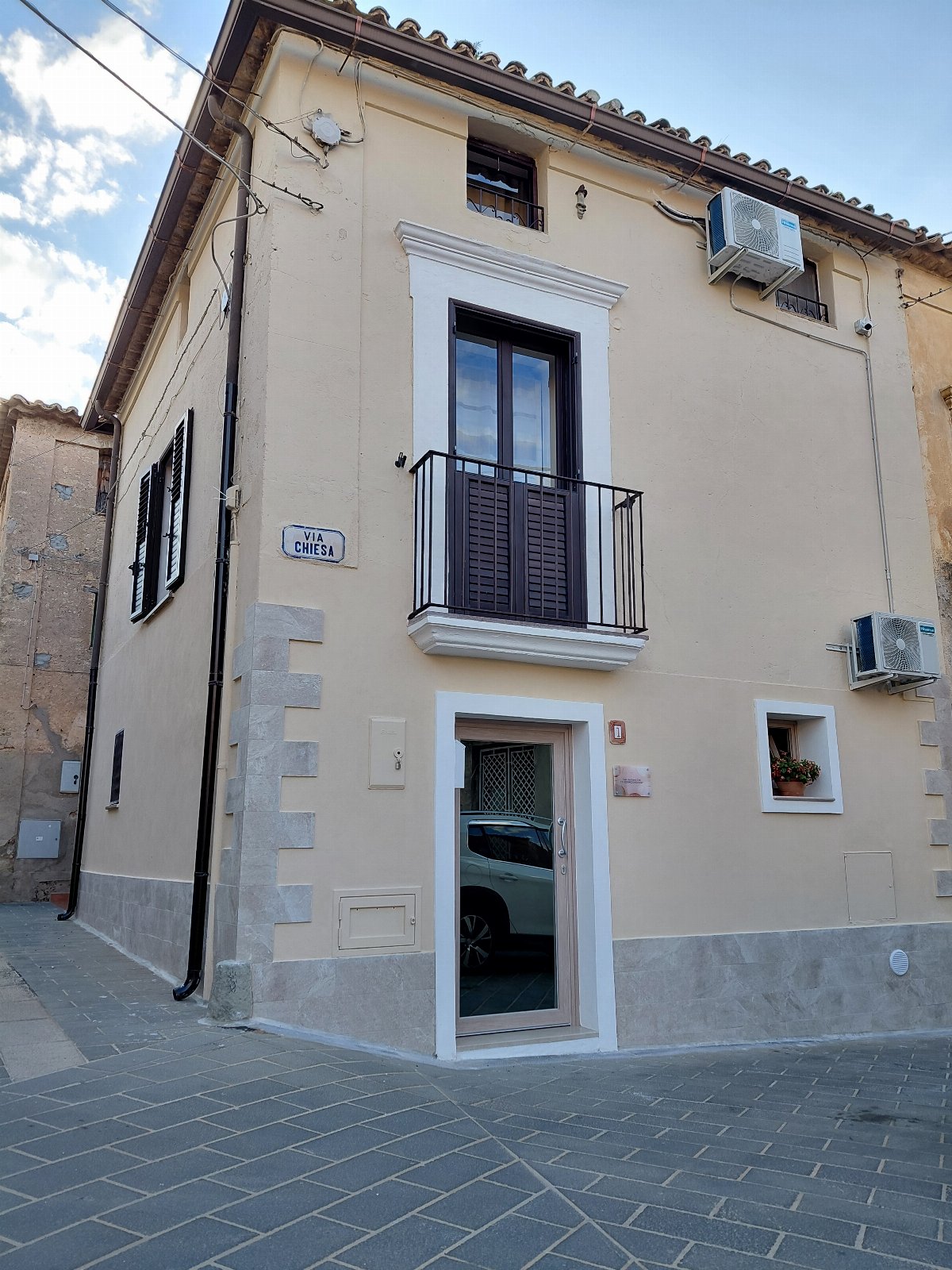
Start your first morning in Drapia by embracing the "dolce far niente"—the sweetness of doing nothing. Begin with a traditional Italian breakfast at a local bar in the center of the village. Order a freshly baked cornetto filled with local hazelnut cream and a robust espresso. As the morning mist lifts from the surrounding hills, take a slow walk through the historic center. Drapia is a place of narrow winding lanes, ancient stone portals, and hidden courtyards filled with lemon trees. It is a photographer's paradise, offering glimpses into a way of life that has remained unchanged for decades.
In the afternoon, immerse yourself in the local rhythm. Drapia is surrounded by lush agricultural land, famous for the red onions of Tropea and high-quality olive oil. Take a walk through the surrounding countryside, where you can find small artisan markets or local producers selling their goods directly from their farms. If you are lucky, you might find a local farmer willing to show you how they harvest the famous onions. The walk back toward the village center offers panoramic views of the valley, with the Mediterranean Sea acting as a brilliant backdrop to your exploration.
As the sun begins to set, the village transforms. The golden hour in Drapia is magical, painting the stone buildings in shades of amber and rose. For your first evening, seek out a local trattoria that serves "cucina povera"—the traditional, humble, yet incredibly flavorful cuisine of the region. Look for dishes featuring "fileja," a handmade pasta local to the Vibo Valentia area, typically served with a rich tomato sauce or a spicy meat ragù. After dinner, join the locals for a digestive stroll, or "passeggiata," through the piazza, capping off the night with a glass of local Cirò wine.
Giorno 2 — Escursioni nei dintorni: Exploring the Coast and Beyond
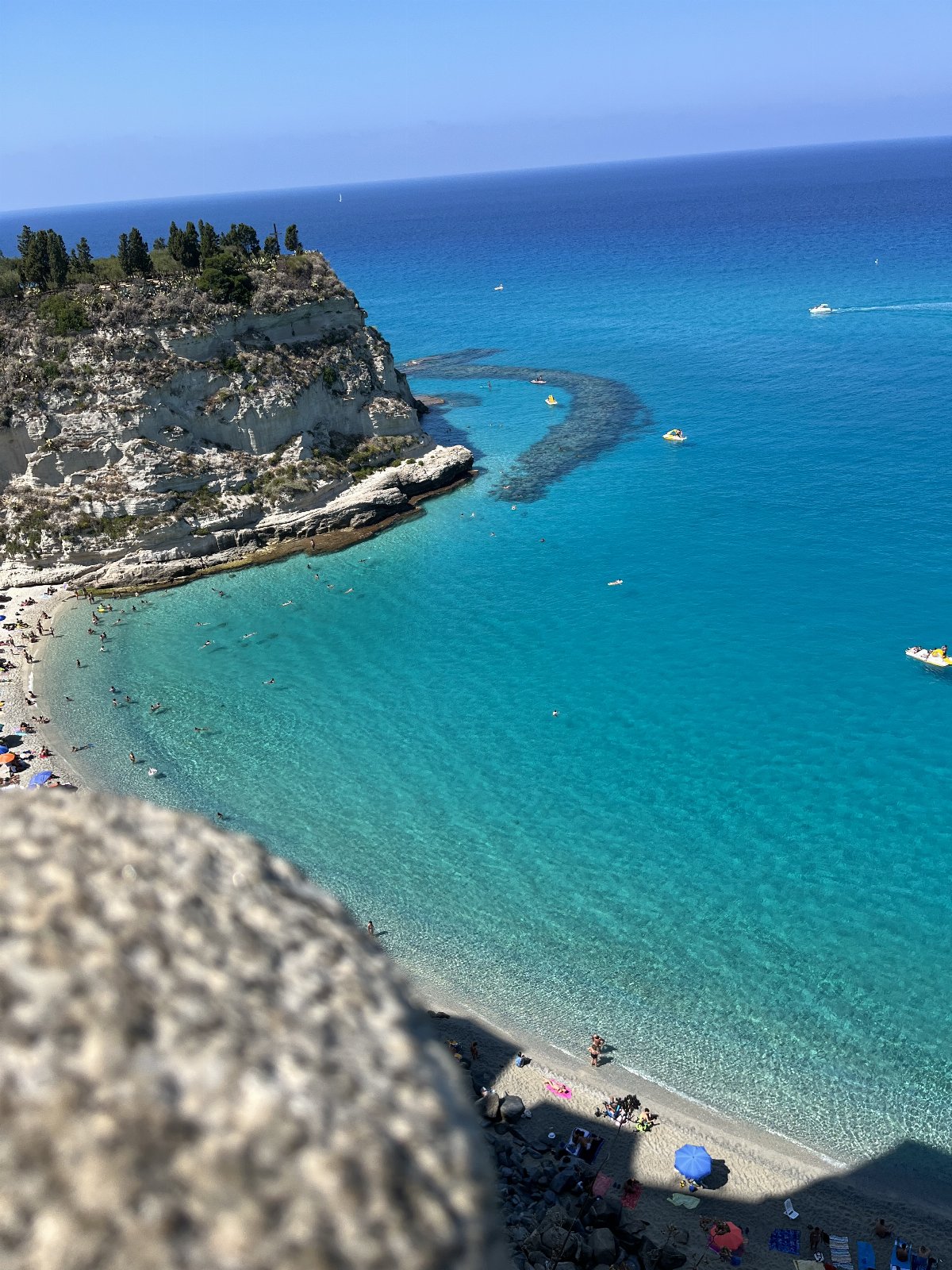
On your second day, it is time to venture out from the tranquility of your base. Just a short drive away lies Tropea, the jewel of the Tyrrhenian coast. Perched on a dramatic cliffside, this town offers a stark contrast to the quiet hills of Drapia. Spend your morning wandering through the maze of streets in the old town, visiting the Santa Maria dell'Isola monastery, which sits on a rock formation jutting out into the sea. The view from the top is one of the most iconic in all of Italy, offering a 360-degree perspective of the turquoise waters below.
After soaking in the culture of Tropea, head south toward Capo Vaticano. This headland is famous for its rugged cliffs and secluded coves, which offer some of the best snorkeling and swimming in the region. The water here is incredibly clear, teeming with marine life and hidden sea caves. Spend your afternoon relaxing on the beach at Grotticelle, where the sand is fine and white, and the sun reflects off the water with a brilliant, almost blinding intensity. It is the perfect place to recharge before heading back to the quiet comfort of your accommodation in Drapia.
For the late afternoon, consider visiting the nearby village of Parghelia, known for its dramatic coastline and quieter beaches compared to its neighbor, Tropea. As you drive back toward the hills in the evening, stop at one of the many viewpoints that overlook the Gulf of Lamezia. Watching the sunset from the hills above the sea is a spiritual experience, as the sky turns into a canvas of deep purples and oranges, signaling the end of a perfect day of exploration.
Giorno 3 — Mare, natura o cultura: Choose Your Adventure
For your final day, you have the freedom to choose your own path. If you are a sea lover, head back to the coast for a boat trip. Rent a small motorboat or join a guided excursion to the Aeolian Islands, which are visible from the coast on a clear day. Alternatively, explore the hidden coves of the Costa degli Dei that are only accessible by sea, where you can swim in complete isolation away from the main tourist beaches.
If you prefer nature, head into the Serre Regional Park. This mountainous area is a world away from the beaches, filled with dense forests of beech and fir trees, ancient monasteries like the Certosa di Serra San Bruno, and hidden waterfalls. The air is cool and crisp, providing a refreshing change of pace. It is the perfect place for a long hike, allowing you to connect with the wild, untamed spirit of the Calabrian interior before you head home.
Finally, for those interested in culture and history, spend your day in Vibo Valentia. Visit the Norman-Swabian Castle, which houses the State Archaeological Museum "Capialbi." The collection features artifacts from the ancient Greek colony of Hipponion, providing deep insight into the complex history of the region. Afterward, explore the historic center with its elegant noble palaces and baroque churches, ending your trip with a deep appreciation for the layers of history that define modern Calabria.
Dove mangiare durante l'itinerario
Eating in this part of Calabria is an experience that revolves around local, seasonal ingredients. For your first night in Drapia, look for family-run establishments where the menu is written on a chalkboard. Expect to pay between 25 and 40 euros per person for a full meal. In Tropea, try "Pizzeria da Mimmo" for authentic pizza, or "Al Pinturicchio" for a more refined seafood experience. Always ask for the local red onion specialties—the "cipolla rossa di Tropea" is sweet, versatile, and found in everything from pasta sauces to jams.
For a unique lunch experience, seek out a "agriturismo" in the countryside surrounding Drapia. These farm-to-table restaurants offer fixed-price menus that include antipasti of local cheeses, cured meats, homemade bread, and fresh vegetables from the garden. The budget here is very friendly, often around 30 euros for a massive, multi-course feast that will keep you full until the following morning. Always pair your meal with a local Calabrian wine, such as a bold Gaglioppo red.
Dove dormire
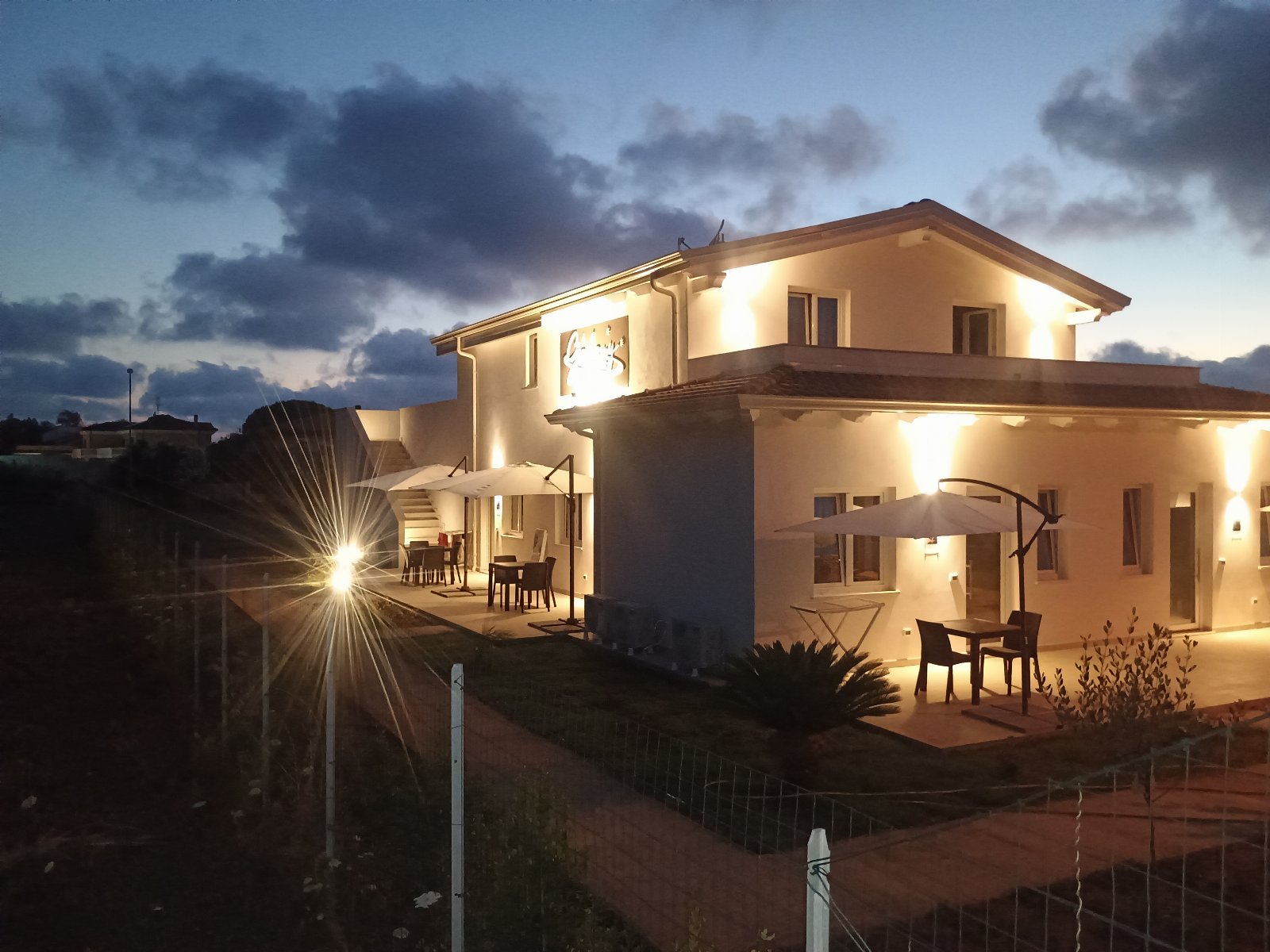
Choosing where to stay is the most important decision for your trip. While the coast is beautiful, the hills provide a much-needed respite from the summer heat and the crowds. Drapia is the ideal choice for those who value peace, authenticity, and proximity to nature. A Drapia sono disponibili 1 alloggi selezionati. Scopri gli alloggi a Drapia. By staying in the village, you support the local economy directly and get to experience the true, slow-paced life of a Calabrian resident.
Come arrivare e muoversi
The most convenient way to reach Drapia is by flying into Lamezia Terme International Airport (SUF), which is about an hour's drive away. From the airport, the best option is to rent a car, as public transport in the rural areas of Calabria can be infrequent. A car gives you the freedom to explore the hidden coves and mountain villages at your own pace. If you prefer to travel by train, you can take the regional line to Tropea or Ricadi and then arrange for a local transfer or taxi to reach your accommodation in Drapia.
Budget e consigli pratici
Calabria is generally more affordable than the northern regions of Italy. A budget of 80-120 euros per day is sufficient for a comfortable experience, including accommodation, meals, and activities. When shopping, be sure to buy local products like "nduja" (a spicy spreadable salami) and extra virgin olive oil as souvenirs. Download apps like Google Maps for navigation and "TheFork" to check restaurant availability. Remember that in the smaller villages, many shops close during the afternoon for a traditional siesta, so plan your shopping accordingly!