The Ultimate Guide: What to see in Drapia, Calabria
Nestled in the rolling hills of the Vibo Valentia province, Drapia is a hidden gem of the Calabrian hinterland. While most tourists flock to the nearby coastline of Tropea, Drapia offers a sophisticated alternative: a journey through time, authentic traditions, and breathtaking landscapes. Known for its agricultural richness and its peaceful atmosphere, this village provides a unique perspective on the "real" Calabria, far from the madding crowds of the major seaside resorts. Whether you are a history buff, a nature lover, or a traveler seeking the slow pace of Mediterranean life, Drapia has something to offer.
Visiting Drapia means immersing yourself in a landscape where time seems to have slowed down. The village is composed of several hamlets, each with its own character and charm, such as Gasponi and Brattirò. As you walk through the narrow alleys, you will notice the scent of wild rosemary and the sound of church bells echoing against the hills. This guide will help you navigate the best experiences in the area, ensuring you make the most of your trip to this enchanting corner of Southern Italy.
The Main Attractions: 5 Unmissable Sights in Drapia
First on your list should be the historic center of Drapia. The village itself is an architectural treasure, characterized by stone houses and ancient portals that tell the story of a feudal past. Walking through the center, you can admire the craftsmanship of local stonecutters. There is no specific entrance fee as it is an open-air historical site, and it is best visited in the early morning or late afternoon when the light hits the stone facades perfectly.
Second, visit the hamlet of Brattirò. Famous for its viticulture, this small village is the heart of Drapia’s wine production. The local vineyards are a testament to the hard work of the farmers who have maintained these traditions for generations. Do not miss the opportunity to visit a local cellar to taste the authentic Zibibbo or local red wines. It is a cultural experience that brings you closer to the identity of the Calabrian people.
Third, explore the Viewpoint of the Poro Plateau. Located just a short drive from the center, this area offers a panoramic view that stretches from the Tyrrhenian Sea to the Aeolian Islands on clear days. It is the perfect spot for photographers and nature enthusiasts. There is no cost to access these natural terraces, and they are accessible 24/7. We recommend visiting during the "golden hour" to witness one of the most beautiful sunsets in all of Italy.
Fourth, take a walk through the traditional olive groves that surround the village. The landscape of Drapia is dominated by ancient olive trees, some of which are hundreds of years old. A guided walk through these groves provides insight into the agricultural history of the region. Many local farms offer tours that include an explanation of the olive oil production process and a tasting session. This is a must-do for foodies looking to connect with the source of their ingredients.
Fifth, visit the Church of San Pietro Apostolo. This religious site is the spiritual heart of the community. Inside, you will find beautiful statues and altars that reflect the local devotion. The church is generally open during service hours, and it is free to enter, though a small donation to support the maintenance of the structure is always appreciated. It is a quiet place for reflection and a great example of the religious architecture typical of the Vibo Valentia hinterland.
Museums and Cultural Sites
Drapia is home to several small but significant cultural treasures that preserve the memory of its rural past. While there isn't a massive museum complex, the local Ethnographic collections found in private or community-run spaces are fascinating. These collections showcase traditional tools, antique clothing, and items related to the daily lives of the local peasantry. You can learn about the history of the village by visiting these small exhibitions, which often require an appointment with local community leaders or cultural associations.
For those interested in archaeology, the proximity to the coast means that the area is part of a larger historical context influenced by the Greeks and Romans. While Drapia is a medieval-era village, the surrounding territory has seen human presence since prehistoric times. To reach these sites, we recommend renting a car, as public transport can be infrequent. The journey itself through the winding roads of the Poro plateau is part of the cultural experience, offering stunning vistas of the Mediterranean scrub.
If you are looking for a more formal museum experience, the Diocesan Museum in Tropea is only a 15-minute drive away. It houses a vast array of religious artifacts, manuscripts, and art pieces that provide context to the entire region. Many visitors choose to stay in Drapia to enjoy the tranquility while having easy access to these cultural hubs. Always check the seasonal opening times, as they tend to vary during the summer months.
Churches and Historic Monuments
The architecture of Drapia is defined by its religious buildings and its defensive structures. The Church of the Madonna del Carmine is another architectural highlight, known for its simple yet elegant facade and its role in local festivals. These churches are not just places of worship but are the centers of social life, where the community gathers for feasts and celebrations that have remained unchanged for decades. The interiors are often decorated with local artistry, reflecting the devotion of the villagers.
Regarding defensive architecture, while Drapia is inland, it was historically connected to the coastal watchtowers built to defend against pirate raids. Exploring the outskirts of the village, you can find remnants of ancient stone walls and towers that were once part of a larger defensive network. These monuments are silent witnesses to the turbulent history of the Tyrrhenian coast. For those interested in historical architecture, walking the paths between Drapia and the neighboring hills reveals many forgotten stone structures.
The local houses themselves are a monument to the past. Many feature "portali in granito," or granite portals, carved by local masters. These doorways are a distinctive feature of the region's architecture and are best appreciated by simply walking through the old town. If you need a base to explore these treasures, consider Drapia as your primary destination for an authentic stay.
Nature and Natural Parks
Nature in Drapia is characterized by the Poro Plateau, a unique geological formation that separates the coastal plains from the hinterland. This area is perfect for trekking and mountain biking. The trails are well-marked and offer a mix of forest paths, open meadows, and agricultural land. Unlike the crowded beaches, these trails offer complete silence and a chance to spot local wildlife, including various species of birds of prey that soar above the plateau.
The fiumare (seasonal riverbeds) that cut through the landscape are also worth exploring. During the spring, these areas are lush with wildflowers and lush vegetation, providing a refreshing escape from the summer heat. While the Parco Nazionale della Sila is a bit further away, the Poro area offers a "miniature" version of the Calabrian wilderness. It is an ideal environment for those who love outdoor photography and botanical exploration.
Whether you are an expert hiker or just want a casual stroll, the nature surrounding Drapia is accessible to everyone. Always bring plenty of water and wear appropriate footwear, especially if you plan to venture into the deeper parts of the valleys. For those who prioritize nature in their holiday, choosing Drapia as a home base allows for daily excursions into the wild heart of the region.
Itinerary in a Day: 8 Hours in Drapia
Start your morning at 9:00 AM with a traditional breakfast in the village square, enjoying local pastries and a strong espresso. Spend the rest of the morning until 11:30 AM wandering through the historic center, focusing on the granite portals and the Church of San Pietro. At noon, head to a local trattoria in Brattirò to sample authentic "fileja" pasta with local ragù or fresh vegetables sourced from the plateau.
After lunch, spend the early afternoon (2:00 PM – 4:30 PM) exploring the Poro plateau, either by car or on foot, to enjoy the panoramic views. Use this time to visit one of the local olive oil producers for a tour and tasting. By 5:00 PM, head towards the coast for a quick visit to the nearby beaches or enjoy a scenic drive back to the hills. Finish your day at 7:00 PM with an aperitivo in the center of Drapia, sipping a glass of local wine as the sun sets over the Mediterranean.
What to See Nearby
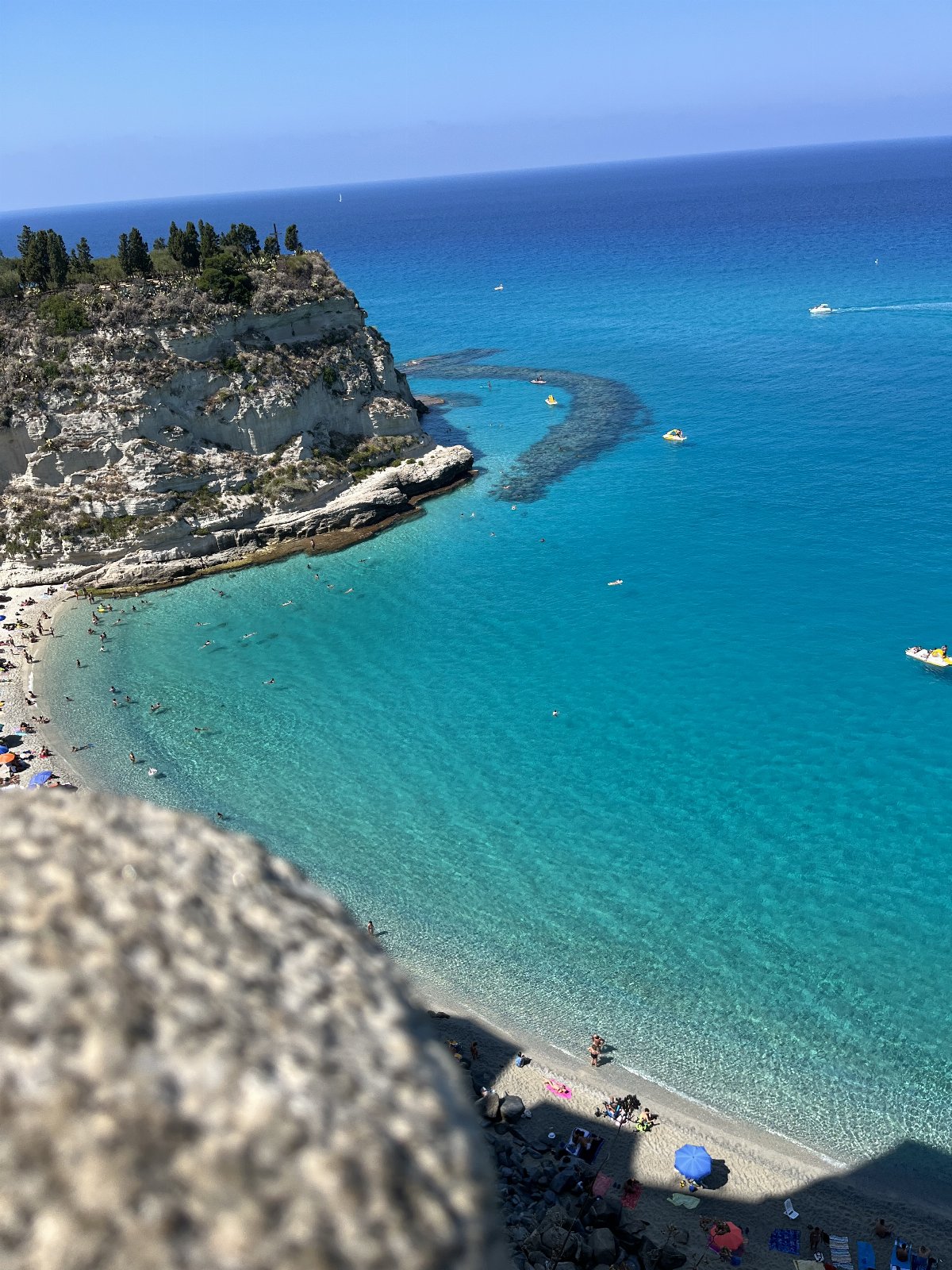
Within a 30 to 60-minute drive, you can reach some of the most iconic spots in Calabria. Tropea, the "Pearl of the Tyrrhenian," is only 15 minutes away and is a must-see for its dramatic cliffside location and the Sanctuary of Santa Maria dell'Isola. Capo Vaticano, located about 20 minutes away, offers some of the most beautiful beaches in the world, famous for their crystal-clear turquoise waters and granite cliffs.
If you have more time, head to Vibo Valentia to visit the Norman-Swabian Castle and the archaeological museum, which houses significant artifacts from the Magna Graecia period. For those who love small, authentic villages, the town of Pizzo Calabro is also within reach, famous for its "Tartufo" ice cream and the unique Chiesetta di Piedigrotta, a church carved directly into the rock face by the sea.
Where to Stay to Visit Drapia
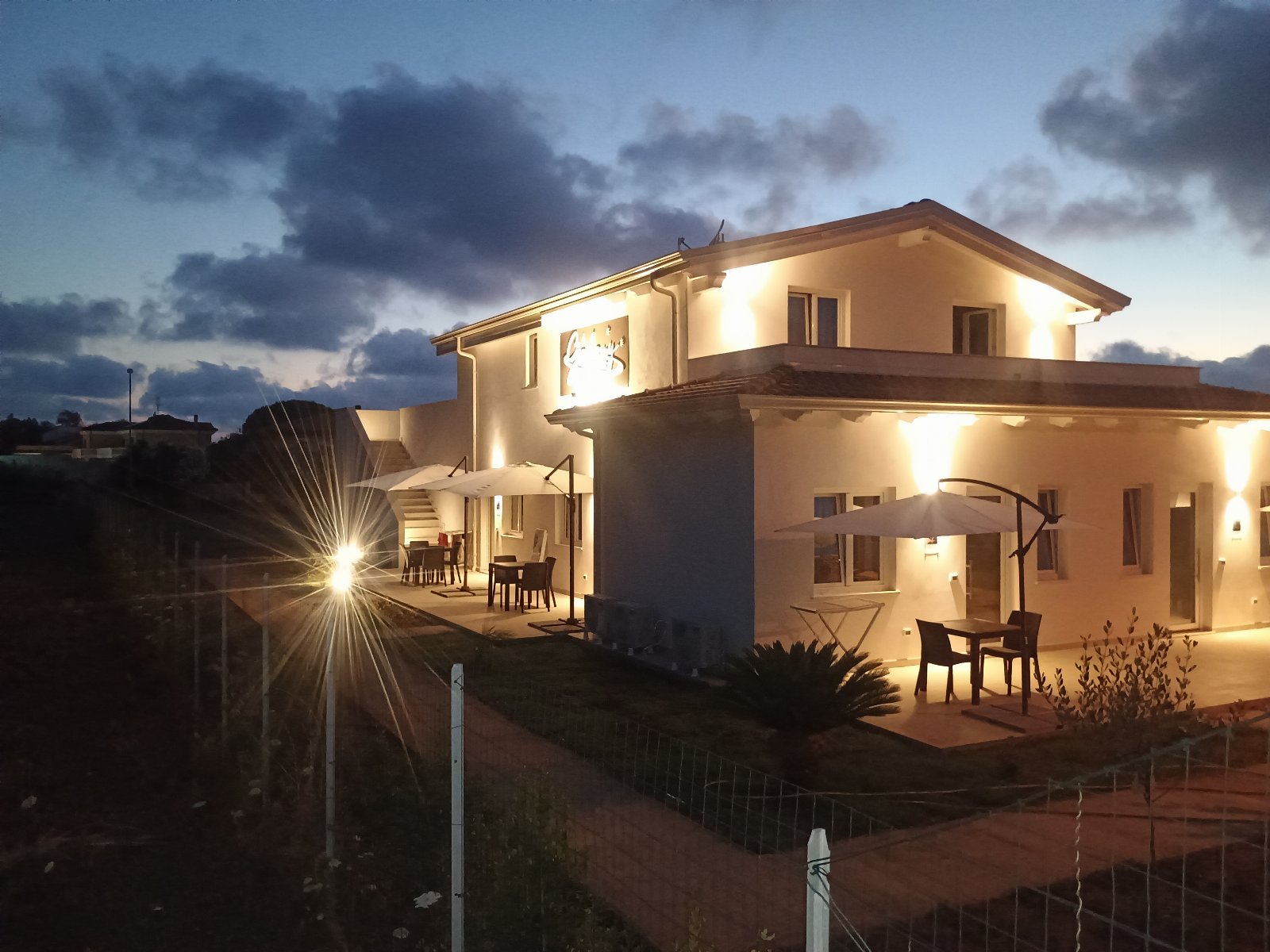
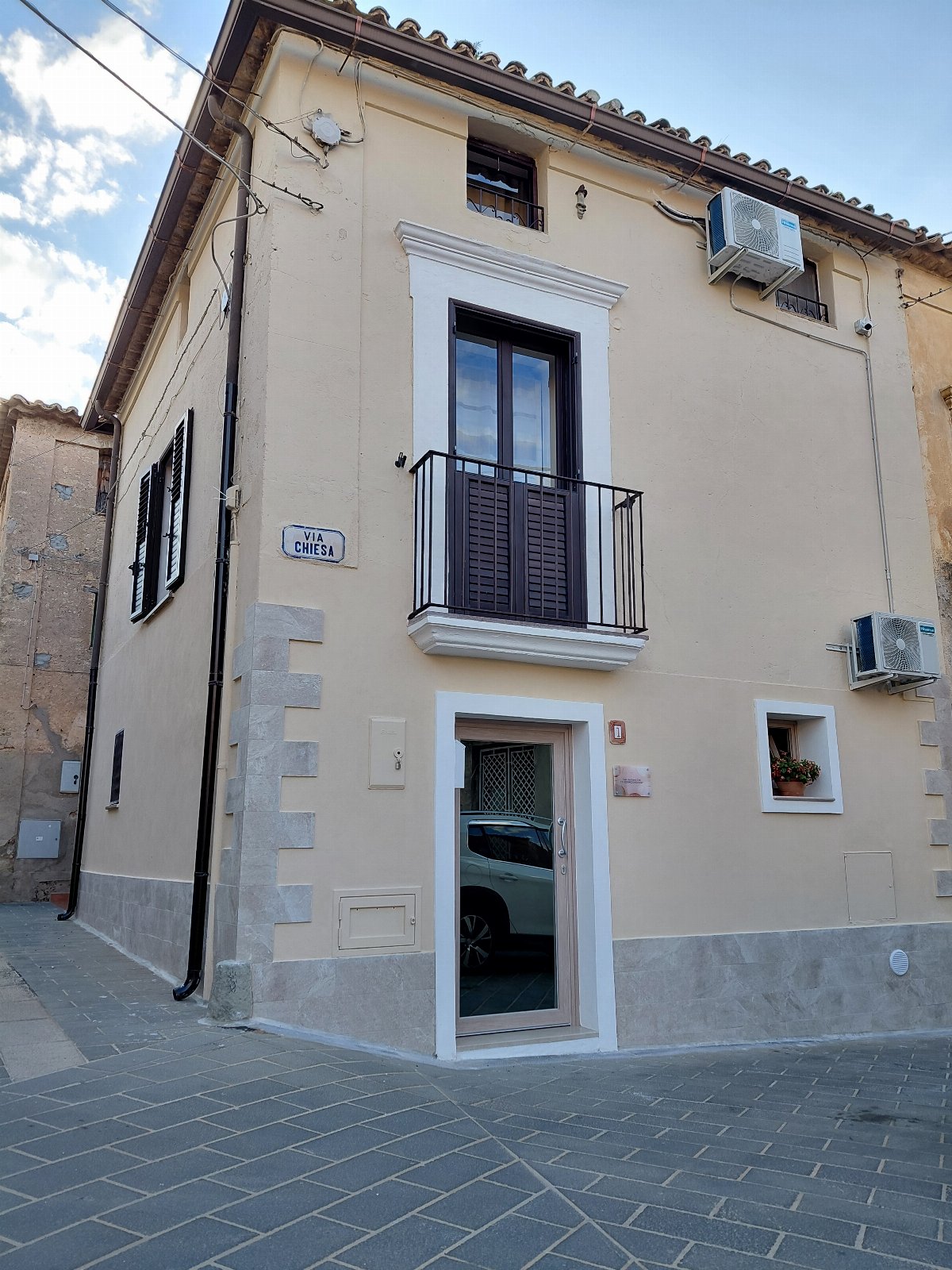
Staying in Drapia allows you to experience the authentic Calabrian lifestyle while remaining close to the major tourist hubs. The atmosphere is quiet, the air is fresh, and you will wake up to the sound of nature rather than traffic. A Drapia are available 1 selected accommodation. Discover accommodations in Drapia.