Pietrapaola Calabria: A Hidden Gem Between Mountains and the Ionian Sea
Why Visit Pietrapaola: History, Atmosphere, and Character
Perched majestically on the hills overlooking the Ionian coast, Pietrapaola is a quintessential Calabrian village that feels as though it has been frozen in time. Unlike the bustling tourist hubs of the Mediterranean, this village offers a rare, authentic glimpse into the soul of Italy. The town is divided into two distinct parts: the ancient medieval village (Pietrapaola Centro) sitting high on a rocky outcrop, and the marina (Pietrapaola Mare) that stretches along the pristine coastline. The atmosphere here is one of profound tranquility, where the pace of life slows down to match the gentle rustle of olive trees and the distant roar of the sea.
The history of Pietrapaola is deeply rooted in the Byzantine era, with its name likely derived from the Greek "Petra" (stone) and "Paola." Throughout the centuries, the village served as a strategic defensive point, protecting the local population from pirate raids and invasions. Walking through the narrow, winding alleys of the historic center, you can still feel the weight of this past. The stone houses, tightly packed together, seem to cling to the mountain, creating a labyrinth that rewards the curious traveler with hidden courtyards, ancient doorways, and panoramic views that stretch all the way to the horizon on a clear day.
What truly sets Pietrapaola apart is its character—a blend of rugged mountain resilience and seaside hospitality. It is a place where the locals still greet strangers with a smile, where the scent of wood-fired bread wafts through the streets in the early morning, and where the sunset colors the sky in shades of violet and gold. Whether you are a history buff looking for medieval ruins or a traveler seeking a quiet escape from the modern world, Pietrapaola offers an experience that is both grounding and deeply memorable.
What to See in Pietrapaola: A Journey Through Time
The crown jewel of the village is undoubtedly the Castle of Pietrapaola. While much of the structure has been reshaped by time and seismic activity, the ruins remain an evocative testament to the town's feudal past. Standing atop the highest point of the village, the castle grounds offer a 360-degree view of the surrounding valley and the Ionian Sea. It is the perfect spot for photography enthusiasts, especially during the golden hour when the stone walls glow against the backdrop of the rugged Calabrian hills.
Another essential stop is the Mother Church (Chiesa Matrice), dedicated to the patron saint of the village. This structure is a beautiful example of traditional Calabrian ecclesiastical architecture, featuring a modest facade that hides a rich interior decorated with historical paintings and wooden sculptures. The church has served as the spiritual heart of the community for centuries, and it remains a place of quiet reflection for both locals and visitors. The square in front of the church is also the main social hub of the village, where you can watch the elderly residents discuss the day's events under the shade of ancient trees.
For those who love nature-integrated history, the area surrounding the village is dotted with "Grotta" sites—natural caves that were historically used as shelters or primitive hermitages by monks fleeing persecution during the Byzantine period. Exploring these caves requires a bit of a hike, but the sense of discovery is unmatched. It allows you to step back into a time when faith and survival were inextricably linked to the landscape. If you are planning to stay in the area, consider looking for accommodation in Pietrapaola to have enough time to explore these hidden gems at your own pace.
Finally, don't miss the "Pietra del Castello" itself—the massive rock formation from which the town takes its name. This geological feature is not just a landmark but a symbol of the town's enduring spirit. It dominates the landscape and provides a dramatic contrast to the softness of the surrounding olive groves. Walking the perimeter of the historic center, you can see how the architecture has adapted to the rock, with many homes carved directly into the stone, showcasing the ingenious engineering of the past.
The Beaches and Nature Around Pietrapaola
The coastline of Pietrapaola is a pristine stretch of the Ionian Sea, characterized by wide beaches of fine sand and crystalline, turquoise waters. Unlike the crowded beaches of the northern Italian regions, the shores here remain peaceful, even in the height of summer. The beach at Pietrapaola Mare is ideal for families, couples, and solo travelers alike, offering plenty of space to set up a towel and enjoy the Mediterranean sun. The water is exceptionally clean, making it a paradise for snorkeling and swimming.
Beyond the beach, the hinterland of Pietrapaola is a playground for nature lovers. The Sila National Park is within driving distance, offering a completely different ecosystem. Here, you can transition from the warm, salty air of the coast to the cool, fragrant pine forests of the mountains. Hiking, mountain biking, and bird watching are popular activities in the foothills, where the landscape is a tapestry of Mediterranean scrub, oak forests, and wild orchards. The biodiversity of this region is staggering, and you might even spot local wildlife if you venture out early in the morning.
If you are looking to immerse yourself in the natural beauty of the region, there are several trekking paths that lead from the village down toward the sea. These trails pass through ancient olive groves that have been cultivated for generations. Many of these trees are centuries old, with gnarled trunks that look like works of abstract art. Walking through these groves provides a sensory experience like no other, especially in autumn when the harvest season begins and the air is filled with the scent of freshly pressed olives.
Cuisine and Traditions of Pietrapaola
Calabrian cuisine is famous for its bold flavors, and Pietrapaola is no exception. The culinary tradition here is based on the concept of "cucina povera," which uses fresh, seasonal, and locally sourced ingredients to create dishes that are rich in taste. A staple of the local diet is the "peperoncino" (chili pepper), which is used in almost everything, from pasta sauces to cured meats. If you are a fan of spicy food, you will feel right at home here.
When dining in the village, look for dishes featuring "fileja," a traditional handmade pasta that is typically served with a hearty meat ragù or a simple tomato sauce with local ricotta. Another must-try is the local "soppressata" and "capocollo," two types of cured pork that are staples of any Calabrian antipasto. For those with a sweet tooth, the local bakeries offer "pitta 'mpigliata," a delicious pastry filled with walnuts, raisins, honey, and cinnamon, traditionally prepared during the holiday season but available throughout the year in many family-run shops.
To truly experience the local food culture, try to visit during one of the town's many sagre (food festivals). These events are a celebration of local produce, such as olives, figs, or grapes. You will find tables set up in the streets, with locals sharing their homemade wine and traditional recipes. It is the best way to connect with the community and discover the authentic taste of Calabria. If you need a base for your culinary adventures, you can find charming places to stay in Pietrapaola that are close to the best local trattorias.
Where to Sleep in Pietrapaola
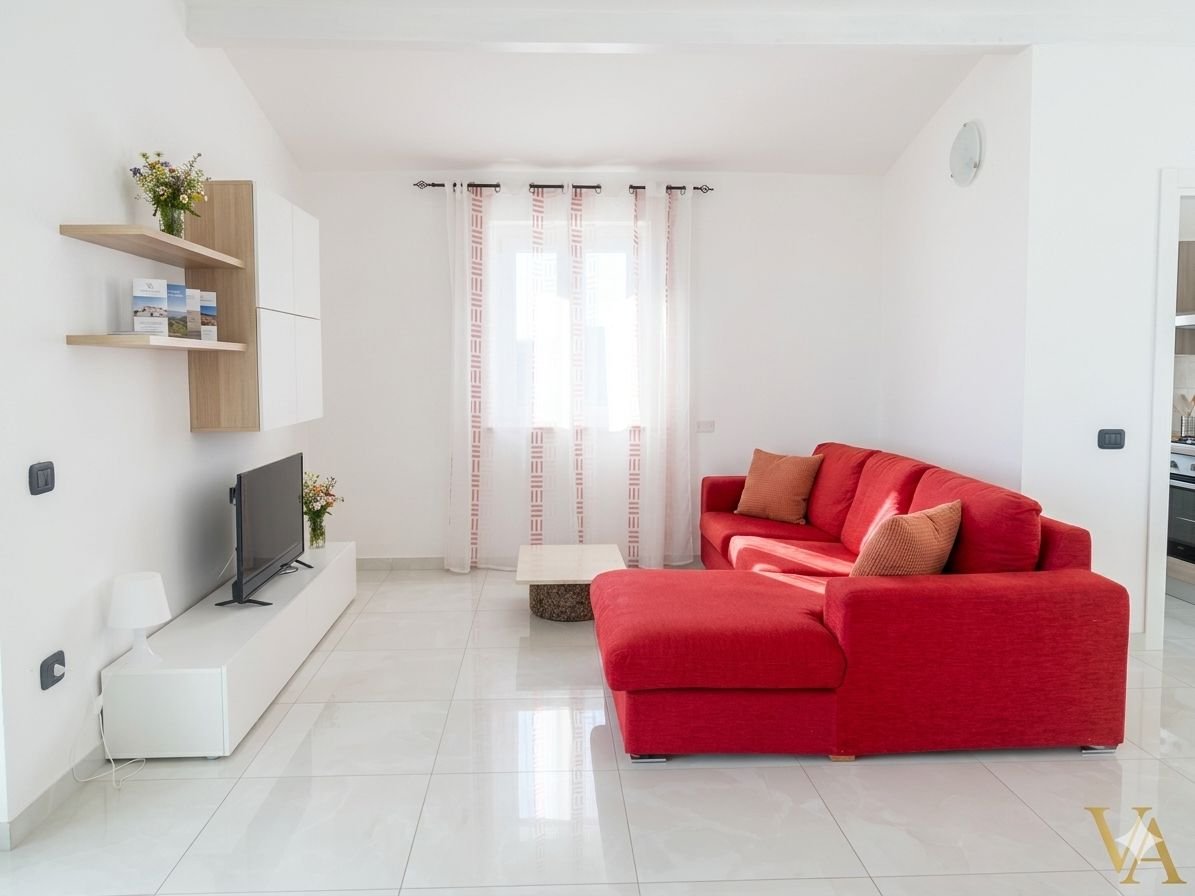
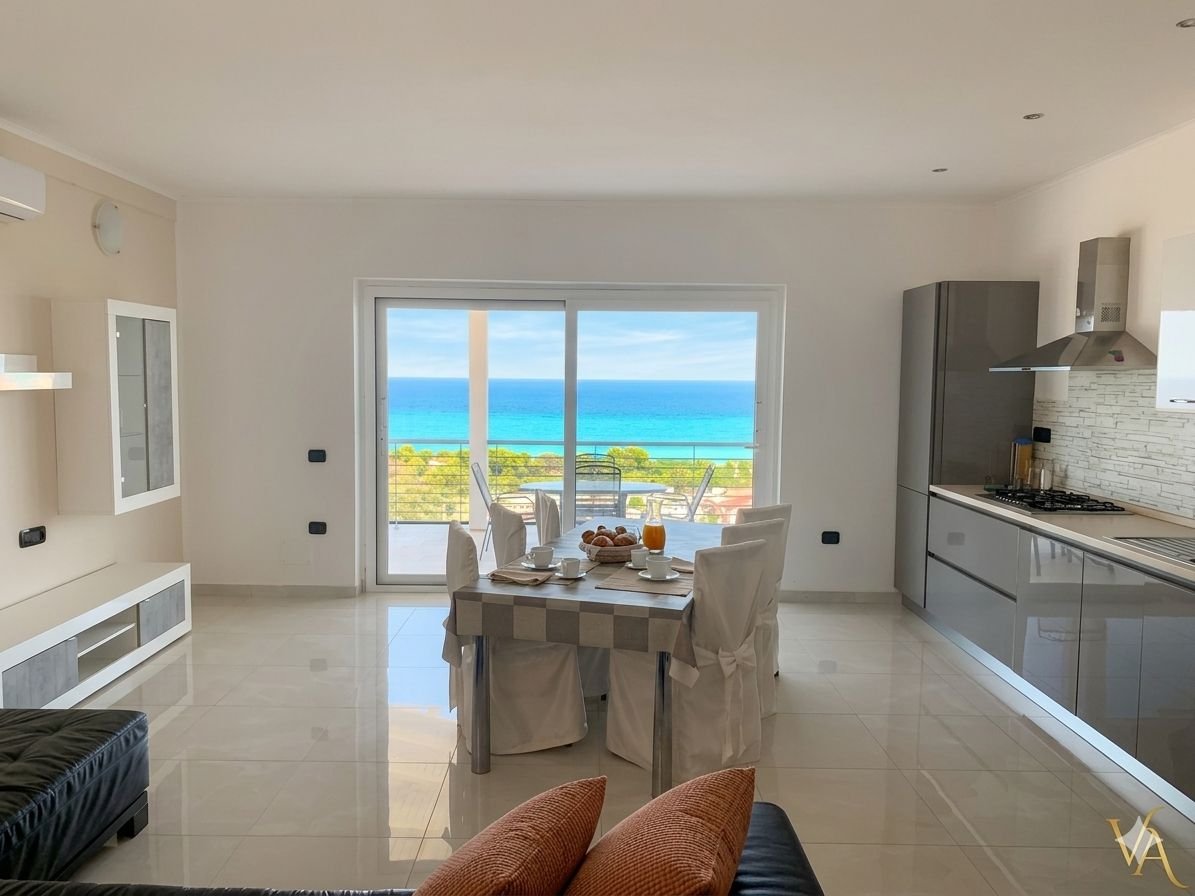
Finding the right accommodation is key to enjoying the relaxed vibe of this village. Because Pietrapaola is not a mass-tourism destination, the lodging options are mostly intimate, family-run guesthouses, bed and breakfasts, or restored historic homes. This makes for a much more personal experience compared to large hotel chains. Staying in the upper village allows you to wake up to stunning mountain views and the sound of church bells, while staying in the marina area puts you just steps away from the beach.
Most visitors prefer to rent a small apartment or a room in a converted stone house to fully embrace the village lifestyle. Many of these properties have been renovated with modern comforts while retaining their original charm, such as exposed stone walls and wooden beams. A great way to start your search is by checking online resources that specialize in local hospitality. A Pietrapaola sono disponibili 2 alloggi selezionati. Scopri gli alloggi a Pietrapaola for a list of vetted options that will ensure a comfortable and authentic stay.
How to Get There and Move Around
Reaching Pietrapaola is part of the adventure. The closest major airport is Lamezia Terme (SUF), which is well-connected to major European cities. From the airport, the most convenient way to reach the village is by renting a car, which gives you the freedom to explore the surrounding coastline and the interior mountains at your own pace. The drive from Lamezia Terme takes approximately two hours, offering beautiful views of the Calabrian landscape along the way.
If you prefer public transport, you can take a train to the station of Rossano or Cariati, and then proceed by local bus or taxi. However, keep in mind that public transportation in rural Calabria can be infrequent, so planning your connections ahead of time is essential. Once you arrive in Pietrapaola, the best way to get around the village is on foot, as the streets are narrow and often steep. For exploring the nearby beaches or the countryside, having your own vehicle is highly recommended.
When to Go: Climate and Seasons
The best time to visit Pietrapaola depends on what you are looking for. If you are a beach lover, the months of June through September offer the best weather, with long, sunny days and warm sea temperatures. July and August are the busiest months, so if you prefer a quieter experience, try visiting in June or September, when the weather is still beautiful but the crowds have dissipated.
For those interested in hiking and exploring the cultural history of the village, spring (April and May) and autumn (October and November) are ideal. During these months, the temperatures are mild, and the landscape is incredibly vibrant—either covered in wildflowers or painted in the warm tones of fall. Additionally, if you are interested in local traditions, try to time your visit with one of the religious festivals or food sagre that take place throughout the year, which offer a unique window into the local culture.