Lungro, Calabria: Discover the Heart of Arbëreshë Culture and Mountain Beauty
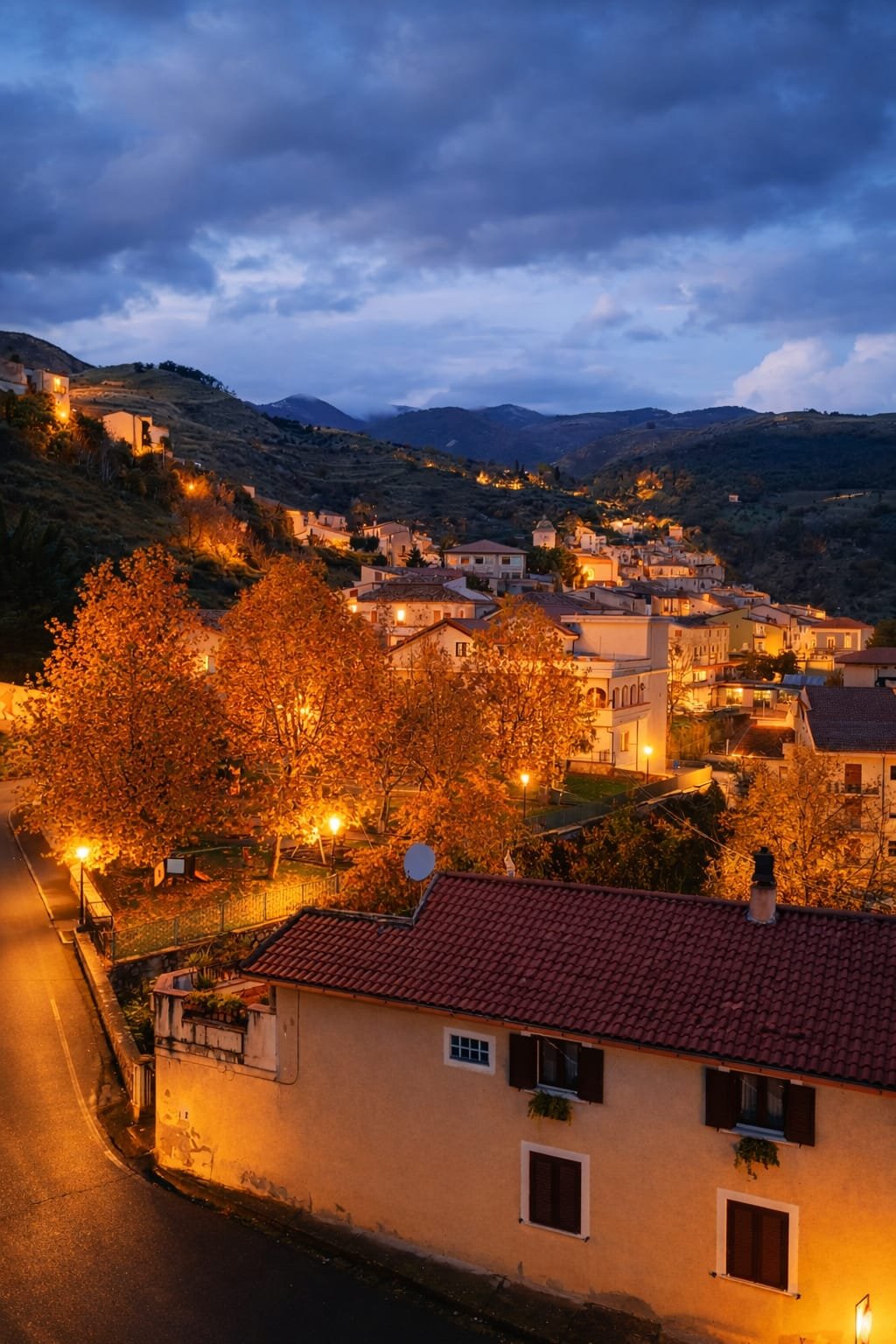
Nestled high in the Pollino National Park, Lungro is a hidden gem that offers far more than just a scenic mountain escape. Known as the capital of the Arbëreshë people in Calabria, this town is a living museum of Albanian history, language, and traditions that have been meticulously preserved for over five centuries. Visiting Lungro means stepping into a world where the Mediterranean warmth of Southern Italy meets the resilient, proud spirit of the Balkan diaspora. If you are seeking an authentic experience far from the crowded coastal resorts, Lungro provides an immersive journey into the soul of the Calabrian highlands.
The atmosphere in Lungro is distinct from any other town in the region. As you walk through its narrow, winding alleys, you will hear the melodic sounds of the Arbëreshë language—a unique dialect of Albanian—still spoken by the locals. The architecture, the religious iconography, and the vibrant local festivals create an enchanting backdrop for travelers who value cultural depth over mass tourism. Whether you are a history buff, a hiker, or a culinary enthusiast looking for something entirely new, Lungro promises a profound and unforgettable connection to the heritage of Southern Italy.
Why Visit Lungro: A Unique Arbëreshë Heritage
The history of Lungro is deeply intertwined with the migration of Albanians who fled the Ottoman conquest in the 15th century. Arriving in Calabria, these refugees established communities that maintained their distinct cultural identity, religious rites, and linguistic roots. Lungro serves as the spiritual and cultural epicenter of these communities. The town is the seat of the Eparchy of Lungro, the diocese for the Italo-Albanian Catholic Church. This means that when you walk through the town, you are not just visiting a typical Italian village; you are experiencing a place where the Byzantine rite is celebrated with ancient chants and rituals that date back to the Eastern tradition.
Beyond its religious and historical significance, Lungro possesses a rugged, mountain character defined by the surrounding Pollino massif. The town’s history is also tied to its industrial past, specifically the salt mines that once made Lungro a prosperous economic hub in the 19th century. This mix of high-altitude resilience, ecclesiastical importance, and industrial heritage gives Lungro a complex, layered personality. It is a place for those who appreciate the silence of the mountains, the weight of history, and the warmth of a community that has successfully kept its ancestral traditions alive for over 500 years.
What to See in Lungro: Unmissable Landmarks
The Cathedral of San Nicola di Mira is undoubtedly the most significant landmark in the town. As the mother church of the Eparchy, it is a stunning example of Byzantine architecture and art. Inside, visitors are greeted by magnificent mosaics and icons that reflect the Eastern Christian tradition, far removed from the typical baroque style found elsewhere in Calabria. It is a place of profound silence and beauty, where the liturgy is still conducted in Greek and Albanian, offering a sensory experience unlike any other in Western Europe.
Another essential stop is the Museum of Salt, or Museo del Sale. Lungro was famous for its salt mines, which were the largest in Southern Italy during the Bourbon era. The museum offers a fascinating look into the lives of the miners and the industrial history of the region. Through old photographs, mining tools, and detailed exhibits, you can understand how salt extraction shaped the local economy and society. Exploring the Lungro area is best when you pair your cultural visits with local insights, ensuring you don't miss the smaller details of its urban layout.
The town center itself is a series of viewpoints and small piazzas. Take time to wander through the "Cantoniera" area, where you can find traditional stone houses that reflect the architectural style of the Albanian settlers. Finally, don't miss the Monument to the Arbëreshë, a symbol of the town's pride in its origins. These sites, combined with the panoramic views of the Pollino mountains, provide a perfect itinerary for a two-day exploration of the town's most iconic features.
Nature and Landscapes around Lungro
Lungro is located at the gateway to the Pollino National Park, the largest protected area in Italy. Nature lovers will find themselves in a paradise of rugged peaks, deep gorges, and ancient forests. The landscape surrounding the town is dominated by the majestic sight of the Pollino massif, which offers endless opportunities for trekking, mountain biking, and nature photography. The air here is crisp, clean, and refreshing, a stark contrast to the humid heat of the Calabrian coast, making it a perfect retreat during the hot summer months.
While Lungro is not a coastal town, its proximity to the Ionian Sea allows for a "mountain and sea" holiday. You can spend your mornings hiking the trails of the Pollino and your afternoons driving down to the Ionian coast, which is roughly an hour away. The natural surroundings of the town are home to rare flora and fauna, including the majestic Bosnian pine, the symbol of the park. Whether you are looking for a challenging ascent to the higher peaks or a gentle walk through the foothills, the nature around Lungro is both humbling and rejuvenating.
Cuisine and Traditions of Lungro
The culinary heritage of Lungro is a delicious fusion of Calabrian ingredients and Balkan techniques. Because of its unique cultural background, you will find dishes here that are rarely seen in other parts of Italy. A staple of the local diet is the "dromsat," a traditional pasta dish made by hand, often served with local legumes or savory sauces. The use of wild mountain herbs, high-quality olive oil, and locally sourced meats defines the flavor profile of the town. When you book your stay at a Lungro accommodation, make sure to ask your host for recommendations on local tavernas that serve authentic Arbëreshë recipes.
Don't leave without tasting the local bread, baked in traditional wood-fired ovens, and the mountain cheeses produced by nearby shepherds. The honey from the Pollino area is also world-renowned for its purity and floral notes. Eating in Lungro is an intimate experience; many of the small restaurants are family-run, meaning you get a true taste of home-cooked, generations-old recipes. It is a slow-food paradise where meals are meant to be savored, usually accompanied by a glass of strong, local red wine that warms the spirit after a day in the mountains.
Where to Sleep in Lungro
Finding the right place to stay is crucial for an authentic experience. Because Lungro is a small, close-knit community, the best accommodations are often boutique guesthouses or restored historic homes that allow you to live like a local. These dwellings offer a unique blend of modern comfort and traditional charm, often featuring stone walls, wooden beams, and panoramic balconies overlooking the Pollino mountains. Staying locally allows you to wake up to the sound of church bells and the smell of fresh coffee from the nearby piazzas.
A list of verified options can help you plan your trip with confidence. A Lungro sono disponibili 1 alloggi selezionati. Scopri gli alloggi a Lungro. These selected properties are ideal for those who want to explore the town at a leisurely pace, providing a comfortable base for your excursions into the national park or your cultural tours of the Eparchy.
How to Arrive and Move Around
Reaching Lungro is an adventure in itself, as the town is tucked away in the mountains. The most convenient way to arrive is by car, which gives you the freedom to explore the surrounding Pollino National Park at your own pace. If you are driving from the north, take the A2 Autostrada del Mediterraneo and exit at Altomonte or Spezzano Albanese, following the signs for Lungro. The drive up the mountain is scenic, featuring winding roads that offer spectacular vistas of the valley below.
Public transport is available but requires some planning. You can take a train to the station of Spezzano Albanese-Tarsia, and from there, local bus services connect to Lungro. However, buses can be infrequent, especially on weekends, so checking schedules in advance is essential. Once in the town, the best way to move around is on foot. The historic center is pedestrian-friendly, and the steep, narrow streets are best navigated without a vehicle. If you plan on visiting the deeper parts of the Pollino park, having a rental car is highly recommended to ensure you can reach trailheads and remote viewpoints easily.
When to Go: Climate and Seasonal Events
The best time to visit Lungro depends on what you want to experience. Summer is perfect for escaping the heat; the altitude ensures pleasant temperatures, making it ideal for hiking and outdoor activities. Spring and autumn are perhaps the most beautiful times, as the landscape transforms with vibrant colors and the weather remains mild and perfect for exploring the town’s cultural sites. Winter, while cold, brings a magical atmosphere to the mountains, especially if you enjoy the quiet, snowy landscapes of the Pollino.
If you have the chance, try to visit during one of the traditional Arbëreshë festivals. These events are filled with colorful traditional costumes, folk music, and, of course, authentic food. The religious celebrations during Easter are particularly spectacular, following the Byzantine calendar and featuring rituals that have remained unchanged for centuries. Planning your trip around these cultural markers will provide a deeper understanding of why Lungro remains such a resilient and fascinating destination in the heart of Calabria.