Discover the Hidden Gem: A Complete Travel Guide to Limbadi, Calabria
Nestled in the heart of the Vibo Valentia province, Limbadi is a place where time seems to slow down, offering travelers an authentic glimpse into the soul of southern Italy. Often overlooked in favor of the more famous coastal hubs like Tropea or Capo Vaticano, Limbadi serves as a gateway to the genuine spirit of the Calabrian hinterland. For those seeking to escape the frantic pace of mass tourism, this town provides a serene sanctuary characterized by rolling hills, ancient vineyards, and a deep-rooted sense of hospitality that makes every visitor feel like a returning friend.
The town sits strategically on a plateau overlooking the Tyrrhenian Sea, acting as a natural balcony from which you can admire the stunning Aeolian Islands on the horizon. Choosing to stay in Limbadi means choosing a slower rhythm, where days are marked by the ringing of church bells and the scent of Mediterranean vegetation. It is a destination for the curious traveler—the one who wants to peel back the layers of Calabria, exploring its history, its agricultural heritage, and its quiet, sun-drenched squares.
Why Visit Limbadi — History, Atmosphere, and Character
The history of Limbadi is deeply intertwined with the aristocratic families who once dominated the region. The town’s historical fabric is dominated by the majestic Palazzo di Francia, a symbol of the local nobility’s influence. Walking through the narrow alleys, you will notice the architectural remnants of a past shaped by feudalism and the resilient agricultural economy that has sustained the community for centuries. The town exudes an atmosphere of quiet dignity; there is no rush here, only the steady pulse of a community that prides itself on preserving its traditions against the tides of modernity.
What truly defines the character of Limbadi is its relationship with the land. This is the heart of the "Calabria wine country," where the famous red wines—particularly those made from the Magliocco grape—are produced with a passion that borders on religious devotion. The town serves as a living museum of rural Calabrian life, where the local dialect, the culinary techniques, and the social interactions in the piazza remain largely unchanged by the outside world. Visiting Limbadi is not about checking off a list of monuments, but about immersing yourself in a lifestyle that values quality, connection, and the slow enjoyment of life's simple pleasures.
What to See in Limbadi — Historical Landmarks and Cultural Treasures
The crown jewel of Limbadi's architectural heritage is undoubtedly the Palazzo di Francia. This historic residence is a masterpiece of 18th-century design, reflecting the wealth and artistic taste of the local nobility. While parts of the structure are private, its imposing facade and surrounding gardens offer a fantastic glimpse into the grandeur of the past. It stands as a silent witness to the social and political transformations that have shaped the town over the last three hundred years.
For those interested in spiritual history, the Chiesa di San Pantaleone is a must-visit. Dedicated to the town's patron saint, the church is a focal point of religious life and community gatherings. Its interior houses precious works of art and wooden statues that have been venerated by generations of residents. The feast of San Pantaleone, held in July, is the most important event in the local calendar, transforming the quiet streets into a vibrant, colorful procession filled with music, lights, and traditional food.
Beyond the religious and aristocratic sites, a walk through the town’s historic center reveals charming stone portals and small, hidden courtyards that capture the essence of traditional Calabrian urban planning. Don’t miss the chance to visit the local wine cooperatives and smaller, family-run cantinas. Many of these producers are happy to welcome visitors for a tasting, providing an educational look at the viticulture that defines the economy of the Vibo Valentia area. If you are looking for a comfortable base to explore these treasures, you can find various Limbadi accommodations that cater to a peaceful stay.
The Beaches and Nature Around Limbadi — Sea, Parks, and Landscapes
While Limbadi is situated slightly inland, it is remarkably close to some of the most beautiful stretches of the Tyrrhenian coast, known as the "Coast of the Gods." A short drive of about 15-20 minutes takes you to the pristine beaches of Nicotera Marina or the dramatic cliffs of Capo Vaticano. These coastal areas offer crystal-clear turquoise waters, ideal for snorkeling, swimming, or simply soaking up the sun on sandy shores that remain relatively uncrowded even during the peak summer months.
The landscape surrounding Limbadi is characterized by rolling hills covered in olive groves and vineyards. This terrain is perfect for those who enjoy hiking or cycling. The countryside paths offer panoramic views that stretch from the lush Calabrian interior all the way to the sea. The proximity to the Serre Regional Park also provides opportunities for more adventurous excursions, where you can explore dense forests, mountain streams, and the unique biodiversity of the Calabrian Apennines. It is a nature lover's paradise where the fresh, clean air is a welcome contrast to the humidity of the coast.
Cuisine and Traditions — A Taste of Calabria
Limbadi is a paradise for food enthusiasts, particularly those who appreciate the robust and honest flavors of rural Italian cuisine. The local diet is based on "cucina povera" principles, focusing on high-quality seasonal ingredients. You must try the local handmade pasta, such as *fileja*, usually served with a rich, slow-cooked meat ragù or a simple tomato and basil sauce. The area is also famous for its production of 'nduja, the spicy spreadable salami that has become a symbol of Calabria worldwide.
The true protagonist of the Limbadi table is, however, the wine. The red wines produced in this area are bold, structured, and deeply reflective of the volcanic soil. Dining in the area means sitting down to a long, leisurely meal accompanied by local cheeses like pecorino, cured meats, and vegetables preserved in olive oil. There are several small *trattorias* and family-run restaurants in the vicinity where you can experience these traditional dishes. For those planning a visit, checking the available Limbadi lodgings is a great first step to ensuring you are close to the best local culinary experiences.
Where to Sleep in Limbadi — Your Home Away From Home
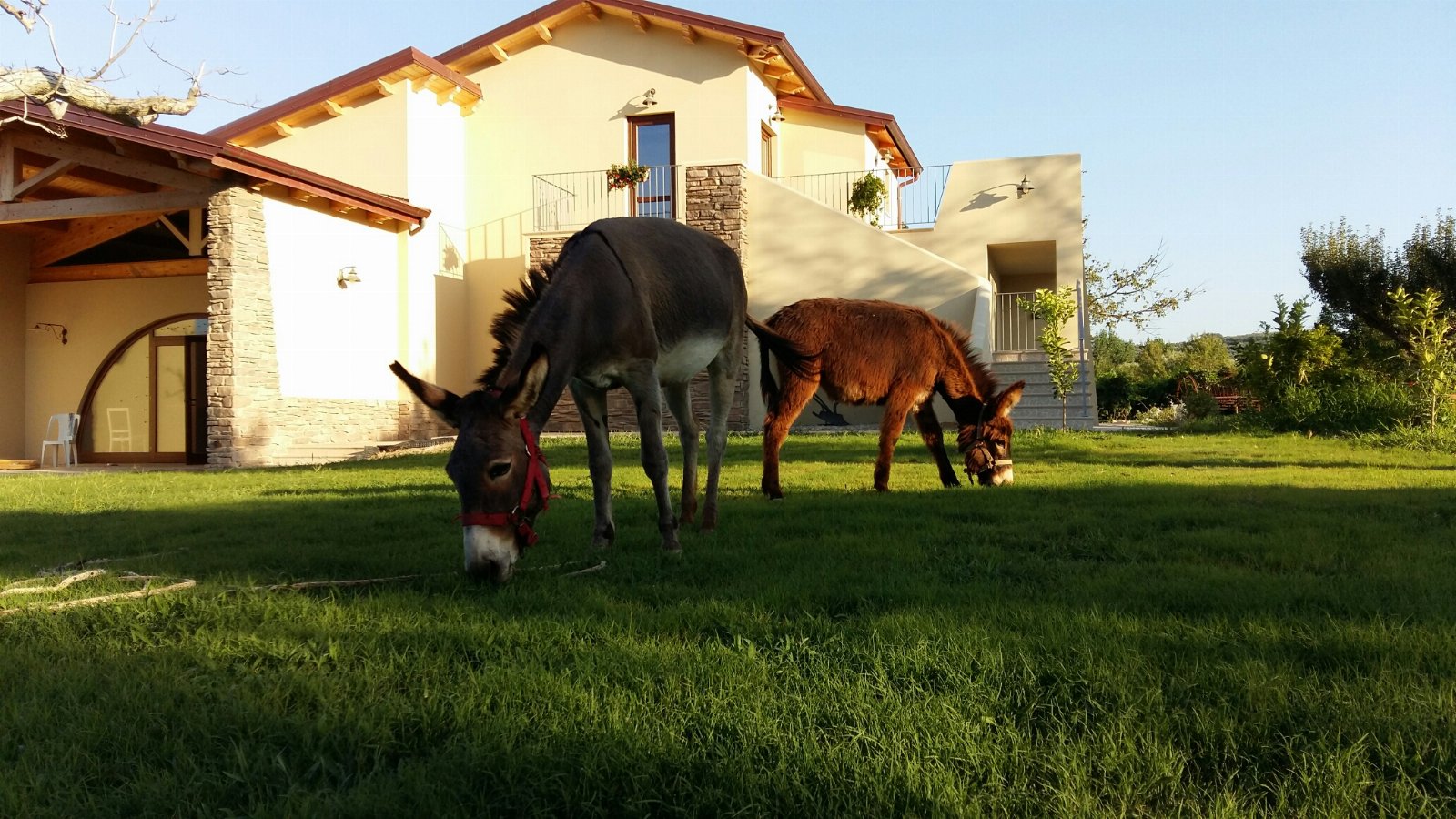
Accommodation in Limbadi reflects the character of the town: intimate, welcoming, and authentic. You won't find large, impersonal hotel chains here; instead, you will find charming guesthouses, renovated historical houses, and family-run bed and breakfasts. These accommodations provide a unique opportunity to stay in a genuine Calabrian home and experience the legendary hospitality of the locals. Whether you are looking for a rustic farmhouse surrounded by vineyards or a cozy apartment in the town center, there is an option for every preference.
A Limbadi sono disponibili 0 alloggi selezionati. Scopri gli alloggi a Limbadi. Staying in a local property allows you to wake up to the sound of the countryside and enjoy breakfast on a terrace overlooking the valley, providing a level of tranquility that is hard to find in more tourist-heavy destinations.
How to Get There and Move Around
Reaching Limbadi is most convenient by car, which provides the flexibility to explore the surrounding coastal and mountain regions at your own pace. If you are flying into Calabria, Lamezia Terme International Airport (SUF) is the primary gateway, located about an hour’s drive from Limbadi via the A2 motorway. Rental cars are readily available at the airport and are highly recommended for any traveler wanting to see the hidden corners of the Vibo Valentia province.
For those preferring public transport, the nearest major train station is in Vibo Valentia-Pizzo or Rosarno. From these stations, you can reach the area via regional trains, though local bus connections to Limbadi can be infrequent. Once you are in town, the center is easily walkable, but a car remains essential for reaching the nearby beaches and the scenic villages in the hills. Always check local bus schedules in advance if you plan to rely on public transit, as it can be a challenge during the off-season.
When to Go — Climate and Best Times
The climate in Limbadi is quintessential Mediterranean, with hot, dry summers and mild, wet winters. The best time to visit is during the shoulder seasons—late spring (May and June) or early autumn (September and October). During these months, the weather is pleasantly warm, ideal for both beach days and exploring the countryside without the intense heat of July and August. The landscape is particularly beautiful in spring, when the hills are covered in wild flowers and the vineyards are beginning to bud.
If you prefer a summer holiday, be prepared for warmer temperatures, which are perfectly mitigated by the coastal breeze. Summer is also the time for many local festivals and village sagre, where you can experience traditional music and food in a festive atmosphere. Regardless of when you choose to go, Limbadi offers a peaceful retreat that invites you to slow down and savor the authentic beauty of the Calabrian hinterland.