Discover Gioia Tauro, Calabria: A Hidden Gem Between History and the Sea
Gioia Tauro, Calabria, is a destination that often surprises even the most seasoned travelers. Located on the Tyrrhenian coast, this city is a fascinating blend of industrial importance, profound historical roots, and natural beauty. While many know it primarily for its massive transshipment port—one of the most significant in the Mediterranean—the soul of the city lies in its ancient origins, dating back to the Greek colony of Metauros. Visiting Gioia Tauro means stepping into a place where the modern pulse of global commerce meets the slow, rhythmic heartbeat of traditional Southern Italian life.
The atmosphere in Gioia Tauro is authentic and unpretentious. It is not a city built for mass tourism, which is exactly why it remains so appealing to those looking for a genuine Calabrian experience. The town is divided into two main parts: the historic center, perched on a hill, and the marina area, which stretches along the coast. This duality offers visitors the chance to explore ancient archaeological sites in the morning and relax by the crystal-clear waters of the Tyrrhenian Sea in the afternoon, all while enjoying the warm hospitality that defines the region.
Why visit Gioia Tauro — history, atmosphere, and character
The history of Gioia Tauro is deeply intertwined with the ancient Mediterranean civilizations. Originally founded as Metauros by the Zancleans (people from Messina) in the 7th century BC, the area has seen waves of Greeks, Romans, and later, medieval settlers. The archaeological evidence found in the city—particularly the necropolises—reveals a rich past that scholars are still uncovering today. Walking through the older parts of the town, you can sense the layers of history that have shaped the local identity, making it a place of great interest for history enthusiasts who prefer off-the-beaten-path locations.
Beyond the history, the character of Gioia Tauro is defined by its resilience and its strategic geographic position. Nestled in the Piana di Gioia Tauro, a fertile plain famous for its citrus groves, the city is surrounded by a landscape that has provided wealth and sustenance for centuries. The scent of bergamot and orange blossoms often fills the air during the spring, creating a sensory experience that is uniquely Calabrian. If you are planning to explore this area, it is highly recommended to stay in a comfortable base; check out the best options for your Gioia Tauro accommodation to ensure you have a relaxing retreat after your daily explorations.
What to see in Gioia Tauro — key attractions and historical sites
One of the must-see landmarks is the Archaeological Museum of Metauros. This museum serves as the custodian of the city’s ancient heritage, housing a vast collection of artifacts recovered from the local excavations. From terracotta figurines to ancient pottery and funeral objects, the museum provides a deep dive into the daily life of the ancient Metauros inhabitants. It is an essential stop for anyone wanting to understand the cultural significance of the Gioia Tauro plain in the ancient world.
Another point of interest is the Church of San Nicola di Mira. This historic building, with its simple yet elegant architecture, stands as a symbol of the community's religious devotion. The interior features beautiful iconography and reflects the artistic styles that have influenced Calabria over the centuries. Furthermore, taking a walk along the Lungomare (seaside promenade) is a mandatory experience. It offers a stunning view of the Strait of Messina and the Aeolian Islands on clear days. The promenade is the heart of the city's social life, especially during the summer evenings when the sea breeze makes the walk refreshing and pleasant.
For those interested in industrial history and engineering, the Port of Gioia Tauro is a sight to behold. While it is an active commercial area, its sheer scale—with giant cranes and massive container ships—is a testament to the city's modern economic power. Finally, make sure to visit the remains of the ancient city walls and the various archaeological parks scattered around the area, which offer a glimpse into the defensive structures that protected the city during the Greek and Roman eras.
The beaches and nature around Gioia Tauro
The coastline of Gioia Tauro is characterized by long, wide stretches of sand and pebbles, lapped by the pristine waters of the Tyrrhenian Sea. Unlike the more crowded beaches of the northern Calabrian coast, the beaches here offer plenty of space and tranquility. The sea is known for its clarity, making it ideal for swimming, snorkeling, and sunbathing. During the summer months, several beach clubs (lidi) open up, providing sun loungers, umbrellas, and small cafes where you can enjoy a cold drink while watching the sunset over the horizon.
Nature lovers will also appreciate the proximity of the Aspromonte National Park. Located just a short drive from the coast, the park is a rugged, mountainous paradise filled with dense forests, hidden waterfalls, and diverse wildlife. Hiking in the Aspromonte offers a stark contrast to the beach experience, allowing you to breathe in the cool mountain air and explore the wild, untamed side of Calabria. Whether you prefer the Mediterranean blue or the lush green of the mountains, the surroundings of Gioia Tauro offer a perfect balance for every type of traveler.
Cuisine and traditions of Gioia Tauro
Calabrian cuisine is famous for its bold flavors, and Gioia Tauro is no exception. The local gastronomy is heavily influenced by the sea and the fertile lands of the Piana. You must try the "pesce spada" (swordfish), which is a staple of the local diet, often prepared with simple ingredients like olive oil, lemon, and local herbs. Another local specialty is the "pasta alla calabrese," typically served with spicy nduja or fresh seasonal vegetables grown in the nearby fields.
When it comes to products, the Piana di Gioia Tauro is world-renowned for its citrus fruits, particularly the Clementine of Calabria and the bergamot, a unique citrus fruit used in perfumes and culinary delicacies. You will find these products in the local markets and in the many family-run restaurants scattered throughout the town. For an authentic dining experience, look for small trattorias where the menu changes based on the daily catch and local harvest. Eating in Gioia Tauro is not just about the food; it is about the tradition of gathering around a table, sharing a glass of local wine, and enjoying the slow pace of life.
Where to stay in Gioia Tauro
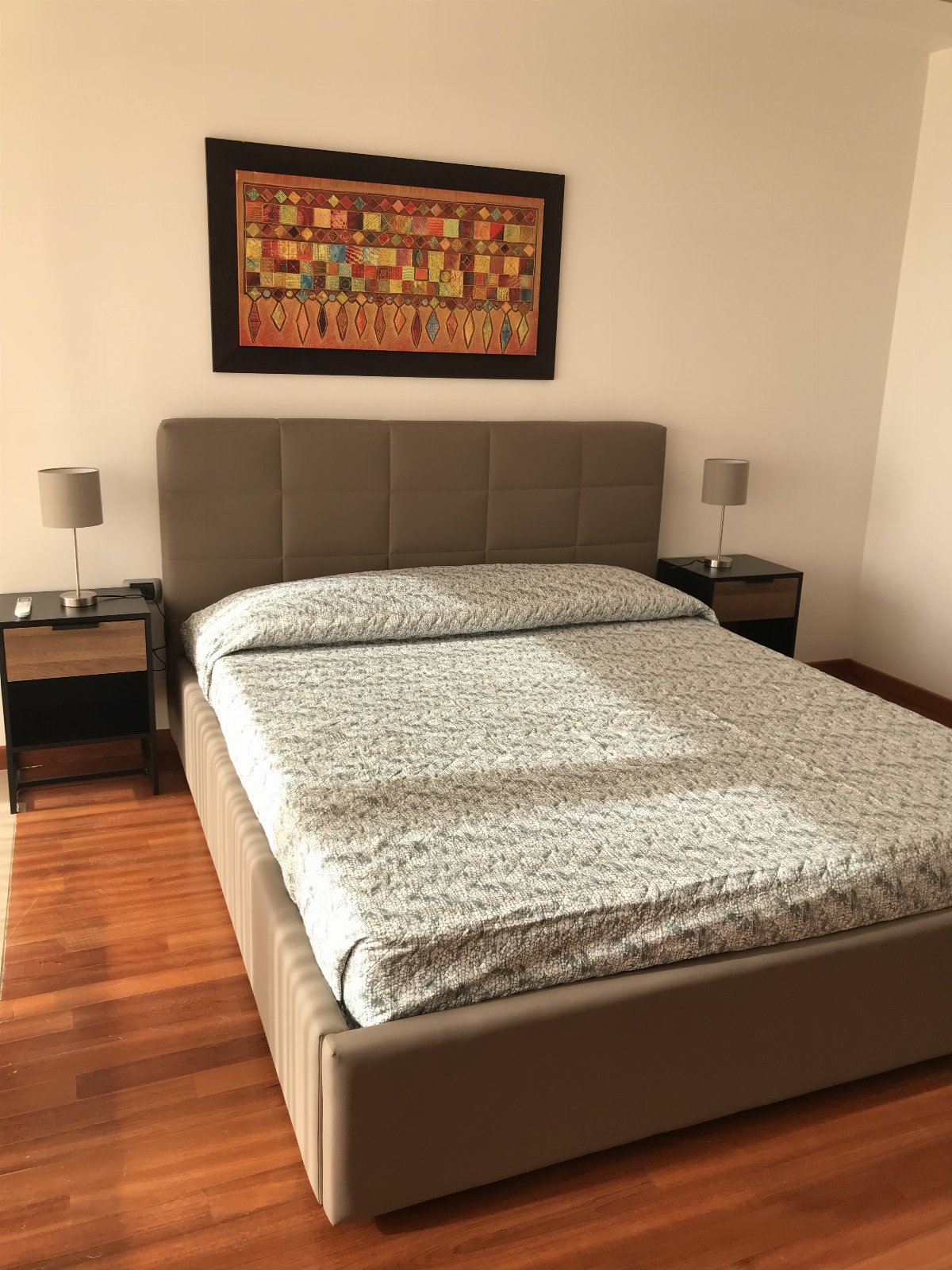
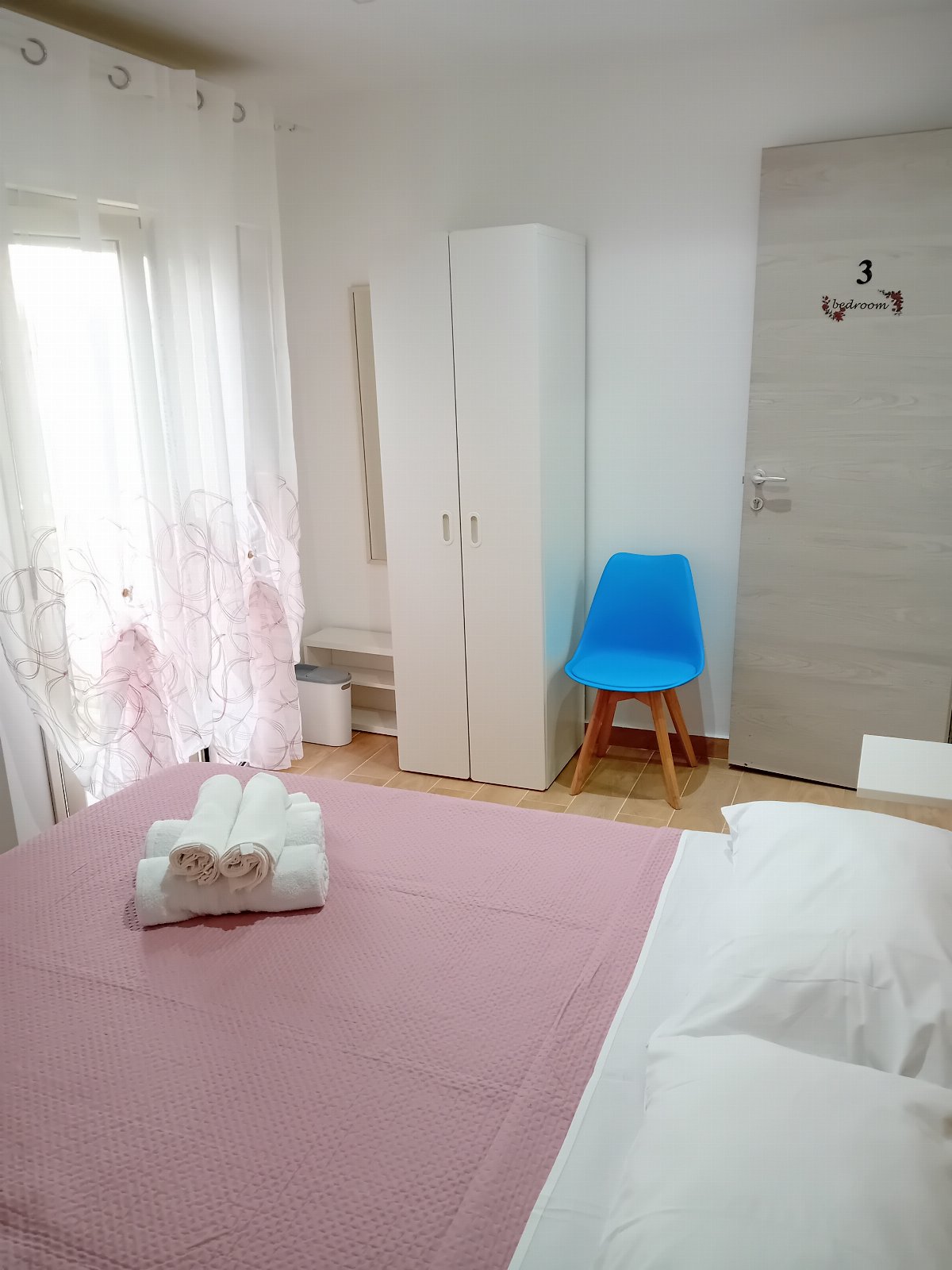
Finding the right place to stay is crucial for a stress-free holiday. The most recommended areas are those near the seafront, which allow you to enjoy the coastal vibe and easy access to the beach. Whether you are looking for a cozy bed and breakfast, a modern apartment, or a small boutique hotel, the city offers diverse options that cater to different budgets and travel styles. Staying centrally gives you the advantage of being close to the main shops and restaurants, while choosing a spot slightly further out can offer more peace and quiet.
A Gioia Tauro sono disponibili 5 alloggi selezionati. Scopri gli alloggi a Gioia Tauro. These accommodations are carefully chosen to provide comfort and a local touch, ensuring you have a memorable stay. When booking, consider the proximity to the train station if you plan to travel by public transport, or look for properties with parking facilities if you are renting a car to explore the surrounding Calabrian villages.
How to arrive and get around
Reaching Gioia Tauro is relatively straightforward. The city is well-connected by the national railway network, with frequent trains running along the Tyrrhenian coast. The Gioia Tauro train station serves as a major hub, making it easy to reach from both Lamezia Terme International Airport and Reggio Calabria. If you prefer to drive, the A2 Autostrada del Mediterraneo (the highway that runs through the spine of Calabria) has a dedicated exit for Gioia Tauro, making it very accessible by car from any direction.
Once you are in the city, getting around is simple. While the town center is walkable, having a car is highly recommended if you want to explore the wider Piana area, the Aspromonte mountains, or other coastal towns like Tropea or Scilla. Local buses are available, but they operate on a more limited schedule, so renting a vehicle provides the most flexibility for your Gioia Tauro trip. Distances in Calabria can be deceptive due to the winding roads, so plan your daily excursions with plenty of time to enjoy the scenic drives.
When to go — climate, seasons, and events
The best time to visit Gioia Tauro is during the shoulder seasons—late spring (May and June) and early autumn (September and October). During these months, the weather is pleasantly warm, the sea is perfect for swimming, and you avoid the intense heat and crowds of August. The spring is particularly beautiful, as the citrus trees are in bloom, filling the entire plain with an intoxicating fragrance. If you are a fan of the heat and beach life, July and August are ideal, though you should be prepared for higher temperatures.
Throughout the year, the city hosts various local festivals and religious processions that offer a window into the community's traditions. These events are often accompanied by music, street food, and fireworks, creating a vibrant atmosphere. Whether you are visiting for the sea, the history, or the food, Gioia Tauro offers a unique and authentic experience that captures the true essence of Calabria. Plan your visit, pack your bags, and get ready to discover a side of Italy that remains wonderfully untouched by the passage of time.