Discovering the Hidden Gem: A Complete Travel Guide to Drapia, Calabria
Nestled in the heart of the Vibo Valentia province, Drapia is a charming balcony overlooking the Tyrrhenian Sea. While many tourists flock to the nearby bustling shores of Tropea, Drapia offers a more authentic, tranquil, and deeply rooted experience of Calabrian life. It is a place where time seems to slow down, allowing visitors to breathe in the scents of Mediterranean scrub and enjoy panoramic vistas that stretch all the way to the Aeolian Islands on a clear day.
Choosing to spend your holidays in this picturesque village means embracing the slow-travel philosophy. Drapia is not just a destination; it is a gateway to the "Costa degli Dei" (Coast of the Gods), providing the perfect balance between the rugged beauty of the Calabrian hinterland and the pristine beaches that have made this region world-famous. Whether you are a history enthusiast, a food lover, or simply seeking a peaceful retreat, Drapia captures the essence of Southern Italy in its purest form.
Why Visit Drapia — History, Atmosphere, and Character
The history of Drapia is deeply intertwined with the ancient Greek and Roman settlements of the surrounding areas. The name itself is believed to derive from the Greek word "drapetes," hinting at its role as a refuge or a hidden settlement. Throughout the centuries, the village has maintained a distinct identity, characterized by narrow cobblestone alleys, ancient stone portals, and the warm hospitality of its inhabitants. Walking through its streets, you can feel the weight of history in the weathered walls of the houses and the quiet dignity of the village squares.
What truly sets Drapia apart is its atmosphere. Unlike the crowded coastal resorts, Drapia offers a sanctuary of silence and reflection. It is a place where the local life revolves around the changing seasons, the harvest, and the traditional religious festivals. The character of the town is defined by its resilience and its connection to the land. Visitors are welcomed not as mere tourists, but as guests, often invited to share a glass of local wine or a story about the village's past. It is the perfect destination for those who want to experience the authentic spirit of Drapia away from the mass tourism trails.
What to See in Drapia — Architectural Beauty and Hidden Treasures
The architectural heritage of Drapia is modest yet deeply evocative. One of the primary attractions is the Mother Church (Chiesa Matrice), dedicated to the patron saint. Its interiors house significant religious art, reflecting the deep faith of the local community. The church serves as the heart of the village, and its bell tower stands as a sentinel over the surrounding hills. Visitors should take the time to admire the intricate stonework of the portals, which showcases the craftsmanship of local artisans from past centuries.
Beyond the religious landmarks, the village layout itself is a sight to behold. You should explore the various "rioni" (neighborhoods) that make up the town. Each offers a different perspective of the surrounding valley. Another must-see is the Palazzo Fazzari, an example of the noble architecture that once defined the area. For those interested in local traditions, the village square often hosts small exhibitions or markets where you can see the preservation of ancient crafts. If you are looking for comfortable accommodation in Drapia, staying near the historic center allows you to be within walking distance of these hidden gems.
The Beaches and Nature Around Drapia — The Coast of the Gods
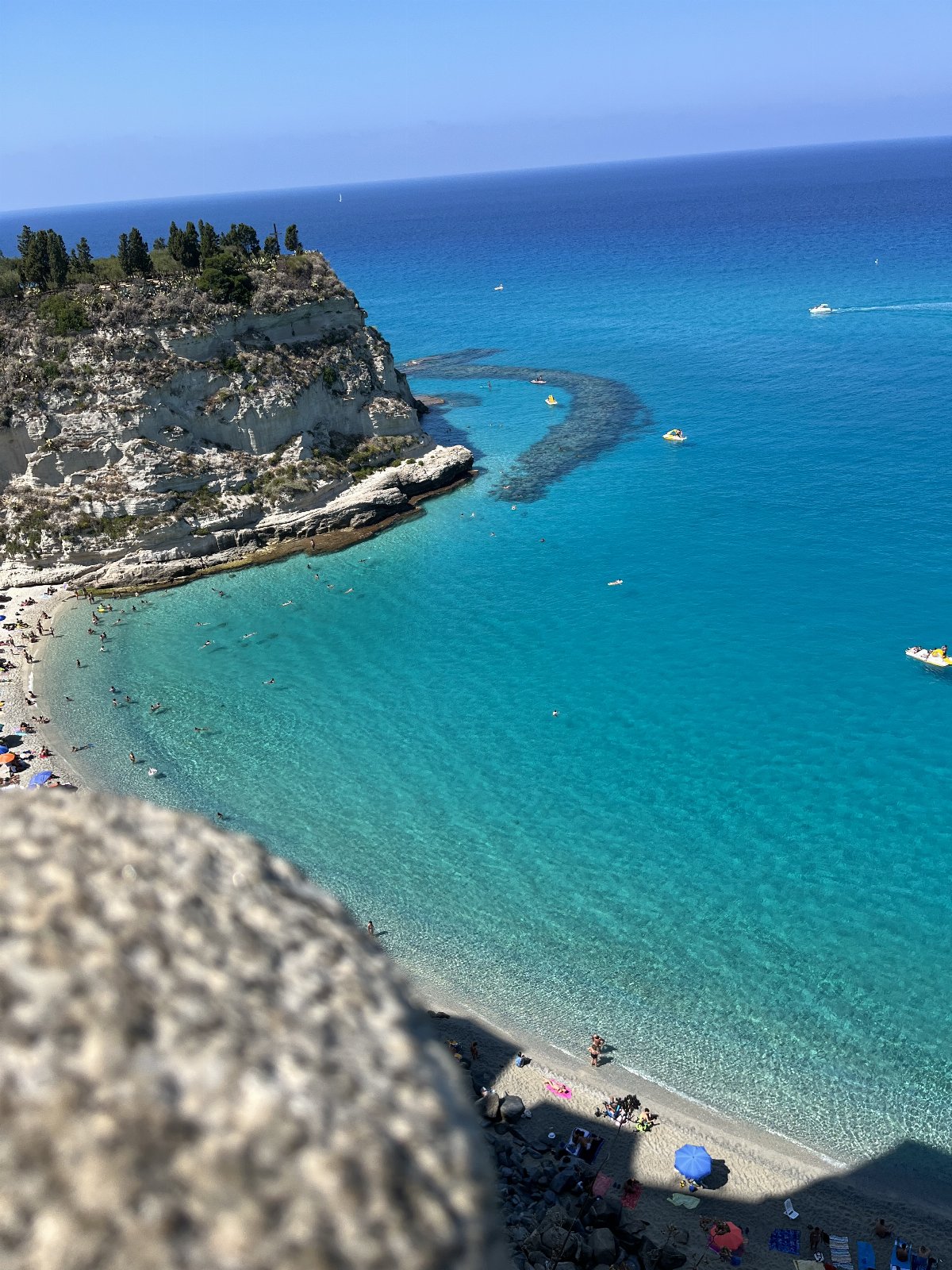
While Drapia sits on a hill, it is only a short drive away from some of the most spectacular beaches in Italy. The proximity to the coast allows you to enjoy the best of both worlds: the cool, breezy evenings of the hills and the crystalline waters of the Tyrrhenian Sea. The area of Marina di Zambrone and the famous beaches of Tropea are easily accessible, offering white sand and turquoise waters that are perfect for snorkeling, swimming, or simply soaking up the Mediterranean sun.
For nature lovers, the landscape surrounding Drapia is a tapestry of olive groves, vineyards, and wild Mediterranean vegetation. There are several trekking paths that wind through the hills, leading to panoramic viewpoints where the view of the Stromboli volcano rising from the sea is absolutely breathtaking. Whether you prefer a day lounging by the water or a morning hike through the lush countryside, the natural environment around Drapia is a playground for outdoor enthusiasts who appreciate untouched landscapes.
Cuisine and Traditions of Drapia — A Taste of Calabria
Calabrian cuisine is famous for its bold flavors, and Drapia is no exception. The local gastronomy is deeply tied to the land, featuring ingredients like sun-dried tomatoes, extra virgin olive oil, and the iconic "Cipolla Rossa di Tropea" (Red Onion of Tropea). Many of the local trattorias serve dishes that have been passed down through generations, such as "fileja" pasta served with a rich ragu or spicy 'nduja, the spreadable salami that is a symbol of the region.
When dining in Drapia, look for small, family-run establishments where the menu changes based on the daily market offerings. Don't miss the chance to taste the local wine, which pairs perfectly with the artisanal cheeses and cured meats produced in the nearby farms. Eating here is not just about nutrition; it is a ritual. The slow pace of service is an invitation to enjoy the company and the flavors, making every meal a memorable event. You can easily find the best spots to eat by asking your hosts at your Drapia residence for their personal recommendations.
Where to Sleep in Drapia — Comfortable Stays
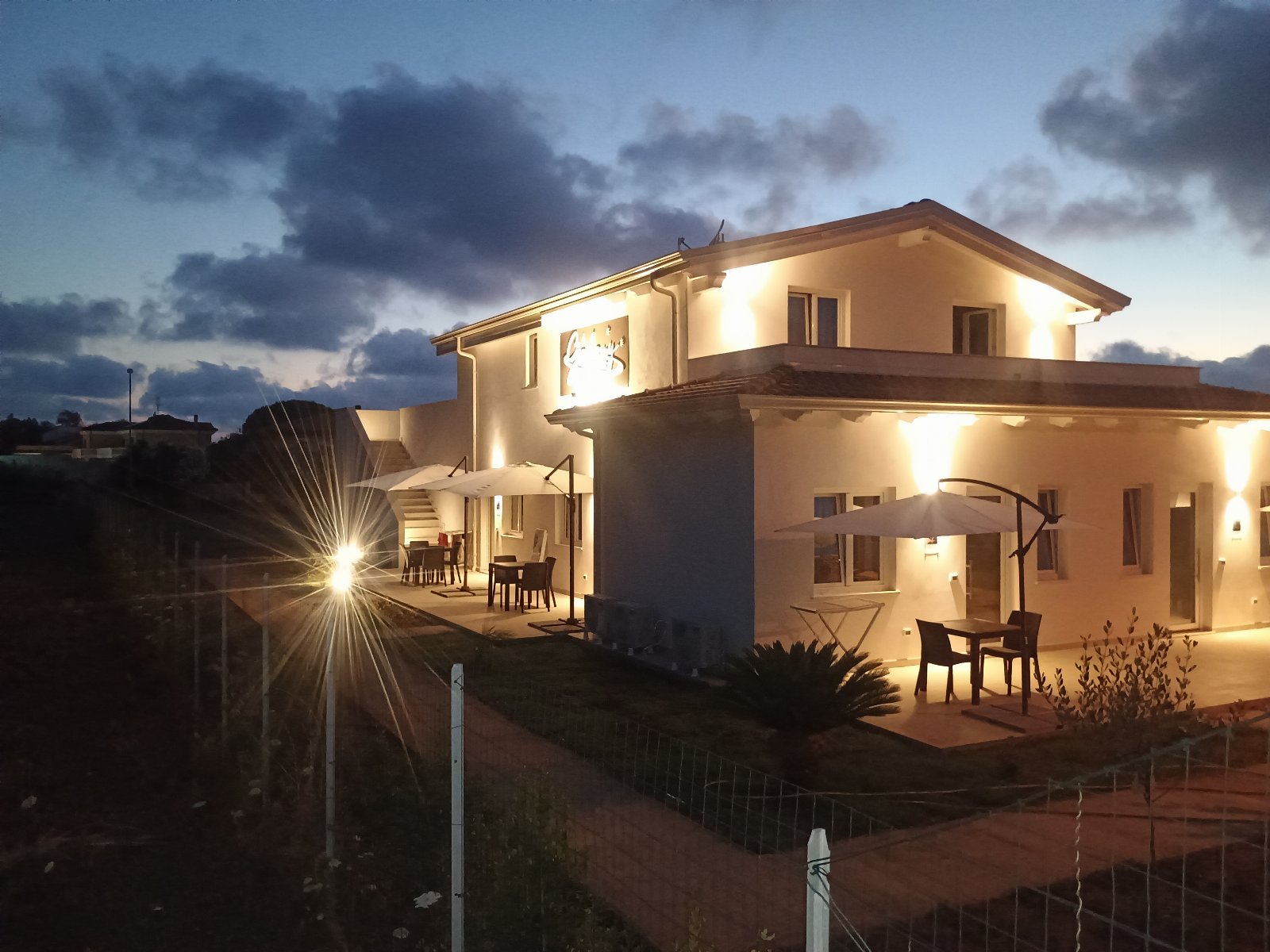
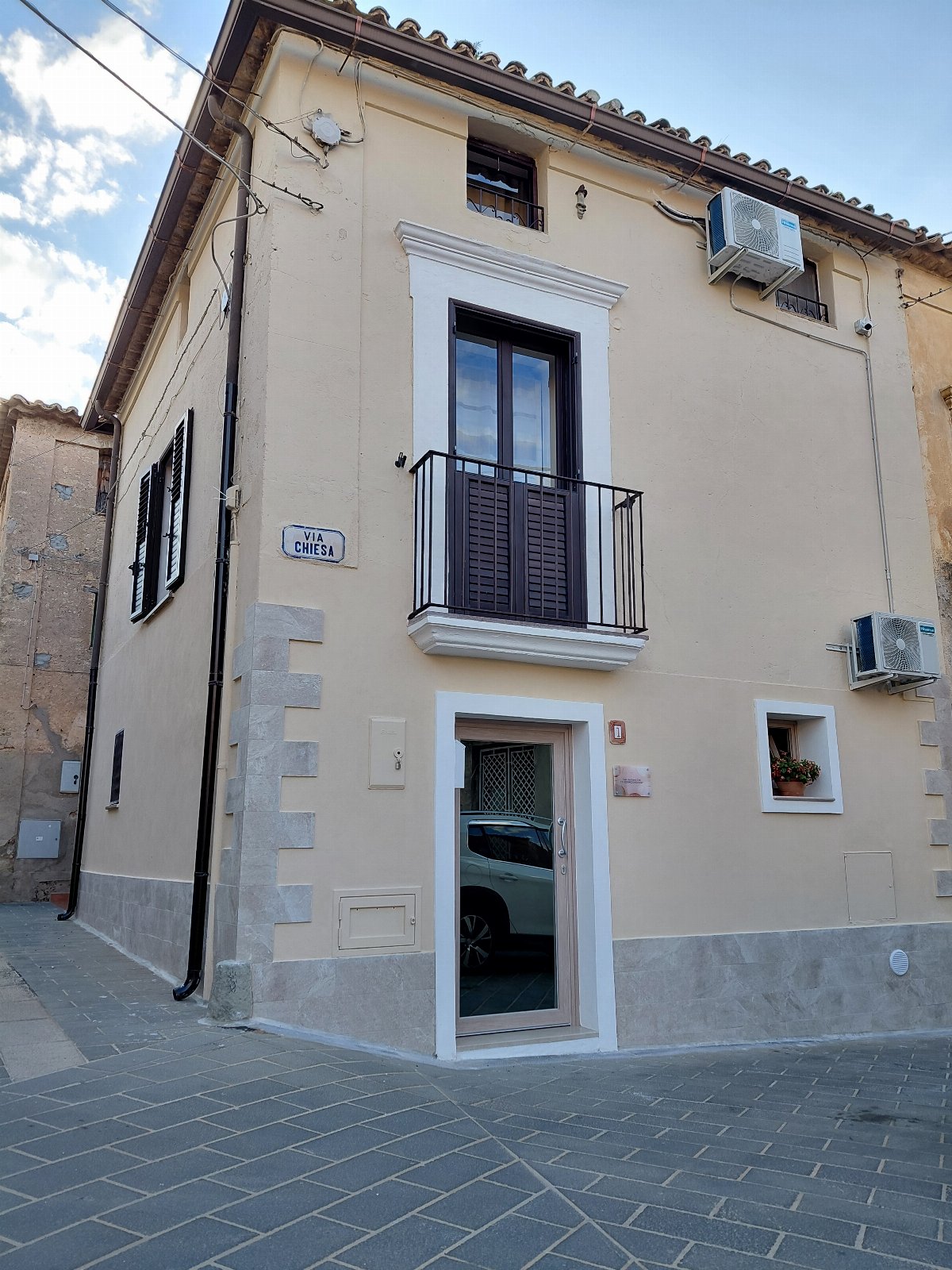
Finding the right place to stay is crucial for an immersive experience. Drapia offers a variety of options, ranging from charming bed and breakfasts housed in restored historic buildings to independent apartments that offer more privacy. The advantage of staying in Drapia is the serenity it provides, especially after a long day of exploring the bustling beaches of the coast. You can enjoy a quiet dinner on a terrace overlooking the valley, far from the noise of the main tourist hubs.
A Drapia sono disponibili 1 alloggi selezionati. Scopri gli alloggi a Drapia. These options are carefully chosen to ensure that visitors get the most authentic experience possible, with amenities that blend modern comfort with traditional Calabrian style. Whether you are traveling as a couple, a family, or a solo adventurer, you will find that the local hospitality makes you feel right at home from the moment you arrive.
How to Get There and Move Around
The most convenient way to reach Drapia is by flying into Lamezia Terme International Airport (SUF), which is approximately one hour away by car. Renting a car is highly recommended, as it gives you the freedom to explore the hidden corners of the region at your own pace. The roads leading to Drapia are scenic, winding through rolling hills and offering glimpses of the sea, making the journey part of the adventure itself.
If you prefer public transport, you can reach the nearby town of Tropea by train and then take a local bus or taxi to Drapia. However, keep in mind that local bus schedules can be infrequent, especially on weekends and during the off-season. Once you are in Drapia, having your own vehicle is definitely the best way to move around, as it allows you to visit the various beaches and neighboring villages without being tied to timetables.
When to Go — Climate and Best Seasons
The best time to visit Drapia is during the late spring (May and June) or early autumn (September and October). During these months, the weather is pleasantly warm, the crowds are thinner, and the landscape is at its most vibrant. Summer (July and August) is perfect for beach lovers, but be prepared for higher temperatures and more tourists in the coastal areas. Drapia remains a peaceful retreat even in the height of summer, thanks to its elevated position.
If you are interested in local culture, try to plan your visit around the local religious festivals or the harvest season. During these times, the village comes alive with processions, music, and traditional food tastings. Even in winter, Drapia offers a mild climate, making it a great destination for those who want to escape the harsh northern winters and enjoy the quiet, contemplative beauty of the Calabrian countryside.