Discovering the Hidden Gem: What to See in Vibo Valentia, Calabria
Vibo Valentia is often overlooked by travelers rushing toward the famous coastline of the Costa degli Dei, yet it remains one of the most historically significant and culturally rich cities in the entire region of Calabria. Perched on a natural terrace overlooking the Tyrrhenian Sea, the city—known in antiquity as Hipponion—offers a unique blend of Greek, Roman, Norman, and Aragonese heritage. Exploring this city means stepping back in time, wandering through quiet cobblestone alleys, and discovering architectural treasures that tell the story of a strategic Mediterranean hub.
Whether you are an archaeology enthusiast, a lover of medieval history, or simply looking to immerse yourself in the authentic atmosphere of Southern Italy, Vibo Valentia provides an unforgettable experience. The city's elevated position grants it a panoramic view that stretches from the Gulf of Sant'Eufemia to the Aeolian Islands on a clear day. In this guide, we will walk you through the essential sites and hidden corners that make Vibo Valentia a mandatory stop on your Calabrian itinerary.
The Top 5 Must-See Attractions in Vibo Valentia, Calabria
The Castello Normanno-Svevo is undoubtedly the crown jewel of the city. Built upon the remains of the ancient Greek acropolis, this fortress has witnessed centuries of conflict and transformation. Today, it serves as the home of the State Archaeological Museum, housing the famous Laminetta Aurea (Golden Tablet). The castle is generally open from 9:00 AM to 7:00 PM, with an entry fee of approximately 3 euros. It is highly recommended to visit during the golden hour, as the sunset views from the ramparts are truly spectacular.
Next on your list should be the Duomo di Santa Maria Maggiore e San Leoluca. This cathedral, dedicated to the city's patron saint, is a fascinating structure that incorporates elements from different eras, including a 16th-century marble portal and a stunning wooden statue of the Madonna. It stands as a testament to the religious devotion of the local population. Admission is free, though it is respectful to avoid visiting during mass. The interior is characterized by a solemn beauty that provides a peaceful contrast to the bustling streets outside.
The Belvedere Grande is an essential stop for any photographer or nature lover. Located near the city center, this viewpoint offers one of the most breathtaking vistas in Southern Italy. From here, you can see the entire coastline, with the turquoise waters of the Tyrrhenian Sea contrasting against the rugged mountains. It is the perfect place for an evening stroll, especially as the town lights begin to twinkle below. There is no entrance fee, and it is accessible 24/7.
You cannot miss the ancient Greek Walls of Hipponion. Remnants of the original fortifications that protected the city in the 4th century BC still stand in various locations, particularly near the castle. These massive limestone blocks are a reminder of the city’s strategic importance in the Magna Graecia era. Walking along these walls allows you to trace the history of the city back to its founding. It is an open-air site accessible at any time, free of charge.
Finally, immerse yourself in the vibrant atmosphere of the Corso Umberto I. This is the heart of Vibo Valentia, lined with elegant palazzi, local boutiques, and traditional cafes. Here, you can experience the daily life of the locals, enjoy a coffee, or taste local delicacies like the "fileja" pasta. It is the best place to feel the pulse of the city, especially during the evening "passeggiata." For those planning a longer stay, you can explore Vibo Valentia to find the perfect base for your trip.
Museums and Cultural Sites
The Museo Archeologico Statale "Vito Capialbi," located inside the Norman castle, is the most important cultural institution in the city. Its collection is vast, featuring pottery, coins, and votive objects recovered from the surrounding archaeological sites. The highlight is the "Laminetta Aurea," a small gold leaf inscribed with Greek text that serves as a guide for the soul in the afterlife. The museum is open Tuesday to Sunday, typically from 9:00 AM to 7:30 PM. To reach it, you can take a local bus from the train station or walk uphill through the historic center.
Another fascinating cultural site is the MUFANT (Museum of Local Traditions), which offers a deep dive into the rural and artisanal history of the Vibo area. Here, you can see traditional tools, costumes, and reconstructed domestic environments that reflect the way of life in Calabria throughout the centuries. It is a smaller, more intimate museum that provides context to the history presented in the larger archaeological site. Check local listings for seasonal opening times, as they often vary.
Churches and Historic Monuments
Vibo Valentia is a city of churches, each with its own unique artistic significance. Beyond the Duomo, the Chiesa del Rosario is renowned for its stunning Baroque interior and intricate stucco work. The attention to detail in the altars and the ceiling frescoes makes it a masterpiece of local craftsmanship. Visitors are encouraged to visit during the morning hours when the natural light illuminates the gold leaf accents, creating a truly ethereal atmosphere.
The city also preserves several historic palazzi, such as Palazzo Gagliardi and Palazzo Capialbi, which showcase the architectural evolution of the region. These buildings often feature grand courtyards, stone balconies, and ornate doorways that reflect the wealth of the local aristocracy in the 18th and 19th centuries. While many are private residences, their facades contribute significantly to the aesthetic charm of the historic center. If you are looking for comfort while exploring these monuments, remember that Vibo Valentia offers various welcoming options.
Nature and Natural Parks
While Vibo Valentia is a historic city, it serves as a gateway to the stunning natural landscapes of Calabria. A short drive away lies the Serre Calabresi, a mountainous area characterized by dense forests, crystal-clear streams, and ancient monasteries like the Certosa di Serra San Bruno. The hiking trails here are perfect for those who want to escape the summer heat and immerse themselves in the wild, pristine nature of the Southern Apennines.
The proximity to the sea also means that visitors can easily access the "Costa degli Dei." While not a forest, this stretch of coastline is a natural paradise with hidden coves and dramatic cliffs. The fiumare—seasonal riverbeds that cut through the landscape—are also a unique geological feature of the region, offering interesting paths for trekking enthusiasts who enjoy exploring the rugged, untamed side of the Calabrian territory.
A One-Day Itinerary for Vibo Valentia
To optimize your visit in 8 hours, start your morning at 9:00 AM at the Castello Normanno-Svevo to explore the archaeological museum. By 11:00 AM, walk down towards the Duomo di San Leoluca to admire its architecture. For lunch, stop at a traditional trattoria in the city center to try the local "fileja" pasta with 'nduja sauce, a spicy spreadable salami typical of the region.
In the afternoon, spend time walking along the ancient Greek walls and exploring the narrow streets of the old town. By 4:30 PM, head to the Belvedere Grande to enjoy the coastal views as the sun begins to lower. Finish your day at 6:30 PM with an aperitivo on Corso Umberto I, sipping a local Calabrian wine while watching the city come alive. It is a compact and efficient way to see the best of Vibo Valentia in a single day.
What to See in the Surroundings
Within a 30-60 minute drive, you can reach Tropea, the "Pearl of the Tyrrhenian," famous for its stunning beaches and the Santa Maria dell'Isola monastery perched on a rocky promontory. Another must-visit is Pizzo Calabro, known for its historic castle where Joachim Murat was executed and its world-famous "Tartufo" ice cream. These locations complement a visit to Vibo Valentia perfectly, offering a mix of history, seaside relaxation, and culinary delights.
Where to Stay to Visit Vibo Valentia at Your Leisure
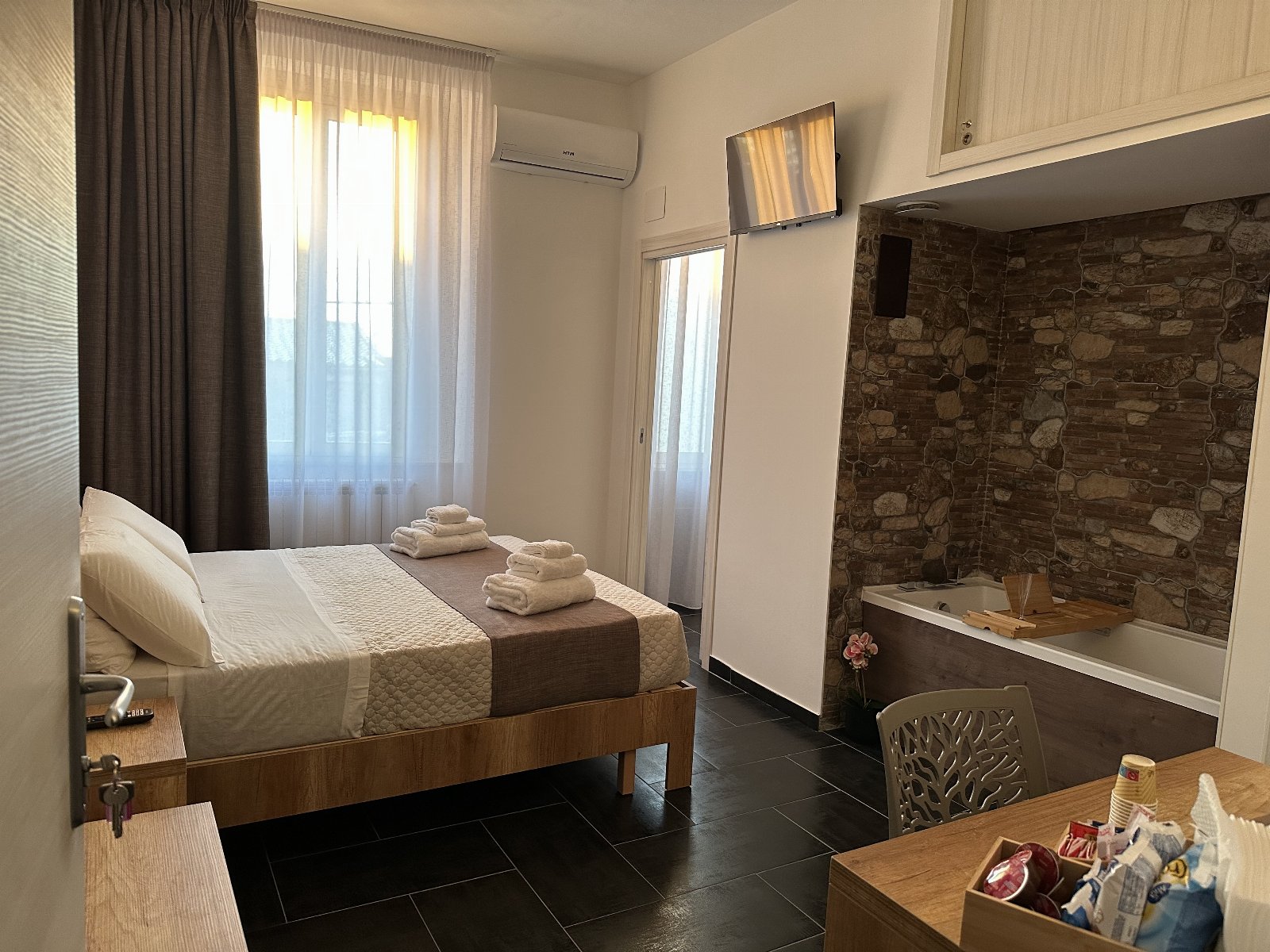
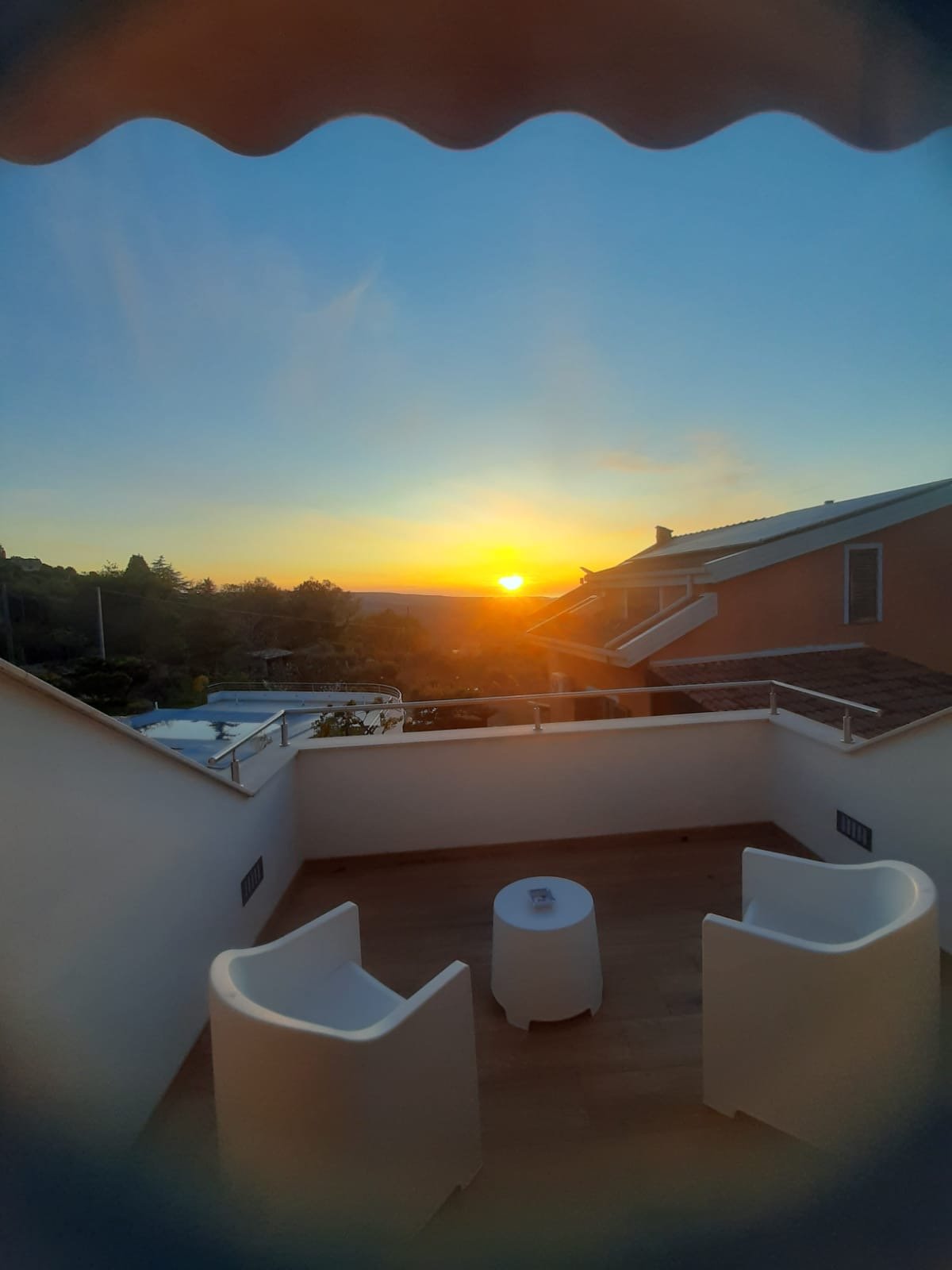
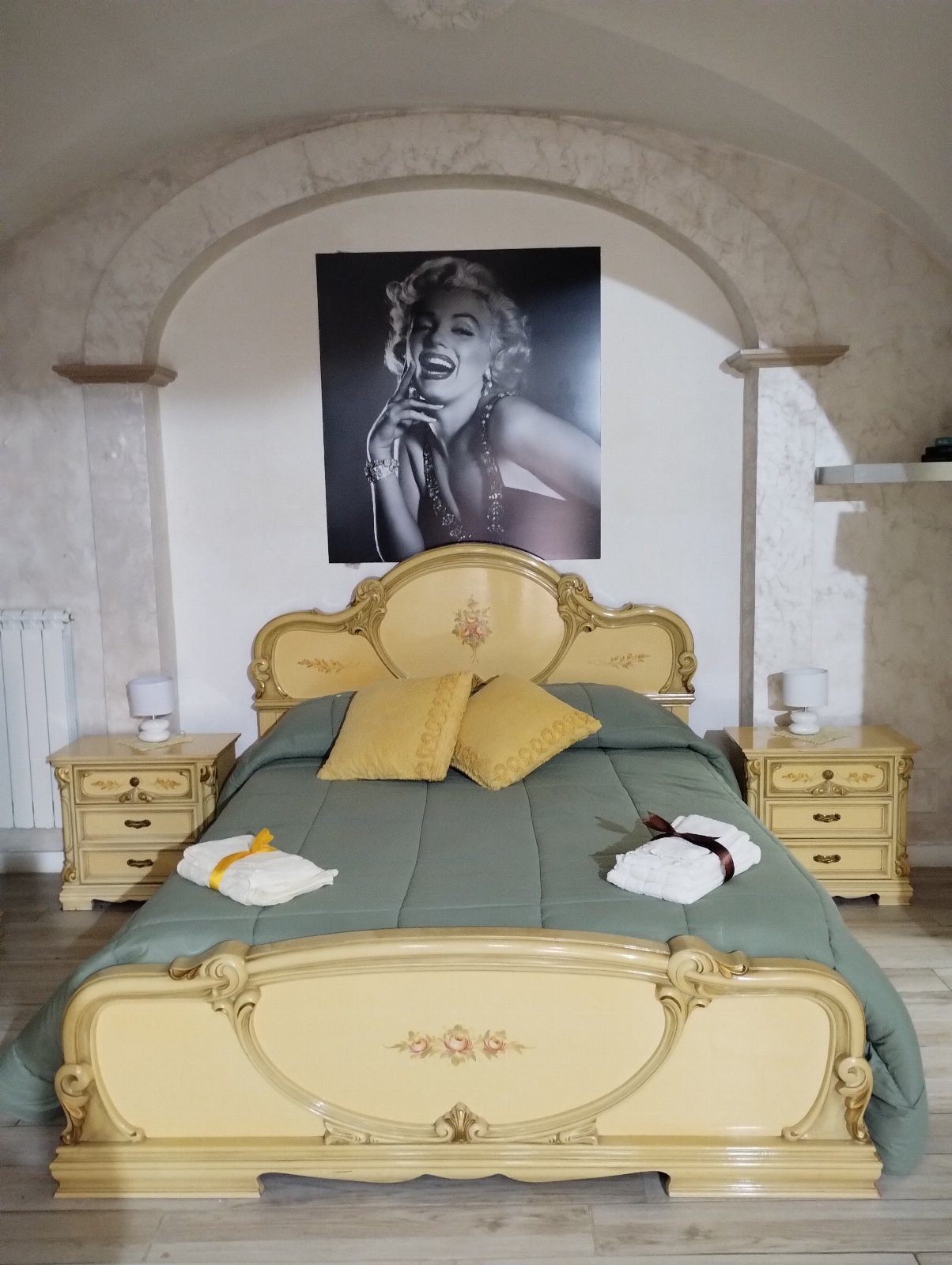
Staying in the city center allows you to experience the authentic Calabrian lifestyle without the noise of the coastal tourist crowds. You can enjoy quiet mornings and local hospitality while being perfectly positioned to explore both the inland mountains and the beautiful beaches nearby. A central location is key to enjoying the evening atmosphere of the city's cafes and squares. A Vibo Valentia sono disponibili 2 alloggi selezionati. Scopri gli alloggi a Vibo Valentia.