The Ultimate Guide: What to see in Vibo Valentia, Calabria
Vibo Valentia, perched elegantly on a hill overlooking the Tyrrhenian Sea, is one of Calabria’s best-kept secrets. Known in antiquity as Hipponion and later as Monteleone, this city serves as a bridge between the rugged mountainous interior of the region and the sparkling coastline known as the Coast of the Gods. Exploring Vibo Valentia means stepping into a timeline that stretches from the Magna Graecia era through the Norman conquest to the sophisticated Baroque period.
For the cultural traveler, Vibo Valentia offers a unique blend of archaeological treasures and authentic Calabrian life. Unlike the crowded beach resorts nearby, this city provides a quiet, contemplative atmosphere where history is etched into every stone. Whether you are a history buff, an architecture enthusiast, or someone seeking the true heart of Southern Italy, Vibo Valentia is a destination that rewards the curious visitor with profound beauty and deep-rooted traditions.
The Top 5 Must-See Attractions in Vibo Valentia, Calabria
The first stop on your itinerary must be the Norman-Swabian Castle. Dominating the cityscape, this fortress was built on the foundations of the ancient Greek acropolis. It is not just a military structure but a historical archive. The castle houses the State Archaeological Museum, where you can view artifacts from the ancient city of Hipponion. It is generally open from 9:00 AM to 7:00 PM, with an entry fee of approximately 3 euros. My advice is to head to the terrace at sunset; the view stretching toward the Aeolian Islands is simply unparalleled.
Second is the Church of Santa Maria Maggiore e San Leoluca, the city's cathedral. Dedicated to the patron saint of the city, this cathedral is a masterpiece of religious architecture, featuring a mix of styles due to various restorations over the centuries. Inside, you will find exquisite marble altars and statues. It is free to enter, though it is respectful to avoid visiting during liturgical services. It stands as a testament to the city's enduring faith and artistic patronage.
The third attraction is the Hipponion Archaeological Park. While the castle houses the artifacts, the park allows you to walk among the remnants of the ancient Greek defensive walls. These massive stone blocks, dating back to the 4th century BC, reveal the strategic importance of the city in antiquity. The site is open-air and accessible during daylight hours, often free of charge. It is a quiet place for a stroll, perfect for imagining the city as it stood thousands of years ago.
Fourth, take a walk through Corso Umberto I, the heartbeat of Vibo Valentia. This is where the local lifestyle truly shines. Lined with historic buildings, elegant cafes, and artisan shops, this street is perfect for a "passeggiata." Whether you are looking for local ceramics or a place to enjoy a traditional granite, this is the spot. It is the best place to observe the daily rhythms of the Calabrian people in a relaxed, sophisticated setting.
Finally, do not miss the Villa Comunale "G. Garibaldi." This lush public garden serves as the green lungs of the city. Filled with exotic plants and century-old trees, it offers a refreshing escape from the Mediterranean heat. It is a favorite spot for families and students, providing a tranquil atmosphere to read or rest. It is open 24/7, and entry is free, making it an ideal spot for a quick break during your sightseeing tour.
Museums and Cultural Sites
Vibo Valentia is home to the State Archaeological Museum "Vito Capialbi," located within the Norman Castle. This collection is arguably the most important in the region for understanding the transition from Greek to Roman periods in Southern Italy. The highlight is the "Lamina Aurea," a golden leaf with Orphic inscriptions found in a local tomb, which provides fascinating insights into ancient beliefs regarding the afterlife. The museum is open Tuesday to Sunday, typically from 9:00 AM to 8:00 PM.
Another cultural gem is the MUFANT (Museum of Contemporary Art), which showcases regional artists and their interpretations of Calabrian identity. While the archaeological side of the city is ancient, the art scene here is vibrant and evolving. To reach the city center and these museums, you can easily arrive by train at the Vibo Valentia-Pizzo station, followed by a short bus ride or taxi up the hill. If you need a base while exploring, you can find accommodation in Vibo Valentia to stay centrally.
Churches and Historical Monuments
The religious heritage of Vibo Valentia is profound. The Church of the Capuchins and the Church of the Rosario are essential visits. The latter is famous for its intricate stucco work and the solemn beauty of its interior, which reflects the devotion of the local brotherhoods. These churches are scattered throughout the old town, and walking between them allows you to admire the noble palaces that line the narrow, winding streets of the historic center.
The city's architecture is a mix of medieval defensive structures and 18th-century noble residences. The Palazzo Gagliardi is a prime example of the aristocratic influence in the city. Its facade and inner courtyard are beautifully preserved, offering a glimpse into the lifestyle of the local gentry. As you wander, look for the remnants of the old city gates, which serve as silent witnesses to the turbulent history of the city, from the Saracen raids to the various feudal lords who ruled the area.
Nature and Natural Parks
While Vibo Valentia is an urban center, it is a gateway to the Serre Regional Park. This protected area is a paradise for hikers and nature lovers. Within a short drive, you can find yourself in dense forests of beech and silver fir, far removed from the coastal bustle. The area is famous for the Certosa di Serra San Bruno, a monastery surrounded by pristine woodland that feels like a place out of time. It is a perfect location for forest bathing and quiet contemplation.
The surrounding landscape is characterized by deep valleys and fiumare (seasonal riverbeds) that create dramatic geological formations. Hiking trails are well-marked, and there are many opportunities to spot local wildlife, including birds of prey and rare flora. Whether you are a casual walker or a serious trekker, the interior of the Vibo province offers a refreshing contrast to the beach-focused tourism of the nearby Tyrrhenian coast.
Itinerary in One Day
To optimize your visit in 8 hours, start your morning at 9:00 AM at the Norman-Swabian Castle to beat the heat and crowds. Spend two hours exploring the museum and the ramparts. By 11:30 AM, head down to the Church of Santa Maria Maggiore for a quick cultural visit. For lunch, find a local trattoria near the cathedral and sample "fileja," the traditional handmade pasta of the Vibo area, often served with a rich ragu or eggplant.
After lunch, spend the afternoon strolling along Corso Umberto I, visiting the local boutiques and perhaps the Villa Comunale for a coffee. At 4:30 PM, take a short drive to the Hipponion Archaeological Park to walk the ancient walls as the light begins to soften. Conclude your day at 6:30 PM with an aperitivo on the Corso, enjoying a glass of local Cirò wine while watching the city come alive for the evening. It is a perfect way to experience the authentic pace of life in Vibo Valentia.
What to see in the surroundings
Within 30 to 60 minutes, you can reach some of the most beautiful spots in Calabria. Pizzo Calabro is a must-visit, famous for its "Tartufo" ice cream and the unique Chiesetta di Piedigrotta, a church carved directly into the seaside rock. The coastal town of Tropea, with its iconic sanctuary perched on a cliff above the turquoise sea, is also easily reachable and perfect for an afternoon swim.
For those interested in history, the town of Mileto offers fascinating archaeological sites and a rich religious history. If you prefer the mountains, the aforementioned Serra San Bruno provides a cool, spiritual retreat. These locations offer diverse experiences, from the dramatic coastal cliffs of the Costa degli Dei to the tranquil, misty woods of the Serre mountains, all easily accessible from your base in Vibo Valentia.
Where to stay to visit Vibo Valentia with calm
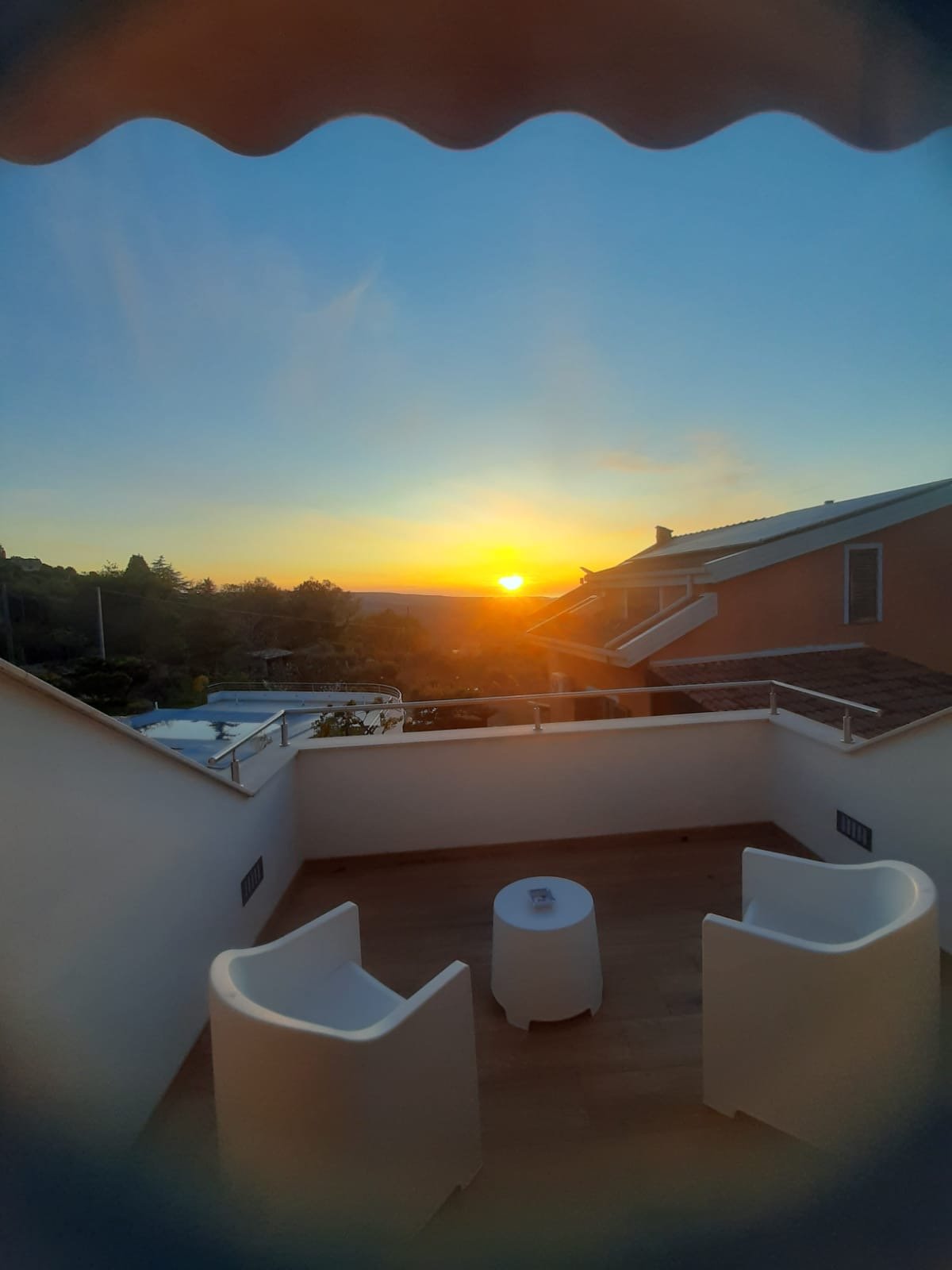
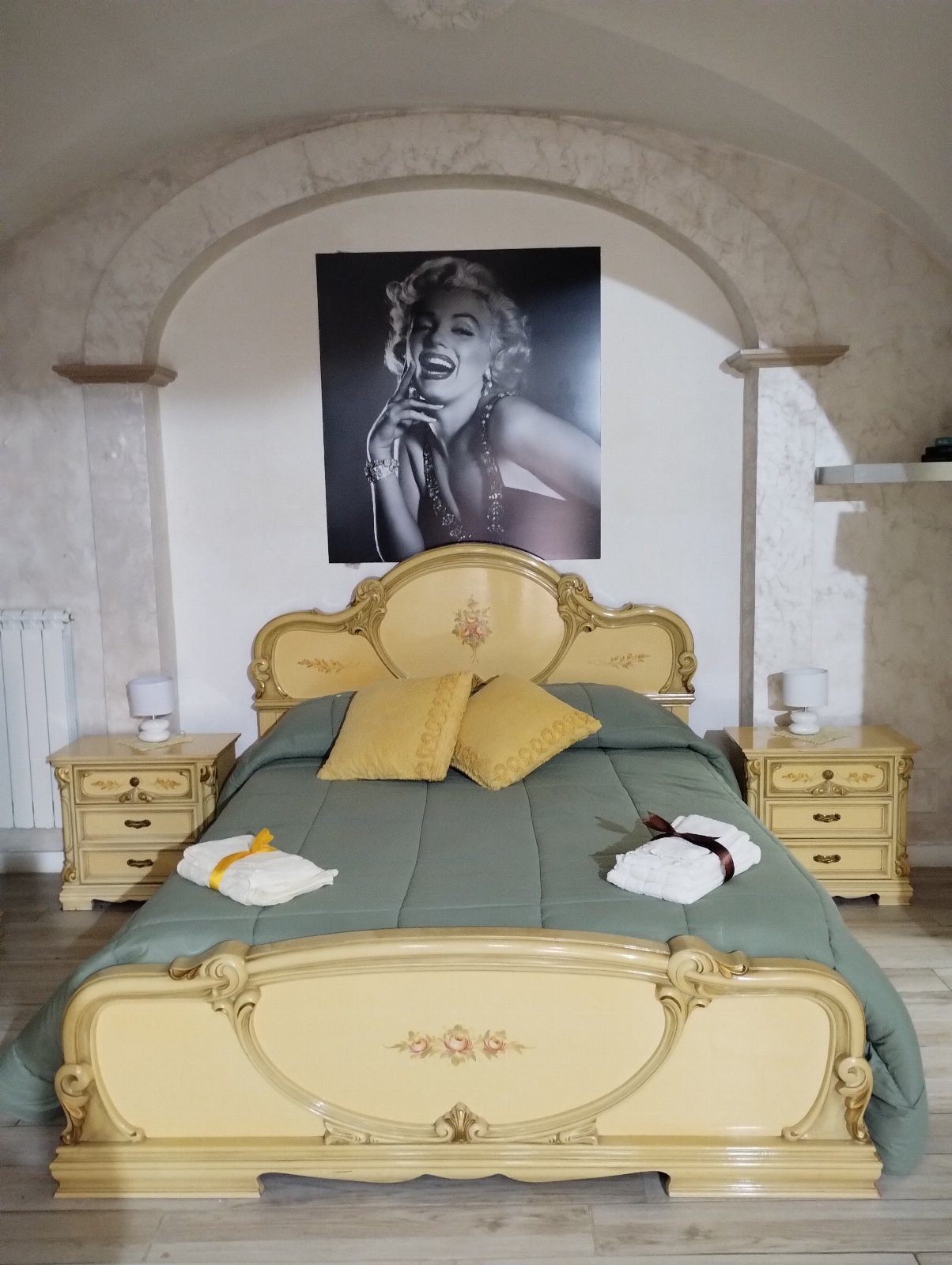
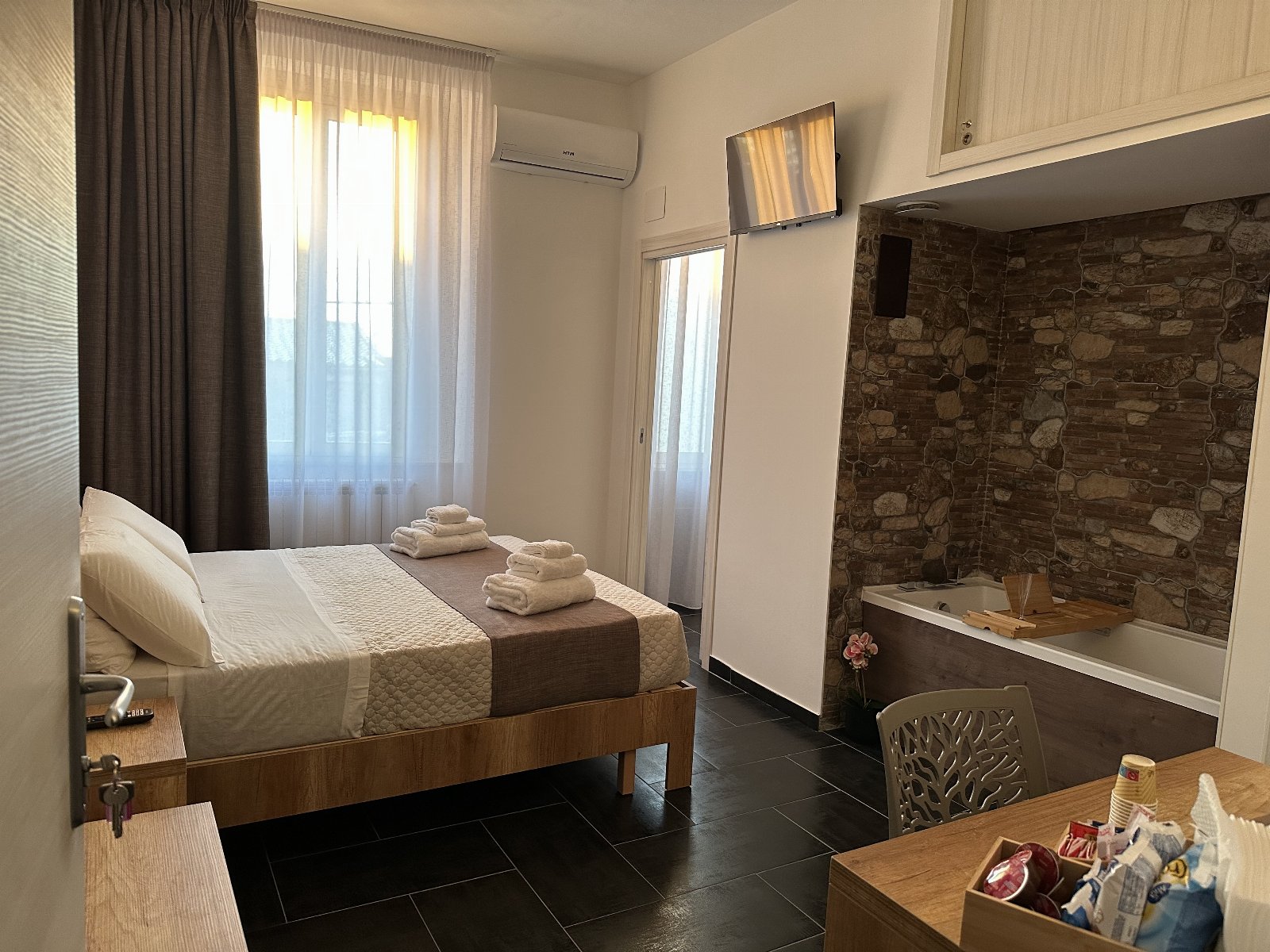
To truly appreciate the charm of the city and its surrounding areas, it is best to stay for at least two or three nights. This allows you to explore the city in the morning and take day trips to the coast or the mountains without feeling rushed. A central location is key for convenience. A Vibo Valentia sono disponibili 2 alloggi selezionati. Scopri gli alloggi a Vibo Valentia. Staying in the heart of the city ensures you are within walking distance of the best cafes and historical landmarks, making your holiday both relaxing and culturally enriching.