A Culinary Journey Through the Cuisine of Vibo Valentia, Calabria
Welcome to Vibo Valentia, a hidden gem perched on a plateau overlooking the shimmering Tyrrhenian Sea. This corner of Calabria is not just a destination for history buffs and beach lovers; it is a profound gastronomic sanctuary where the earth and the sea engage in a centuries-old dialogue. The cuisine of Vibo Valentia, Calabria, is a testament to the resilience and creativity of its people, blending the rugged traditions of the inland mountains with the vibrant, sun-drenched flavors of the Costa degli Dei.
As you traverse the winding streets of this ancient city, you will find that food is the primary language of hospitality. From the spicy kick of local chili peppers to the delicate sweetness of sun-dried figs, every bite tells a story of ancient Greek, Roman, and Norman influences. Whether you are seeking a rustic trattoria tucked away in an alley or a refined dining experience overlooking the harbor, Vibo Valentia promises a sensory journey that will linger in your memory long after you return home.
I piatti tipici che devi assaggiare
The culinary landscape of Vibo Valentia is defined by bold, unapologetic flavors. First on your list must be Fileja, the signature pasta of the region. Hand-rolled using a thin wooden stick called a "dinaculu," this long, twisted pasta is traditionally served with a rich, slow-cooked goat or pork ragù. You can find authentic versions in the local trattorias around the city center, where the pasta is still made fresh daily by hand.
Another essential dish is Morzello Vibonese, a hearty, spicy stew made from calf offal. Historically a working-class meal, it is now a celebrated delicacy, usually served inside a warm "pitta" bread. For those who prefer the sea, Pesce Spada alla Bagnarese—swordfish cooked with olives, capers, and tomatoes—highlights the freshness of the local catch. You will find the best seafood-focused versions in the coastal hamlets near Vibo Marina.
Do not leave without trying Pitta di Patate, a savory potato pie stuffed with onions, olives, anchovies, and tuna, which showcases the clever use of simple, local ingredients. Finally, look for Lagane e Ceci, a rustic pasta dish with chickpeas that reflects the peasant roots of the area. These dishes are best enjoyed in family-run establishments where the recipes have been passed down through generations, ensuring that the authentic soul of the region remains intact.
I prodotti tipici del territorio
Vibo Valentia is an agricultural powerhouse, boasting a bounty of DOP and IGP products that define the Mediterranean diet. The most famous export is undoubtedly 'Nduja, a spicy, spreadable pork sausage from the nearby village of Spilinga. Infused with intense Calabrian chili peppers, it adds a fiery, complex depth to everything from pasta sauces to simple bruschetta. It is a true cultural icon of the province.
The region is also famous for its Cipolla Rossa di Tropea IGP, a sweet, succulent red onion that is incredibly versatile. Whether caramelized, pickled, or eaten raw in salads, its sweetness is unparalleled. Furthermore, the hills surrounding Vibo are dotted with groves producing exceptional Extra Virgin Olive Oil, characterized by its golden color and peppery finish, which forms the foundation of every dish in local kitchens.
No exploration of the local pantry is complete without mentioning the Fichi di Calabria. These figs are often dried and transformed into "crocette" (stuffed with walnuts and citrus peel) or dipped in dark chocolate. While the bergamot is more prevalent in the southern tip of the region, the citrus groves of Vibo provide exquisite lemons and oranges that flavor local liqueurs and desserts. When looking for the best base to explore these culinary delights, consider staying at a central location; you can find options at Vibo Valentia to ensure you are always close to the local markets.
I migliori ristoranti e trattorie
Dining in Vibo Valentia is an exercise in warm hospitality. Trattoria Il Vecchio Forno is a local institution, offering a cozy, rustic environment where the scent of wood-fired bread greets you at the door. Their house specialty is the Fileja with wild boar sauce, and the pricing is very accessible, making it perfect for a casual yet memorable lunch. For a more elevated experience, Ristorante L'Approdo at Vibo Marina offers stunning sea views and refined seafood dishes, focusing on the catch of the day. It is slightly more expensive, but the quality of the ingredients is unmatched.
If you prefer an authentic, unpretentious atmosphere, Osteria del Borgo in the historic center serves traditional dishes in a stone-walled building that feels like stepping back in time. Their menu changes seasonally, ensuring that you are always eating fresh, local produce. The staff is passionate and eager to explain the origin of every ingredient, providing a true masterclass in local gastronomy. It is a mid-range gem that captures the essence of Vibo's food culture perfectly.
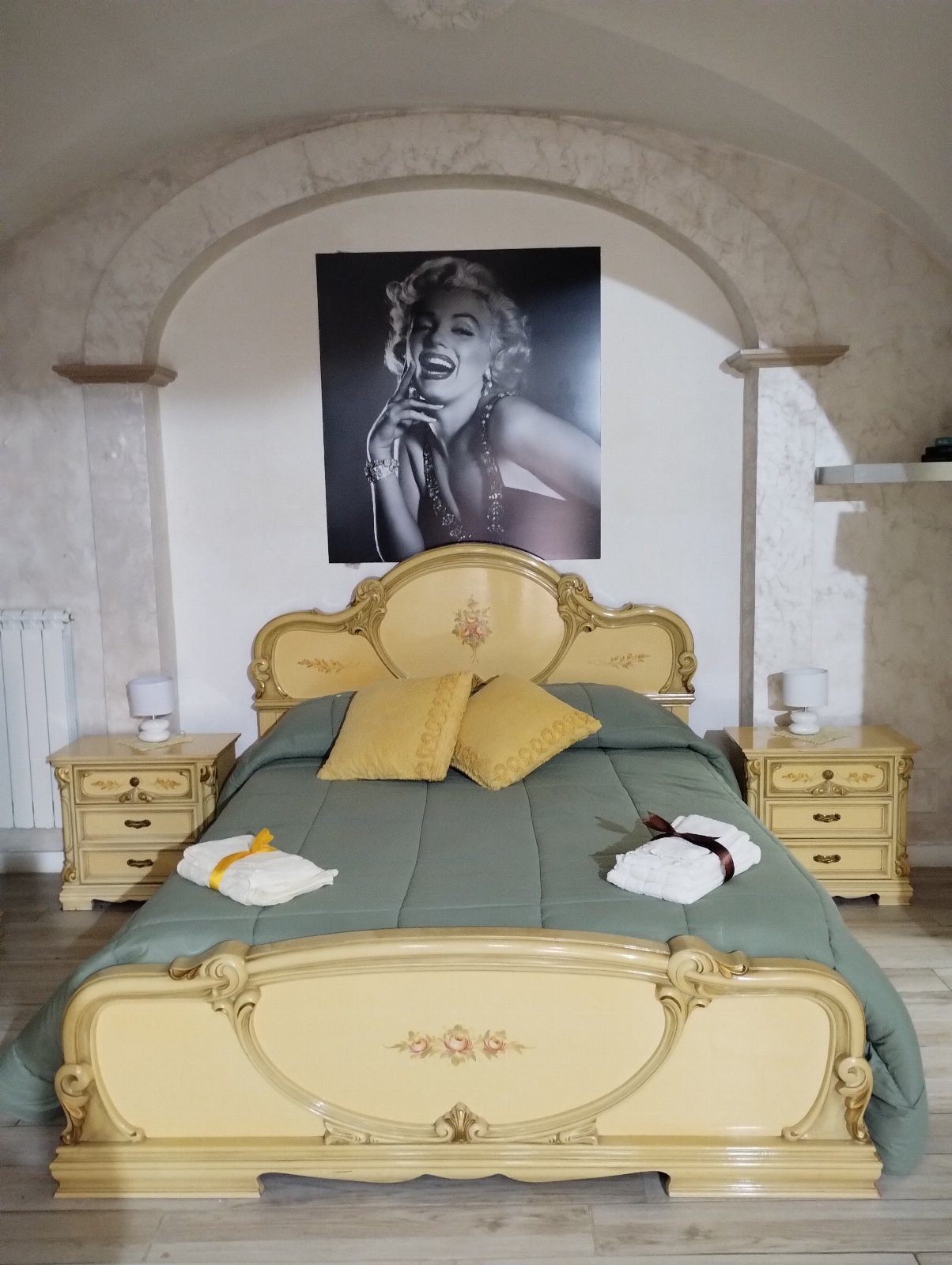
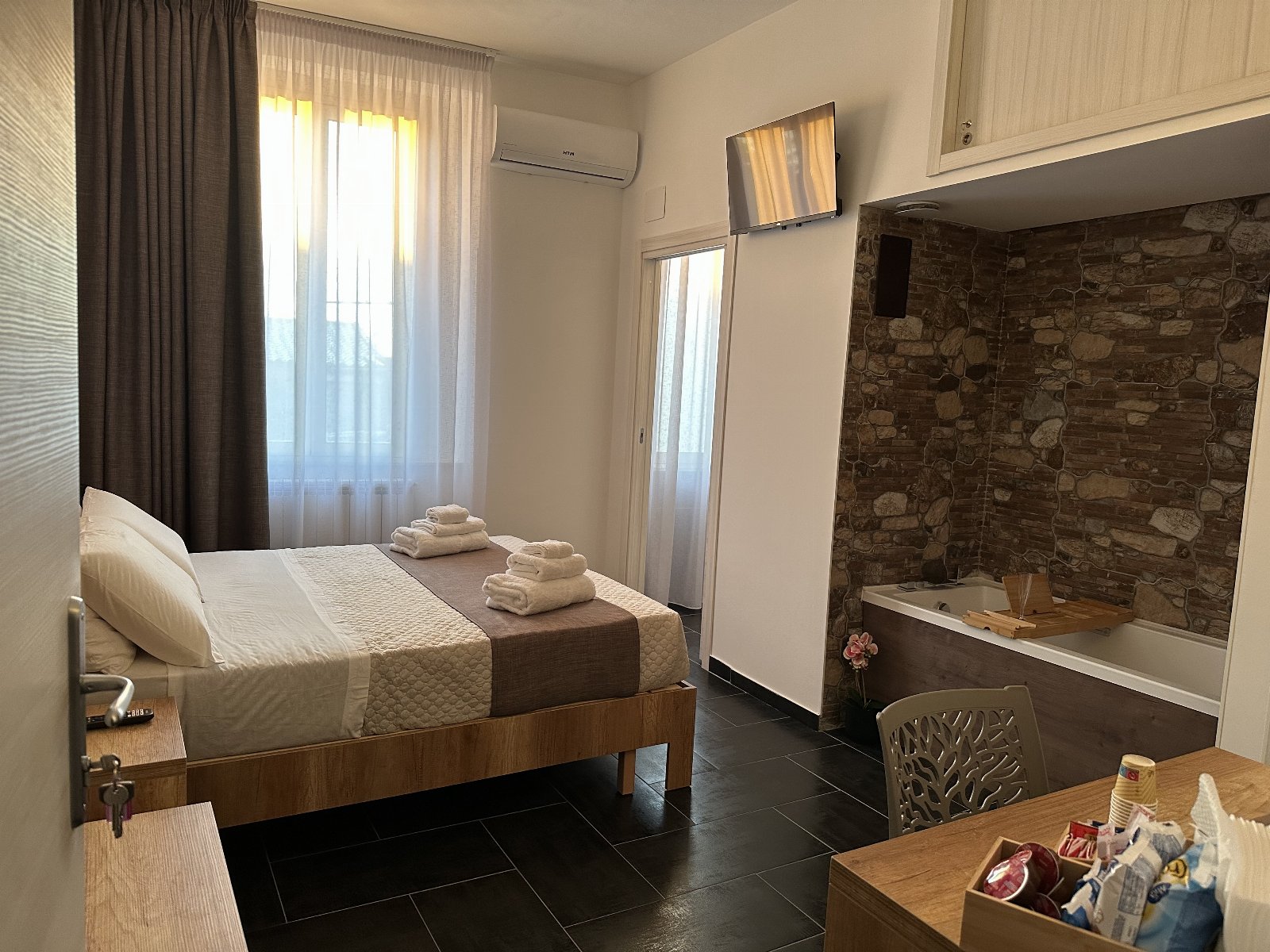
For those interested in exploring these eateries at their own pace, staying in a centrally located property is essential. A well-placed accommodation allows you to wander from dinner back to your room with ease. A Vibo Valentia sono disponibili 2 alloggi selezionati. Scopri gli alloggi a Vibo Valentia. These selections provide the perfect comfort to recharge after a day of culinary exploration.
Vini e liquori calabresi
Calabrian viticulture is experiencing a magnificent renaissance, and Vibo Valentia is the perfect place to sample the best labels. The Cirò DOC, made from the Gaglioppo grape, is the region's most famous red. It is robust, tannic, and pairs perfectly with the spicy notes of local 'nduja. You will also find excellent wines from the Lamezia DOC area, which are increasingly gaining international recognition for their elegance and balance.
For those who prefer white wines, look for local bottles made from the Greco Bianco grape, which offers a crisp, mineral freshness ideal for the warm Calabrian climate. If you are seeking something truly unique, try the Greco di Bianco, a rare and exquisite dessert wine known for its notes of honey and dried apricots. It is a true nectar of the gods that reflects the ancient history of the Ionian and Tyrrhenian coastlines.
The meal almost always ends with a digestivo. Amaro del Capo, produced in the province, is the most famous herbal liqueur in Italy, made from 29 different herbs and spices. Many local restaurants also offer house-made Limoncello or Liquore alla Liquirizia (licorice liqueur), which is incredibly popular in this part of Italy. Sipping these on a terrace as the sun sets over the sea is a mandatory part of the Vibo experience.
Mercati e sagre gastronomiche
To truly understand the heartbeat of Vibo Valentia, you must visit its markets. The Mercato Rionale is a vibrant explosion of colors and scents, where local farmers sell everything from sun-ripened tomatoes and fresh herbs to artisanal cheeses like Pecorino del Poro. Engaging with the vendors here is a cultural experience in itself; they are often happy to share tips on how to prepare their produce.
Throughout the year, the province hosts numerous sagre (food festivals). The Sagra della 'Nduja in Spilinga, usually held in August, is the most famous, attracting thousands of food lovers who come to celebrate the spicy sausage with music, dancing, and endless tastings. In the autumn, various festivals celebrate the harvest of mushrooms, chestnuts, and olives, offering a unique opportunity to taste traditional recipes that are rarely found in restaurants.
If you are planning your trip, check the local calendar for the Sagra del Tonno in the coastal areas, where the tradition of tuna fishing is honored with elaborate dishes. These events are the best way to mingle with locals and experience the authentic, festive spirit of Calabria. Whether it is a small village fair or a larger town festival, the food is always prepared with pride and served with a smile.
Esperienze culinarie da fare
Beyond eating, Vibo Valentia offers immersive culinary experiences that bring you closer to the source of your food. Many local agriturismi (farm-stays) offer cooking classes where you can learn the art of hand-rolling Fileja or preparing the perfect tomato sauce. These workshops often start with a tour of the farm, allowing you to pick your own vegetables, which you then transform into a delicious lunch.
For wine lovers, a visit to a local winery is a must. Many producers near the coast offer guided tours of their vineyards, followed by a professional tasting session that explains the unique volcanic soil and sea-breeze influence on the grapes. It is a fantastic way to learn about the history of winemaking in the region while enjoying the stunning landscape of the Calabrian hills.
Finally, consider a truffle hunting excursion in the nearby Serre mountains or a visit to a dairy farm to see how traditional Pecorino del Poro is made. These hands-on experiences provide a deeper appreciation for the labor and passion that go into every product. By participating in these activities, you become more than a tourist; you become a participant in the living tradition of Vibo Valentia’s culinary heritage. For a comfortable base to return to after your adventures, remember to check out the options at Vibo Valentia to ensure your stay is as memorable as the food.