Unveiling the Hidden Gem: What to See in Verbicaro, Calabria
Perched majestically on the slopes of the Pollino massif, Verbicaro is a breathtaking mountain village that offers a profound journey into the heart of Calabria. Far removed from the crowded coastal resorts, this ancient town is a labyrinth of narrow alleys, stone-arched doorways, and a history that whispers from every corner. Visiting Verbicaro means stepping back in time, immersing yourself in a culture where traditions, local viticulture, and the rugged beauty of the Southern Italian landscape converge to create an unforgettable travel experience.
As you approach Verbicaro, the first thing that strikes you is its unique topography. The village seems to sprout directly from the rock, with houses stacked vertically, creating a dramatic architectural silhouette against the sky. For the discerning traveler seeking authentic Italian experiences, Verbicaro offers a rare glimpse into a lifestyle that has remained largely unchanged for centuries. Whether you are a history buff, a nature lover, or a culinary enthusiast, this village serves as a perfect base to explore the hidden treasures of the Cosenza province.
The Top 5 Must-See Attractions in Verbicaro
The first and most iconic site is the Church of the Assumption of the Blessed Virgin Mary (Chiesa dell'Assunta). Located in the heart of the historic center, this church is the spiritual and architectural anchor of the town. Its interior houses precious works of art, including 18th-century paintings and intricate woodwork that reflect the deep religious devotion of the local population. It is generally open during morning and late afternoon hours, and entry is free, though a small donation for maintenance is always appreciated. Be sure to admire the bell tower, which offers a stunning vantage point over the village rooftops.
Second, you must explore the ancient narrow streets of the historic center, often referred to as the "u vico." Walking through these winding alleys is an attraction in itself. You will encounter the traditional portali (stone portals) of noble houses, some dating back to the 16th and 17th centuries. There are no tickets or specific hours for this; simply get lost in the maze of stone steps and hidden courtyards. It is best to visit in the mid-morning when the sunlight filters through the narrow gaps, highlighting the unique textures of the local stone.
Third, the Verbicaro Wine Cellars are a must-visit for any gourmand. The town is famous for its robust red wine, historically produced in natural rock-hewn cellars. While many are private, several local producers offer tours and tastings. These cellars are often cool, dark, and filled with the scent of oak and aging grapes. We recommend booking in advance through local tourism boards to ensure a personalized experience, as these are small-scale, family-run operations. Prices for tastings usually range from 15 to 30 euros depending on the selection.
Fourth, visit the Piazzetta del Popolo. This is the social heart of Verbicaro, where locals gather to chat, play cards, and enjoy the slow pace of life. It’s the perfect place to sit at a bar, order an espresso or a local aperitif, and soak in the atmosphere. The square is surrounded by historic buildings and offers a panoramic view of the valley below. It is open 24/7, and the best time to visit is during the "passeggiata" hour, just before sunset, when the whole village comes alive.
Finally, the Viewpoint of the Cross (Croce di Verbicaro) offers the most spectacular panoramic view of the surrounding mountains and the Tyrrhenian Sea in the distance. A short hike leads you to this elevated spot, which is particularly breathtaking at golden hour. There is no entry fee, and it is accessible at any time. It is a place of peace and reflection, providing the perfect backdrop for photography enthusiasts looking to capture the dramatic contrast between the high peaks of the Pollino and the blue Mediterranean horizon.
Museums and Cultural Sites
Verbicaro’s cultural heritage is best preserved in its small but significant ethnographic collections. While the town does not have a massive museum complex, the Civic Museum of Rural Life is a hidden gem. This site showcases traditional farming tools, vintage household items, and documents that tell the story of the socio-economic evolution of the village. It is typically open by appointment or during summer cultural festivals. To reach it, follow the signs toward the upper part of the old town; the walk itself is a lesson in local history.
Another cultural site worth noting is the collection of historic noble palaces scattered throughout the town. While many remain private residences, their facades are open-air museum pieces. The architectural style, characterized by heavy stone lintels and coats of arms, narrates the influence of feudal families on the development of the region. Visitors interested in history should consult the local tourist office or engage with local guides who can provide access to specific courtyards that have been restored to their former glory.
Churches and Historic Monuments
The religious architecture of Verbicaro is deeply intertwined with its history as a strategic mountain settlement. Beyond the main church, the Chapel of San Francesco stands as a testament to the influence of monastic orders in the area. Its humble yet elegant design provides a quiet space for contemplation. The local community takes great pride in maintaining these structures, often adorning them with fresh flowers and seasonal decorations that make every visit unique.
Regarding military history, although no massive castles remain intact, the remnants of the defensive walls and watchtowers are still visible. These structures were once essential for protecting the village from Saracen raids and internal feuds. Walking the perimeter of the historic center, you can still trace the line of these ancient fortifications. It is fascinating to see how modern homes have been built directly onto these medieval foundations, a perfect example of the continuity of life in Verbicaro.
Nature and Natural Parks
Verbicaro sits at the gateway to the Pollino National Park, the largest national park in Italy. The surrounding landscape is dominated by dense forests of beech and pine, and rugged limestone peaks. For hiking enthusiasts, the trails leading out of the village offer routes for all skill levels. The Fiumara di Verbicaro, a river valley characterized by crystal-clear waters and lush vegetation, provides a refreshing escape during the warmer months, perfect for trekking or simple nature photography.
The biodiversity here is staggering. In the spring, the meadows surrounding the village are covered in wildflowers, while the autumn brings the vibrant colors of the changing leaves. Birdwatchers might even spot the golden eagle, which nests in the higher crags of the park. We recommend hiring a local mountain guide if you plan to venture deep into the park, as the terrain can be challenging and the weather in the mountains changes rapidly. Always carry appropriate gear and plenty of water.
A Perfect Day in Verbicaro: 8-Hour Itinerary
To optimize your visit, start your morning at 9:00 AM with a hearty breakfast at a local cafe in the main square, enjoying fresh pastries and local honey. Spend the morning (10:00 AM - 12:30 PM) exploring the historic center, focusing on the stone portals and the Church of the Assumption. At 1:00 PM, find a traditional trattoria to enjoy local mountain cuisine, such as homemade pasta with wild boar sauce or local cheeses paired with a glass of Verbicaro wine.
In the afternoon (2:30 PM - 5:00 PM), take a scenic hike toward the viewpoint or visit the local wine cellars for an educational tasting. As the sun begins to set (5:30 PM - 7:00 PM), head to the Croce di Verbicaro to watch the sky turn shades of purple and orange over the mountains. Finish your day with an aperitivo in the main square, chatting with the locals and reflecting on the timeless beauty of this mountain retreat. This balanced itinerary ensures you see the highlights while respecting the slow rhythm of the village.
What to See in the Surroundings
If you have extra time, Verbicaro serves as an excellent base for exploring Northern Calabria. Within 30-60 minutes, you can reach Scalea, a famous coastal town with a stunning medieval center and beautiful beaches. Another nearby gem is Diamante, known for its vibrant street art murals and the famous "Peperoncino" festival. For nature lovers, the River Lao Canyon offers thrilling rafting experiences that are world-renowned.
You can also visit the ruins of Cirella, an ancient settlement overlooking the sea, which provides a dramatic contrast to the mountain setting of Verbicaro. Whether you prefer the salt air of the Tyrrhenian coast or the rugged trails of the inland mountains, staying in Verbicaro allows you to enjoy the best of both worlds with ease.
Where to Stay to Visit Verbicaro with Ease
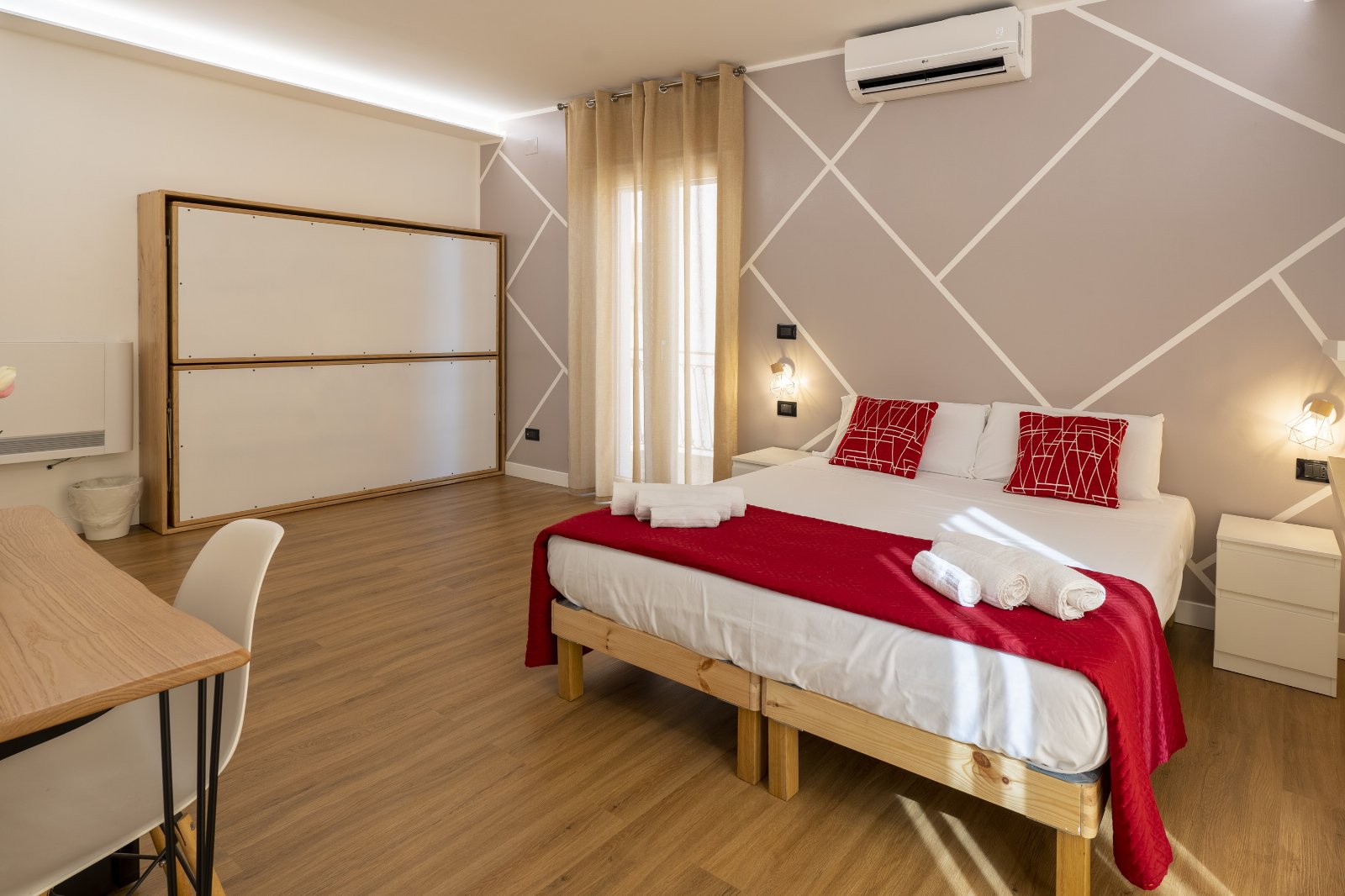
Choosing the right accommodation is essential for a relaxing trip. Staying in the heart of the village allows you to wake up to the sounds of the mountains and the smell of fresh mountain air. Whether you are looking for a rustic apartment or a cozy guesthouse, the options in the area cater to those who appreciate authenticity and comfort. A stay here is not just about a place to sleep; it is about becoming part of the village life for a few days.
A Verbicaro sono disponibili 1 alloggi selezionati. Scopri gli alloggi a Verbicaro. By choosing to stay locally, you support the sustainable tourism economy of this beautiful Verbicaro community, ensuring that its history and traditions remain vibrant for future generations to discover.