Cosa Vedere Tropea Calabria: The Ultimate Travel Guide to the Pearl of the Tyrrhenian Sea
Perched dramatically on a sheer sandstone cliff overlooking the crystal-clear waters of the Tyrrhenian Sea, Tropea is undeniably the crown jewel of Calabria. Often referred to as the "Pearl of the Tyrrhenian," this enchanting coastal town offers a mesmerizing blend of ancient history, stunning architecture, and some of the most beautiful beaches in the Mediterranean. If you are searching for the perfect southern Italian getaway, Tropea delivers an unforgettable experience that perfectly balances cultural exploration with pure seaside relaxation.
Whether you are wandering through its maze of cobblestone streets, marveling at the noble palaces, or tasting the world-famous sweet red onions, every corner of this town tells a story. Planning a trip here means immersing yourself in vibrant local traditions, breathtaking panoramic viewpoints, and a rich historical tapestry that dates back to Roman and Byzantine times. This comprehensive guide will walk you through everything you need to know to make the most of your Calabrian adventure.
Main Attractions in Tropea
When exploring Tropea, there are five absolute must-see attractions that define the essence of the town. The most iconic is undoubtedly the Sanctuary of Santa Maria dell'Isola. Sitting atop a rocky promontory that juts out into the sea, this medieval monastic church is the symbol of Tropea. Originally a Byzantine hermitage, the sanctuary requires visitors to climb a winding staircase carved directly into the rock. It is open daily from 9:00 AM to 12:30 PM and 3:00 PM to 7:00 PM (hours may vary by season), with an entrance fee of around €3.00 to access the beautiful Mediterranean gardens at the top, which offer unparalleled views of the coastline.
The second unmissable experience is getting lost in the Tropea Historic Center. The ancient heart of the town is a labyrinth of narrow alleys, hidden squares, and majestic noble palaces dating back to the 18th and 19th centuries. Strolling through the center is completely free and available 24/7. As you walk, you will find the third key attraction: the Panoramic Viewpoints (Affacci). The most famous is the Affaccio del Corso at the end of Corso Vittorio Emanuele, providing a sheer drop view of the white sandy beaches below and, on clear days, the smoking volcano of Stromboli on the horizon.
No visit is complete without experiencing the Beaches of Tropea. Spiaggia della Rotonda and Marina dell'Isola feature blindingly white sand and turquoise waters. While there are private lidos where you can rent two sunbeds and an umbrella (ranging from €20 to €40 depending on the season), there are also generous stretches of free public beach. Finally, take time to visit the Port of Tropea. Located at the base of the town, this bustling marina is the perfect starting point for boat tours along the Costa degli Dei (Coast of the Gods) or day trips to the Aeolian Islands. Booking a sunset cruise from the port is highly recommended for a truly magical evening.
Museums and Cultural Sites
Beyond its stunning beaches, Tropea boasts a rich cultural heritage preserved within its museums and historical sites. The Diocesan Museum (Museo Diocesano) is the premier cultural institution in town, located inside the historic Bishop's Palace directly across from the Cathedral. This museum houses an impressive collection of sacred art, intricate silverwork, wooden statues, and religious vestments spanning from the Middle Ages to the 19th century. It offers a profound look into the religious devotion and wealth of the local diocese. The museum is generally open from April to October (10:00 AM to 1:00 PM and 4:00 PM to 8:00 PM), with an affordable entrance fee of approximately €3.00.
Another fascinating stop is the Civic Museum of the Sea (Museo Civico del Mare), often hosted in the beautiful Palazzo Santa Chiara. This smaller, specialized museum focuses on the marine biology and paleontology of the Calabrian coast. It features intriguing exhibits of ancient marine fossils found in the local sandstone cliffs, alongside displays of the diverse flora and fauna that inhabit the Tyrrhenian Sea today. It is a fantastic educational stop, especially for families traveling with children.
All of these cultural sites are conveniently located within the pedestrian-friendly historic center. Because the streets are narrow and parking is limited, the best way to explore is on foot. Securing a central holiday home in Tropea allows you to step out of your door and immediately immerse yourself in the town's history, making it incredibly easy to visit these museums early in the morning before the midday heat sets in.
Churches and Historical Monuments
Tropea's architectural landscape is dominated by magnificent religious structures and historical monuments. The most significant of these is the Norman Cathedral (Duomo di Tropea), officially known as the Cathedral of Maria Santissima di Romania. Built in the 12th century during the Norman occupation, the cathedral features a striking, austere stone façade. Inside, visitors can admire the revered icon of the Black Madonna of Romania, the patroness of Tropea, who is said to have protected the town from earthquakes and plagues. Intriguingly, the cathedral also displays two unexploded World War II bombs, which locals believe failed to detonate due to the Madonna's miraculous intervention.
As you wander the streets, you will encounter other beautiful churches, such as the Chiesa del Gesù and the Chiesa di San Michelicchio, each boasting unique architectural details and quiet, contemplative interiors. Alongside the churches, Tropea's historical identity is defined by its noble architecture. Look out for Palazzo Toraldo and Palazzo Braghò, which feature massive, intricately carved stone portals. These palaces once housed the wealthy aristocratic families that governed the region.
While Tropea itself does not have a towering Norman castle like some neighboring towns, its defensive history is still visible. The town was historically fortified with thick walls to protect against pirate raids. Along the surrounding coastline, you can still spot ancient Saracen watchtowers (Torri Costiere), built in the 16th century to warn locals of approaching Ottoman fleets. These stone sentinels add a layer of rugged historical romance to the beautiful coastal landscape.
Nature and Natural Parks
While Tropea is globally renowned for its coastal beauty along the Costa degli Dei, it also serves as a gateway to Calabria's spectacular natural landscapes. The immediate coastline is a natural wonder in itself, characterized by dramatic granite cliffs, hidden coves, and rich marine life that makes it a paradise for snorkeling and scuba diving. Just a short drive south, the promontory of Capo Vaticano offers pristine natural beaches surrounded by centuries-old olive trees, prickly pears, and vibrant Mediterranean scrub.
For those looking to trade the sea for the mountains, the inland areas offer a dramatic contrast. While the massive Sila and Aspromonte National Parks require a longer drive, the nearby Serre Regional Park is easily accessible for a day trip. This mountainous region is famous for its dense, ancient forests of beech and silver fir trees. It is a haven for hikers and nature lovers looking to escape the summer coastal heat, offering well-marked trails that lead to hidden waterfalls and historic monasteries.
A unique geological feature of the Calabrian landscape that you can explore nearby are the fiumare. These are wide, seasonal riverbeds that rush with water during the winter rains but dry up into striking, stony canyons during the summer. Guided trekking excursions often use these dry riverbeds as pathways to explore the rugged, untouched hinterland of the region, providing a truly off-the-beaten-path adventure for outdoor enthusiasts.
One-Day Itinerary
If you only have one day to spend in Tropea, optimizing your eight hours is key to experiencing the magic of the town. Start your morning at 9:00 AM with a traditional Italian breakfast of espresso and a warm cornetto at a café in Piazza Ercole. From there, spend the next two hours wandering the historic center. Visit the Norman Cathedral, admire the noble palaces, and step inside the Diocesan Museum. By 11:30 AM, make your way to the famous viewpoints to snap photos of the breathtaking cliffs and the turquoise sea below.
For lunch, around 1:00 PM, settle into a traditional trattoria tucked away in one of the narrow alleys. You must try the local specialties: order a plate of Fileja (a traditional handmade Calabrian pasta) tossed with a rich sauce made from spicy 'Nduja and the sweet, world-renowned Tropea red onions. Pair this with a glass of local Cirò wine for an authentic culinary experience.
In the afternoon, from 3:00 PM to 6:00 PM, it is time to hit the beach. Head down the stairs to Spiaggia della Rotonda for a refreshing swim. Afterward, tackle the steps up to the Sanctuary of Santa Maria dell'Isola to explore the gardens and enjoy the panoramic views. Finally, conclude your day between 6:00 PM and 8:00 PM with a classic Italian aperitivo. Grab a spritz at a cliffside bar, relax, and watch the sun dip below the horizon, often setting directly behind the Aeolian island of Stromboli. If you want to experience this perfect day without rushing, booking a stay in Tropea is highly recommended.
What to See Nearby
Tropea is an excellent base camp for exploring the wider province of Vibo Valentia, with several incredible destinations located just 30 to 60 minutes away. Just 40 minutes to the north lies the charming town of Pizzo Calabro. Pizzo is famous for two things: the imposing Castello Murat, where the King of Naples (and Napoleon's brother-in-law) Joachim Murat was imprisoned and executed, and the legendary Tartufo di Pizzo, a decadent hazelnut and chocolate ice cream dessert with a molten chocolate core.
Just 15 minutes south of Tropea is Capo Vaticano. If you thought Tropea's beaches were beautiful, Capo Vaticano will leave you speechless. The Belvedere viewpoint near the lighthouse offers what is widely considered one of the most beautiful coastal panoramas in all of Italy, looking down over jagged cliffs and crystal-clear bays like Grotticelle beach.
For a dose of ancient history, drive 30 minutes inland to the fascinating Caves of Zungri (Grotte di Zungri). Often called the "City of Stone," this unique archaeological site is a rural rock settlement dating back to the Byzantine era. Visitors can explore dozens of caves carved directly into the sandstone hillside, which were used as homes, silos, and water cisterns by monks and farmers centuries ago.
Where to Stay to Visit Tropea Peacefully
To truly appreciate the beauty of the Pearl of the Tyrrhenian Sea, staying overnight is essential. While the town is bustling with day-trippers during the peak afternoon hours, the early mornings and late evenings offer a magical, tranquil atmosphere that you can only experience if you sleep locally. Waking up to the sound of the waves and taking a quiet morning stroll through the empty cobblestone streets before the crowds arrive is an unforgettable experience.
A Tropea sono disponibili 9 alloggi selezionati. Scopri gli alloggi a Tropea.
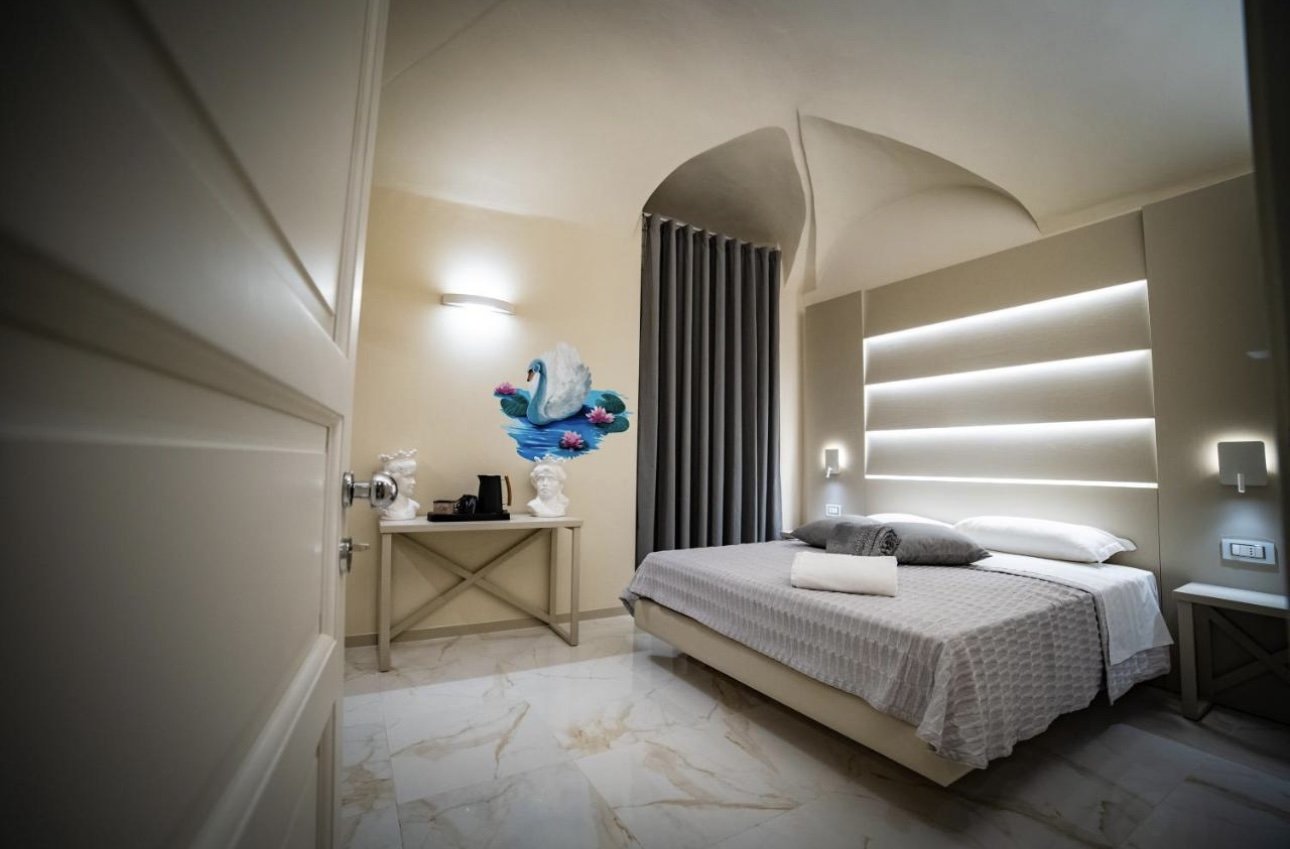
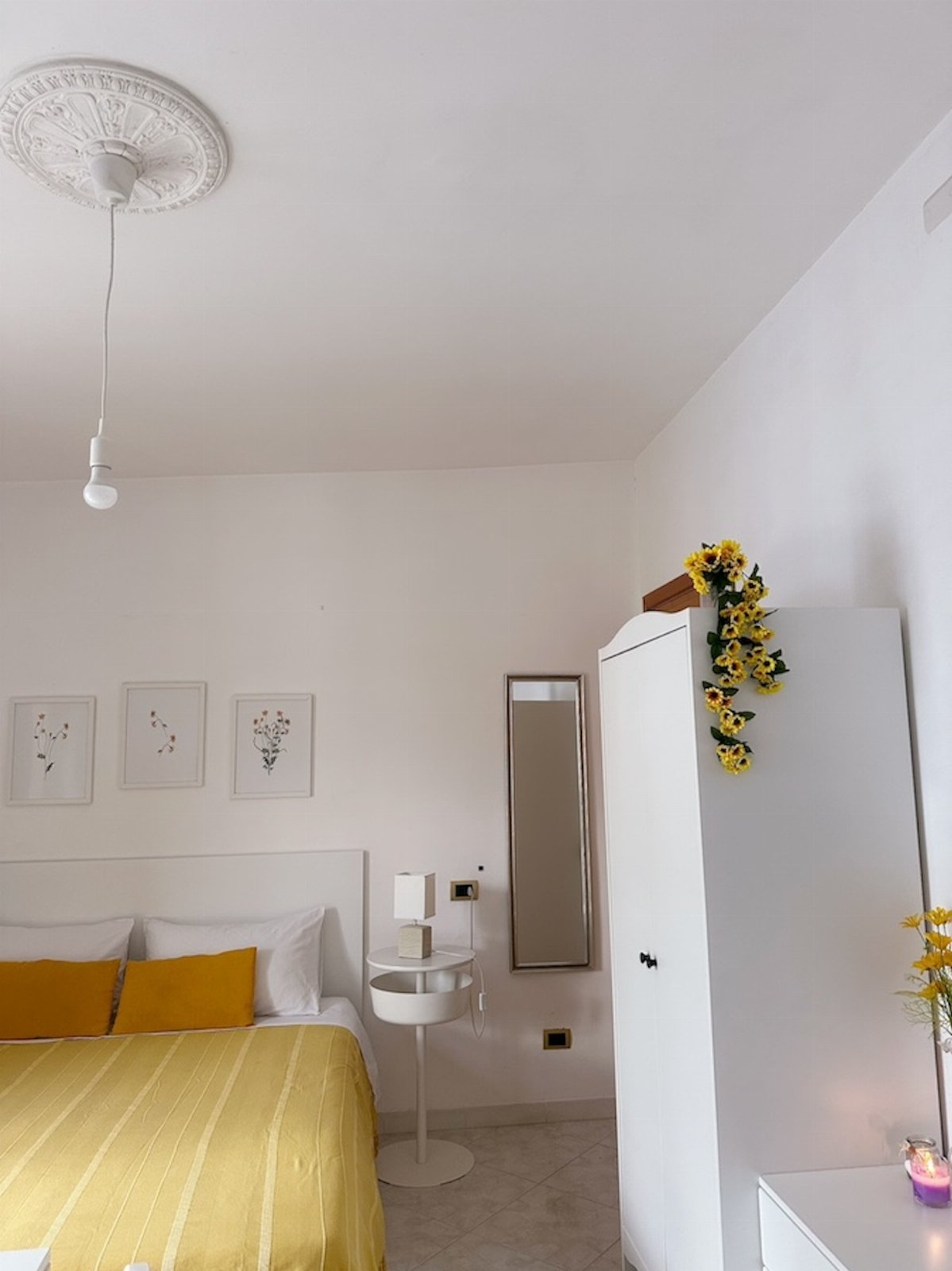
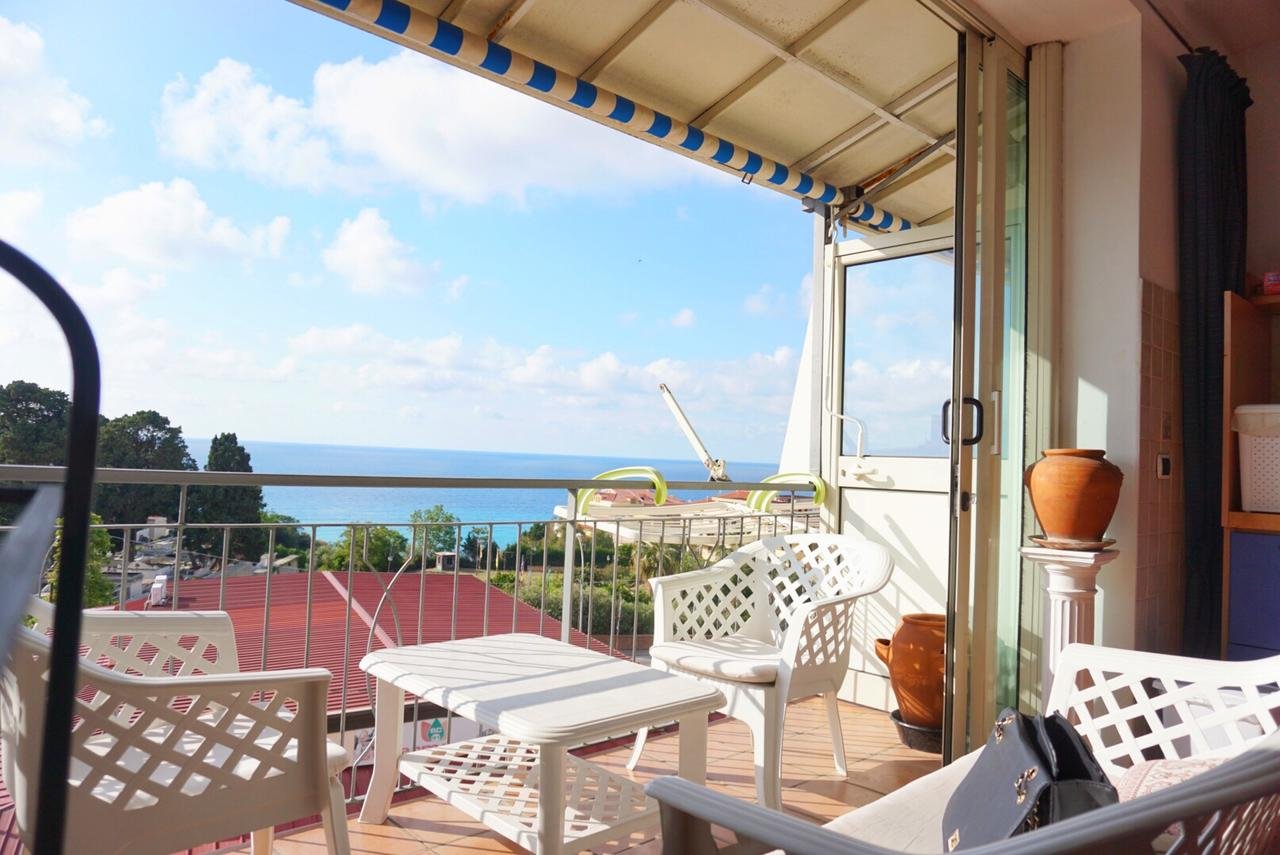
Whether you prefer a modern apartment with a sea-view balcony, a cozy room tucked inside a historic 18th-century palazzo, or a quiet retreat just outside the bustling center, finding the right accommodation will elevate your Calabrian holiday. Staying locally also gives you the flexibility to take afternoon siestas during the hottest part of the day, ensuring you have plenty of energy to enjoy Tropea's vibrant evening nightlife and world-class seafood restaurants.