Discovering the Hidden Gems: What to see in Sant'Ilario dello Ionio, Calabria
Sant'Ilario dello Ionio is a captivating destination nestled in the heart of the Locride area, in the province of Reggio Calabria. Perched on a panoramic hill overlooking the Ionian Sea, this village offers a unique blend of history, breathtaking landscapes, and an authentic glimpse into traditional Calabrian life. While many tourists flock to the famous coastal resorts, those who venture into the hinterland are rewarded with narrow cobblestone alleys, ancient stone architecture, and a silence that speaks of centuries of Mediterranean history.
Visiting this village means stepping back in time. The atmosphere is slow, the scents of wild herbs and blooming jasmine fill the air, and the hospitality of the locals is legendary. Whether you are a history enthusiast, a nature lover, or simply a traveler looking to escape the crowds, Sant'Ilario dello Ionio provides a serene sanctuary. In this guide, we will explore the wonders of this hidden corner of Calabria, helping you plan an unforgettable journey into its depths.
The Top 5 Must-See Attractions in Sant'Ilario dello Ionio
The first unmissable stop is the Historic Center. Wandering through the "vichi" (narrow alleys) allows you to admire the traditional stone portals, carved by local master stonemasons. These structures are the soul of the village, representing a unique architectural heritage that has survived the passage of time. There is no specific entrance fee, and it is accessible 24/7. We recommend visiting during the early morning to enjoy the soft light hitting the ancient stones.
The second attraction is the Church of San Ilario, the patron saint of the village. This church houses precious artistic treasures, including wooden statues and paintings from the 18th century. The interior is a testament to the religious devotion of the community. It is usually open during mass hours, and entry is free, though a small donation for maintenance is always appreciated. It is a place of profound peace where art and faith converge.
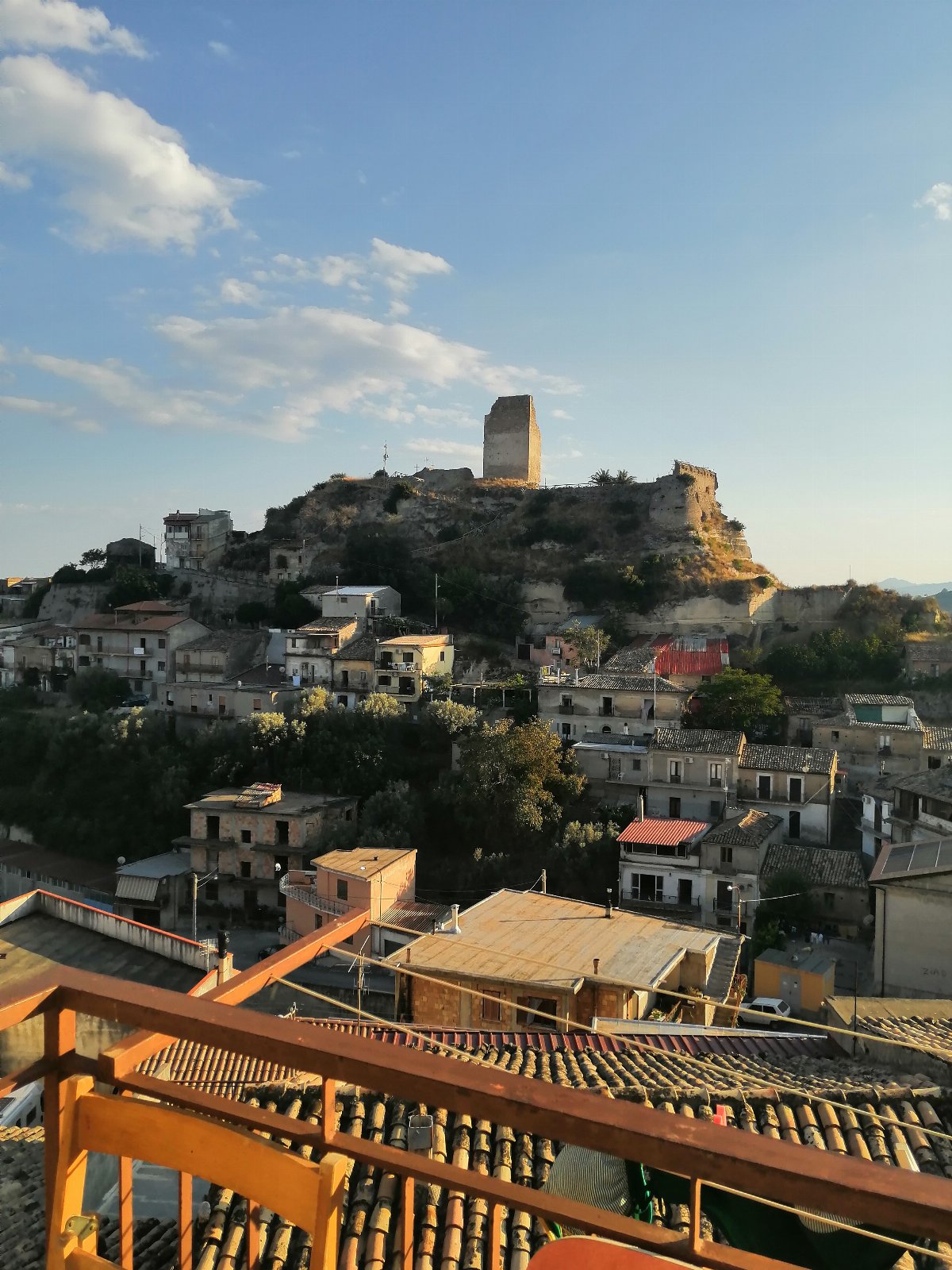
Third on our list is the Panoramic Belvedere. Located at the edge of the village, this viewpoint offers a spectacular perspective over the Ionian coast. On clear days, you can see as far as the eye can reach, with the sparkling blue sea contrasting against the lush green hills. It is the perfect spot for photography enthusiasts. It is open at all times, and there is no cost to enjoy this stunning natural balcony.
Fourth is the Ruins of the old village walls. These remnants tell the story of the defensive systems used in the Middle Ages to protect the inhabitants from pirate raids. Exploring these ruins provides a fascinating insight into the historical challenges faced by the people of the Locride region. It is an open-air site, free to visit, and best explored with comfortable walking shoes.
Finally, do not miss the local artisanal workshops. In Sant'Ilario dello Ionio, some artisans still practice ancient crafts such as weaving and wood carving. Visiting these workshops is a way to support the local economy and take home a piece of authentic Calabrian culture. Prices vary depending on the items, but the experience of seeing these masters at work is priceless. If you are looking for a place to stay, Sant'Ilario dello Ionio offers a unique opportunity to live among the locals.
Museums and Cultural Sites
The cultural heart of the area is best represented by the local documentation centers that preserve the memory of the territory. While the village is a museum in itself, the nearby archaeological sites of the Locride area, such as the famous Locri Epizefiri, provide a deeper historical context. You can reach the archaeological park in about 30 minutes by car. It is a must for anyone wanting to understand the Magna Graecia influence on this region.
The archaeological park of Locri is open daily from 9:00 AM until one hour before sunset. The ticket price is very affordable (usually around 5 euros), and it includes access to the museum which houses incredible finds such as the famous Pinakes (terracotta tablets). The museum is well-curated and provides an excellent overview of the ancient Greek civilization that once thrived along these shores.
To reach these sites from Sant'Ilario dello Ionio, the most convenient way is by car. The roads wind through scenic countryside, offering beautiful views of the Ionian coastline. Public transport is available but can be infrequent, so renting a car is highly recommended for those who want flexibility. Visiting these sites is a journey through time, connecting the dots between the prehistoric inhabitants, the Greeks, and the medieval settlers.
Churches and Historical Monuments
The architectural landscape of Sant'Ilario dello Ionio is dominated by religious buildings that serve as focal points for the community. Beyond the main church, there are several small chapels scattered throughout the territory, each with its own history and charm. These buildings often feature simple, austere facades that hide interior decorations of unexpected beauty, reflecting the humble yet proud nature of the local population.
The town's structure also reveals traces of defensive architecture. While grand castles are more common in the northern parts of the region, here you will find traces of fortified towers and lookout points. These served as vital defense mechanisms against the Saracen incursions that plagued the Ionian coast for centuries. Walking through the village, you will notice how the houses are built close together, a technique used to create a defensive barrier.
The local architecture is a perfect example of "spontaneous architecture," where buildings adapt to the rugged terrain. Every stone portal, every wrought-iron balcony, and every paved street tells a story of adaptation and resilience. For those interested in historical preservation, staying at a Sant'Ilario dello Ionio accommodation allows you to wake up surrounded by this rich historical tapestry.
Nature and Natural Parks
Nature in this part of Calabria is wild and untamed. The area is characterized by "fiumare," seasonal riverbeds that create dramatic landscapes. Hiking through the hills surrounding the village allows you to discover hidden waterfalls, ancient olive groves, and forests that offer a cool escape from the summer heat. The biodiversity here is rich, and if you are lucky, you might spot local wildlife.
For more extensive trekking, the Aspromonte National Park is reachable within a 45-minute drive. This massive protected area offers endless trails for all skill levels. Whether you are looking for a leisurely walk through pine forests or a challenging climb to the peaks, Aspromonte is a paradise for hikers. Remember to always bring plenty of water and wear appropriate footwear, as the terrain can be challenging.
The interaction between the sea and the mountain is what makes the nature of this region so special. You can spend the morning trekking in the mountains and be on the beach by the afternoon. This contrast is the hallmark of the Calabrian experience, offering visitors a dual perspective on the beauty of the Mediterranean landscape.
Itinerary in One Day
To optimize your visit in 8 hours, start your morning at 9:00 AM with a walk through the historic center. Take your time to admire the stone portals and the quiet atmosphere. By 11:00 AM, head to the Panoramic Belvedere to take in the views of the Ionian Sea. At 12:30 PM, enjoy a traditional lunch in a local trattoria, tasting dishes like "maccarruni" with goat ragu.
In the afternoon, around 2:30 PM, drive to the Archaeological Park of Locri to immerse yourself in the ancient history of Magna Graecia. Spend about two hours exploring the ruins and the museum. By 5:00 PM, return to the village for a relaxing stroll. Finally, at 6:30 PM, treat yourself to an aperitivo at a local bar in the piazza, watching the sunset over the hills before dinner.
This itinerary balances culture, history, and relaxation, ensuring you don't miss the highlights while maintaining a pace that allows you to enjoy the "dolce vita." For a longer stay, you can find the perfect base by exploring options at Sant'Ilario dello Ionio.
What to see in the surroundings
Within 30 to 60 minutes from Sant'Ilario, you can visit several fascinating locations. The town of Gerace is a must-see; it is one of the most beautiful medieval villages in Italy, famous for its cathedral and its many churches. Another gem is Stilo, known for the Cattolica, a small Byzantine church that is a masterpiece of architecture.
If you prefer the sea, the coastal towns of Roccella Ionica and Siderno offer beautiful beaches and vibrant promenades. Roccella is also home to a majestic castle overlooking the sea, perfect for an evening walk. These surrounding areas complement your visit to Sant'Ilario, providing a complete experience of the Locride region's diversity.
Where to stay to visit Sant'Ilario dello Ionio with calm
To truly appreciate the beauty of this village and its surroundings, staying locally is the best choice. It allows you to experience the evening atmosphere of the village when the day-trippers have left and the streets belong to the locals. A central location also makes it easier to manage your daily excursions to the coast or the mountains.
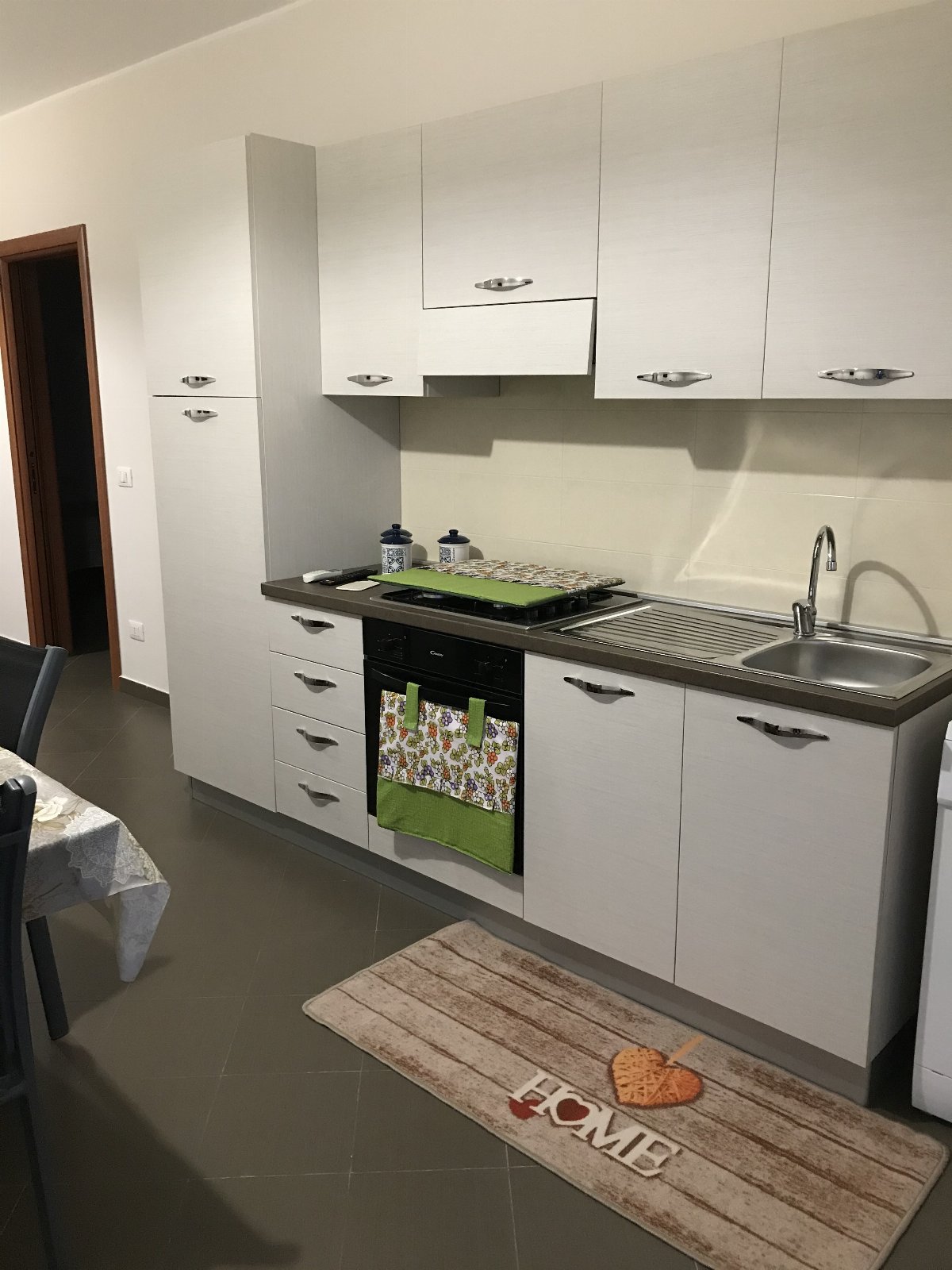
A Sant'Ilario dello Ionio sono disponibili 1 alloggi selezionati. Scopri gli alloggi a Sant'Ilario dello Ionio.