Discover the Hidden Gem: What to see in Sant'Andrea Apostolo dello Ionio, Calabria
Perched between the crystalline waters of the Ionian Sea and the rugged, verdant hills of the Serre Calabresi, Sant'Andrea Apostolo dello Ionio is a destination that captures the authentic soul of Southern Italy. Far from the crowded tourist tracks of the Amalfi Coast or Sicily, this village offers a unique blend of medieval history, breathtaking coastal landscapes, and a slow-paced lifestyle that feels like a journey back in time. Whether you are a history buff, a nature lover, or simply someone looking to escape the hustle of modern life, this town provides an immersive experience into the heart of Calabria.
The town is divided into two distinct parts: the ancient hilltop village, where stone-paved alleys wind between historic buildings, and the modern marina area, known for its pristine beaches and vibrant summer atmosphere. Exploring this dual identity allows visitors to experience the best of both worlds. From the architectural echoes of the past to the sun-drenched shores of the Ionian coast, Sant'Andrea Apostolo dello Ionio is a place where every corner tells a story of resilience, culture, and beauty. Planning a trip here requires a bit of curiosity, as the most beautiful spots are often tucked away behind unassuming wooden doors or at the end of winding mountain paths.
The 5 Unmissable Attractions: What to see in Sant'Andrea Apostolo dello Ionio, Calabria
The first stop on your journey should be the Historic Center (Borgo Antico). This labyrinth of narrow streets and stone arches is the heart of the town. Walking through the village, you will encounter the classic "case a schiera" (row houses) that define Calabrian architecture. There is no entrance fee, and it is best visited in the early morning or late afternoon when the golden hour light makes the stone facades glow. It is a photographer's paradise, offering glimpses of sea views framed by ancient doorways.
The Church of Saints Peter and Paul is the main religious landmark. It dates back to the 18th century and houses significant artistic treasures, including wooden statues and intricately carved altars. The church is usually open during mass hours in the morning and late afternoon. There is no admission fee, but visitors are expected to maintain a respectful silence. It stands as a testament to the community's deep-rooted faith and local craftsmanship.
The Spiaggia di Sant'Andrea is the jewel of the marina. With its fine, golden sand and crystal-clear turquoise waters, it is widely considered one of the cleanest stretches of the Ionian coastline. During the summer months, you can rent umbrellas and sunbeds at various lidos, but there are also vast stretches of free beach. It is perfect for swimming, snorkeling, and relaxing under the Mediterranean sun. Access is free and open 24/7.
The Torre di Sant'Andrea, a watchtower dating back to the late 16th century, serves as a silent guardian of the coast. Built to protect the village from pirate incursions, it is a fascinating piece of defensive architecture. While the interior is not always open to the public, the exterior offers a fantastic vantage point for panoramic photos of the coastline. It is best to visit during a sunset walk along the beach.
Finally, the Viewpoint of Largo Castello offers the most spectacular view of the surrounding valley and the sea. Located at the highest point of the old town, it provides a 360-degree perspective of the landscape. It is the ideal place to sit on a bench, enjoy a gelato, and watch the world go by. There is no cost to access this area, and it is accessible at any time of the day.
Museums and Cultural Sites
While the town itself is an open-air museum, the Museum of Rural Culture is a must-visit for those interested in the traditions of the Calabria region. It showcases ancient agricultural tools, traditional costumes, and household items that tell the story of the rural life that sustained the village for centuries. It provides a deep dive into the history of the local farmers and artisans. Check local municipal offices for seasonal opening hours, as they can vary.
The surrounding area is also rich in archaeological interest. Although there isn't a massive central museum, many artifacts recovered from the nearby hills are kept in local collections or in the larger museums in Catanzaro. To reach these sites, it is best to have a rental car. The local cultural association often organizes guided tours that explain the Greek and Roman heritage of the Ionian coast, connecting the dots between the ancient settlements and the modern village of Sant'Andrea Apostolo dello Ionio.
If you are planning to explore the region deeply, consider staying in a central location. You can find excellent options for Sant'Andrea Apostolo dello Ionio to serve as your base for these cultural excursions. Engaging with the locals is the best way to learn about the hidden sites that aren't on the maps, as many residents are proud to share the history of their ancestors.
Churches and Historic Monuments
The architectural landscape of the town is dominated by its religious heritage. Apart from the main church, several smaller chapels dot the old town, such as the Chapel of San Nicola. These smaller structures are often filled with local legends and religious icons that have been venerated for generations. The architecture reflects the influence of various rulers, from the Normans to the Spanish, resulting in a unique stylistic hybrid that is typical of Southern Italy.
The town's defensive history is also visible in the remains of the old walls and the layout of the streets, which were designed to confuse invaders. The narrow, winding paths were a strategic choice, and today they create a charming atmosphere for visitors. Walking through the town, you will notice the use of local stone and intricate ironwork on balconies, demonstrating the skill of the local blacksmiths and stonemasons who have kept these traditions alive for centuries.
Nature and Natural Parks
Nature lovers will find paradise in the nearby Serre Regional Park. This vast protected area is a haven for hikers and outdoor enthusiasts. The landscape changes from Mediterranean scrub near the sea to dense forests of beech and silver fir as you climb higher into the mountains. Numerous trails are marked for trekking, and many lead to hidden waterfalls and streams, such as the famous Cascata del Marmarico, which is reachable with a bit of effort.
The fiumare (seasonal riverbeds) are a unique geological feature of the area. These wide, rocky riverbeds are integral to the Calabrian landscape. During the wet season, they carry water to the sea, but in the summer, they become dry, white-stoned paths that are perfect for adventurous trekking or mountain biking. Always check weather conditions before exploring, as the terrain can change rapidly during heavy rains.
Itinerary in One Day
To optimize your 8-hour visit, start your morning at 9:00 AM in the Historic Center. Spend two hours walking the alleys and visiting the Church of Saints Peter and Paul. At 11:30 AM, head down to the Marina for a refreshing swim in the Ionian Sea. By 1:30 PM, enjoy a traditional lunch at a local trattoria—make sure to try the "fileja" pasta with local ragù or fresh swordfish.
In the afternoon, around 3:30 PM, take a short drive or a hike toward the hills to enjoy the panoramic views from the Largo Castello. Spend the late afternoon (5:30 PM) visiting the Museum of Rural Culture or wandering the coastal path near the watchtower. Conclude your day at 7:00 PM with an aperitivo on the beach, sipping a local Calabrian wine like Cirò, while watching the sunset paint the sky over the Ionian horizon.
What to see in the surroundings
Within a 30 to 60-minute drive, you can reach several other treasures. Soverato, known as the "Pearl of the Ionian," is just a few kilometers north and offers a vibrant nightlife and beautiful botanical gardens. Further inland, the village of Stilo is famous for the Cattolica di Stilo, a small but stunning Byzantine church that is a masterpiece of medieval architecture.
You can also visit Monasterace to see the archaeological site of Kaulon, an ancient Magna Graecia city featuring spectacular mosaic floors. These day trips offer a perfect contrast to the tranquility of Sant'Andrea, allowing you to experience the diverse historical and natural layers of the province of Catanzaro.
Where to stay to visit Sant'Andrea Apostolo dello Ionio with calm
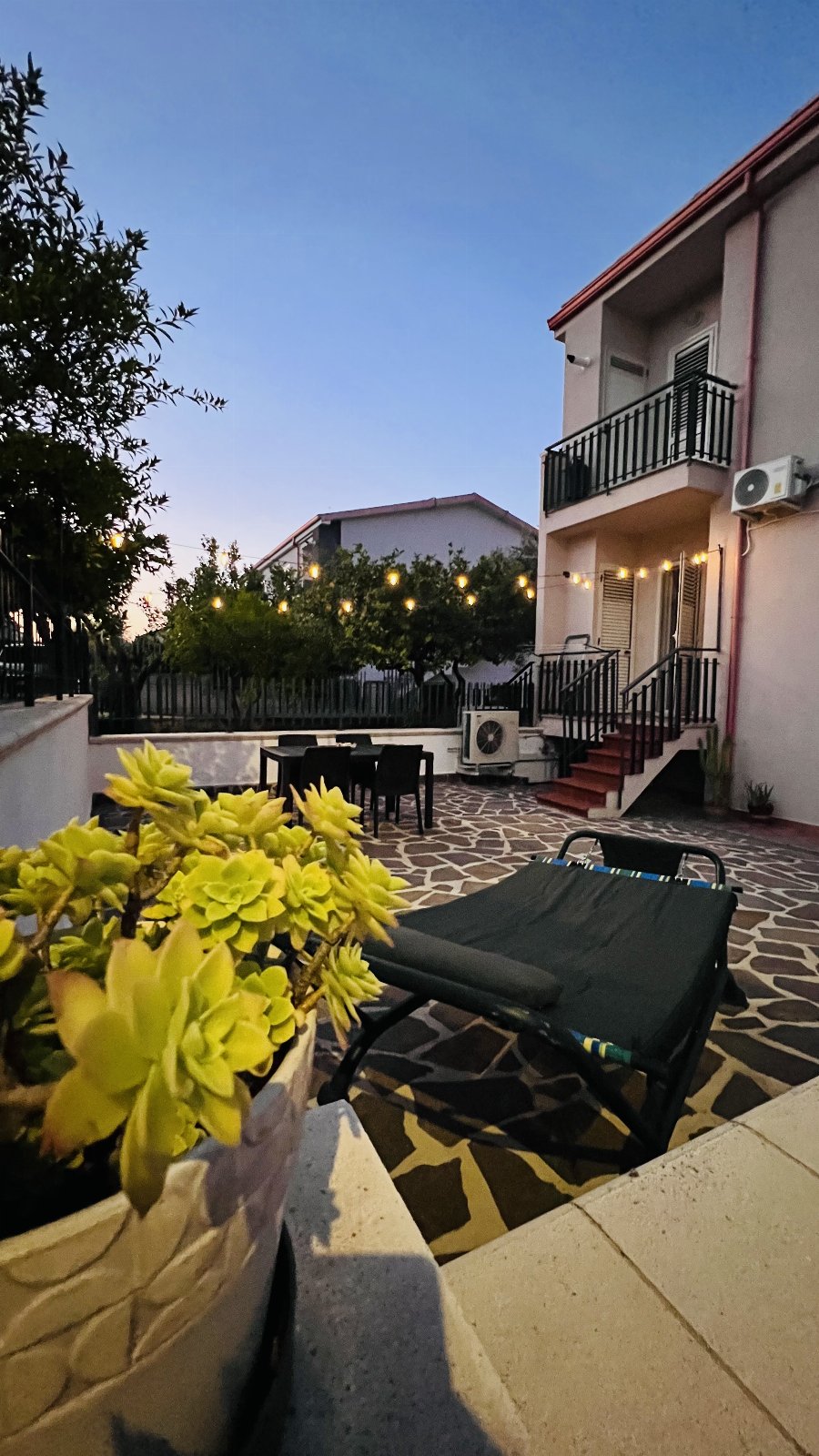
To fully appreciate the rhythm of the village, it is highly recommended to stay for at least a few days. The hospitality in this region is legendary, and staying in a local property allows you to connect with the authentic Calabrian lifestyle. Whether you prefer a room overlooking the sea or a quiet apartment in the historic center, there are options to suit every traveler.
A Sant'Andrea Apostolo dello Ionio sono disponibili 1 alloggi selezionati. Scopri gli alloggi a Sant'Andrea Apostolo dello Ionio. Booking your accommodation in advance, especially during the peak summer months, ensures you have the perfect base to explore the beautiful coast and the serene mountains of this hidden Calabrian gem.