Discovering the Hidden Gem: What to See in San Roberto, Calabria
Nestled in the heart of the Aspromonte massif, San Roberto is a picturesque village that offers a profound immersion into the authentic soul of Southern Italy. Far from the crowded coastal resorts, this mountain retreat serves as a gateway to the rugged beauty of the Calabrian hinterland. For travelers seeking a blend of history, folklore, and pristine nature, San Roberto is a destination that promises silence, fresh air, and a glimpse into a lifestyle that has remained unchanged for generations.
As an expert in Calabrian tourism, I often recommend San Roberto to those who want to "slow down." The village, perched on the slopes of the Aspromonte mountains, is characterized by its narrow cobblestone alleys, ancient stone houses, and the warm hospitality of its inhabitants. Visiting this area means stepping back in time, exploring the ancient traditions of the Greek-Calabrian culture, and enjoying the breathtaking vistas that stretch all the way to the Strait of Messina. Whether you are an avid hiker or a lover of history, San Roberto is a location that deserves a spot on your travel itinerary.
The Top 5 Must-See Attractions in San Roberto, Calabria
The first highlight is the Historic Center, a labyrinth of stone pathways that reveal the architectural evolution of the village. As you walk through the old town, you will notice the intricate balconies and the remnants of rural life carved into the stone. There is no specific entrance fee, and it is best visited in the early morning when the light hits the mountain facades, creating a perfect atmosphere for photography. I suggest wandering without a map; the beauty here lies in the unexpected details.
Secondly, you cannot miss the Church of San Roberto Bellarmino, the spiritual heart of the community. This church is dedicated to the patron saint and holds significant religious and artistic value. While it has undergone restorations due to the seismic nature of the region, it maintains its original charm. It is generally open during morning and late afternoon hours for mass. There is no entrance fee, but a small donation for the maintenance of the site is always appreciated by the local parish.
Thirdly, the Viewpoint of the Aspromonte offers the most spectacular panoramic view of the surrounding landscape. Located just a short walk from the main square, this spot allows you to see the deep valleys carved by the mountain streams and the vast expanse of the Mediterranean Sea. It is a free, open-access area. I recommend bringing a pair of binoculars, as on clear days, you can even spot the silhouette of Sicily and the Aeolian Islands on the horizon.
Fourthly, the Rural Heritage Museum (often managed by local cultural associations) provides a deep dive into the agricultural history of San Roberto. Here, you can find antique tools used for harvesting olives and wheat, traditional textiles, and household items from the 19th century. It is a fantastic way to understand the resilience of the people who inhabited these peaks. Check with the local Pro Loco for opening times, as they often vary by season. Tickets are very affordable, usually priced at around 3 euros.
Finally, the Old Water Mills located along the nearby streams are a testament to the ingenuity of the past. These structures, though partially reclaimed by nature, are fascinating to explore. They represent the era when the village relied on the power of the water to grind grain. Visiting them requires a short hike, so wear comfortable shoes. It is a free activity, and it is best done in the company of a local guide who can narrate the stories of the millers who once worked there.
Museums and Cultural Sites
San Roberto is not a place of grand, sprawling museums, but rather a site of "diffused culture." The cultural sites here are often embedded in the architecture of the town itself. The most significant cultural site is the Ethnographic Collection, which documents the daily life of the mountain communities of the Aspromonte. You can reach this by heading to the main square and asking for the local cultural office, which often organizes guided tours of the small exhibition rooms.
For those interested in archaeology, the entire region is rich with ancient history, including traces of Greek colonization. While there isn't a major excavated site inside the village, the nearby areas are full of ruins that tell the story of the Magna Graecia. To get the most out of your visit, I recommend visiting the San Roberto area during the summer months, when local festivals turn the streets into living museums, showcasing traditional music and dance.
Churches and Historical Monuments
The religious architecture of San Roberto is deeply influenced by the Byzantine tradition that once dominated the Calabrian mountains. The local churches are modest in size but rich in symbolic importance. The Church of the Holy Trinity is another structure of interest, featuring a simple facade that hides a beautiful altar. These buildings are survivors of the many earthquakes that have hit Calabria, and their preservation is a point of pride for the local community.
Beyond the churches, the village is dotted with small stone monuments and fountains that date back centuries. These fountains were once the primary meeting places for the villagers. Walking through the town, you will see how the architecture is designed to withstand the harsh mountain winters, with thick stone walls and small windows. It is a masterclass in vernacular architecture that respects the environment and the climate of the Aspromonte.
Nature and Natural Parks
San Roberto is located within the sphere of the Aspromonte National Park, a protected area of immense biodiversity. The forests surrounding the village are home to ancient beech and pine trees, providing a cool refuge during the hot Calabrian summers. Hiking is the primary activity here; there are several marked trails that lead from the village into the heart of the forest. The fiumare (mountain stream beds) are a unique geological feature of the area, offering dramatic landscapes that change with the seasons.
If you are an avid hiker, I recommend the trail to the higher peaks of the Aspromonte. Always ensure you have a map and, if possible, a local guide, as the terrain can be challenging. The air here is incredibly pure, and the silence is only broken by the sound of birds and the rustling of leaves. It is the perfect place to disconnect from the digital world and reconnect with nature. Remember to pack plenty of water and respect the protected flora and fauna of the park.
Itinerary in One Day
To optimize your 8-hour visit to San Roberto, start your morning at 9:00 AM with a walk through the Historic Center. Enjoy a coffee at a local bar, chatting with the residents to get a feel for the town. By 11:00 AM, head to the Church of San Roberto Bellarmino and take in the architecture. At 1:00 PM, enjoy a traditional lunch featuring local specialties like handmade pasta with goat meat sauce or fresh local cheeses, which you can find in the village's small trattorias.
In the afternoon, around 3:00 PM, take a short hike to the Old Water Mills or spend time at the Viewpoint to admire the landscape. Use this time to explore the surroundings and breathe in the mountain air. By 5:00 PM, visit the Ethnographic Collection to wrap up your cultural exploration. Finally, at 6:30 PM, enjoy an aperitivo with local wine and olives at a square-side table, watching the sunset over the mountains. This pace allows you to see the best of the village without rushing.
What to See in the Surroundings
If you have more time, the surroundings of San Roberto offer plenty of attractions within a 30-60 minute drive. You can visit the Gambarie mountain resort, which is famous for its winter sports and summer trekking. Another option is a trip down to the coast to visit Scilla, one of the most beautiful seaside villages in Italy, known for its legendary Chianalea district. The city of Reggio Calabria is also nearby, where you can visit the National Archaeological Museum to see the famous Riace Bronzes.
Each of these locations provides a different perspective on the Calabrian landscape, from the high mountain peaks to the deep blue of the Tyrrhenian Sea. Having a car is highly recommended to explore these diverse areas comfortably. Whether you choose to stay in the mountains or head to the coast, you will find that this corner of Calabria is full of hidden treasures waiting to be discovered.
Where to Stay to Visit San Roberto with Calm
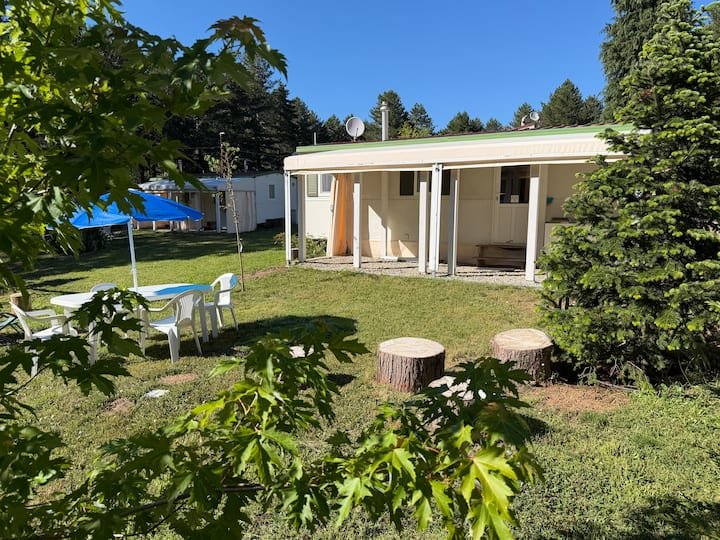
To truly experience the tranquility of the Aspromonte, staying in the village is the best choice. It allows you to wake up to the sound of the mountains and enjoy the local pace of life. At San Roberto are available 2 selected accommodations. Discover the accommodations in San Roberto. Staying locally not only supports the community but also ensures you have a peaceful base from which to explore the surrounding nature and cultural sites at your own leisure.