The Ultimate Guide: What to see in Rossano, Calabria
Rossano, often referred to as the "Byzantine City" of Calabria, is a hidden gem perched on the hills overlooking the Ionian Sea. Steeped in history, art, and spirituality, this town offers a unique journey through time, from the remnants of the Magna Graecia era to the splendor of the Byzantine Empire and the architectural layers of the Middle Ages. If you are planning a trip to Southern Italy, Rossano is a destination that demands your full attention, providing a perfect blend of cultural enrichment and Mediterranean charm.
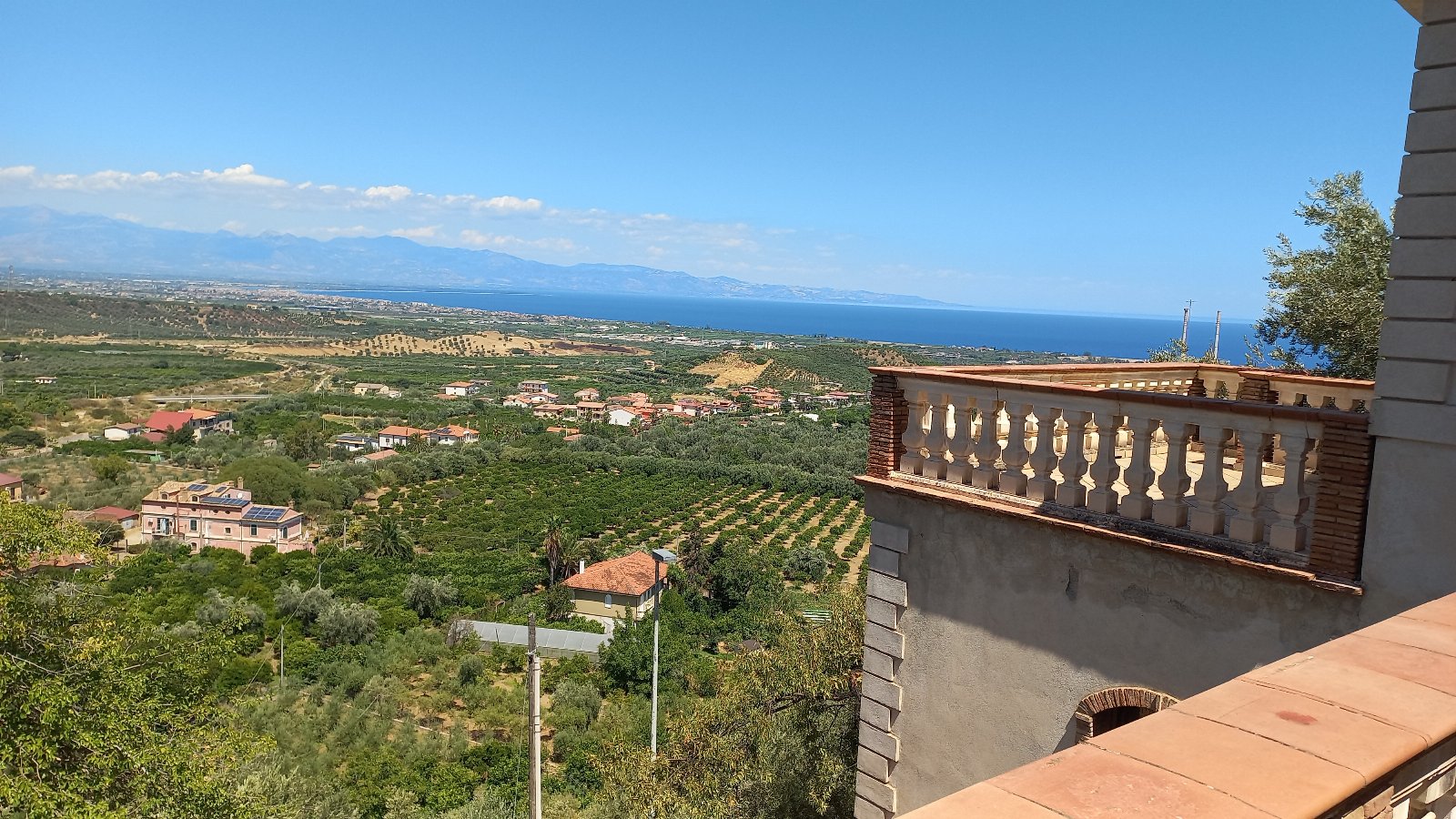
Visiting Rossano means immersing yourself in a landscape where ancient olive groves meet the deep blue waters of the Ionian coast. The town is divided into two main areas: the historic center, nestled on the hillside, and the modern seaside district of Rossano Scalo. Whether you are a history enthusiast, a lover of religious architecture, or simply looking for an authentic Calabrian experience, this guide will help you navigate the wonders of this remarkable town.
The Top 5 Must-See Attractions in Rossano, Calabria
The first stop on your itinerary must be the Diocesan Museum and the Codex Purpureus. This UNESCO World Heritage treasure is one of the oldest and most precious illuminated manuscripts in the world, dating back to the 6th century. It contains the Gospels of Matthew and Mark written in Greek on purple-dyed parchment. The museum is open Tuesday to Sunday, typically from 9:30 AM to 1:00 PM and 3:30 PM to 7:00 PM. Admission is approximately 5 euros, and it is highly recommended to book a guided tour to fully appreciate the historical significance of these pages.
The Cathedral of Maria Santissima Achiropita is the spiritual heart of the city. Known for its 11th-century origins, the cathedral houses the icon of the Madonna Achiropita—"not made by human hands." The architecture is a fascinating mix of Romanesque and Baroque influences. Entry is generally free, but visitors are encouraged to leave a small donation for the upkeep of this sacred site. It is best visited in the morning to enjoy the serene atmosphere before the crowds arrive.
For those interested in the city's defensive history, the Castello di Rossano (Ducal Castle) is a must-see. While much of it has been integrated into private residences or public offices, the exterior walls and the structure itself tell tales of the powerful families who once ruled the region. Walking around the perimeter gives you a sense of the strategic importance Rossano held during the Norman and Aragonese eras.
The Oratorio di San Marco is a small, perfectly preserved Byzantine chapel that stands as a testament to the Greek-Orthodox influence in Calabria. Built in the 9th century, its five domes and fresco remains are breathtaking. It is tucked away in a quiet corner of the city, offering a peaceful retreat. Entry is usually free, but check with the local tourist office for specific opening hours, as they can vary seasonally.
Finally, do not miss the Amarelli Licorice Museum. Located just outside the town center, this is a unique industrial monument dedicated to the history of the Amarelli family, who have been producing world-famous licorice since 1731. The museum is located in the Giorgio Palace and offers a fascinating look at the production process. Tours are available by reservation, and the entry fee is modest, often including a tasting session of their exquisite products.
Museums and Cultural Sites
Beyond the Codex, Rossano offers a rich tapestry of cultural sites. The Diocesan Museum itself acts as a hub for the cultural life of the city, housing artifacts that range from liturgical vestments to silver reliquaries. It is located in the heart of the historic center, making it easily accessible on foot. If you are arriving by train at Rossano Scalo, you can catch a local bus or a taxi to reach the historic center, which sits about 270 meters above sea level.
The Archaeological Area of Palepoli provides a glimpse into the ancient past, with ruins that suggest the presence of a significant settlement dating back to the Greek and Roman periods. While the site is currently undergoing further study and restoration, it remains a point of great interest for those who enjoy open-air history. It is best reached by car, as it is located on the outskirts of the town, offering panoramic views of the surrounding valley.
To deepen your understanding of the region, the Civic Museum of Rossano features collections that document local traditions, folklore, and agricultural history. It is an excellent place to understand how the landscape and the sea have shaped the identity of the Rossanesi people over the centuries. Opening hours are generally flexible, so it is advisable to check the official municipal website before planning your visit.
Churches and Historical Monuments
Rossano is often called the "City of the Codex," but it is also a city of a hundred churches. The Church of Panaghia is another Byzantine masterpiece, characterized by its simple yet elegant structure and remnants of frescoes that date back to the 10th century. Walking through the narrow alleys of the historic center, you will encounter various portals and stone balconies that reflect the local architectural style, a mixture of rugged stone and refined craftsmanship.
The Torre Stellata, a watchtower located near the coast, serves as a reminder of the constant threat of pirate invasions that the Calabrian coast faced for centuries. These towers were part of a sophisticated coastal defense system. Exploring these structures allows visitors to imagine the life of the guards who once kept watch over the Ionian Sea, ready to signal the arrival of hostile ships.
The city's urban layout is a labyrinth of stone-paved streets, staircases, and hidden courtyards. Every corner reveals a piece of history, from the Palazzo Martucci to the various noble residences that line the main squares. If you are looking to explore the most authentic side of Rossano, take your time wandering without a map; you will inevitably find a small, centuries-old church or a balcony overflowing with geraniums that captures the soul of the town.
Nature and Natural Parks
While Rossano is famous for its history, it is also a gateway to the spectacular Sila National Park. Located just a short drive inland, the Sila plateau offers vast forests of pine and beech, crystal-clear lakes like Lake Arvo and Lake Cecita, and an abundance of wildlife. It is the perfect escape for those who want to swap the salty sea air for the cool, refreshing mountain breeze.
Closer to the city, the Fiumare (seasonal riverbeds) offer unique trekking opportunities. These geological formations are characteristic of the Calabrian landscape and provide a raw, untouched view of the region's geography. During the spring and autumn, these areas are perfect for hiking and photography, as the flora is at its most vibrant.
If you prefer the coast, the beaches of the Ionian Sea are wide and sandy, perfect for a relaxing afternoon. The water is clean and inviting, making it a great spot for swimming or simply lounging under the Mediterranean sun. Combining a morning of mountain hiking in the Sila with an afternoon of swimming in the Ionian is the quintessential Calabrian experience.
Itinerary: A Perfect Day in Rossano
To optimize your 8-hour visit, start your morning at 9:00 AM at the Diocesan Museum to see the Codex Purpureus while your mind is fresh. By 10:30 AM, walk to the Cathedral of Maria Santissima Achiropita to admire its interior. Spend the next hour wandering the historic center, visiting the Oratorio di San Marco.
For lunch, find a traditional trattoria in the historic center. Order lagane e cicciari (pasta with chickpeas) or fresh local fish. After lunch, take a taxi or drive down to the Amarelli Licorice Museum for a 2:00 PM tour. Spend the late afternoon relaxing on the beach at Rossano Scalo. As the sun begins to set, enjoy an aperitivo at a seaside bar, sipping a local Calabrian wine while watching the horizon. If you need a place to stay to enjoy this at a slower pace, you can find various options at Rossano.
What to see in the surroundings
Within a 30-60 minute drive, you can reach Corigliano Calabro, famous for its majestic Ducal Castle which is exceptionally well-preserved and offers guided tours of its opulent halls. Another nearby destination is Sibari, home to the Archaeological Park of Sybaris, one of the most important Greek colonies in Italy. The museum there houses an incredible collection of pottery, jewelry, and statues discovered in the area.
For a change of scenery, head to the village of Altomonte, known as one of the "Borghi più belli d'Italia" (most beautiful villages in Italy). It is famous for its Gothic church of Santa Maria della Consolazione and its vibrant artistic community. Whether you are looking for history, art, or just a beautiful view, the surroundings of Rossano offer endless possibilities for day trips.
Where to stay to visit Rossano with calm
To truly appreciate the Byzantine history and the coastal beauty of this area, staying for at least two or three nights is recommended. This allows you to explore the historic center without rushing and gives you enough time to visit the nearby attractions. A base in the area provides the flexibility to enjoy both the mountain air of the Sila and the beaches of the Ionian coast at your own pace.
A Rossano sono disponibili 7 alloggi selezionati. Scopri gli alloggi a Rossano.