Discover the Hidden Gem: What to see in Mormanno, Calabria
Perched high in the Pollino National Park, Mormanno is a breathtaking destination that seems frozen in time. Known for its dramatic mountain setting, its distinctive "amphitheater" layout, and its profound cultural heritage, this village is a must-visit for anyone traveling through the northern reaches of Calabria. If you are looking for an authentic experience away from the crowded coastal resorts, Mormanno offers a perfect blend of history, nature, and slow-paced Italian life.
As an expert in Calabrian tourism, I consider Mormanno one of the most underrated jewels of the region. Its architecture, dominated by stone houses and narrow alleys, reflects centuries of history, while its culinary traditions—specifically the famous "bocconotto" pastry—provide a delicious incentive to explore its streets. Whether you are an avid hiker, a history buff, or simply a traveler in search of tranquility, this guide will help you navigate the wonders of this mountain sanctuary.
The Top 5 Must-See Attractions in Mormanno, Calabria
The first stop on your journey should be the Cathedral of Santa Maria Assunta. Standing as a symbol of the town's religious history, this 18th-century structure features a stunning baroque façade and a bell tower that dominates the skyline. Inside, you will find impressive wooden sculptures and detailed frescoes. It is generally open daily for visitors, free of charge, though it is recommended to avoid visiting during mass hours to ensure a peaceful experience.
Next, make your way to the Clock Tower (Torre dell'Orologio). This historic landmark is located in the heart of the old town and serves as a navigational point for visitors. The tower is a masterpiece of local masonry and offers a panoramic view of the surrounding Pollino peaks. There is no entrance fee, as it is a public monument, and it provides the perfect backdrop for your vacation photos.
Third, explore the Rock-Hewn Church of San Michele Arcangelo. This is one of the most fascinating sites in the village, as it is carved directly into the limestone rock. It represents the ancient defensive and religious history of the area. It is best to check with the local tourist office for guided access, as it requires a small donation to maintain the site, but the unique atmosphere is well worth the effort.
The fourth essential stop is the Mormanno Civic Museum. This institution preserves the memory of the town's rural past, displaying traditional tools, period clothing, and historical documents. It is a fantastic place to understand the lifestyle of the Pollino highlanders. It typically operates on a seasonal schedule, so checking local listings is advised. Entrance is very affordable, usually priced at around 3 to 5 euros.
Finally, do not miss the Viewpoint of the "Largo della Villetta". This terrace offers the most spectacular view of the entire village as it cascades down the mountainside. It is the perfect spot to sit during sunset and reflect on the beauty of the landscape. It is free to access and open to the public at all times, making it the ideal conclusion to your sightseeing tour.
Museums and Cultural Sites
Mormanno’s cultural identity is deeply rooted in its artisan traditions and its historical role as a mountain outpost. Beyond the Civic Museum, the town hosts several permanent exhibitions dedicated to local craftsmanship, including the art of wood carving and traditional weaving. These sites are scattered throughout the old town and are often managed by local cultural associations that are passionate about preserving their heritage.
To reach these sites, it is best to travel by car, as public transport in the Pollino area can be limited. From the main square, most cultural points are within walking distance, but be prepared for steep staircases and cobblestone paths. If you need help finding the best base to explore these treasures, you can look for Mormanno accommodation options that place you right in the center of the action.
Churches and Historical Monuments
The architecture of Mormanno is defined by the influence of various civilizations, from the Normans to the Bourbons. The Church of the Capuchins, with its attached monastery, is a masterpiece of simplicity and devotion. Its quiet cloister is a haven of peace, perfect for those seeking a moment of meditation. The church contains several important paintings from the 17th century that are well-preserved.
Additionally, the town features remnants of ancient defensive walls and gates that once protected the village from invaders. Walking through the narrow "vichi" (alleys), you will notice the intricate stone portals of private houses, which showcase the skill of local stonemasons. These monuments are not just buildings; they are the living history of a community that has survived centuries of isolation in the rugged mountains of Calabria.
Nature and Natural Parks: The Pollino Experience
Mormanno serves as a gateway to the Pollino National Park, the largest protected area in Italy. Nature lovers will find endless opportunities here, from trekking to the summit of Monte Pollino to exploring the ancient Bosnian Pine forests, the symbol of the park. The landscape is characterized by dramatic limestone gorges, crystal-clear streams, and vast meadows that bloom with wildflowers in the spring.
The nearby fiumare (seasonal riverbeds) offer unique canyoning opportunities for the adventurous. During the summer, the cool mountain air makes hiking a pleasant activity, while autumn brings a spectacular display of colors. Whether you are an expert hiker or a casual walker, the trails around Mormanno provide breathtaking vistas of both the Tyrrhenian and Ionian seas on clear days. Remember to always respect the environment and follow marked trails when exploring the pristine wilderness of the park.
Itinerary in One Day: Optimizing Your Visit
If you have only eight hours to discover Mormanno, start your morning at 9:00 AM with a coffee in the main square, followed by a visit to the Cathedral of Santa Maria Assunta. By 11:00 AM, wander through the historic center to admire the stone portals and the Clock Tower. This allows you to soak in the atmosphere before the midday sun peaks.
For lunch at 1:00 PM, choose a traditional trattoria to taste the local "bocconotto" and homemade pasta with mushrooms from the Pollino forest. Spend your afternoon at 3:00 PM visiting the Civic Museum or taking a short drive to the outskirts to enjoy a panoramic hike in the park. Finally, at 6:00 PM, head to the "Largo della Villetta" for an aperitivo as the sun sets over the mountains, casting a golden glow on the stone houses. It is an unforgettable way to end your day in Mormanno.
What to See in the Surroundings
Within a 30-60 minute drive from Mormanno, you can reach several other treasures of northern Calabria. The town of Laino Borgo is famous for its rafting activities on the Lao River, perfect for thrill-seekers. A bit further away, the village of Civita, known for its Albanian (Arbëreshë) heritage and the spectacular Raganello Gorges, is a cultural and natural site of immense beauty.
You can also visit the Grotta del Romito in Papasidero, one of the most important prehistoric sites in Europe, featuring ancient rock engravings. These surroundings highlight the diversity of the Pollino region, offering a mix of adventure, ancient history, and unique ethnic traditions that make a holiday in this part of Italy truly complete.
Where to stay to visit Mormanno with calm
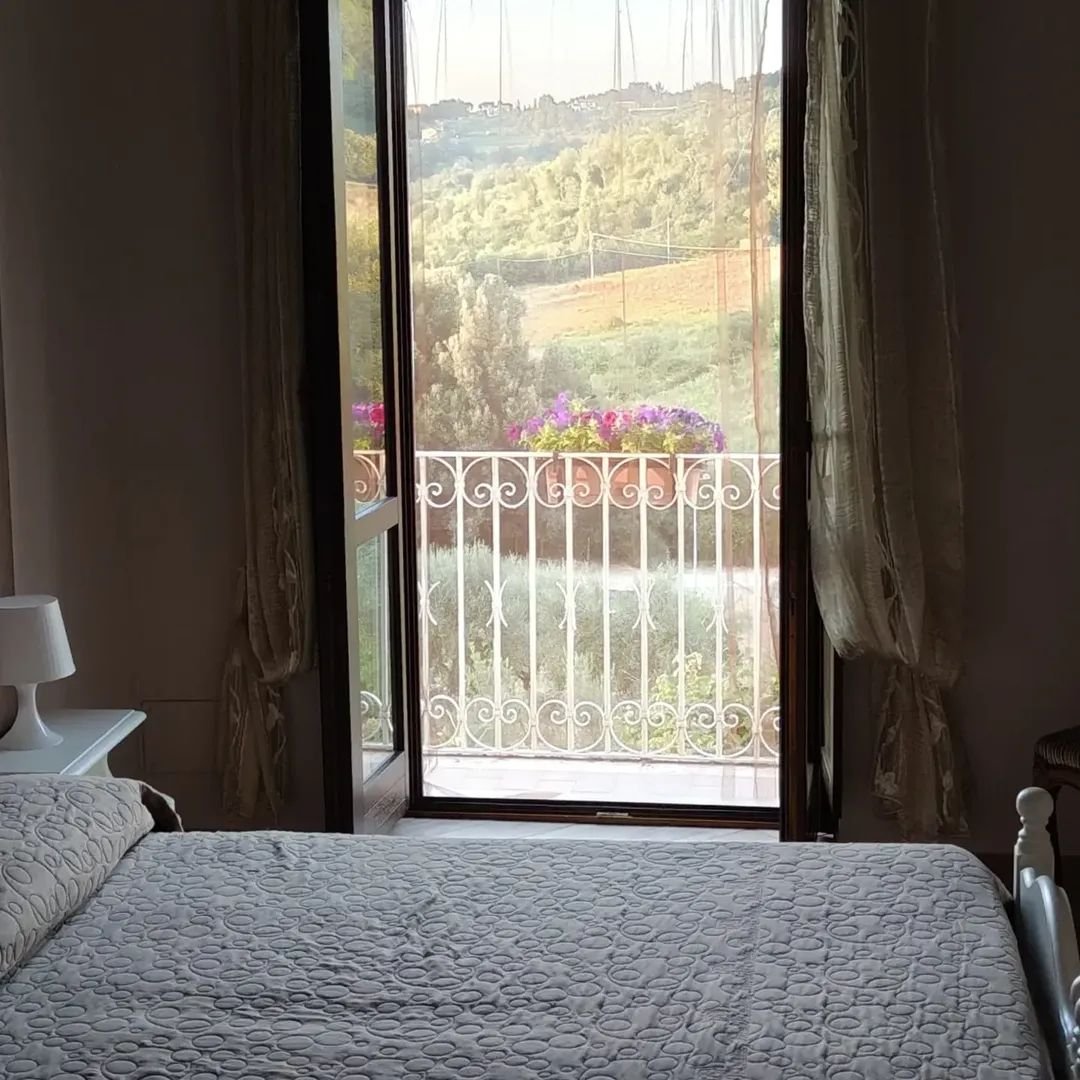
To fully appreciate the magic of this mountain village, it is highly recommended to stay for at least two or three nights. This allows you to wake up to the fresh mountain air and enjoy the silence of the evenings. A comfortable stay is key to exploring the surroundings without stress.
A Mormanno sono disponibili 1 alloggi selezionati. Scopri gli alloggi a Mormanno. Staying locally not only supports the community but also ensures you have easy access to the trails and the authentic local lifestyle that makes Mormanno a unique destination in the heart of the Pollino National Park.