Discovering the Hidden Gems: What to See in Montebello Jonico, Calabria
Perched majestically on the slopes of the Aspromonte massif, overlooking the sparkling Ionian Sea, Montebello Jonico is a destination that captures the soul of authentic Calabria. Often overlooked by mass tourism, this village offers a unique blend of medieval history, breathtaking panoramas, and a deep-rooted connection to the land. If you are wondering what to see in Montebello Jonico, Calabria, prepare to step back in time and experience a place where the rhythm of life is dictated by the sun and the gentle breeze blowing from the sea.
The village is not just a single center, but a collection of hamlets that tell the story of the Grecanic area, where ancient traditions and Greek-influenced culture still echo in the local dialect and architecture. Exploring this territory means traversing narrow alleys, discovering hidden courtyards, and standing in awe before the rugged beauty of the surrounding mountains. Whether you are a history buff, a nature lover, or simply seeking a quiet retreat away from the crowds, Montebello Jonico promises an unforgettable journey.
The Top 5 Must-See Attractions in Montebello Jonico
The first stop on your tour should be the historic center of Montebello. Walking through its labyrinthine streets, you will encounter the ancient ruins that define the village's identity. The old village, partially abandoned after natural disasters in the 20th century, offers a poignant and fascinating glimpse into the past. It is free to roam, and the best time to visit is during the golden hour, when the sunlight hits the stone walls, creating a magical atmosphere for photography enthusiasts.
The second must-see is the Church of the Annunziata, a structural marvel that stands as a testament to the religious devotion of the local population. With its elegant facade and interior filled with sacred art, it serves as a spiritual anchor for the community. While there is no formal entrance fee, it is respectful to visit outside of mass hours. The third attraction is the panoramic viewpoint near the town square, from which you can see the entire Ionian coastline stretching towards Sicily. On clear days, the silhouette of Mount Etna is clearly visible, providing a dramatic backdrop to the Calabrian landscape.
Fourth, make sure to visit the ruins of the medieval castle. While only remnants remain, the site offers a strategic viewpoint that highlights why this location was so significant for defensive purposes throughout history. There is no ticket required; simply follow the signs leading uphill from the main square. Finally, the fifth highlight is the surrounding rural landscape, specifically the olive groves and bergamot orchards. You can book guided tours through local cooperatives to learn about the production of the world-famous bergamot, an essence unique to this narrow strip of the Calabrian coast.
Museums and Cultural Sites
Montebello Jonico is a guardian of the Grecanic culture, and its cultural sites are essential for understanding the region. The Museum of the Territory (Museo del Territorio) serves as a repository for artifacts recovered from the surrounding archaeological sites, including pottery, tools, and historical documents that chronicle the evolution of the village from ancient times to the present day. It is generally open during the summer months and by appointment during the off-season. Admission is modest, usually costing around 3-5 euros, which supports the preservation of these historical treasures.
To reach these sites, it is highly recommended to rent a car, as public transport can be infrequent in the mountainous regions of the Aspromonte. From the city of Reggio Calabria, take the SS106 Ionica road and turn inland towards Montebello. The drive itself is an experience, offering winding roads and sudden, stunning vistas. For those interested in deeper historical context, the local cultural associations often organize guided walks that delve into the Greek roots of the area, providing anecdotes that you won't find in any guidebook.
Another significant site is the area surrounding the Fiumara Sant'Elia. This riverbed, which is often dry, has been a central artery for human activity for centuries. Archaeological surveys have identified several cave dwellings and ancient water mills along its banks. Visiting these sites requires a bit of hiking, but the reward is a quiet immersion into the landscape where history and geology intersect. Remember to check the local tourist office or the municipal website for any temporary exhibitions or cultural events scheduled during your visit.
Churches and Historical Monuments
The architecture of Montebello Jonico is a fascinating mix of defensive structures and religious buildings. The Church of San Nicola is one of the most significant monuments, featuring architectural elements that reflect the diverse influences of the various civilizations that have passed through Calabria, from the Byzantines to the Normans. The interior holds several wooden statues of great artistic value, which are carried in procession during the local religious festivals, a time when the village truly comes alive with music and community spirit.
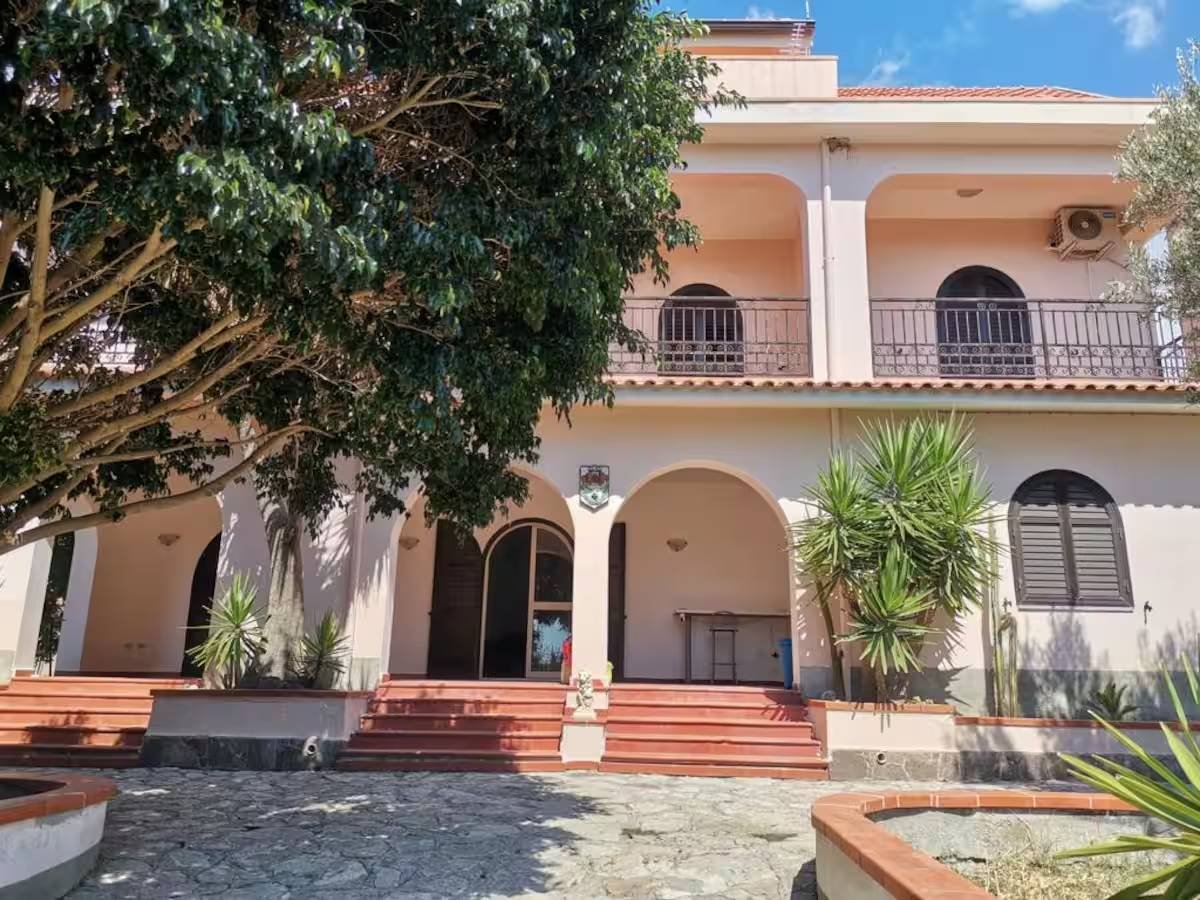
Beyond the churches, the village is characterized by its "palazzi" or noble houses, which feature grand stone portals and ornate balconies. These buildings tell the story of the wealthy families who once controlled the agricultural trade of the region. Many of these structures have been carefully restored, blending old-world charm with modern comfort. It is worth wandering the side streets to admire the craftsmanship of the ironwork and the sturdy, earthquake-resistant design that has allowed these structures to survive for centuries.
The defensive architecture is best represented by the remnants of the watchtowers and the castle fortifications. Historically, these were vital for protecting the population from pirate raids coming from the Ionian Sea. Even though much has been lost to time and seismic activity, the remaining walls provide a tangible link to the medieval era. If you are planning to stay in the area, you can find excellent accommodation options to explore these sites at your own pace. Find your perfect stay in Montebello Jonico to ensure you have enough time to visit these monuments.
Nature and Natural Parks
Montebello Jonico serves as a gateway to the Aspromonte National Park, a protected area of immense natural beauty. The park is characterized by dense forests of beech and pine, rugged peaks, and deep canyons carved by the fiumare. For outdoor enthusiasts, the hiking trails are endless. Whether you are looking for a gentle walk through ancient woodlands or a challenging trek to the summit of Montalto, the highest point in the Aspromonte, the park offers something for every fitness level.
The fiumare, or seasonal rivers, are a unique geological feature of this part of Calabria. During the spring, they are lush with vegetation and wildflowers, while in the summer, their white, pebbled beds create a stark, lunar-like landscape. Hiking along these paths is a fantastic way to observe the local flora and fauna, including rare birds of prey and the elusive Apennine wolf. Always remember to bring plenty of water and wear appropriate footwear, as the terrain can be challenging and the weather in the mountains can change rapidly.
For those who prefer a more relaxed approach to nature, the village itself is surrounded by olive groves that have been cultivated for generations. Taking a walk through these orchards, especially during the harvest season in autumn, is a sensory experience. The air is filled with the scent of olives and the Mediterranean scrub. It is the perfect place to disconnect from the digital world and reconnect with the rhythms of nature. By choosing to base yourself here, you can fully embrace the slow-travel philosophy. Discover the best accommodation in Montebello Jonico for a nature-filled holiday.
A Perfect One-Day Itinerary
To optimize your day in Montebello Jonico, start your morning at 9:00 AM with a strong Italian espresso in the main square, watching the village wake up. Spend the first two hours exploring the historic center and the ruins, capturing the morning light on the stone architecture. At 11:30 AM, head to the Church of the Annunziata to admire its interior and the panoramic views from the churchyard. This is the perfect spot for some early photos before the sun gets too high.
For lunch, seek out a traditional trattoria that serves local specialties such as "maccarruni" (homemade pasta) with goat ragu, a staple of the Aspromonte cuisine. After lunch, spend your early afternoon visiting the Museum of the Territory or taking a short, scenic drive to the surrounding hills to see the bergamot orchards. The fresh air and the quiet of the countryside are truly rejuvenating. If you have time, a short hike along a section of the fiumara will give you a deeper appreciation for the rugged landscape.
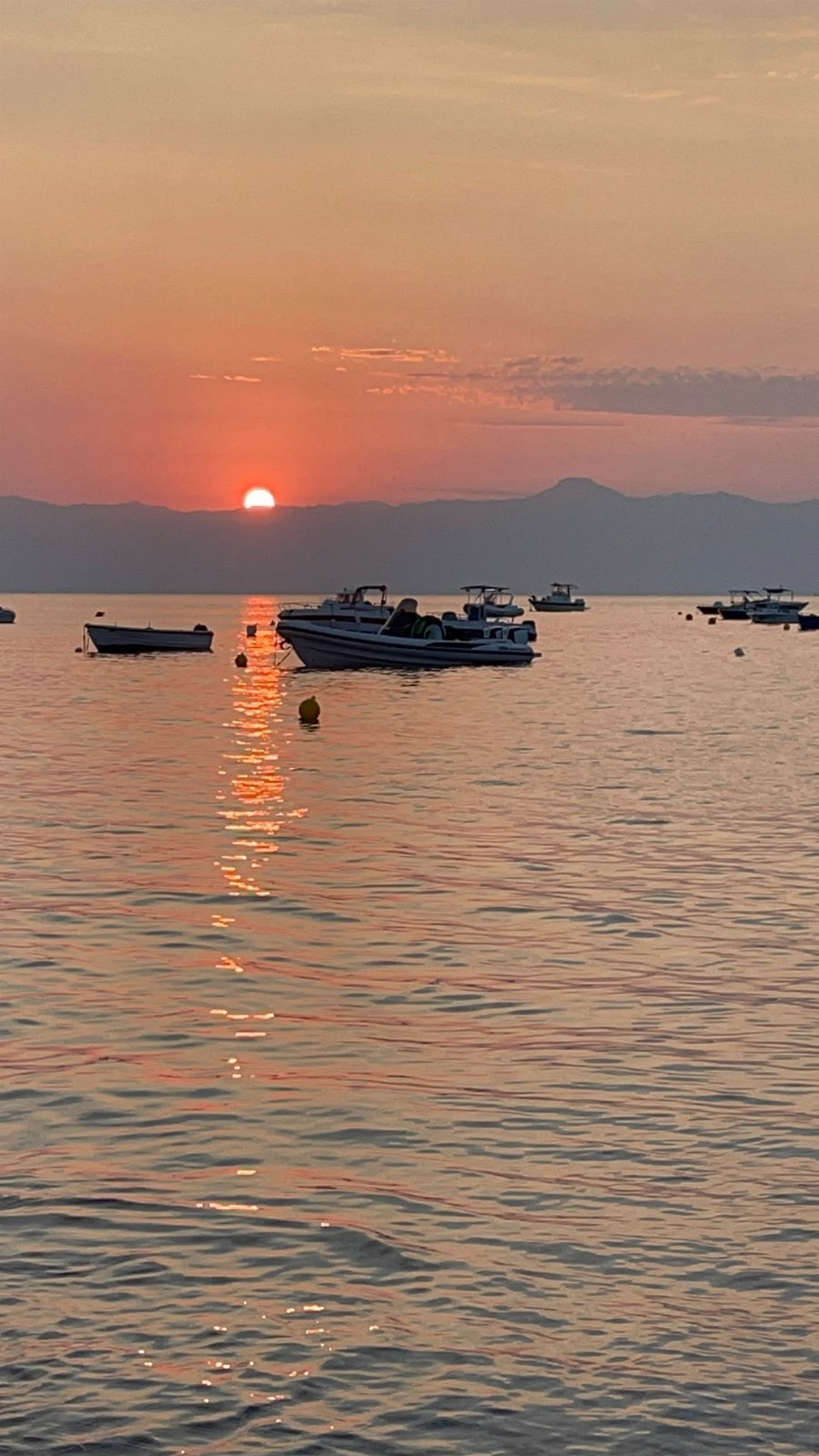
As the afternoon transitions into the evening, find a terrace or a quiet corner in the square for an aperitivo. Sip on a glass of local Calabrian wine while watching the sunset over the Ionian Sea. This is the time when the village becomes particularly atmospheric, as the streetlights begin to glow and the locals gather to chat. Before you leave, make sure you have booked a comfortable place to rest. Check out the available rooms in Montebello Jonico to make your visit stress-free.
What to See in the Surroundings
Within a 30-60 minute drive from Montebello Jonico, you can reach several other fascinating destinations. The most famous is undoubtedly Pentedattilo, a ghost village perched on a rock formation that resembles a giant hand. It is one of the most photographed and evocative places in all of Calabria. Walking through its empty, silent streets is a hauntingly beautiful experience that you simply cannot miss if you are in the area.
Another excellent option is the city of Reggio Calabria, located about 40 minutes away. Here, you must visit the National Archaeological Museum, which houses the world-famous Riace Bronzes. The city's waterfront, described by Gabriele D'Annunzio as "the most beautiful kilometer in Italy," is perfect for an evening stroll. You can also take a ferry from the port to visit Messina in Sicily for a quick day trip, as the crossing takes only about 20 minutes.
If you prefer the coast, the beaches of Melito di Porto Salvo and Bova Marina are within easy reach. These beaches are known for their clear waters and are often less crowded than those in the northern parts of the region. Bova, a hilltop village recognized as one of the most beautiful in Italy, is also nearby and is the heart of the Greek-Calabrian culture. Exploring these surroundings will give you a comprehensive view of the diverse landscapes and rich heritage that make this corner of Italy so special.
Where to Stay in Montebello Jonico
Choosing the right accommodation is key to enjoying the tranquility and the authentic atmosphere of the Aspromonte foothills. Whether you are looking for a restored historic home or a cozy bed and breakfast, you will find that the hospitality here is warm and genuine. At Montebello Jonico are available 2 alloggi selezionati. Scopri gli alloggi a Montebello Jonico.
Staying in the village allows you to experience the morning and evening peace that day-trippers often miss. It is the best way to immerse yourself in the local culture, interact with the residents, and truly understand the history of this unique Calabrian destination. Don't rush your visit; give yourself the time to wander, taste the local food, and let the beauty of Montebello Jonico leave a lasting impression on your travels.