Discover the Hidden Gem: What to See in Mileto, Calabria
Mileto is a town that breathes history. Located in the heart of the Vibo Valentia province, it stands as a silent witness to the grandeur of the Norman era in Southern Italy. While many tourists flock to the coastal beaches of Tropea or Capo Vaticano, those who venture inland to Mileto are rewarded with an authentic, profound, and deeply cultural experience. Known as the "Norman capital" of Southern Italy, Mileto was once the seat of Count Roger I, who chose this strategic location to establish his power base, blending Latin, Greek, and Arab influences.
Planning a trip to this historic town requires an appreciation for the layers of time that define Calabria. From the ruins of the ancient medieval city to the elegant reconstruction after the devastating 1783 earthquake, Mileto offers a narrative of resilience and artistic evolution. Whether you are a history enthusiast, a lover of sacred art, or a traveler looking for the "real" Italy away from the crowds, exploring what to see in Mileto, Calabria, is an essential part of your Southern Italian journey.
The Top 5 Must-See Attractions in Mileto
First on your list must be the Parco Archeologico di Mileto Antica. This is the site of the original medieval city destroyed by earthquakes. Walking through the ruins of the Abbey of the Holy Trinity (Abbazia della Santissima Trinità), you can visualize the scale of the Norman influence. The park is open daily from 9:00 AM to 6:00 PM, and entry is generally free, though donations are encouraged. We recommend visiting in the early morning to enjoy the cool air and the evocative atmosphere of the stone ruins.
Second is the Museo Statale di Mileto. This museum is a treasure trove of artifacts recovered from the archaeological site and surrounding areas. It houses exquisite marble sculptures, Byzantine icons, and remnants of the medieval cathedral. It is open Tuesday to Sunday, typically from 9:00 AM to 7:00 PM, with an entry fee of approximately 3 euros. It is the best place to understand the artistic legacy of the region before exploring the town itself.
Third, visit the Basilica Cattedrale di Maria Santissima Assunta. The current cathedral is a magnificent example of Neoclassical architecture, rebuilt after the 1783 earthquake. Its interior is opulent, housing the tomb of Eremburga, the first wife of Roger I, and the tomb of the Count himself. It is open to the public throughout the day, except during liturgical services. Entry is free, but please maintain a respectful dress code as it remains an active place of worship.
Fourth, explore the Episcopal Palace (Palazzo Vescovile). Located adjacent to the Cathedral, this building reflects the ecclesiastical importance Mileto held for centuries. While parts of it are private, the architecture and the surrounding gardens offer a glimpse into the life of the clergy in the 18th and 19th centuries. It serves as a beautiful backdrop for photography and architectural study.
Fifth, take a stroll through the historic center of "New" Mileto. The town was rebuilt on a grid plan following the earthquake, showcasing a unique urban design. Wander the narrow streets, look for traditional artisan workshops, and enjoy the local atmosphere. There are no tickets required; simply walk through the town to soak in the Mediterranean charm. If you are looking for a place to stay while exploring these sites, find your accommodation in Mileto to ensure you have enough time for everything.
Museums and Cultural Sites
Beyond the primary attractions, Mileto boasts a rich cultural landscape. The Museo Diocesano is another vital stop. It preserves the sacred heritage of the Diocese of Mileto-Nicotera-Tropea. Here, you will find liturgical vestments, gold-embroidered altar cloths, and precious relics that date back several centuries. The museum is well-curated, providing a clear timeline of the religious history of the area. It is usually open by appointment or during specific tourist seasons, so checking with the local tourist office before your visit is advisable.
To reach these cultural hubs, the best way is to rent a car, as public transport from the coastal areas can be infrequent. If you are arriving by train, the Mileto station is located on the Lamezia Terme-Reggio Calabria line, but you will still need a taxi or a local bus to reach the town center. Once you arrive, the town is quite walkable, allowing you to move between the museum and the archaeological park with ease. For those interested in heritage, planning your stay at the best local guesthouses will give you the flexibility to visit these sites at your own pace.
Churches and Historical Monuments
The architecture of Mileto is a testament to its past. The Church of San Gaetano is a hidden gem known for its intricate altars and peaceful courtyard. It represents the post-earthquake reconstruction period and stands as a symbol of the town's rebirth. The craftsmanship of the local stonemasons is evident in the facade, which features typical Calabrian baroque elements adapted to the sober neoclassical style that dominates the town.
While the Norman castle of Mileto is now mostly in ruins within the archaeological park, the sheer scale of its foundations tells a story of a once-mighty fortress. The walls and the layout of the defensive structures highlight the strategic importance the Normans placed on this inland plateau. Exploring these ruins is like reading a history book in stone. For travelers who appreciate architectural history, the contrast between the ruins of the "Old" city and the structured, orderly streets of the "New" city is a fascinating study in urban planning and disaster resilience.
Nature and Natural Parks
While Mileto is primarily known for its history, it serves as an excellent gateway to the natural beauty of the Serre Calabresi. This mountain range, which connects to the Aspromonte and Sila massifs, offers lush forests, clear streams, and hiking trails. A short drive will take you into the heart of the mountains, where the air is crisp and the scenery changes from Mediterranean hills to dense beech and pine forests.
The fiumare—typical Calabrian riverbeds that are often dry in summer and rushing in winter—create dramatic landscapes around Mileto. Hiking enthusiasts can explore the trails leading toward the nearby woods, where they might encounter local wildlife and traditional mountain huts. While not part of the Sila National Park directly, the proximity of these mountains allows for a perfect blend of "culture in the morning and nature in the afternoon." Always carry water and wear proper hiking gear, as the terrain can be rugged and unpredictable.
Itinerary in One Day
To optimize your visit to Mileto in 8 hours, start your morning at 9:00 AM at the Parco Archeologico di Mileto Antica. Spend two hours wandering the ruins while the light is soft. By 11:30 AM, head to the Museo Statale di Mileto to contextualize what you saw in the park. For lunch, stop at a local trattoria in the town center to try "fileja," a traditional handmade pasta typical of the Vibo Valentia region, often served with a robust ragù.
In the afternoon, visit the Basilica Cattedrale and take a leisurely walk through the streets of the "New" town. If you have time, visit the Diocesan Museum. By 5:00 PM, find a local cafe in the main piazza for a classic Italian aperitivo—a Spritz or a glass of local Calabrian wine paired with olives and local cheeses. This allows you to observe the local life as the town winds down for the evening. If you decide to stay overnight to experience the quiet beauty of the town, book your stay at a local apartment to fully immerse yourself in the culture.
What to See in the Surroundings
If you have more time, Mileto is centrally located for day trips. Within 30-60 minutes, you can reach Vibo Valentia, where the Norman-Swabian Castle offers panoramic views of the coast. Alternatively, head to the coast to visit Tropea, the "Pearl of the Tyrrhenian Sea," famous for its stunning beaches and the sanctuary of Santa Maria dell'Isola perched on a cliff.
Another excellent option is the town of Soriano Calabro, famous for its Dominican convent and its traditional "mostaccioli" biscuits, which are a must-try culinary souvenir. For those interested in religious history, the Charterhouse of Serra San Bruno (Certosa di Serra San Bruno) is about an hour away, offering a profound spiritual experience in a serene forest setting. Each of these locations complements a visit to Mileto, providing a well-rounded view of the history, spirituality, and natural beauty of Calabria.
Where to Stay to Visit Mileto with Calm
To truly appreciate the atmosphere of Mileto, staying overnight is highly recommended. It allows you to enjoy the quiet evenings and the authentic hospitality that is often lost in the busier coastal resorts. A slower pace gives you the chance to talk to locals, visit the shops, and explore the surrounding countryside without the pressure of a return train or a long drive back to the beach.
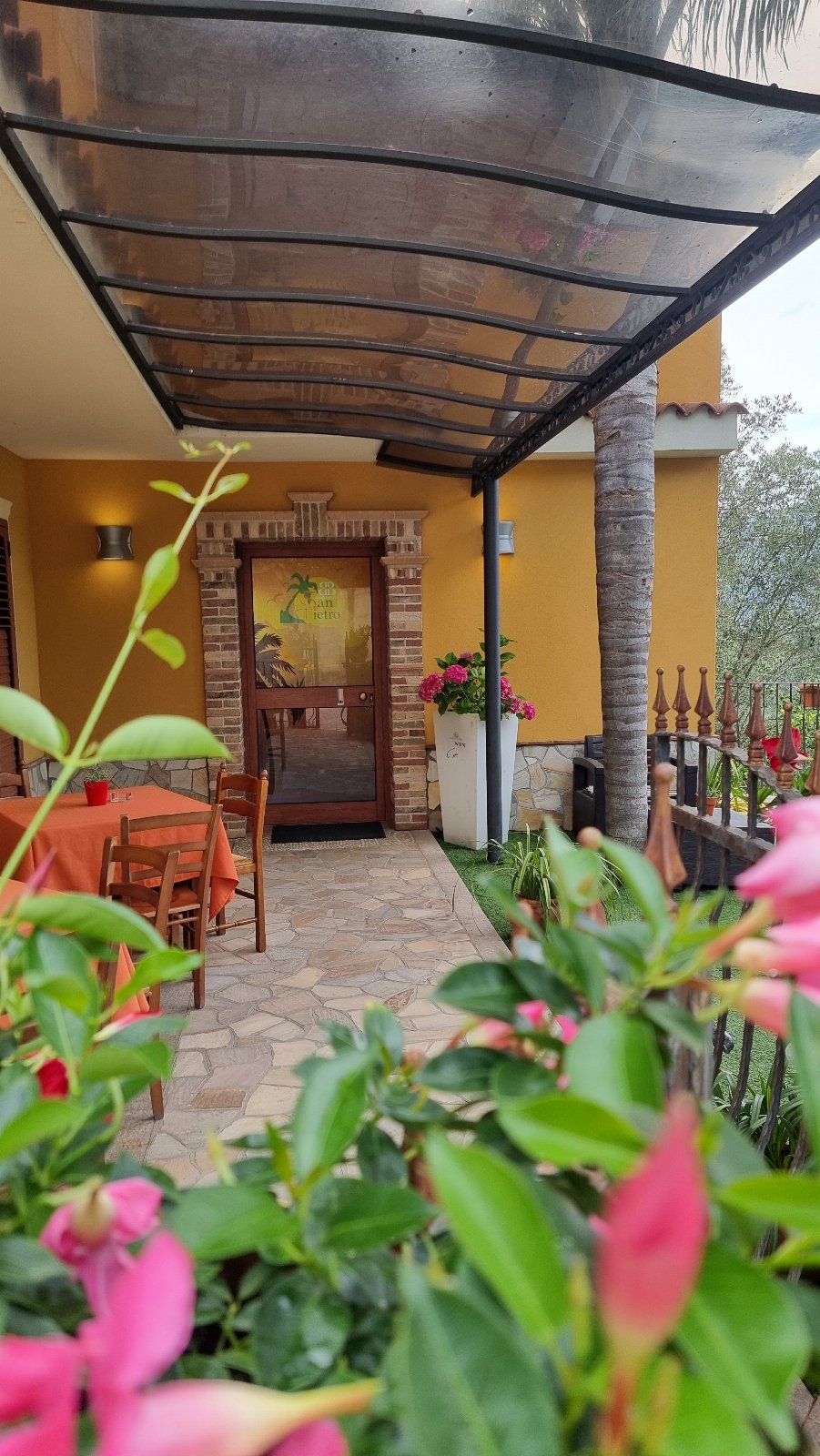
Atemileto are available 2 selected accommodations. Discover the accommodations in Mileto to find the perfect base for your historical and cultural exploration of this fascinating Calabrian town.