Discovering the Ancient Ionian Coast: Cosa Vedere Locri Calabria
Welcome to the heart of the Costa dei Gelsomini (Jasmine Coast), where the profound echoes of Magna Graecia meet the crystal-clear waters of the Ionian Sea. If you are researching cosa vedere Locri Calabria, you are preparing to step into a destination that perfectly balances millennia of history with the relaxed, sun-drenched lifestyle of southern Italy. Locri is not just a beach town; it is a monumental archaeological hub that tells the story of ancient Mediterranean civilizations.
Founded in the 8th century BC, the ancient city of Locri Epizephyrii was one of the most powerful and culturally rich Greek colonies in Italy. Today, modern Locri stands adjacent to these magnificent ruins, offering visitors a unique opportunity to walk through history in the morning and swim in pristine waters in the afternoon. This guide is designed for cultural tourists seeking an authentic, in-depth Calabrian experience.
Whether you are a history enthusiast, a lover of rugged natural landscapes, or a traveler looking for untouched Italian authenticity, Locri provides a strategic and fascinating base. Let us dive into the ultimate guide on what to see, do, and experience in this remarkable corner of the Mediterranean.
Main Attractions: The Top 5 Must-See Sights in Locri
Locri is essentially an open-air museum. The transition from the bustling modern streets to the silent, majestic ruins is an experience that stays with every traveler. Here are the five absolute must-see attractions when visiting the area.
1. Locri Epizephyrii Archaeological Park
This is the undisputed crown jewel of the city. The archaeological park spans a vast area along the coast, preserving the layout of the ancient Greek metropolis. Highlights include the Sanctuary of Persephone and the iconic Ionic Temple of Marasà. The park is generally open from Tuesday to Sunday, from 9:00 AM to 8:00 PM (hours may vary slightly in winter). The entrance fee is a very affordable €5, which grants you access to both the ruins and the on-site museum. Tip: The area is expansive and offers little shade, so wear comfortable walking shoes, bring a hat, and carry plenty of water.
2. The Greek Theatre of Locri
Nestled at the foot of the Mannella hill within the archaeological park, this stunning 4th-century BC theatre once seated over 4,500 spectators. Later modified by the Romans for gladiatorial games, the theatre offers a fascinating glimpse into the entertainment and civic life of the ancients. The acoustics remain impressive, and the panoramic view from the upper seating tiers, looking out over the ruins toward the blue Ionian Sea, is breathtaking.
3. Casino Macrì
Located within the archaeological park boundaries, Casino Macrì is a brilliant example of historical layering. It is a 19th-century rural farmhouse built directly on top of ancient Roman thermal baths. As you walk through the complex, you can see the ancient Roman masonry integrated into the more modern agricultural architecture. Entrance is included with your archaeological park ticket.
4. Monument to the Five Martyrs of Gerace
Moving into modern Locri, you must visit Piazza dei Martiri. Here stands an imposing monument dedicated to the Five Martyrs of Gerace—young patriots executed by the Bourbon firing squad in 1847 during the early uprisings of the Italian Risorgimento. The monument serves as a poignant reminder of Calabria's fierce spirit and its crucial role in the unification of Italy. The square itself is the beating heart of the modern town, perfect for people-watching.
5. The Locri Seafront (Lungomare)
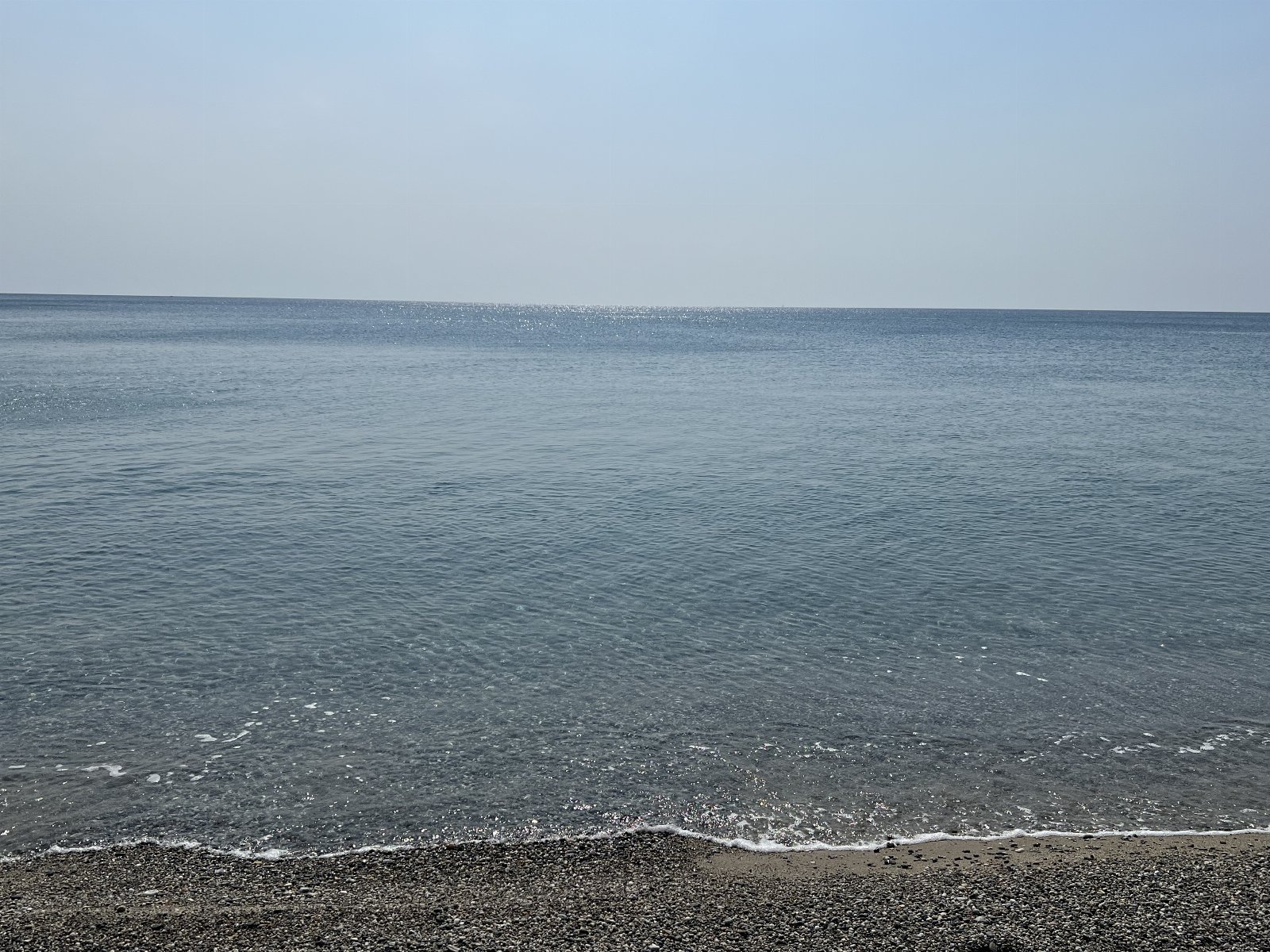
After immersing yourself in ancient and modern history, the Lungomare of Locri offers a refreshing change of pace. Stretching for kilometers along the coast, this wide, palm-lined promenade is ideal for a late afternoon stroll or an early morning jog. The beaches here are wide, featuring a mix of sand and smooth pebbles, with the Ionian Sea providing incredibly clear, warm waters. Access to the promenade and public beaches is completely free.
Museums and Cultural Sites: Diving Deep into Magna Graecia
To truly understand the artifacts uncovered in the archaeological park, a visit to the National Archaeological Museum of Locri Epizephyrii is mandatory. Located right at the entrance of the excavation site along the SS106 highway, this museum houses an extraordinary collection of artifacts that illustrate the daily life, religious practices, and artistic achievements of the ancient Locrians.
The most famous pieces in the collection are the Pinakes. These are intricately carved terracotta votive tablets, mostly dedicated to the goddess Persephone, whose cult was central to Locrian society. The museum also displays beautiful bronze mirrors, ancient coinage, delicate pottery, and the architectural remnants of the Temple of Marasà. The layout is highly educational, guiding visitors chronologically through the city's Greek, Roman, and Late Antique phases.
The museum shares its opening hours and ticketing with the archaeological park (closed on Mondays). It is easily accessible by car, with ample parking available, or via a short taxi ride from the Locri train station. If you have settled into one of the accommodations in Locri, reaching this cultural treasure trove takes only a few minutes, allowing you to beat the mid-day crowds.
Churches and Historical Monuments: Architecture Through the Ages
While Locri is globally renowned for its Greek roots, its architectural heritage spans many eras. In the modern town center, the Cathedral of Santa Caterina V.M. stands as a testament to the city's religious devotion. Built in a striking Romanesque-revival style, the church features beautiful stained-glass windows and a serene interior that provides a quiet refuge from the bustling summer streets.
Looking toward the hills surrounding Locri, you will notice the remnants of coastal defense systems. During the 16th century, the Calabrian coast was heavily fortified with Saracen towers (Torri Saracene) to protect the local populations from devastating pirate raids. The nearby Torre di Portigliola is a prime example of this military architecture, standing as a silent, stone sentinel overlooking the Ionian waters.
Because the coastal area of Locri became marshy and dangerous during the Middle Ages, the population retreated inland to the fortress town of Gerace. Therefore, to truly experience the medieval and Norman architectural continuation of Locri's history, one must look slightly inland. The historical symbiosis between coastal Locri and hilltop Gerace defines the unique architectural narrative of this region.
Nature and Natural Parks: From the Sea to the Aspromonte
One of the most spectacular aspects of visiting Locri is its geographical position. You are situated exactly between the endless expanse of the Ionian Sea and the dramatic, rugged peaks of the Aspromonte National Park. This proximity allows nature lovers to experience wildly diverse ecosystems within a single day.
The landscape surrounding Locri is characterized by the fiumare—wide, stony riverbeds that rush with torrential waters during the winter and remain brilliantly dry and white under the summer sun. The Fiumara di Gerace and Fiumara La Verde are fascinating geological features. Trekking paths often follow these ancient watercourses, leading adventurers from the citrus and jasmine groves of the coastal plain up into dense, ancient forests of oak, chestnut, and beech trees.
For those who love the outdoors, the Aspromonte National Park offers endless excursion opportunities. Guided hikes can take you to hidden waterfalls, panoramic ridges with views stretching to Mount Etna in Sicily, and areas where you might spot native wildlife such as the Apennine wolf or the golden eagle. It is a wild, untamed environment that perfectly contrasts the manicured beaches of the coast.
One-Day Itinerary: Making the Most of 8 Hours in Locri
If you only have one day to explore Locri, careful planning is essential to balance history, gastronomy, and relaxation. Start your morning at 9:00 AM at the Locri Epizephyrii Archaeological Park. Spend the first two hours exploring the outdoor ruins, particularly the Greek Theatre and the Temple of Marasà, before the Mediterranean sun reaches its peak. Finish your morning with a 60-minute tour of the adjacent National Archaeological Museum to see the famous terracotta Pinakes.
By 1:00 PM, head into the center of modern Locri for lunch. Seek out a traditional trattoria and order local specialties: homemade maccarruni pasta with rich goat ragù, or freshly caught swordfish, accompanied by a robust glass of local Cirò wine. Calabrian cuisine is known for its bold flavors and generous use of spicy peperoncino.
In the afternoon, around 3:30 PM, take a leisurely stroll through Piazza dei Martiri to admire the monument and soak in the local atmosphere. As the golden hour approaches, make your way to the Lungomare. Spend your final hours walking the promenade, breathing in the sea air, and sitting at a beachside kiosk for a classic Italian aperitivo—an Aperol Spritz or a local craft beer—while watching the colors of the sky shift over the Ionian Sea.
What to See Nearby: Exploring the Jasmine Coast
Locri is a fantastic launchpad for exploring the wider province of Reggio Calabria. Just a 15-minute drive up the mountain lies Gerace, officially recognized as one of the most beautiful villages in Italy (Borghi più belli d'Italia). With its monumental Norman Cathedral, ruins of a medieval castle, and labyrinthine cobblestone alleys, Gerace is an absolute must-visit. The panoramic views from its squares, looking back down over Locri and the sea, are spectacular.
About 45 minutes north along the coast, you will find the towns of Stilo and Bivongi. Stilo is home to the Cattolica di Stilo, a tiny, perfectly preserved 9th-century Byzantine church clinging to the side of Mount Consolino. Nearby Bivongi offers the Marmarico Waterfall, the tallest waterfall in the southern Apennines, reachable via an exciting off-road jeep excursion.
Finally, a 60-minute drive south takes you to the city of Reggio Calabria. Here, you can stroll along what poet Gabriele D'Annunzio called "the most beautiful kilometer in Italy" and visit the National Museum of Magna Graecia to stand face-to-face with the legendary Riace Bronzes. Establishing your base in a comfortable room in Locri allows you to take these incredible day trips without the stress of constantly changing hotels.
Where to Sleep to Visit Locri in Total Relaxation
Finding the right accommodation is the key to a successful Calabrian holiday. Locri offers a wonderfully strategic position, away from the chaotic crowds of larger cities, yet perfectly connected to both the sea and the mountains. Staying here means waking up to the smell of the sea, enjoying authentic local pastries for breakfast, and having immediate access to world-class archaeological sites.
Whether you are looking for a boutique bed and breakfast near the historical center or a relaxing room just steps from the Ionian waves, the town provides excellent options that prioritize comfort and traditional southern Italian hospitality. Securing your lodging in advance ensures a stress-free cultural getaway.
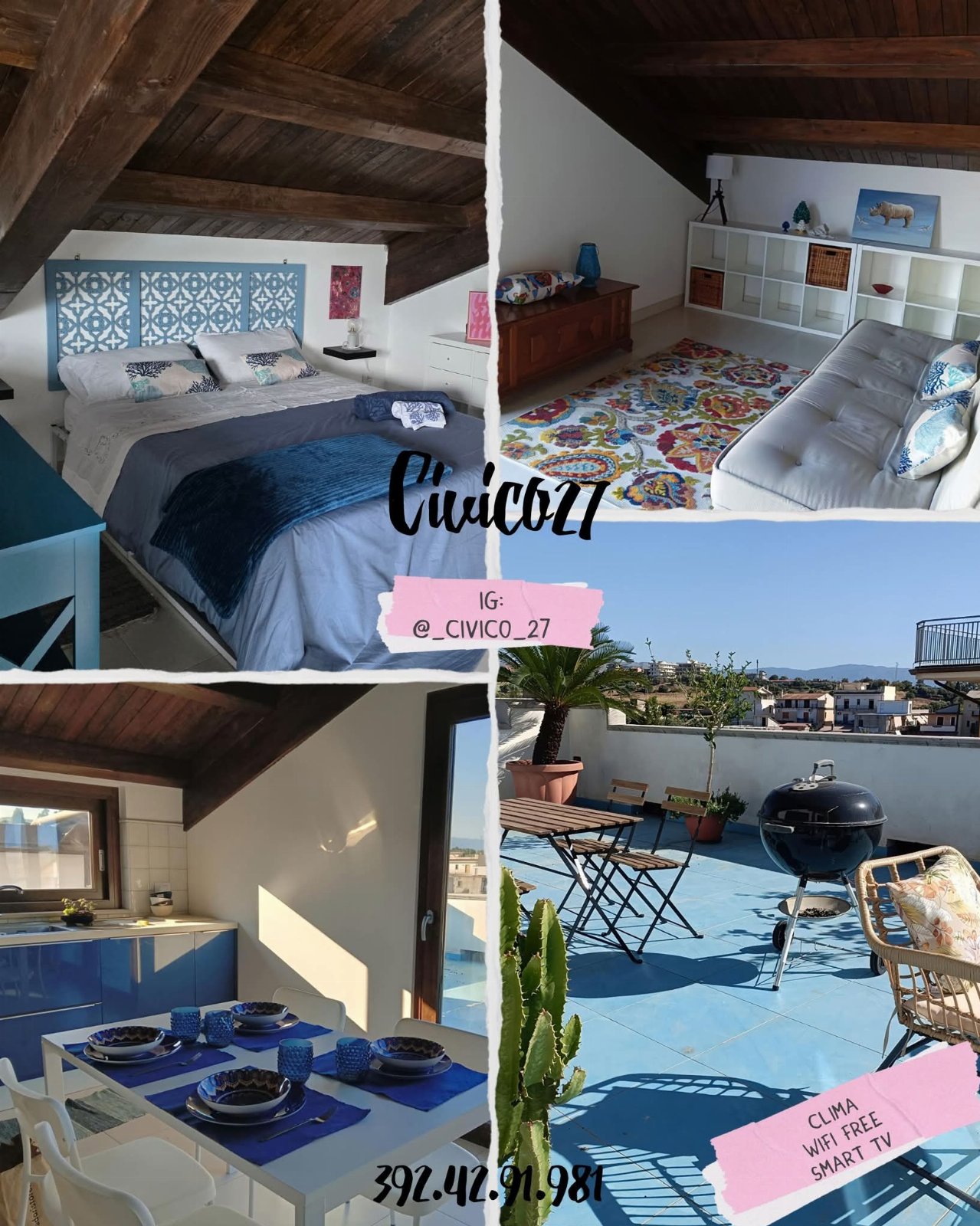
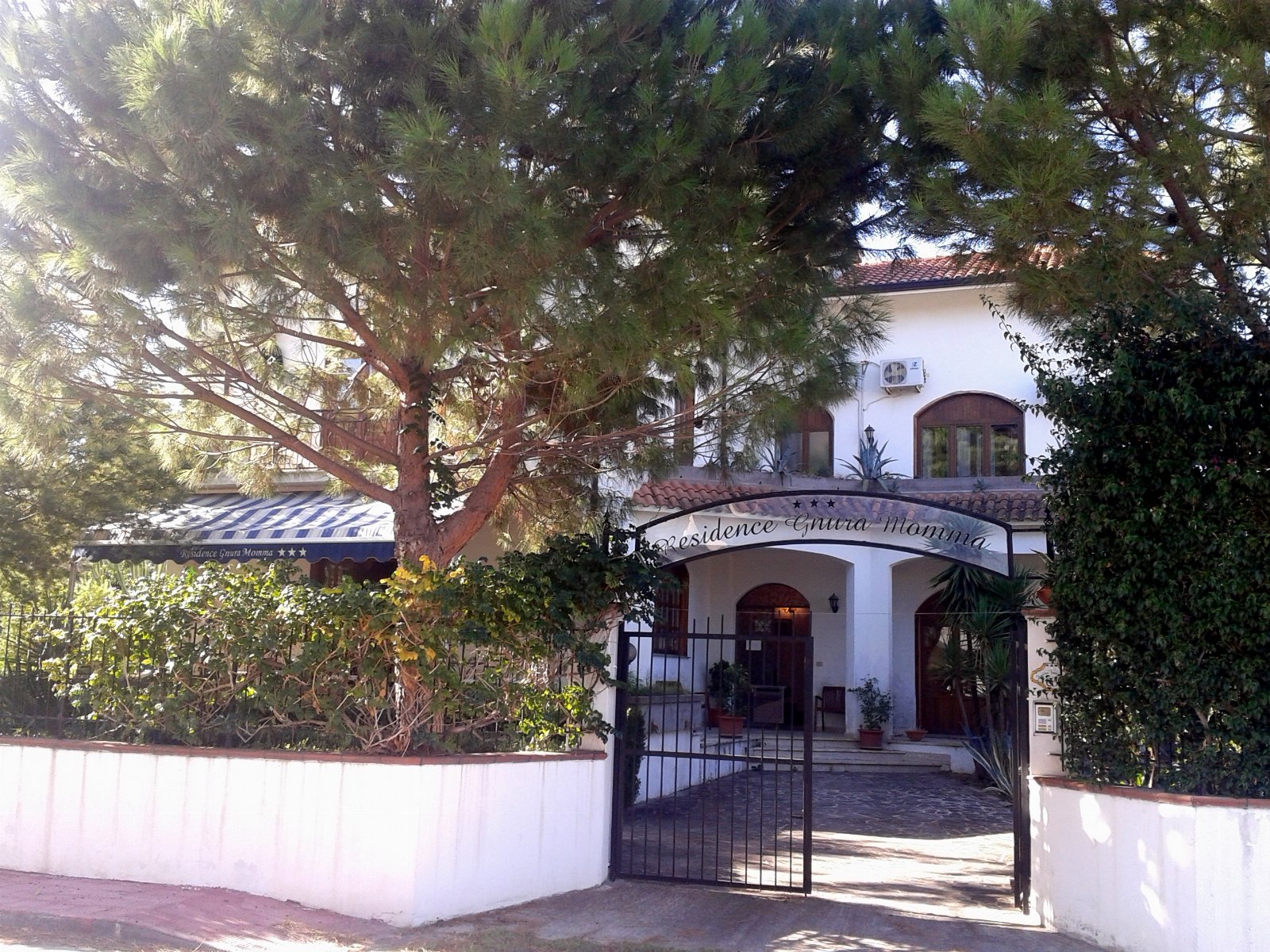
A Locri sono disponibili 1 alloggi selezionati. Scopri gli alloggi a Locri.