Discover the Hidden Gems: What to See in Corigliano Rossano (Rossano), Calabria
Corigliano Rossano is a fascinating destination born from the union of two distinct historic centers, offering a perfect blend of Byzantine history, Norman architecture, and stunning Ionian coastline. Located in the province of Cosenza, this sprawling municipality is a treasure trove for travelers seeking an authentic Calabrian experience far from the crowded tourist circuits. From the precious gold-leaf manuscripts of the Middle Ages to the aromatic scents of local citrus groves, this region invites you to slow down and explore its deep cultural roots.
Whether you are a history buff, a nature lover, or simply looking for a relaxing Mediterranean escape, Corigliano Rossano offers a diverse range of experiences. The city is divided into two main urban hubs—Corigliano and Rossano—each boasting its own unique character. As you navigate through the winding alleys and panoramic viewpoints, you will discover why this area is considered one of the most culturally significant spots in Southern Italy. This guide will help you navigate the best of what this dual-city has to offer.
Top 5 Unmissable Attractions in Corigliano Rossano (Rossano) Calabria
First on your list must be the Codex Purpureus Rossanensis, kept at the Diocesan Museum. This 6th-century illuminated manuscript is a UNESCO World Heritage treasure. Written on purple-dyed parchment with silver and gold ink, it is one of the oldest surviving New Testament gospels. The museum is generally open Tuesday to Sunday, 9:30 AM to 1:00 PM and 3:30 PM to 7:00 PM. Admission is approximately 5 euros, and it is highly recommended to book a guided tour to fully appreciate the historical weight of this artifact.
The Ducal Castle of Corigliano is another masterpiece. This fortress, dating back to the 11th century, is one of the best-preserved Norman-Swabian castles in Italy. You can explore the lavishly decorated rooms, the mirror hall, and the ancient prison cells. It is open daily, typically from 10:00 AM to 1:00 PM and 4:00 PM to 8:00 PM, with tickets around 5-7 euros. Don't miss the view from the towers, which offers a breathtaking panorama of the Piana di Sibari.
For those who love religious history, the Cathedral of Maria Santissima Achiropita in Rossano is essential. The name "Achiropita" means "not made by human hands," referring to an ancient icon of the Virgin Mary kept inside. The architecture is a beautiful mix of Romanesque and Baroque styles. It is open to the public during liturgical hours, and entry is free, though donations for maintenance are appreciated. It is a place of profound silence and spiritual intensity.
Nature and history merge at the Patire Abbey (Santa Maria del Patire). Nestled in the Sila Greca mountains, this 11th-century Basilian monastery offers a peaceful retreat. The intricate floor mosaics are a must-see. Access is free, but the road leading up is winding, so it is best visited by car in the morning. It represents the Byzantine soul of Calabria and is perfect for those seeking solitude and stunning mountain vistas.
Finally, spend an afternoon at the Amarelli Liquorice Museum. Calabria is famous for its high-quality liquorice, and the Amarelli family has been producing it since 1731. The museum, located in an 18th-century "concio," documents the history of this "black gold." Tours are available by appointment (usually 3-5 euros), and it is a fascinating look at local industry and tradition. If you are looking for a unique stay near these sites, book your stay in Corigliano Rossano (rossano) to enjoy the area at your own pace.
Museums and Cultural Sites
Beyond the Codex, the Diocesan Museum of Rossano acts as the primary cultural hub. It houses not only the gospel but also a collection of reliquaries, liturgical vestments, and paintings dating from the 15th to the 19th centuries. It is easily reachable by foot from the main piazza of Rossano. The curators are very knowledgeable and often offer insights into the Byzantine influence on the local dialect and customs.
Archaeology enthusiasts should not miss the Archaeological Park of Castiglione. While the site is undergoing ongoing excavations, it offers a glimpse into the ancient Greek and Roman settlements that occupied the Sibaritide plain. It is located just outside the main urban center. Since signage can be sparse, it is often best to check with the local tourist office in Corigliano before heading out to ensure the site is open for guided visits.
Churches and Historical Monuments
The architecture of Corigliano Rossano is a testament to the various civilizations that dominated the Ionian coast. The Church of San Marco in Rossano is a prime example of Byzantine architecture, characterized by its five domes. It is one of the oldest monuments in the city and serves as a vital marker of the Greek-Orthodox heritage that once flourished here. The surrounding area is a labyrinth of narrow streets, perfect for photography enthusiasts.
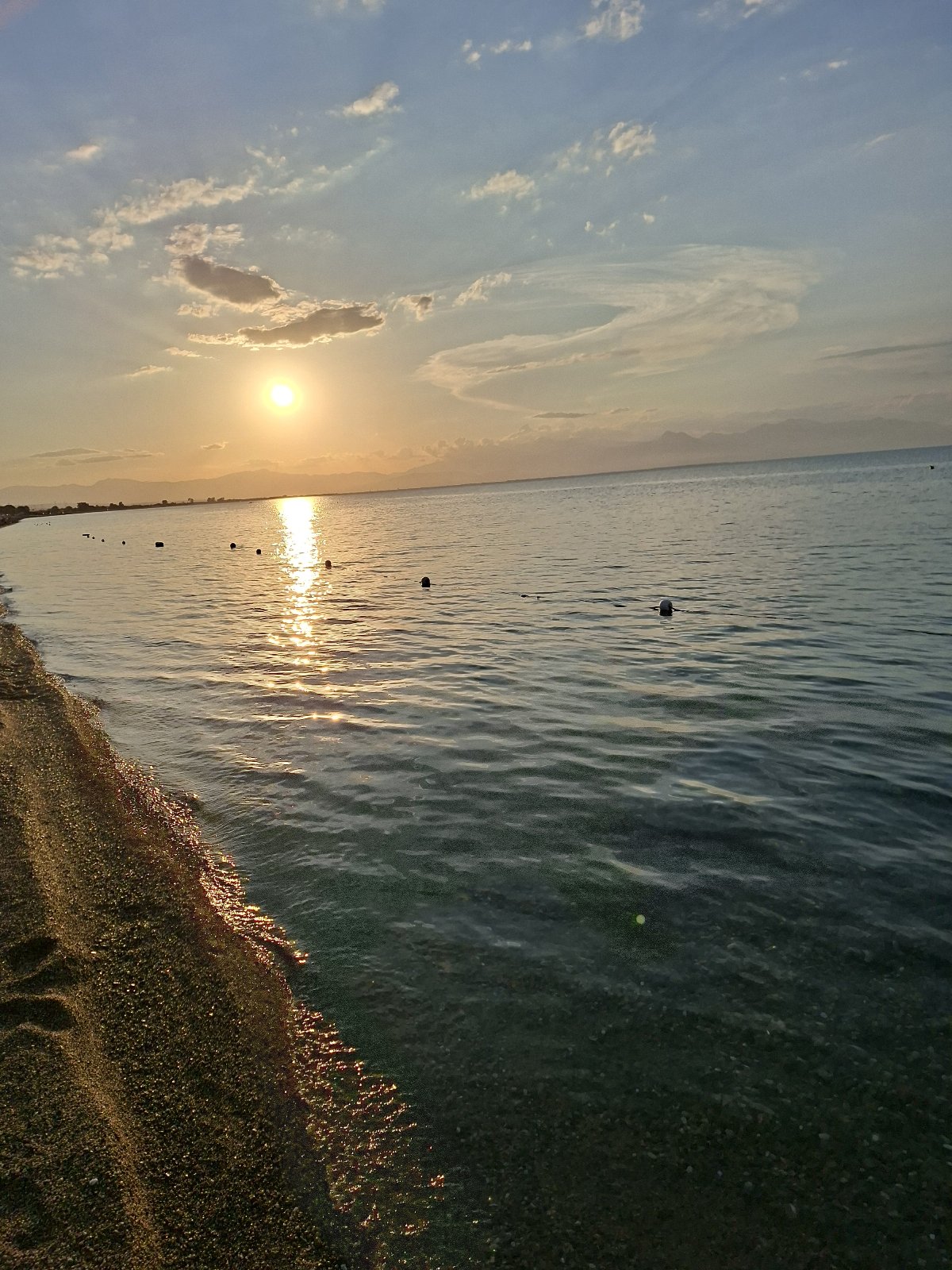
The Torre Stellata in Corigliano is a fascinating military monument. Built in the 16th century to defend the coast from Saracen pirates, its star-shaped design is unique in the region. While it is mostly viewed from the outside, its presence dominates the coastal landscape, reminding visitors of the turbulent history of the Mediterranean. Strolling along the nearby promenade at sunset provides a romantic view of this historic watchtower against the backdrop of the sea.
Nature and Natural Parks
Corigliano Rossano serves as a gateway to the Sila National Park. A short drive will take you into the heart of the Sila Greca, where you can find ancient forests of larch pines and beeches. These mountains are ideal for trekking, mountain biking, or simple nature walks. The air here is crisp and pure, providing a refreshing contrast to the warm coastal temperatures during the summer months.
The Fiumare (seasonal riverbeds) are a characteristic feature of the landscape. These dry, pebbly paths are excellent for adventurous hikers who want to explore the rugged interior of Calabria. During the spring, the surrounding hills are covered in wildflowers, making it an ideal time for photography. Always ensure you have a local guide or a reliable GPS map, as these trails can be unmarked and challenging for inexperienced hikers.
Itinerary in One Day
To maximize your 8-hour stay, start your morning at 9:00 AM in Rossano at the Diocesan Museum to see the Codex. Spend an hour here, then walk to the Cathedral and the Church of San Marco. By 12:30 PM, drive down to the coast for a traditional Calabrian lunch featuring local pasta like "lagane e ceci" or fresh Ionian seafood.
In the afternoon, head to Corigliano to visit the Ducal Castle. Take your time wandering through the halls and the gardens. Around 4:30 PM, visit the Amarelli Liquorice Museum to learn about local production and pick up some souvenirs. End your day at 6:30 PM with an aperitivo in the main square of Corigliano, sipping a glass of local Cirò wine while enjoying the lively atmosphere of the locals. If you fall in love with the area, remember that in Corigliano Rossano (rossano) are available 1 alloggi selezionati. Scopri gli alloggi a Corigliano Rossano (rossano).
What to See Nearby
Within a 30-60 minute drive, you can reach the Archaeological Park of Sybaris. This is one of the most important Greek colonies in Magna Graecia. The site is vast and includes a museum that displays findings from the excavations, including pottery and bronze items. It is a must-visit for anyone interested in the foundational history of Western civilization.
Another excellent day trip is to the town of Corigliano Calabro's seaside district, Schiavonea. It is known for its lively harbor, colorful fishing boats, and excellent seafood restaurants. It is a more relaxed, modern contrast to the historic hilltop centers. If you are looking for a more immersive experience, you can always find the perfect place to stay in Corigliano Rossano (rossano) as your base for exploring these nearby wonders.