Discovering the Ionian Pearl: Cosa vedere Corigliano-Rossano Calabria
Welcome to one of the most fascinating and historically rich destinations in southern Italy. If you are wondering about cosa vedere Corigliano-Rossano Calabria, you are about to embark on a journey through Byzantine art, Norman castles, centuries-old licorice traditions, and pristine natural landscapes. Formed by the merger of two ancient hilltop towns, Corigliano Calabro and Rossano, this expansive municipality stretches from the lush mountains of the Sila Greca all the way down to the crystalline waters of the Ionian Sea. It is a place where history is etched into every stone and where the authentic Calabrian spirit thrives.
Planning a trip to this dual-city requires a bit of organization, as the cultural heritage is vast and spread across different elevations. Whether you are a history buff eager to lay eyes on a UNESCO-recognized illuminated manuscript, a foodie wanting to taste the world's best licorice, or a nature lover looking to hike through ancient forests, Corigliano-Rossano offers an unforgettable experience. In this comprehensive guide, we will explore the absolute best things to do, see, and experience in this magnificent corner of Calabria.
The Main Attractions in Corigliano-Rossano
To truly understand the essence of this territory, you must start with its five most iconic landmarks. First on the list is the magnificent Castello Ducale di Corigliano. Considered one of the most beautiful and best-preserved castles in southern Italy, its origins date back to 1073 under the Norman king Robert Guiscard. Over the centuries, it was transformed from a military fortress into a lavish noble residence by the Sanseverino and Compagna families. Visitors are consistently left speechless by the Hall of Mirrors, adorned with Bohemian crystal chandeliers and intricate frescoes. The castle is generally open from Tuesday to Sunday, from 10:00 AM to 1:00 PM and 3:00 PM to 6:30 PM. The entrance fee is around €5.00. Tip: Make sure to climb the spiral staircase of the Keep for a breathtaking panoramic view of the Sibari Plain.
The second unmissable attraction is the Diocesan Museum and the Codex Purpureus Rossanensis in Rossano. This museum houses a priceless treasure: a 6th-century illuminated Greek Gospel book written on purple parchment with silver and gold ink. Recognized by UNESCO as a Memory of the World, the Codex is a masterpiece of Byzantine art. The museum is open Tuesday through Sunday (9:30 AM - 1:00 PM and 3:00 PM - 6:00 PM), with tickets priced at €5.00. Booking in advance is highly recommended during the peak summer months.
Thirdly, venture into the hills to discover the Abbey of Santa Maria del Patire (Il Patire). Founded in 1095 by the monk Bartholomew of Simeri, this abbey is a stunning example of Norman-Byzantine architecture nestled in a dense forest. The church features beautiful polychrome mosaic floors depicting mythical animals. Entry is free, and it is open during daylight hours. It is the perfect spot for a peaceful retreat away from the summer heat.
For a unique sensory experience, the fourth must-see is the Giorgio Amarelli Licorice Museum. The Amarelli family has been producing world-renowned licorice since 1731. The museum, located in a historic 15th-century residence, showcases vintage machinery, old molds, and the fascinating history of this local industry. Guided tours are available from Monday to Saturday and must be booked in advance. The tour is usually free or requires a nominal fee that includes a tasting. Do not leave without buying some pure licorice from the museum shop!
Finally, head down to the coast to experience the Lungomare di Schiavonea. This vibrant seaside promenade is the modern, beating heart of the city's coastal life. Here you will find the imposing Quadrato Compagna, a historic structure once used for fairs, and the Sanctuary of the Madonna della Schiavonea. It is entirely free to visit and offers the perfect setting for an evening stroll, surrounded by traditional fishing boats and the scent of the Ionian Sea.
Museums and Cultural Sites
Beyond the famous Codex, the Diocesan Museum of Rossano offers a profound dive into the religious and cultural history of the region. The museum's collection includes centuries of ecclesiastical silver, intricate vestments, and Renaissance paintings. The layout is modern and accessible, providing interactive displays that explain the complex Byzantine history of Rossano, often referred to as "The Ravenna of the South." To reach the museum, you must navigate the winding roads up to the historic center of Rossano, where parking is available near the Cathedral.
If you are fascinated by industrial archaeology and local enterprise, the Amarelli Museum is just the tip of the iceberg. The entire coastal area of Corigliano-Rossano was once a hub for agriculture and trade. The aforementioned Quadrato Compagna in Schiavonea is a monumental 19th-century fairground that highlights the agricultural wealth of the Compagna barons. Today, it frequently hosts cultural exhibitions, summer festivals, and local craft markets, serving as a bridge between the city's aristocratic past and its vibrant present.
For those who wish to fully immerse themselves in the local culture, finding the right base is essential. Staying in a central location allows you to easily transit between the high-altitude historic centers and the coastal museums. You can easily find comfortable accommodations in Corigliano-Rossano to serve as your starting point for these cultural excursions.
Churches and Historical Monuments
The architectural landscape of Corigliano-Rossano is heavily defined by its religious buildings, which reflect centuries of Byzantine, Norman, and Baroque influences. The absolute jewel of Byzantine architecture in Calabria is the Church of San Marco in Rossano. Dating back to the 9th or 10th century, this small, austere church features five cylindrical domes and a Greek cross plan. Perched on a tufa rock, it was originally a reading retreat for ascetic monks. Its raw, unadorned stone exterior hides a deeply spiritual atmosphere within.
Just a short walk from San Marco is the Cathedral of Maria Santissima Achiropita. The name "Achiropita" translates to "not painted by human hands," referring to a miraculous fresco of the Virgin Mary found inside, dating back to the 8th century. The Cathedral itself is a massive structure that underwent various modifications over the centuries, blending Byzantine origins with later Baroque additions. The bell tower and the majestic portal are particularly noteworthy for architecture enthusiasts.
Over in the Corigliano historic center, the Church of San Pietro e Paolo stands out. Located near the Ducal Castle, this church boasts a beautiful interior with notable paintings and a majestic wooden choir. As you wander the narrow, labyrinthine alleys of Corigliano's historic center—often requiring you to climb steep staircases and pass under ancient stone arches—you will encounter numerous other small chapels and noble palaces, each telling the story of a wealthy and pious feudal past.
Nature and Natural Parks
Corigliano-Rossano is not just about history and architecture; it is also a paradise for nature lovers. The municipal territory extends up into the slopes of the Sila Greca, the northernmost part of the Sila National Park. This area is characterized by dense, ancient forests of chestnut, oak, and pine trees. A highly recommended excursion is to the Cozzo del Pesco WWF Oasis, home to monumental chestnut trees, some of which are over 700 years old and have trunks so wide it takes several people to embrace them.
The landscape is also defined by the characteristic "fiumare"—wide, seasonal riverbeds that rush with water during the winter and spring but remain dry and stony during the summer. Hiking along these fiumare, such as the Colognati or the Celadi, offers a rugged, off-the-beaten-path adventure. The flora here transitions rapidly from Mediterranean scrub near the coast to alpine-like vegetation in the mountains, making it a hotspot for biodiversity and birdwatching.
For those who prefer a gentler interaction with nature, the hills surrounding the Abbey of Il Patire offer well-marked walking trails that are accessible to families. These paths provide spectacular vantage points where, on clear days, you can see across the Gulf of Taranto all the way to the coast of Apulia. Packing a picnic with local Calabrian cheeses and cured meats to enjoy in these pristine woods is an absolute must.
One-Day Itinerary
If you only have 8 hours to explore Corigliano-Rossano, a well-planned itinerary is crucial to maximize your time. Start your morning in the historic center of Rossano. Arrive around 9:30 AM to visit the Diocesan Museum and marvel at the Codex Purpureus Rossanensis. Afterward, take a short walk to the Cathedral of the Achiropita and the ancient Church of San Marco. The morning light hitting the Byzantine domes is perfect for photography.
For lunch, head to a traditional trattoria in Rossano to try local specialties. You must taste the maccarruni a ferretto (handmade pasta) topped with a rich pork ragù, and finish your meal with a digestive shot of local licorice liqueur. After lunch, drive down the hill and across to the historic center of Corigliano Calabro. Spend your early afternoon (around 3:30 PM) exploring the magnificent Castello Ducale, taking time to admire the Hall of Mirrors and the sweeping views from the tower.
As the late afternoon approaches, drive down to the coast to Schiavonea. Take a relaxing stroll along the seafront promenade to shake off the walking from the historic centers. Find a seaside bar near the Quadrato Compagna for a classic Italian aperitivo. Watching the sunset over the Ionian Sea with a Spritz in hand, while the fishing boats return to the harbor, is the perfect way to conclude your day. To make this busy day stress-free, it is highly recommended to book a room in Corigliano-Rossano so you do not have to drive far after your sunset drinks.
What to See Nearby
Corigliano-Rossano is strategically located, making it an excellent hub for exploring the wider Ionian coast and the surrounding mountains. Just a 30-minute drive north is the Archaeological Park of Sybaris (Sibari). Sybaris was once one of the most powerful and wealthy cities of Magna Graecia, famous for its luxury. Today, you can explore the extensive ruins of the Greek, Roman, and Byzantine settlements that were built on top of one another, alongside a fantastic National Archaeological Museum.
About 40 minutes inland, you will find the fascinating Archaeological Park of Castiglione di Paludi. This is a rare example of a fortified Brettian city dating back to the 4th century BC. The monumental stone walls and the remains of the ancient theater are incredibly well-preserved, offering a glimpse into the lives of the indigenous populations who inhabited Calabria before the Roman conquest.
If you are willing to drive about an hour, the town of Acri, known as the "Gateway to the Sila," awaits. Here you can visit the MACA (Museum of Contemporary Art) housed in the beautiful Sanseverino-Falcone Palace. Alternatively, driving south along the coast for about an hour will bring you to Punta Alice in Cirò Marina, an area famous worldwide for its excellent DOC wines. A wine-tasting tour in the Cirò region is highly recommended for oenophiles.
Where to Sleep to Visit Corigliano-Rossano at Your Own Pace
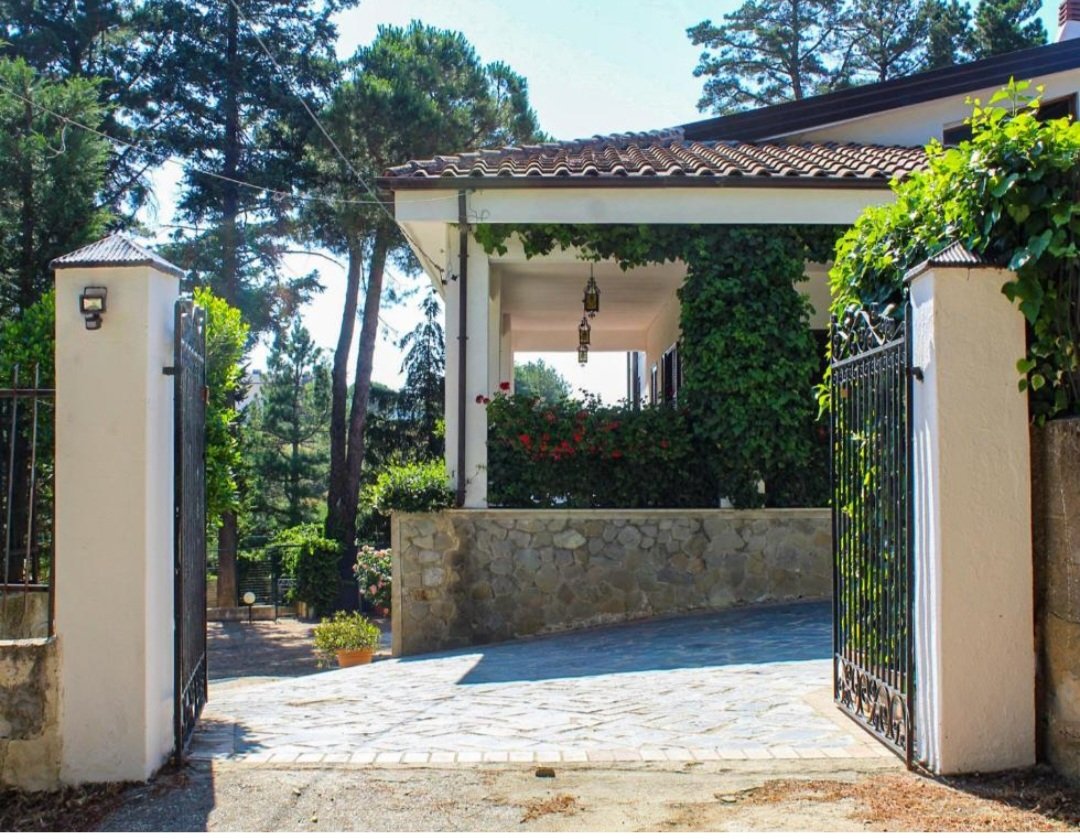
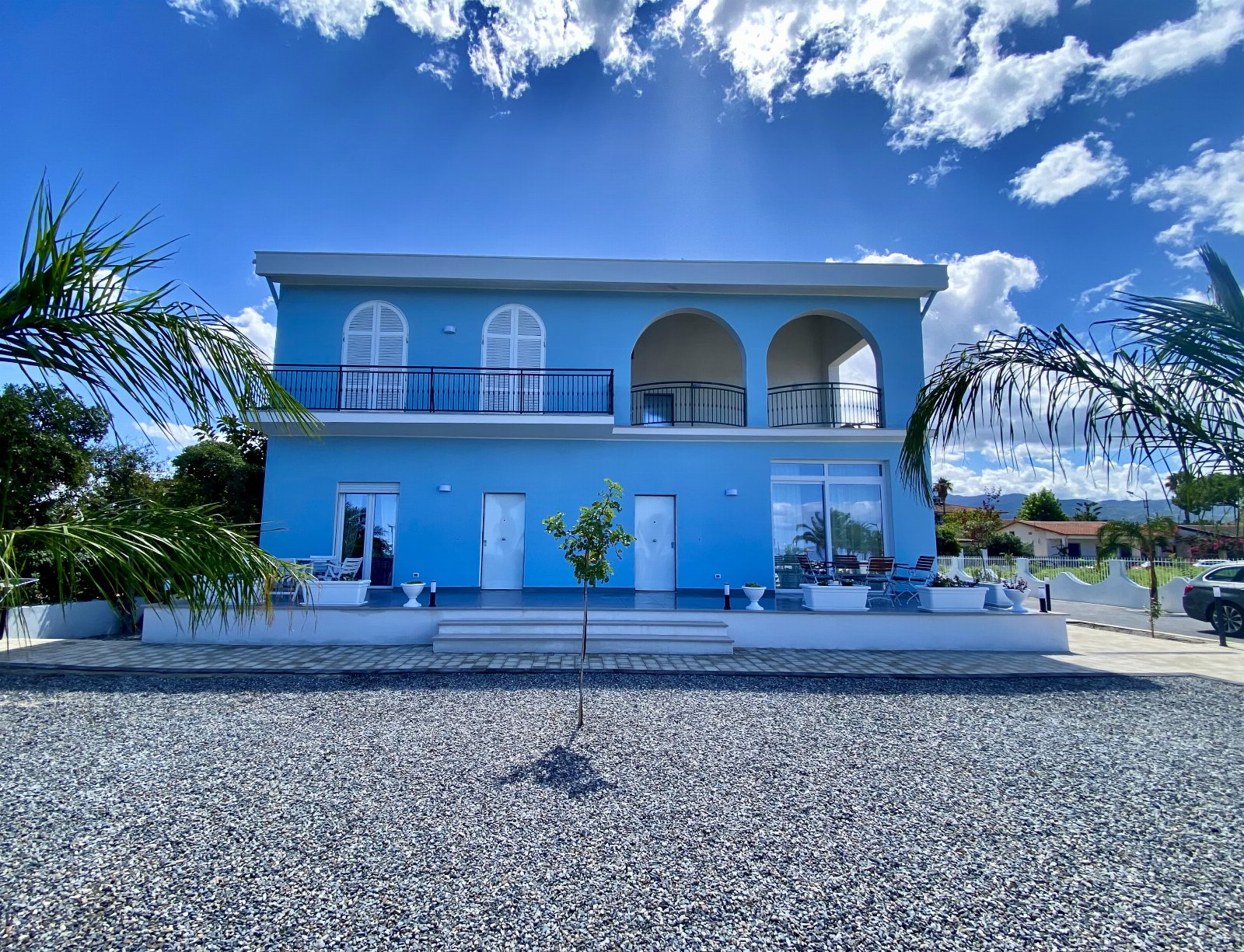
Because the municipality is so large and the attractions are divided between the mountains and the sea, choosing the right accommodation is vital for a relaxing holiday. Staying near the coast in Schiavonea offers easy access to the beaches and evening nightlife, while choosing a bed and breakfast in the historic centers of Corigliano or Rossano provides a romantic, step-back-in-time experience with stunning morning views over the valleys.
Whether you prefer a modern seaside apartment, a cozy room in a historic palazzo, or a quiet agriturismo surrounded by olive groves, this area has options to suit every traveler's needs and budget. Taking your time to explore means you can truly absorb the slow-paced, welcoming Calabrian lifestyle without rushing from one site to the next.
A Corigliano-Rossano sono disponibili 3 alloggi selezionati. Scopri gli alloggi a Corigliano-Rossano.