Discovering the Grecanic Capital: Cosa vedere Bova Calabria
Perched high on the rugged slopes of the Aspromonte mountains, Bova is not just a picturesque village; it is the beating heart of Calabria's Grecanic culture. Recognized as one of the "Borghi più belli d'Italia" (Most Beautiful Villages in Italy), this ancient settlement offers a journey back in time to when Southern Italy was Magna Graecia. If you are planning a trip to the deep south of the Italian peninsula, understanding the cultural depth of this region is essential for a truly immersive experience.
Visiting Bova means stepping into a world where the echoes of ancient Greek dialects can still be heard in the streets, and where Byzantine traditions blend seamlessly with the untamed Calabrian landscape. The town sits at an altitude of 820 meters above sea level, providing visitors with sweeping, panoramic views that stretch all the way down to the Ionian Sea and, on clear days, across the strait to the majestic Mount Etna in Sicily.
Whether you are a history enthusiast, a lover of untouched nature, or a traveler seeking authentic culinary experiences, Bova has something extraordinary to offer. This comprehensive guide will walk you through the very best this mountain fortress has to offer, ensuring your Calabrian adventure is nothing short of unforgettable.
The Main Attractions: Unmissable Sights in Bova
When exploring the cobblestone streets of Bova, there are five absolute must-see attractions that define the soul of the village. The first is the imposing Ruins of the Norman Castle. Located at the very peak of the town, this fortress dates back to the 11th century. Though only ruins remain today, the short, steep hike up is rewarded with a breathtaking 360-degree view of the Amendolea Valley. Entry is completely free, and it is open 24 hours a day, making it the perfect spot for sunrise or sunset photography.
The second unmissable sight is incredibly unique: The Steam Locomotive in Piazza Roma. As you enter the main square of this high-altitude mountain village, you are greeted by an authentic 1911 steam train. It was brought up the winding mountain roads piece by piece in the 1980s as a monument to the many local emigrants who left Calabria by train to seek fortune in Northern Italy or abroad. It serves as a powerful, nostalgic centerpiece for the community.
To truly understand the historical daily life of the locals, you must walk the Sentiero della Civiltà Contadina (Path of Peasant Civilization). This is an open-air museum consisting of a pathway winding through the village alleys, decorated with authentic ancient farming tools, millstones, and olive presses. Along your walk, you will also encounter the noble Palazzo Nesci, one of the few aristocratic buildings that survived the devastating earthquakes of the region, showcasing beautiful stone portals. Finally, do not miss the Grotta degli Amanti (Cave of Lovers), a small natural cavity steeped in local romantic folklore, easily found as you wander the lower alleys of the historical center.
Museums and Cultural Sites in Bova
Bova is the cultural epicenter of "Bovesia," the Greek-speaking area of Calabria. To dive deep into this heritage, the Museo della Lingua Greco-Calabra "Gerhard Rohlfs" is an absolute priority. Dedicated to the German linguist who spent his life studying and preserving the local Griko dialect, the museum offers fascinating exhibits on the linguistic evolution, traditions, and folklore of the Grecanic people. The museum is generally open from Tuesday to Sunday, from 09:30 AM to 12:30 PM and 3:00 PM to 6:00 PM. The entrance fee is a modest €3.00, and it is easily accessible on foot from Piazza Roma.
Another surprising cultural gem in Bova is the Museo di Paleontologia e Scienze Naturali dell'Aspromonte. Despite being high in the mountains, this area was once submerged under ancient oceans. The museum houses an impressive collection of marine fossils, prehistoric remains, and geological specimens found exclusively in the Aspromonte National Park. It is a fantastic educational stop, especially for families traveling with children, offering a different perspective on the geological history of the Calabrian peninsula.
Beyond the formal museums, the entire village acts as a cultural site. The local administration and cultural associations frequently host open-air exhibitions, traditional music workshops featuring the tambourine and the lira calabrese, and weaving demonstrations using the native broom plant (ginestra). Checking the local town hall board in the main square will often reveal temporary cultural events that are free to attend and deeply enriching.
Churches and Historical Monuments
The religious architecture of Bova tells a story of the transition from Byzantine Greek Orthodox worship to Roman Catholicism. The most prominent example is the Concattedrale della Madonna dell'Isodia. Originally built in the early centuries of the first millennium and reconstructed several times due to earthquakes, this cathedral still houses a stunning marble statue of the Madonna and Child created by the famous sculptor Rinaldo Bonanno in 1584. The church's name, "Isodia," comes from the Greek word for "Presentation," highlighting the enduring Greek roots of the town's faith.
Just a short walk from the Cathedral, you will find the Chiesa dello Spirito Santo. This 17th-century church is renowned for its magnificent late-Renaissance stone portal, carved by local master stonemasons. Inside, the atmosphere is quiet and austere, reflecting the harsh but deeply spiritual life of the Aspromonte mountain people. Another significant religious site is the Santuario di San Leo, dedicated to the patron saint of Bova. San Leo was a Byzantine monk, and his sanctuary contains precious relics and a beautiful silver bust of the saint.
Beyond the churches, Bova's historical monuments include the remnants of its ancient defensive walls and the defensive towers built to spot Saracen pirates. Because the Calabrian coast was constantly under threat from raids between the 9th and 16th centuries, towns like Bova were fortified. The urban layout itself—a tight labyrinth of narrow alleys, steep stone staircases, and houses built closely together—was a deliberate architectural choice designed to confuse invaders and protect the community.
Nature and Natural Parks: The Aspromonte Wilderness
Bova is a primary gateway to the Aspromonte National Park, a vast protected area characterized by immense forests, towering peaks, and deep valleys. The nature surrounding Bova is wild and pristine, offering a stark contrast to the typical beach holidays associated with Calabria. The park is home to diverse wildlife, including wolves, wild boars, and the rare Bonelli's eagle. The air here is incredibly pure, filled with the scent of wild oregano, bergamot, and ancient pine trees.
One of the most striking natural features near Bova is the Fiumara dell'Amendolea. Fiumare are unique seasonal rivers typical of Southern Italy; during the summer, they appear as massive, wide rivers of white stone and gravel, while in the winter and spring, they transform into raging torrents. Hiking along the edges of the Amendolea fiumara provides a surreal, almost lunar landscape experience. It historically served as the natural border between different ancient territories.
For hiking enthusiasts, the trails departing from Bova are spectacular. A highly recommended trek is the path leading to the Rocca del Drako and the Caldaie del Latte. These are bizarre, naturally occurring geological rock formations that local legends claim were the homes of dragons and giants. The trails are well-marked by the local CAI (Club Alpino Italiano) and range from easy walks to challenging multi-hour hikes. Always remember to bring plenty of water and wear sturdy hiking boots.
One-Day Itinerary: 8 Hours in Bova
If you only have one day to explore Bova, optimizing your time is key. Begin your morning at 9:30 AM by arriving in Piazza Roma. Grab a traditional Italian espresso and a local pastry at a nearby café while admiring the historic steam locomotive. From there, take a slow walk up the winding alleys, following the Sentiero della Civiltà Contadina, until you reach the ruins of the Norman Castle. Spend about an hour here taking in the panoramic morning views of the Ionian Sea.
By 12:30 PM, it is time for lunch. Calabrian mountain food is rich and hearty. Find a local osteria and order a plate of Maccheroni al ferretto with goat ragù, a staple of Grecanic cuisine. Do not forget to try the Lestopitta, a traditional unleavened fried bread unique to this specific area, often stuffed with local cheeses and cured meats like capocollo.
In the afternoon, around 3:00 PM, dedicate a couple of hours to culture. Visit the Gerhard Rohlfs Museum to learn about the Griko language, followed by a quiet visit to the Cathedral of Isodia and the Church of the Holy Spirit. As the day winds down toward 5:30 PM, head to the town's main belvedere for an aperitivo. Enjoy a glass of local Palizzi IGT red wine paired with some pecorino cheese as you watch the sunset paint the Aspromonte mountains in shades of gold and purple.
What to See Nearby: Day Trips from Bova
Bova serves as an excellent base camp for exploring the wider Grecanic area, with several incredible destinations located just 30 to 60 minutes away by car. A must-visit is Pentedattilo, located about 40 minutes away. This famous "ghost town" is built onto a colossal rock shaped like a five-fingered hand. Abandoned in the 1960s due to the threat of landslides, it has recently seen a revival with artisan shops and cultural festivals, offering an incredibly atmospheric and photogenic experience.
Just 30 minutes down the mountain lies the Castello dell'Amendolea. Sitting on a hill overlooking the massive dry riverbed of the Amendolea fiumara, the ruins of this Ruffo family castle offer a dramatic landscape that looks straight out of a fantasy novel. It is a short, slightly rugged hike to the top, but the historical resonance and the view of the valley are completely worth the effort.
If you want to dive even deeper into Greek Calabria, take a 45-minute drive to Gallicianò. Known as the most authentic Grecanic village, it is the only town where the Griko dialect is still spoken by almost all the inhabitants in their daily lives. Here, you can visit the small Orthodox church of Panaghia della Grecia and perhaps catch a spontaneous performance of traditional tarantella music in the small village square.
Where to Sleep to Visit Bova Peacefully
To truly appreciate the slow pace, the silent mountain nights, and the incredible starry skies of the Aspromonte, visiting Bova as a mere day trip is not enough. Staying overnight allows you to connect with the locals, enjoy long dinners without the worry of driving down dark mountain roads, and wake up to the sound of nature.
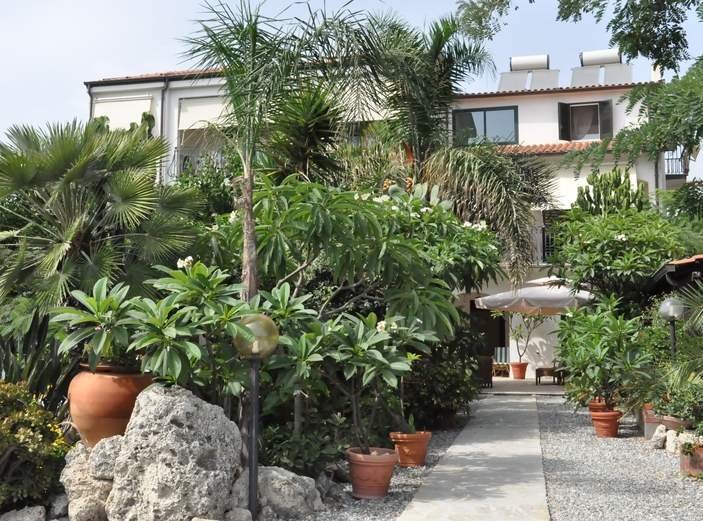
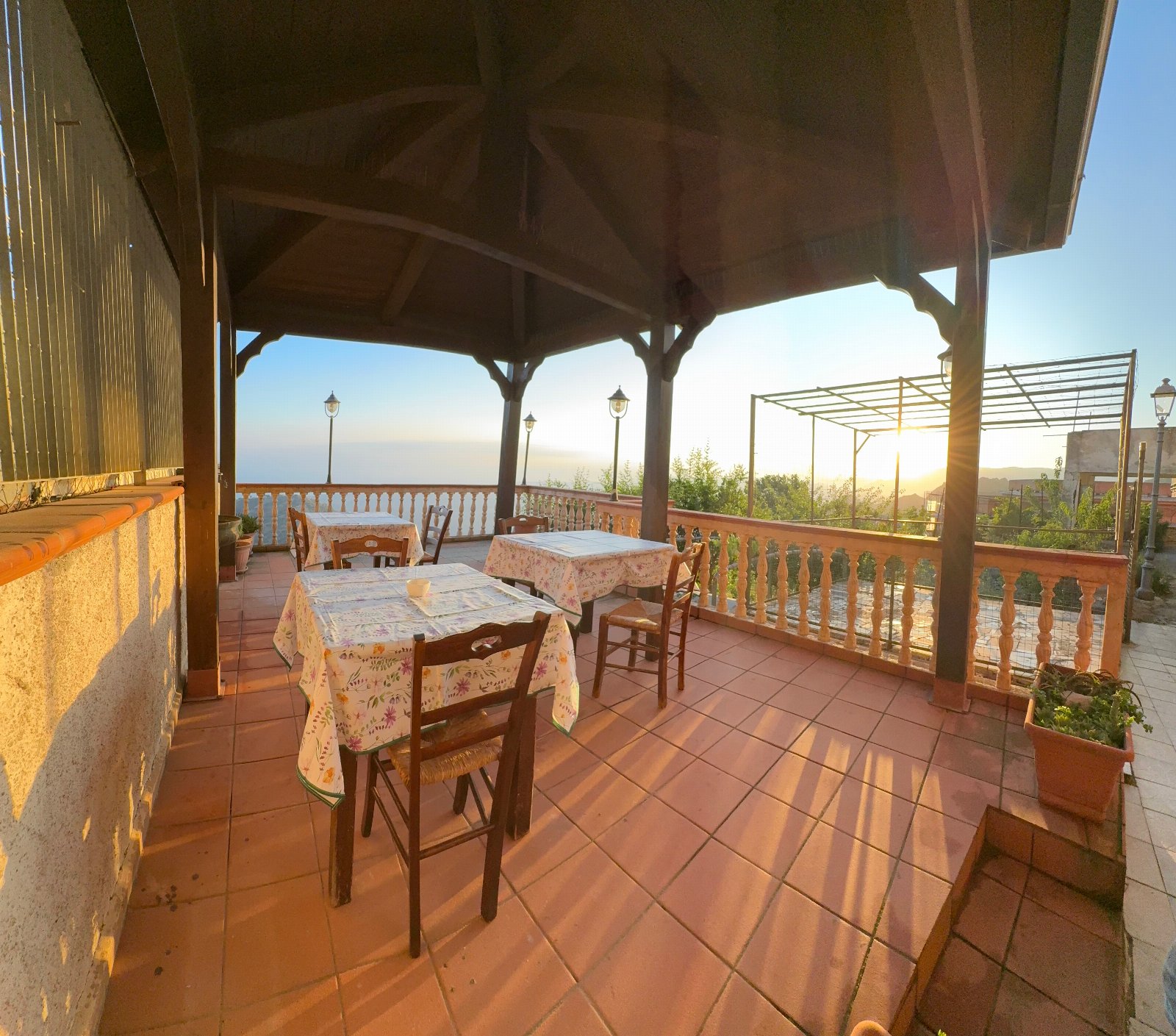
There are several charming bed and breakfasts and historic homes available for rent in the village. If you are looking for comfortable places to stay in Bova, you will find options that beautifully blend modern comforts with rustic stone architecture. Booking one of the traditional accommodations in Bova ensures you are directly supporting the local community and preserving this ancient village. A Bova sono disponibili 11 alloggi selezionati. Scopri gli alloggi a Bova.