The Ultimate Guide for a Perfect Weekend Bova Calabria
Why Choose Bova for the Weekend
If you are looking for a destination that effortlessly blends ancient history, breathtaking mountain landscapes, and authentic cultural traditions, spending a weekend Bova Calabria is the ultimate escape. Perched at 820 meters above sea level on the rugged slopes of the Aspromonte mountains, Bova is officially recognized as one of the most beautiful villages in Italy (I Borghi più belli d'Italia). It serves as the undisputed capital of the Grecanica area, a fascinating linguistic island where an ancient dialect derived from Homeric Greek is still spoken by the older generations. In just two days, this magical village will transport you back in time, far away from the hustle and bustle of modern city life.
Accessibility to Bova is surprisingly straightforward for such a remote-feeling mountain retreat, making it an ideal candidate for a quick weekend getaway. The atmosphere here is deeply serene. As you walk through the narrow, winding cobblestone streets, you are greeted by the scent of woodsmoke, wild fennel, and the salty breeze carrying up from the Ionian Sea below. The locals are incredibly welcoming, eager to share their heritage, their stories, and their unique way of life with curious travelers. It is a place where slow tourism is not just a trend, but a centuries-old reality.
During a 48-hour stay, you can expect a perfectly balanced itinerary. You will dive deep into historical ruins, enjoy sweeping panoramic views that stretch all the way to Mount Etna in Sicily on clear days, and indulge in a culinary tradition that is entirely unique to this pocket of southern Italy. To make the most of this experience, finding the right base is essential. I highly recommend checking out the best places to stay in Bova to ensure you wake up right in the heart of this ancient Greek-Calabrian wonder.
Saturday — The Heart of Bova
Your Saturday morning begins at 9:00 AM in the vibrant heart of the village, Piazza Roma. Here, you will find an unexpected sight: an old steam locomotive proudly displayed in the square, a quirky monument honoring the local railway workers. From the piazza, begin your upward climb through the labyrinthine alleys toward the Norman Castle ruins. The walk is steep but incredibly rewarding. By 10:30 AM, you should reach the top, where the remnants of the ancient fortress offer a 360-degree view of the Amendolea river valley and the sparkling Ionian coast. On your way back down, stop at the Cathedral of San Isodio, which houses a beautiful marble statue of the Madonna and Child dating back to the Renaissance.
After a hearty local lunch, dedicate your afternoon (from around 3:00 PM to 6:00 PM) to understanding the unique cultural fabric of Bova. Your first stop must be the Gerhard Rohlfs Museum of the Greco-Calabrian Language. Named after the German linguist who dedicated his life to studying the local dialect, this museum is a treasure trove of linguistic history, traditional agricultural tools, and old photographs. Afterward, take a leisurely stroll along the Sentiero della Civiltà Contadina (Path of Peasant Civilization), an open-air museum where ancient olive presses, millstones, and water wheels are displayed right in the streets, perfectly integrated into the urban fabric.
As evening falls around 7:30 PM, the village takes on a golden, mystical hue. Find a panoramic spot near the edge of the historical center to watch the sunset paint the Aspromonte mountains in shades of pink and purple. For your evening entertainment, head back to the main square for an authentic Italian aperitivo. Order a glass of local Calabrian wine or a classic Spritz, paired with some local pecorino cheese and olives. This is the perfect time to mingle with the locals, listen to the melodic sounds of the Grecanico language, and soak in the tranquil nighttime atmosphere of the village.
Sunday — Sea, Villages, or Nature
For your Sunday, Bova's strategic location offers three distinct and exciting alternatives depending on your personal travel style. If you are an outdoor enthusiast, option one is to dive into the wild nature of the Aspromonte National Park. Just a short drive from the village, you can hike the trails overlooking the fiumara (seasonal river) of the Amendolea. A must-see geological wonder here is the Rocca del Drako (Dragon's Rock) and the Caldaie del Latte (Milk Boilers)—bizarre, ancient rock formations shaped by wind and water over millennia. The hiking trails range from easy walks to challenging treks, all offering pristine, untouched nature.
If you prefer history, mystery, and photography, option two is a short road trip to the nearby ghost town of Pentedattilo. Located about 40 minutes away, this abandoned village clings to a massive sandstone rock shaped like a giant five-fingered hand (hence the Greek name penta-daktilos). The village was largely abandoned in the 1960s due to the threat of landslides but has recently seen a revival through local artisans who have opened small workshops in the ruined stone houses. Walking through the silent streets of Pentedattilo, learning about the tragic 17th-century massacre of the Alberti family, is an unforgettable, atmospheric experience.
If your idea of a perfect Sunday involves relaxation, option three takes you down the mountain to the sparkling Ionian Sea. Head to Bova Marina, the coastal counterpart to the mountain village. Especially delightful from late spring to early autumn, the beaches here feature soft sand, clear turquoise waters, and a distinct lack of massive tourist crowds. You can visit the archaeological park of Archeoderi, which houses the ruins of one of the oldest Jewish synagogues in Europe, and then spend the rest of the day sunbathing, swimming, and enjoying the coastal breeze.
Where to Eat During the Weekend
No weekend in Calabria is complete without diving headfirst into the local gastronomy, and Bova offers a culinary profile that is distinct from the rest of the region. For breakfast, keep it simple and traditional. Head to a local café in Piazza Roma or along the main street. Order a robust espresso or a creamy cappuccino, accompanied by a freshly baked brioche or a traditional pastry filled with sweet ricotta. Sitting at an outdoor table, sipping coffee while the village slowly wakes up, is the perfect way to start your day.
Lunch is the main culinary event in southern Italy, and in Bova, you must seek out a traditional trattoria or an agriturismo. The absolute star of the menu is Maccarruni (homemade fresh pasta) served with a rich, slow-cooked goat ragù. Goat meat is a staple in the Grecanica area, reflecting the ancient pastoral traditions of the Aspromonte. Another must-try is the Lestopitta, a traditional unleavened flatbread that is fried and stuffed with local ingredients like capicollo, sun-dried tomatoes, and sharp pecorino cheese. Pair your lunch with a bold, red Palizzi IGT wine.
For dinner, opt for a cozier, more intimate dining experience. Many of the local osterias offer fantastic antipasto platters that serve as a meal in themselves. Expect wooden boards piled high with cured meats, pickled wild mushrooms, locally cured olives, and various aged cheeses. If you still have room, try a dish featuring bergamot, the prized citrus fruit native to this specific stretch of the Calabrian coast. Whether it is a bergamot-infused risotto or a refreshing bergamot liqueur (bergamino) to aid digestion, the unique floral flavor is the perfect end to your culinary journey.
Where to Sleep for the Weekend
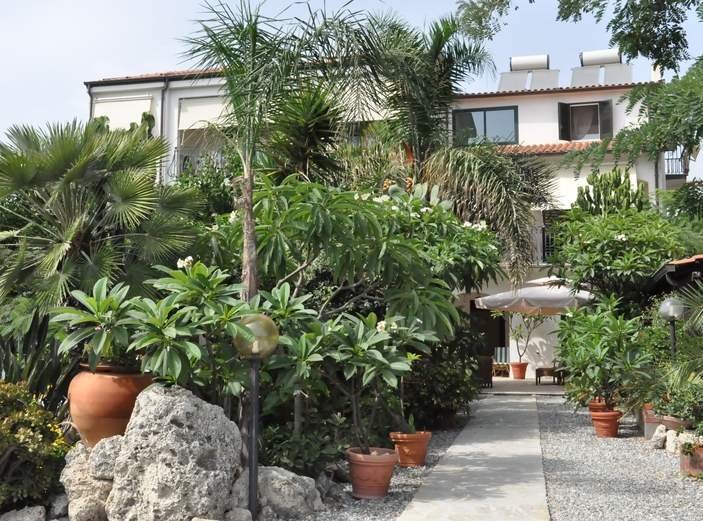
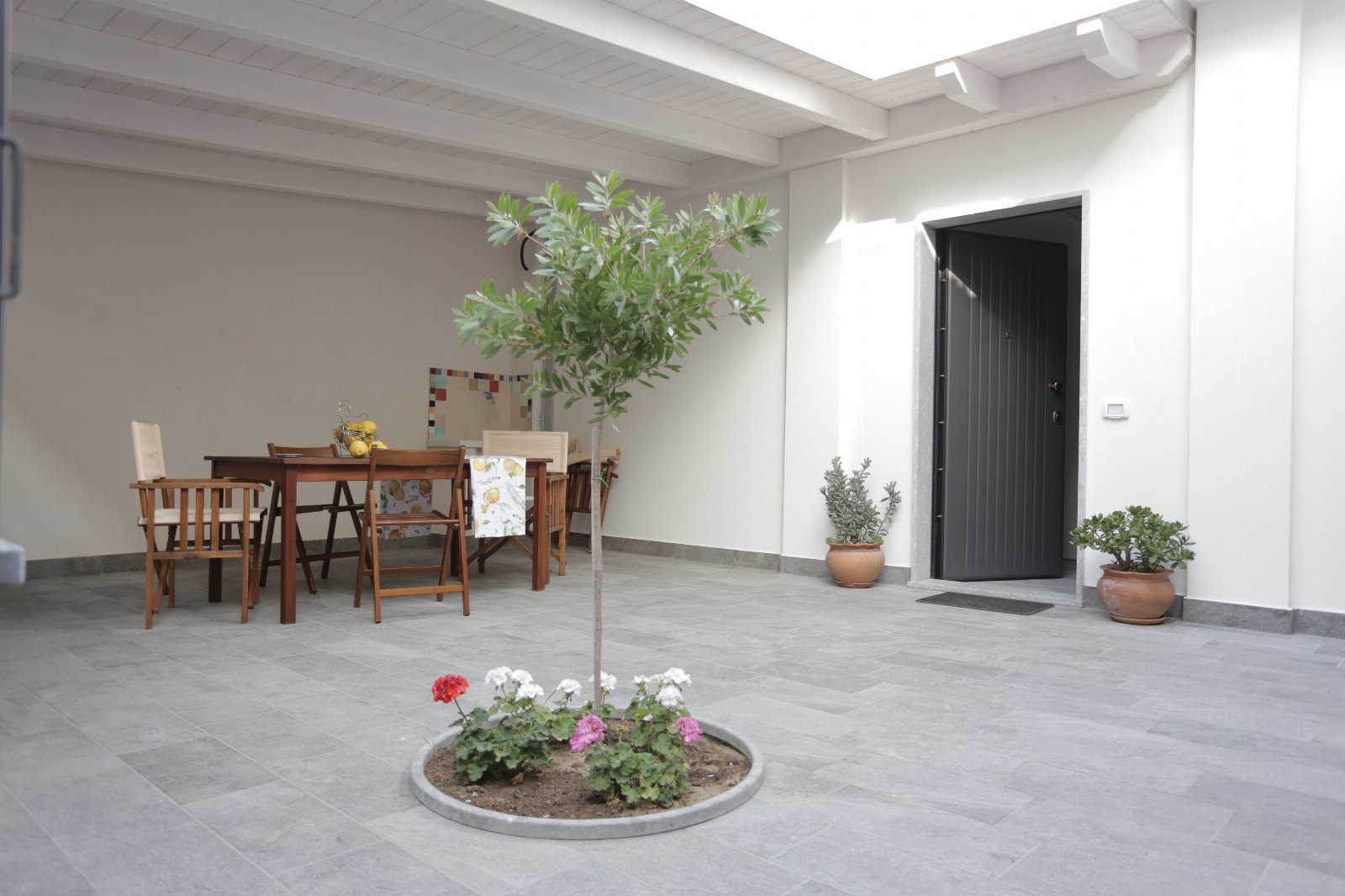
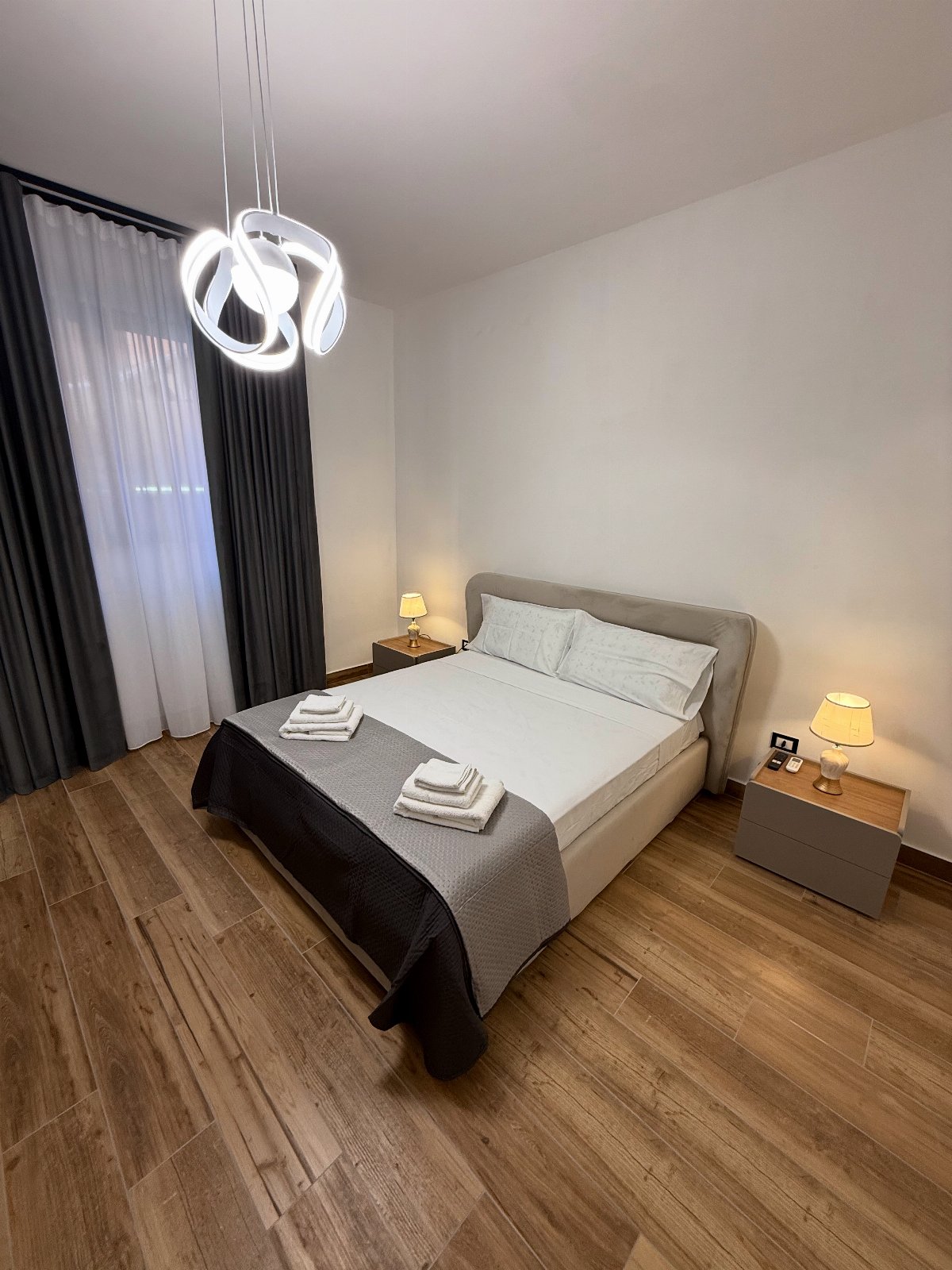
Choosing the right accommodation in Bova is an integral part of the experience. Because the village is historic and protected, you will not find large, impersonal hotel chains here. Instead, the hospitality scene is characterized by charming bed and breakfasts, beautifully restored historic homes, and widespread hospitality projects (albergo diffuso). Staying within the historical center means you can step right out of your door onto the ancient cobblestones, with the scent of wild herbs in the air and the sound of church bells marking the hours.
If you prefer a more rural setting, the surrounding countryside offers fantastic agriturismi (farm stays). These accommodations provide a peaceful retreat surrounded by olive groves and bergamot orchards, often featuring farm-to-table breakfasts with homemade jams, fresh cheeses, and rustic bread. Whether you stay in the village or just outside it, the hospitality of the local hosts will make you feel like part of the community rather than just a passing tourist.
To ensure you find the perfect match for your travel style and budget, it is highly recommended to browse local, curated listings. A Bova sono disponibili 11 alloggi selezionati. Scopri gli alloggi a Bova. Booking your stay in advance is especially important during the summer months or during local festivals, when this hidden gem sees a surge in visitors.
How to Get There
Getting to Bova is a scenic journey that adds to the charm of the weekend. If you are flying in from major Italian cities like Milan, Rome, or Naples, the most convenient option is the Reggio Calabria Airport (Tito Minniti), located just about an hour's drive from the village. Alternatively, Lamezia Terme International Airport is about two hours away but offers a much wider variety of domestic and international flights. From either airport, you will travel south along the beautiful Ionian coastline before heading up into the mountains.
If you prefer traveling by train, the Italian railway system connects major cities to the south. You can take a high-speed Frecciarossa or an Intercity train from Rome or Naples directly to Reggio Calabria Centrale or Villa San Giovanni. From there, switch to a regional train heading along the Ionian coast and disembark at Bova Marina. Once at the coastal station of Bova Marina, you can catch a local bus or arrange for a short taxi ride to navigate the winding 15-kilometer mountain road up to Bova Superiore.
However, renting a car is by far the best way to explore this region. Having your own vehicle gives you the freedom to easily navigate the steep inclines of the Aspromonte National Park, visit neighboring ghost towns, and drive down to the beach at your own pace. The drive itself is spectacular: you will cruise along the SS106 highway with the sea on one side, before turning inland and ascending the dramatic, switchback roads that lead to the village. Be sure to book your Bova accommodation with parking in mind.
What to Pack and Practical Tips
Packing smartly is key to enjoying your weekend in Bova. Because the village sits at an altitude of over 800 meters, the weather can be quite different from the coast. In the summer, while the days are warm and sunny, the evenings can be crisp and breezy. Layering is essential: pack t-shirts and shorts for daytime exploring, but always bring a light sweater or a windbreaker for the evening. If you are visiting in autumn or winter, you will need a warm coat, as the mountain air gets genuinely cold, and occasional snow is not unheard of.
Your footwear is arguably the most important item in your suitcase. Bova is a vertical village characterized by steep inclines, uneven stone steps, and cobblestone alleys. Leave the high heels at home and bring comfortable, sturdy walking shoes or hiking boots with excellent grip. Additionally, pack a small daypack for your excursions, a reusable water bottle to fill up at the local mountain springs, and sun protection (sunglasses, hat, and sunscreen), as the Mediterranean sun is strong even at higher altitudes.
Finally, keep a few practical tips in mind. The historical center of Bova is largely pedestrian-only, so you will need to leave your car at the designated parking areas near the entrance of the village. Cellular reception can be spotty as you drive deeper into the Aspromonte mountains, so it is wise to download offline maps on your phone before you arrive. Lastly, while most restaurants and accommodations accept credit cards, it is always a good idea to carry some cash for small purchases at artisan shops, local bakeries, or for leaving a tip after a fantastic Calabrian meal.