Exploring the Hidden Gems: A Guide to the Historic Borghi near Vibo Valentia, Calabria
Calabria is a region of profound contrasts, where the sparkling Tyrrhenian Sea meets rugged, ancient mountains. While many tourists flock to the famous coastal resorts, the true soul of this land lies in its inland borghi—historic hilltop villages that seem frozen in time. Situated in the heart of this landscape, Vibo Valentia serves as the perfect gateway to these treasures. Whether you are a history buff, an art enthusiast, or a traveler seeking authentic Mediterranean charm, the villages surrounding Vibo offer an immersive experience into the heart of Southern Italy.
The province of Vibo Valentia is a mosaic of medieval fortifications, narrow cobblestone alleys, and breathtaking panoramic views. By venturing just a few kilometers away from the city center, you can discover a world where traditional craftsmanship is still alive, and the pace of life follows the rhythm of the seasons. This guide will help you navigate the rich heritage of the area, ensuring you make the most of your cultural journey through these captivating borghi Vibo Valentia Calabria.
I borghi medievali da non perdere
The first stop on your journey should undoubtedly be Pizzo Calabro. Located just 15 minutes by car from Vibo Valentia, this stunning village is perched on a jagged cliff overlooking the sea. Its most famous landmark is the Chiesetta di Piedigrotta, a unique chapel carved directly into the seaside rock. Beyond the chapel, the Murat Castle, where Joachim Murat was executed, stands as a silent sentinel of history, offering visitors a glimpse into the Napoleonic era in the Kingdom of Naples.
Another essential destination is Soriano Calabro, situated about 25 minutes inland. Historically renowned for the monumental Dominican Convent of San Domenico, this village is a pilgrimage site for those interested in religious architecture. The ruins of the old monastery, destroyed by the 1783 earthquake, remain a powerful testament to the region's resilience. Soriano is also famous for its traditional artisanal biscuits, the "Mostaccioli," which are crafted into intricate, sculptural shapes that reflect the village's deep-rooted culinary heritage.
For those who love atmosphere, Tropea—often dubbed the "Pearl of the Tyrrhenian"—is a must-see. Located about 30 kilometers from Vibo Valentia, it is technically a coastal town but holds a historic center that is quintessentially medieval. Its dramatic position atop a steep cliff, combined with the iconic Sanctuary of Santa Maria dell'Isola, makes it a photographer’s paradise. Wandering through its narrow lanes, you will find noble palaces and hidden courtyards that reveal the city's aristocratic past.
Finally, consider visiting Zungri, a fascinating village located a short drive from the coast. Zungri is famous for its "Grotte degli Sbariati," an ancient rock-hewn settlement that dates back to the Byzantine era. This archaeological site, comprising approximately 100 caves carved into the sandstone, provides a rare look at how people lived in the region hundreds of years ago. It is a hauntingly beautiful place that contrasts sharply with the refined architecture of the nearby towns.
Arte e architettura dei borghi calabresi
The architectural landscape of the borghi Vibo Valentia Calabria is defined by a blend of Norman, Byzantine, and Baroque influences. Many of the local churches, such as the Cathedral of Vibo Valentia or the parish churches in the surrounding villages, feature intricate stone portals and bell towers that have survived centuries of seismic activity. These structures are not just places of worship; they are repositories of sacred art, housing wooden statues and canvases that tell the story of the local religious devotion.
Castles are another defining feature of the area. The Norman-Swabian influence is evident in the defensive structures that dot the hillsides. These fortresses were designed to protect the inland communities from pirate raids and foreign invasions. Today, walking through the courtyards of these castles, one can almost hear the echoes of the past. The local masonry techniques, often utilizing local granite and sandstone, give these buildings a distinct color palette that changes beautifully with the golden light of the Calabrian sunset.
Artisan tradition is the heartbeat of these villages. In many of these borghi, you can still find workshops where masters of wood carving, ceramics, and weaving continue to practice their crafts. Supporting these artisans is a great way to preserve the cultural identity of the region. Whether it is a hand-painted ceramic bowl or a piece of traditional embroidery, these items are the perfect souvenirs to take home, representing the authentic spirit of the Calabrian countryside.
Itinerario in un giorno
To organize a perfect day trip, start your morning in Vibo Valentia with a visit to the Norman-Hohenstaufen Castle, which houses the Archaeological Museum. After soaking in the history, head towards Pizzo Calabro by mid-morning to explore the Murat Castle and the Chiesetta di Piedigrotta before the afternoon heat sets in. The best time to visit these sites is during the shoulder seasons—spring or early autumn—when the temperatures are mild and the crowds are thinner.
For lunch, skip the tourist traps and look for a local trattoria in the historical center of the village you are visiting. Sample the "fileja," a traditional handmade pasta shape served with a rich, slow-cooked meat ragù. Pair it with a glass of local red wine, such as a Cirò or a wine from the nearby hills of the Costa degli Dei. This authentic dining experience is essential to understanding the local culture, which revolves heavily around the dinner table and seasonal produce.
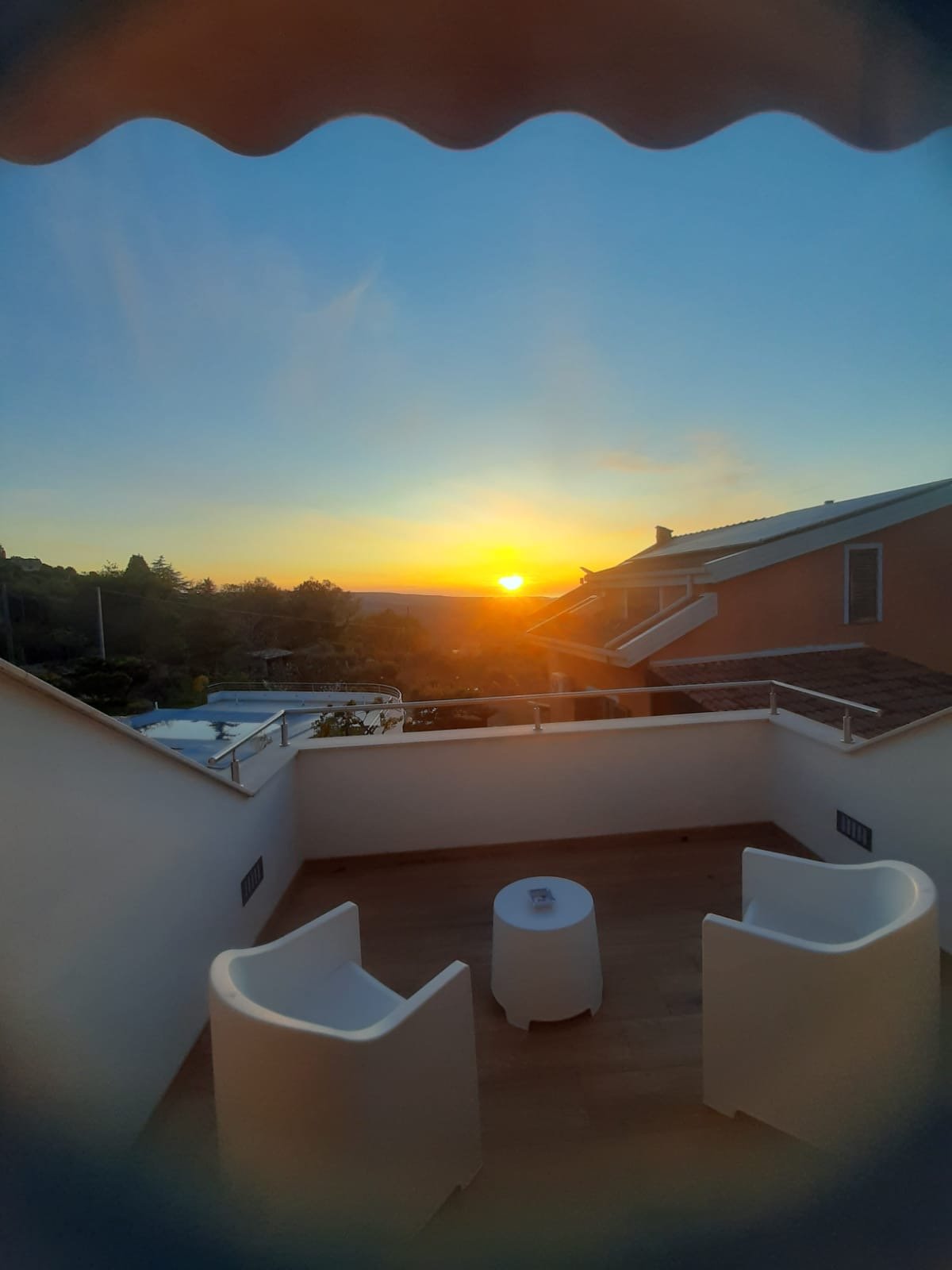
In the afternoon, spend your time wandering through the quiet, shaded alleys of the old towns. This is the time for "il dolce far niente" (the sweetness of doing nothing). Visit a local bakery to try the aforementioned Mostaccioli or a scoop of the famous Pizzo "Tartufo" gelato. As the sun begins to set, find a panoramic viewpoint—every borgo has one—to watch the light change over the Mediterranean. It is a moment of pure magic that captures the essence of a trip to Vibo Valentia.
Sagre ed eventi nei borghi
The life of these villages is marked by a calendar of religious and secular festivals that are truly spectacular to witness. If you visit in summer, you are likely to encounter a sagra, a food festival dedicated to a specific local product, such as the red onion of Tropea or mushrooms from the Serre mountains. These events are vibrant, loud, and incredibly welcoming, offering visitors a chance to taste authentic food and enjoy live folk music.
Religious processions are another pillar of village life. During the feast days of patron saints, the streets are filled with elaborate decorations, and the atmosphere is electric. Rievocazioni medievali (medieval reenactments) are also becoming increasingly popular. These events feature locals dressed in period costumes, jousting tournaments, and night markets that transport the visitor back to the Middle Ages. It is a fantastic way to engage with the history of the borghi Vibo Valentia Calabria in a dynamic and interactive way.
For those interested in local culture, checking the municipal websites of the villages before your arrival is highly recommended. Many of these events are not advertised on global tourism platforms, making them a true "insider" experience for the curious traveler. Participating in these celebrations allows you to integrate with the local community, breaking down the barrier between tourist and resident.
Come muoversi tra i borghi
Exploring the villages around Vibo Valentia is best done by car. While public transport exists, it is often infrequent and may not reach the most remote or scenic hilltop locations. Renting a car gives you the freedom to set your own pace, stop at unplanned viewpoints, and reach the hidden gems that are tucked away in the Calabrian interior. The roads are generally well-maintained, though you should be prepared for winding mountain paths that offer spectacular, albeit sometimes steep, vistas.
Driving in Calabria is an experience in itself. The routes connecting the coast to the inland villages pass through olive groves, citrus orchards, and dense forests. Make sure to have a reliable GPS, but do not be afraid to trust your instincts and follow the brown tourist signs that often lead to the most interesting historical sites. If you prefer not to drive, consider hiring a private driver for a day to take you on a customized tour of the area.
Remember that parking in historic centers can be tricky due to the narrow streets. It is always a good idea to park at the entrance of the village and continue your exploration on foot. This is actually the best way to soak in the atmosphere, as the true beauty of these borghi Vibo Valentia Calabria is found in the hidden details of their architecture and the quiet corners of their squares.
Base ideale per esplorare: dormire a Vibo Valentia
Choosing a central base is key to an efficient and enjoyable holiday in Calabria. Vibo Valentia is strategically located, offering easy access to both the Tyrrhenian coast and the inland mountain villages. By staying in the city, you benefit from a wider range of services, restaurants, and transport links, while remaining within a short driving distance of the most enchanting historic sites. It is the perfect blend of urban convenience and proximity to nature and history.
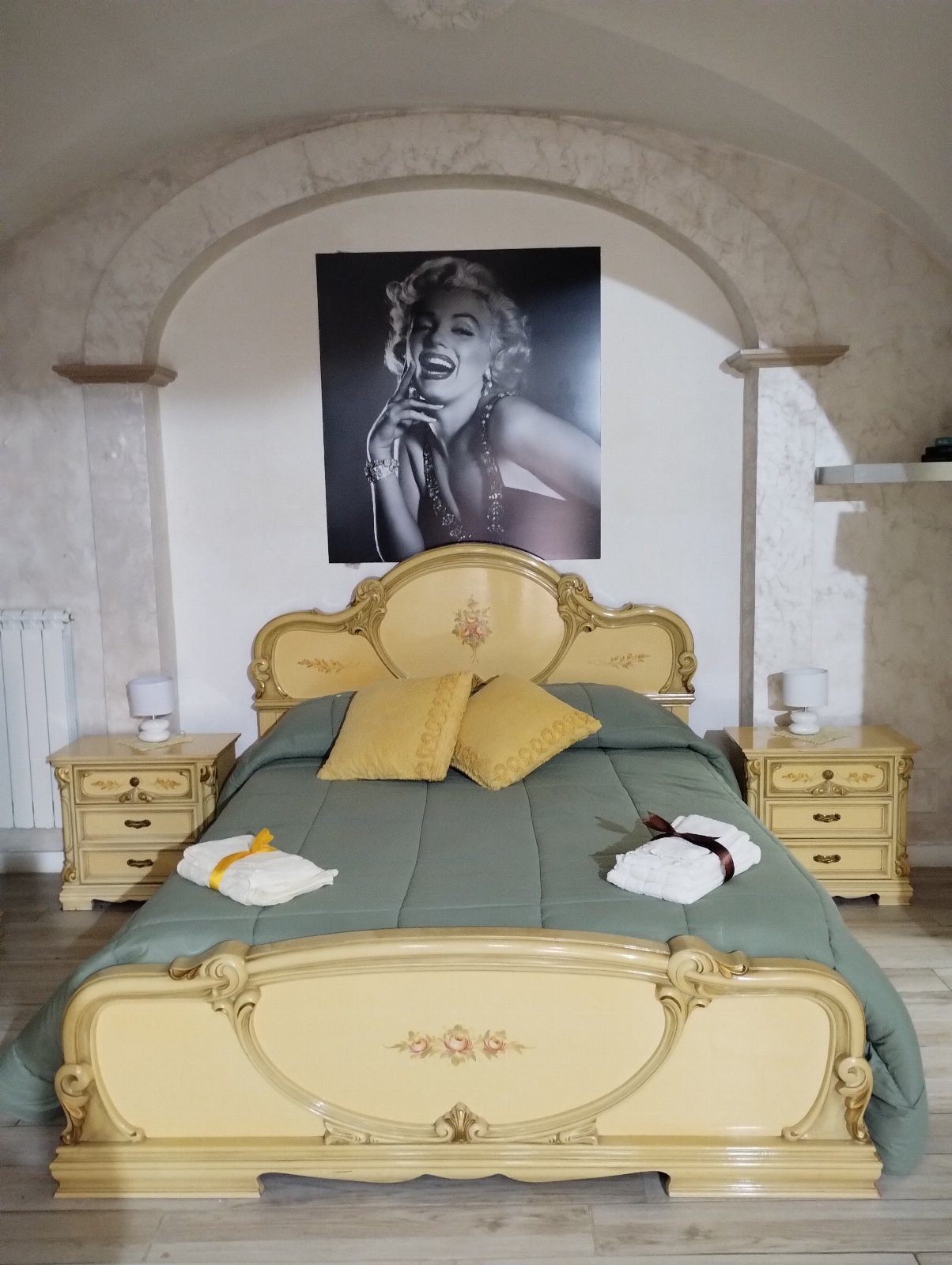
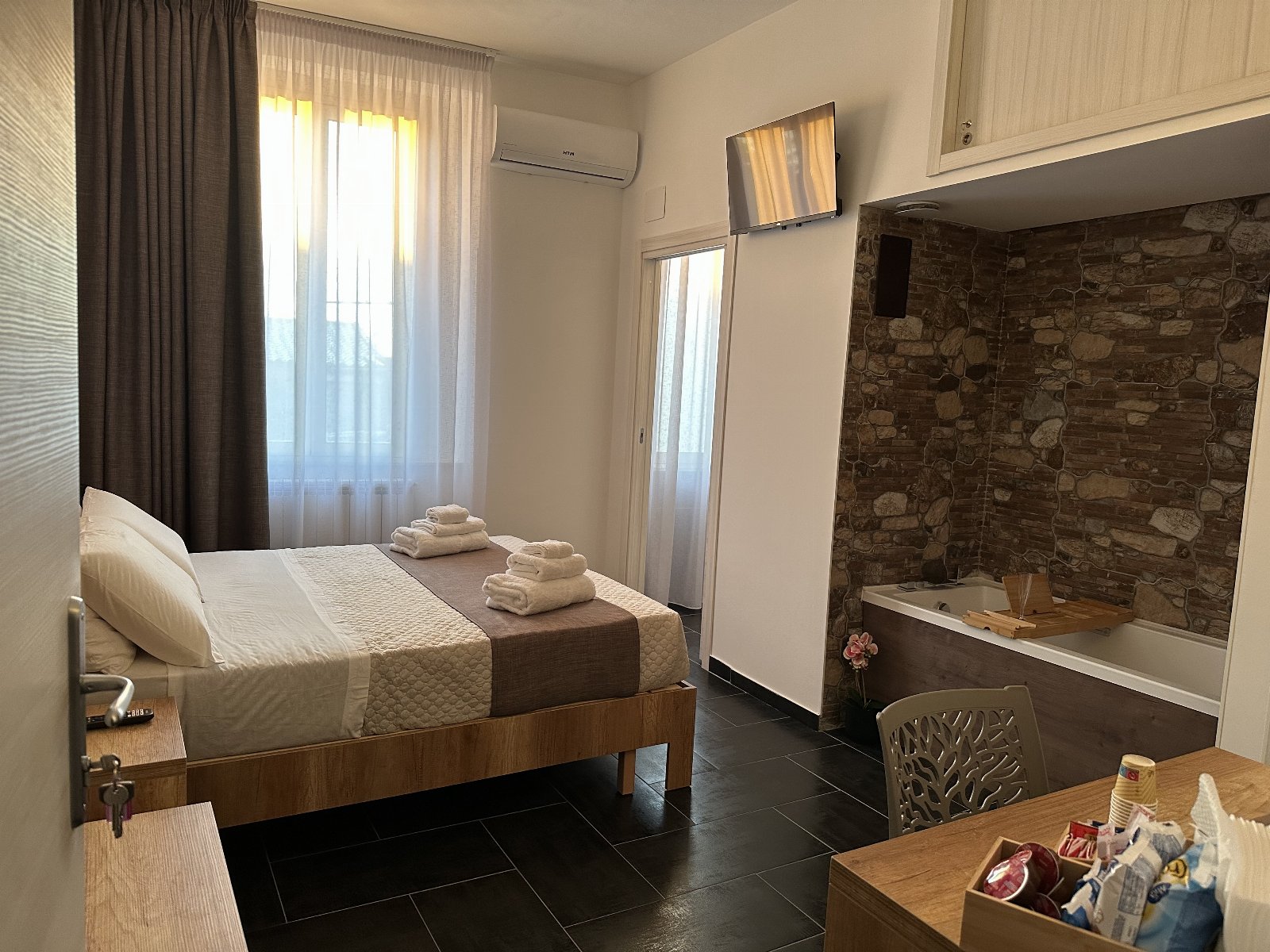
A comfortable stay will allow you to recharge after a day of exploring. A Vibo Valentia sono disponibili 2 alloggi selezionati. Scopri gli alloggi a Vibo Valentia. Choosing the right accommodation ensures that you have a peaceful retreat to return to each evening, where you can plan your next day’s adventure while enjoying the warm hospitality that the region is famous for. Whether you are looking for a boutique experience or a cozy apartment, finding the right place to stay in Vibo Valentia is the first step toward an unforgettable Calabrian vacation.