Discovering the Hidden Gems: The Best Medieval Borghi near Vibo Valentia, Calabria
Calabria is a land of profound contrasts, where the sparkling Tyrrhenian Sea meets rugged, ancient mountains. While many tourists flock to the beaches of the Costa degli Dei, the true soul of this region lies in its interior—the silent, stone-paved streets of its historic villages. If you are looking for an authentic experience, exploring the borghi near Vibo Valentia, Calabria, offers a journey back in time, away from the crowds and into the heart of Mediterranean history.
Vibo Valentia serves as the perfect gateway to these treasures. Positioned strategically on a plateau overlooking the coast, it allows travelers to reach mountain retreats and hilltop fortresses within minutes. This guide will help you navigate the rich heritage of the Vibonese hinterland, ensuring your holiday is filled with timeless beauty, architectural marvels, and the warm hospitality that defines this corner of Southern Italy.
I borghi medievali da non perdere: A Journey Through Time
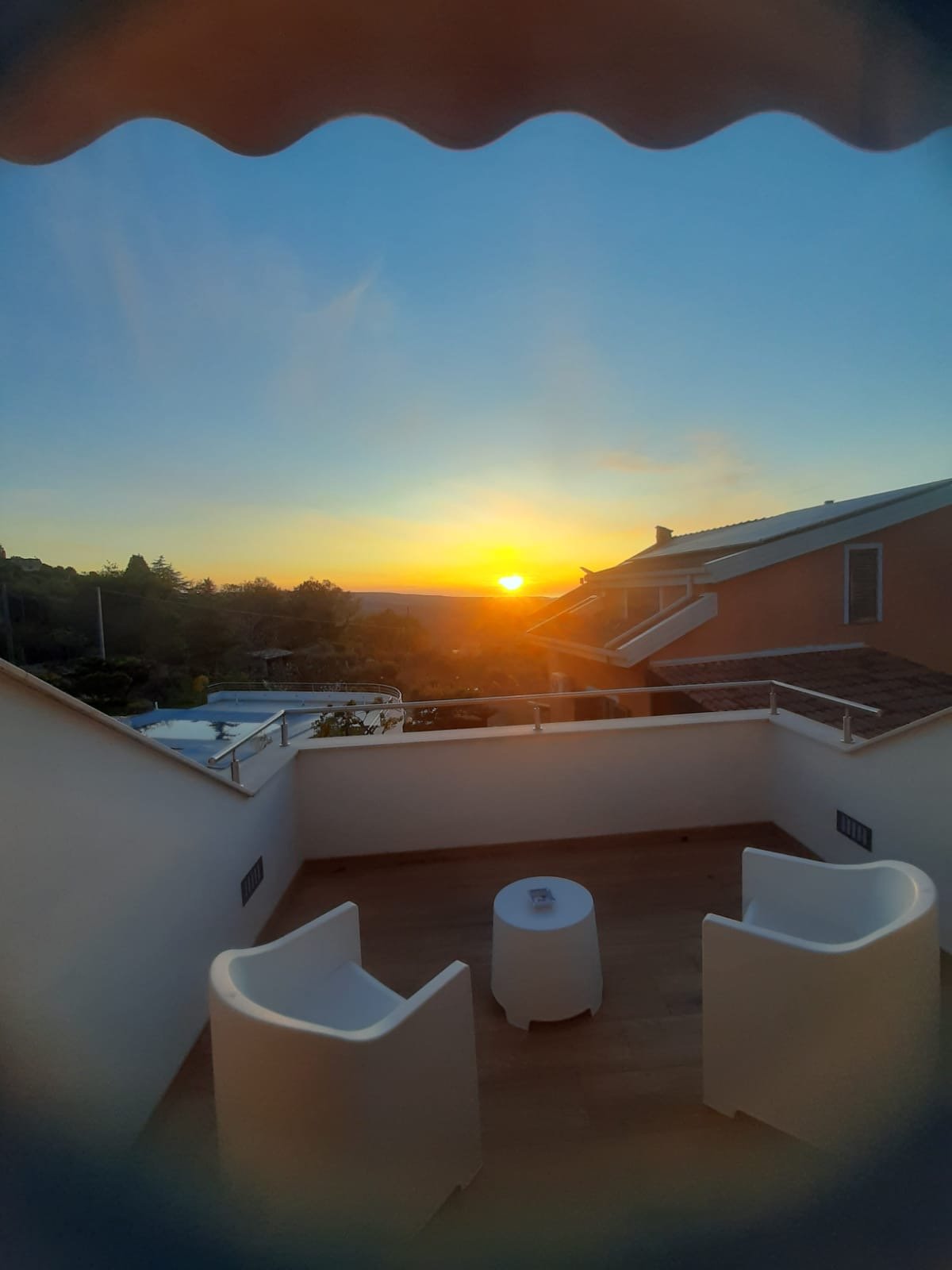
The province of Vibo Valentia is home to several villages that have preserved their medieval layout almost perfectly. First among them is Pizzo Calabro. While famous for its gelato, its historic center is a maze of narrow alleys and stairways. Perched on a cliff, it is dominated by the Castello Murat, where Joachim Murat, King of Naples, met his end. Located just 10 kilometers from Vibo Valentia, it offers stunning sunsets over the sea and the mysterious Chiesetta di Piedigrotta, a church carved entirely into the tuff rock by shipwrecked sailors.
Another essential stop is Soriano Calabro, located about 20 kilometers from Vibo. Known as the "city of the Dominicans," it houses the majestic ruins of the San Domenico Monastery, once the largest in Southern Italy. The village is also famous for its traditional "mostaccioli," intricate, handmade honey-and-flour cookies that are true works of edible art. Walking through Soriano feels like stepping into a spiritual sanctuary, where the echoes of the past are still palpable in the silent courtyards.
For those seeking altitude and cool mountain air, Zungri is a must-visit. Situated approximately 15 kilometers from Vibo Valentia, it is home to the "City of Stone," an extraordinary rock settlement dating back to the Byzantine era. These cave dwellings, carved into the sandstone, provide a rare glimpse into the lives of ancient troglodyte communities. The village itself is charming and authentic, offering panoramic views that stretch across the entire Gulf of Sant'Eufemia.
Finally, Monterosso Calabro, roughly 25 kilometers from Vibo, is a hidden pearl nestled in the Serre mountains. This village is renowned for its preservation of traditional agricultural life and its beautiful churches, such as the Church of Maria Santissima delle Grazie. It is the perfect place to disconnect from the modern world, breathe in the scent of pine forests, and enjoy the slow pace of life that has characterized these hills for centuries.
Arte e architettura dei borghi calabresi
The architecture of the borghi near Vibo Valentia is a testament to the diverse civilizations that have ruled Calabria. From the Normans who built impenetrable fortresses to the Baroque influence brought by the Spanish, every corner tells a story. The churches are often the centerpieces of these villages, featuring intricate portals, gilded altars, and statues that reflect the deep-rooted religious devotion of the locals. If you are planning your trip, consider staying at a central location to explore these sites easily; you can find options at Vibo Valentia to serve as your hub.
Castles are another architectural highlight. Many of these structures were built to defend the coast from pirate raids, and today they serve as silent sentinels overlooking the valleys. Beyond the fortifications, the urban structure of these villages—with their "vicoli" (narrow alleys) and "piazzette" (small squares)—is designed to create community. The architecture is not just about aesthetics; it is about survival, social cohesion, and the clever use of local materials like granite, tuff, and limestone.
Artisan tradition is the heartbeat of these borghi. In many of these villages, you will find masters of traditional crafts, from wood carving to ceramic making and the production of textiles. Supporting these local artisans is one of the best ways to preserve the cultural identity of Calabria. Whether it is a hand-woven basket or a piece of filigree jewelry, these objects are tangible memories of a land that refuses to let its ancient heritage vanish.
Itinerario in un giorno: Organising your exploration
To make the most of your day, start early in the morning, around 9:00 AM. Begin your journey in Pizzo Calabro to enjoy the morning light on the sea. Spend a couple of hours walking through the historic center and visiting the Castello Murat. By lunchtime, head toward the inland hills, perhaps stopping in a local trattoria in a village like Zungri to taste the authentic flavors of the region, such as "fileja" pasta with meat sauce or local cheeses and cured meats like 'Nduja.
In the afternoon, dedicate your time to the cultural sites. If you choose to visit the rock settlement of Zungri, ensure you have comfortable walking shoes, as the path can be uneven. After your exploration, take a late afternoon break in one of the village squares. This is the time when the locals come out for their "passeggiata." It is the perfect moment to sip an espresso or a glass of local wine while observing the slow, authentic rhythm of Calabrian life.
If you prefer a structured itinerary, many local guides offer walking tours. However, exploring on your own allows for spontaneity. Remember that many shops and small museums might close for a long lunch break (the famous "pausa pranzo") between 1:00 PM and 4:00 PM. Use this time to relax in the shade of a century-old olive tree or enjoy a siesta, just like the locals. By planning your stay at Vibo Valentia, you ensure you are never too far from your home base after a long day of discovery.
Sagre ed eventi nei borghi
Calabria comes alive during its festivals, known as "sagre." These events are the highlight of the social calendar in the borghi. Whether it is a festival dedicated to a specific local product, such as the onion of Tropea or the honey of the Serre mountains, these gatherings are a feast for the senses. You will find music, dancing, and, most importantly, endless amounts of traditional food prepared according to family recipes passed down through generations.
Rievocazioni medievali (medieval reenactments) are also becoming increasingly popular. During these events, the villages transform into open-air theaters, with locals dressed in historical costumes, jousting tournaments, and night markets selling handmade goods. These festivals provide a unique window into the history of the region and offer an immersive experience that is far more memorable than a standard museum visit.
Religious celebrations, such as the feast days of patron saints, are deeply felt. You will see grand processions, fireworks, and elaborate decorations throughout the streets. Participating in these events is a way to connect with the local community on a deeper level. If you are visiting in the summer, check the local municipal calendars, as there is almost certainly a festival happening in one of the neighboring villages during your stay.
Come muoversi tra i borghi
The best way to explore the area is undoubtedly by car. Public transport exists, but it is often infrequent and does not reach the more remote, picturesque corners of the hinterland. Renting a car gives you the freedom to stop whenever you see a stunning viewpoint or a sign for a hidden winery. The roads connecting the villages are often winding and mountainous, offering breathtaking panoramic views of the Mediterranean at every turn.
When driving, keep in mind that the streets in the historical centers are extremely narrow, often only wide enough for one car. It is usually best to park your vehicle in the designated lots outside the main village gates and continue your visit on foot. This not only avoids traffic stress but also allows you to fully appreciate the architecture and atmosphere of the borghi.
If you prefer not to drive, consider hiring a private driver for a day. This allows you to relax and enjoy the scenery without the stress of navigating unfamiliar mountain roads. Regardless of how you choose to travel, the journey through the landscape of the Vibonese province is part of the charm. The changing scenery, from the rugged mountains to the lush valleys, is a sight you will never forget.
Base ideale per esplorare: dormire a Vibo Valentia
Choosing the right base is crucial for a stress-free holiday. Vibo Valentia is the ideal starting point because it sits at the crossroads of the coast and the inland villages. It offers all the amenities of a city—including shops, restaurants, and historical sites like the Norman-Swabian Castle—while providing easy access to the surrounding countryside. By staying here, you can alternate between beach days and cultural explorations of the hinterland.
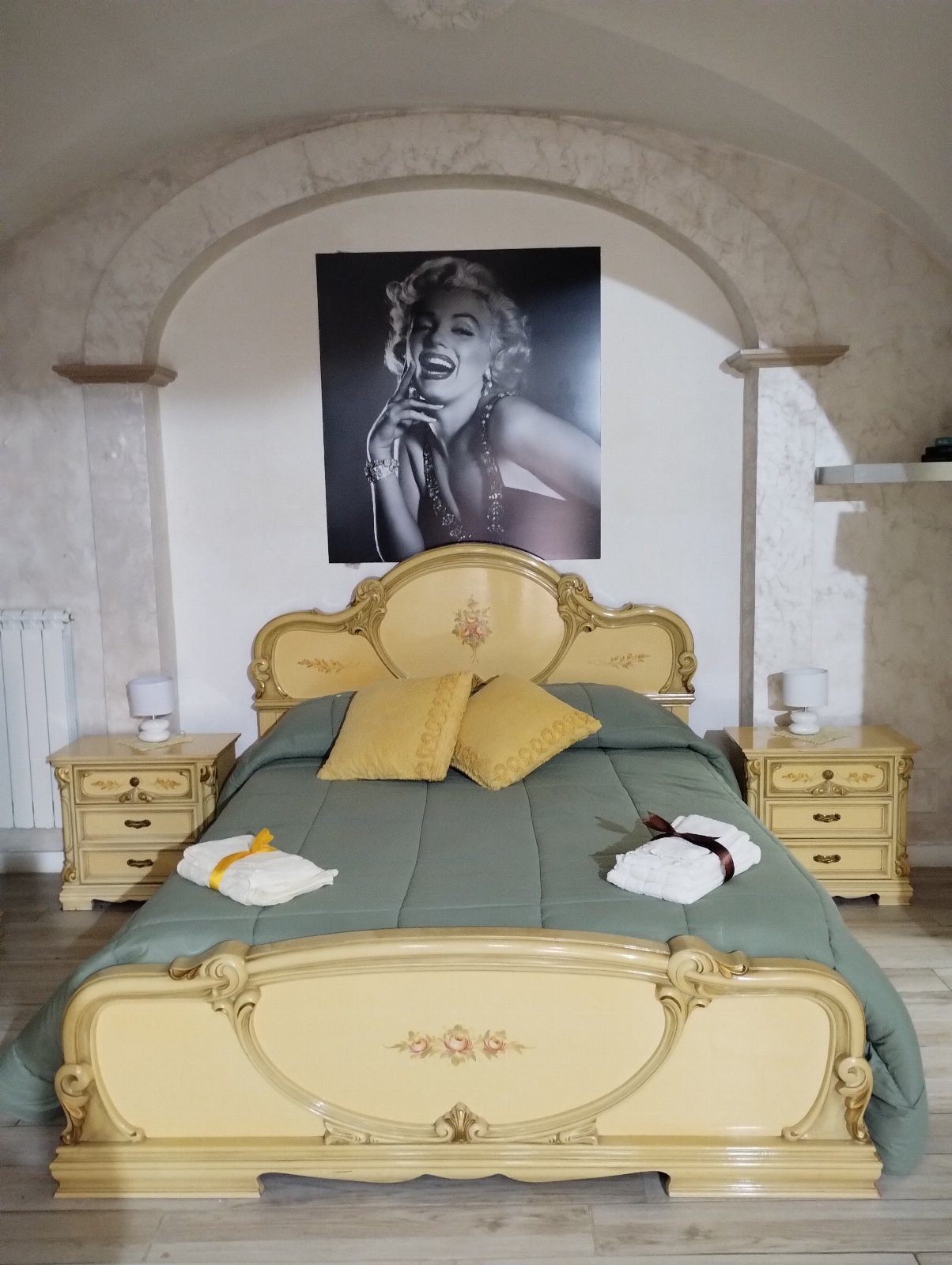
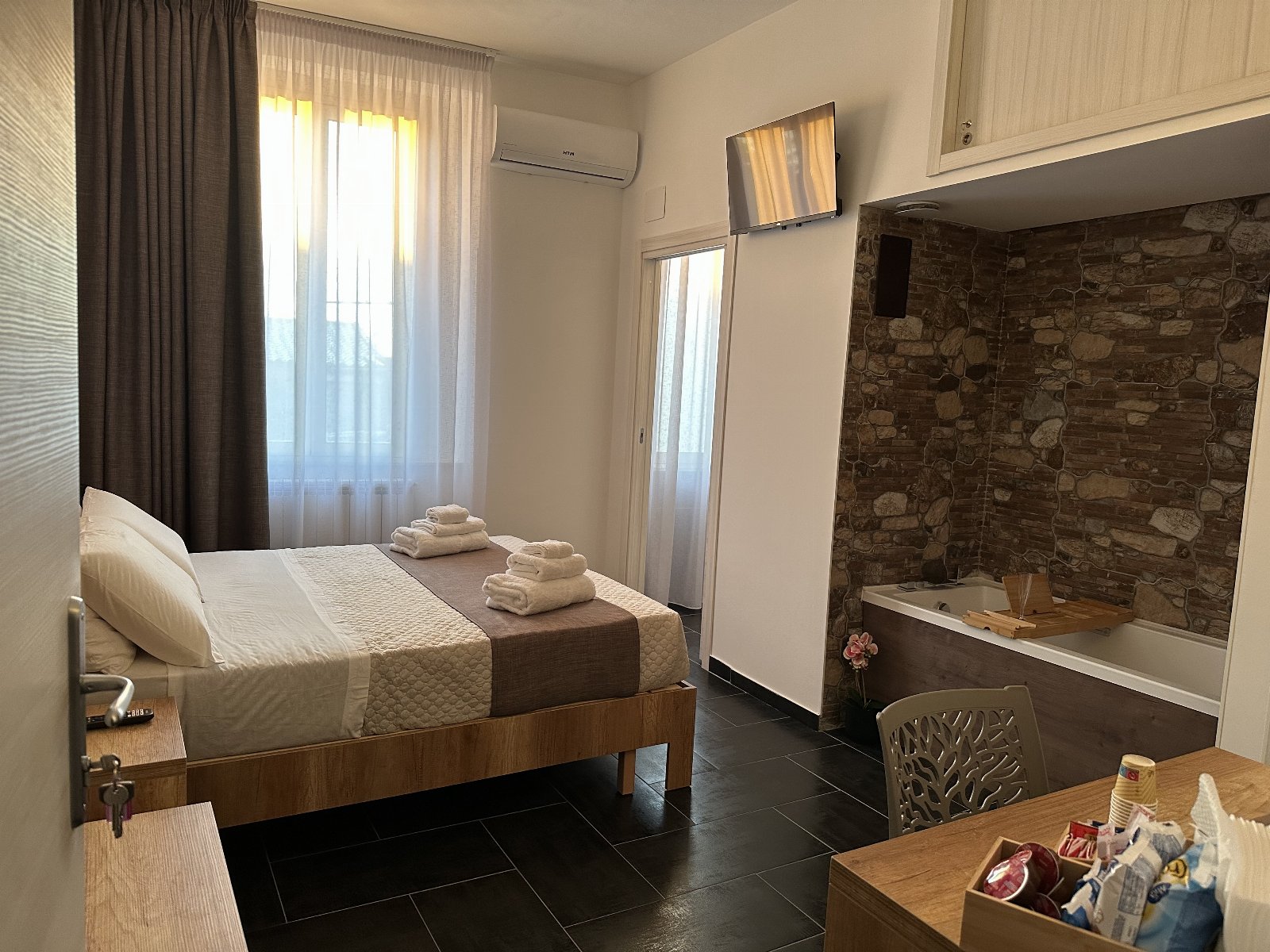
A Vibo Valentia sono disponibili 2 alloggi selezionati. Scopri gli alloggi a Vibo Valentia. Choosing a local, high-quality accommodation will enhance your experience, allowing you to return to comfort after a day of wandering the ancient streets. Whether you are looking for a boutique apartment or a quiet room, the hospitality in this area is legendary, ensuring that your stay in Calabria is nothing short of magical.