Discovering the Hidden Gems: A Guide to the Best Borghi near Tropea -capo Vaticano, Calabria
When travelers think of the "Coast of the Gods," their minds immediately drift to the turquoise waters and white sandy beaches of Tropea. However, the true soul of this region lies just a few kilometers inland, where time seems to have stood still in the ancient hilltop villages. Exploring the borghi near Tropea -capo Vaticano, Calabria, offers a unique opportunity to step away from the sun-drenched beaches and delve into the rich tapestry of history, folklore, and authentic Mediterranean life that defines this corner of Southern Italy.
This guide is designed to help you navigate the winding roads of the Vibo Valentia province, leading you to stone-paved alleys, centuries-old churches, and panoramic viewpoints that overlook the Tyrrhenian Sea. Whether you are a history buff, a photography enthusiast, or simply someone looking to escape the coastal crowds, these villages provide a serene and evocative backdrop for your Calabrian adventure. By choosing a strategic location for your stay, such as the comfortable options found at Tropea -capo Vaticano, you ensure that these cultural treasures are always within easy reach.
I borghi medievali da non perdere near Tropea -capo Vaticano, Calabria
The first stop on your journey should be Pizzo Calabro, located about 30 kilometers from Tropea. Perched on a dramatic cliff overlooking the Gulf of Sant'Eufemia, Pizzo is famous for its Aragonese Castle, where Joachim Murat, King of Naples, was executed. Beyond its tragic history, the village is a culinary destination, renowned for its "Tartufo di Pizzo," a decadent hazelnut and chocolate gelato. Walking through its narrow alleys, you will find a vibrant atmosphere that perfectly blends historical gravitas with the sweetness of Calabrian tradition.
Next, venture to Spilinga, a small town situated just 15 minutes from the coast. Known globally as the "capital of 'Nduja," this village is a pilgrimage site for food lovers. While the spicy, spreadable pork sausage is the main draw, the village itself offers a peaceful retreat with a beautiful central square and the nearby sanctuary of the Madonna della Fontana. Its proximity to Tropea makes it an ideal half-day excursion for those who want to experience the rural heart of the Poro plateau.
Further inland, Nicotera offers a stunning panoramic view of the entire coastline, including the Aeolian Islands on a clear day. The medieval quarter, known as "Piazza," is a labyrinth of arches, stairways, and ancient noble houses. The Diocesan Museum of Sacred Art is a must-see, housing significant artifacts that tell the story of the region's religious heritage. Nicotera provides a more contemplative experience, far removed from the bustling tourist hubs, allowing visitors to appreciate the architectural layers of centuries of history.
Finally, do not miss Soriano Calabro, located about 45 minutes inland. While it is slightly further away, its history is deeply intertwined with the Dominican Order. The ruins of the ancient Convent of San Domenico, once one of the most important in Europe, are an evocative sight. The village is also famous for its traditional biscuits, known as "Mostaccioli," which are crafted into intricate, sculptural shapes. It is a place where art and gastronomy meet in a unique display of local craftsmanship.
Arte e architettura dei borghi calabresi
The architecture of the borghi near Tropea -capo Vaticano, Calabria, is a testament to the diverse civilizations that have left their mark on the region. From the Normans to the Spanish, each era contributed to a distinct style characterized by thick stone walls, defensive towers, and intricate religious iconography. Many of the local churches, such as the Chiesa di Piedigrotta in Pizzo, which is carved entirely into the tuff rock, demonstrate a remarkable ability of the locals to integrate religious devotion with the natural landscape.
The piazze of these villages serve as the social hubs, often decorated with ornate fountains and surrounded by noble palazzi featuring elaborate stone portals. These structures were built to withstand both the test of time and the frequent seismic activity of the region. As you walk through these historic centers, look closely at the craftsmanship of the iron balconies and the heavy wooden doors, which are often the work of local artisans who have passed down their skills through generations.
Artisanship remains a living tradition in these borghi. In many of these towns, you can still find small workshops where weavers, woodworkers, and potters continue to practice ancient techniques. Supporting these local artisans by purchasing handmade ceramics or traditional textiles is one of the best ways to preserve the cultural identity of Calabria. These items serve not just as souvenirs, but as tangible links to the history and soul of the region.
Itinerario in un giorno
To make the most of your visit, start your day early in Pizzo Calabro. Arrive by 9:00 AM to enjoy the morning light hitting the Aragonese Castle and the stunning view from the Piazzetta. Take a leisurely walk through the historic center, visit the Church of San Giorgio, and stop for a coffee in the main square. By 11:30 AM, head toward the coast to enjoy a light lunch featuring fresh local seafood, ensuring you leave room for a Tartufo gelato for dessert.
In the afternoon, drive inland toward Spilinga. The scenic route offers breathtaking views of the rolling hills and the distant sea. Spend your afternoon exploring the village, visiting the local 'Nduja producers, and perhaps walking to the nearby sanctuary. The atmosphere here is much calmer, making it the perfect place to enjoy the late afternoon sun. If you prefer to stay on the coast, you can always return to your base at Tropea -capo Vaticano to enjoy a sunset aperitivo by the sea.
For dinner, seek out a traditional "trattoria" in one of the villages or back in Tropea. Look for dishes that feature red onions of Tropea, local cheeses, and handmade pasta like "fileja." Eating like a local is an essential part of the experience, and the hospitality of the Calabrian people will undoubtedly be the highlight of your day. Remember to check local opening times, as many small shops and museums may close for a few hours in the early afternoon.
Sagre ed eventi nei borghi
Calabria is a land of celebrations, and the borghi near Tropea -capo Vaticano, Calabria, truly come alive during their local festivals or "sagre." These events are deeply rooted in the agricultural cycle and religious calendar. The Sagra della 'Nduja in Spilinga, held in August, is perhaps the most famous, attracting thousands of visitors who come to taste the fiery sausage and enjoy traditional folk music and dancing.
Religious festivals, or "feste patronali," are also spectacular, often featuring long processions where statues of saints are carried through the streets, accompanied by brass bands and fireworks. These events provide a fascinating insight into the local culture and the strong communal bonds that define small-town life in Southern Italy. If you are traveling during the summer months, keep an eye on local bulletin boards or ask your hosts for information on upcoming events.
Beyond the food festivals, many villages host historical reenactments that celebrate their medieval heritage. These events often feature participants in period costumes, street performances, and artisanal markets. They are a fantastic way to engage with the history of the region in an interactive and entertaining way, making them particularly enjoyable for families and those interested in cultural heritage.
Come muoversi tra i borghi
The most flexible way to explore the borghi near Tropea -capo Vaticano, Calabria, is by renting a car. Public transport exists, but it is often limited and can be challenging for those who want to visit multiple villages in a single day. Having your own vehicle allows you to travel at your own pace, stop at scenic viewpoints, and reach the more secluded mountain villages that are not connected by bus or train routes.
The roads in this part of Calabria are generally well-maintained, though they can be winding and narrow as you climb into the hills. Drive carefully and take advantage of the many "belvedere" or panoramic points along the way. If you are not comfortable driving in Italy, you can look into hiring a private driver for a day, which can be a relaxing and informative way to see the sights without the stress of navigating unfamiliar roads.
When renting a car, consider a smaller vehicle, as it will make maneuvering through the narrow, medieval streets of the historic centers much easier. Always plan your route in advance using a reliable GPS, but do not be afraid to follow the brown tourist signs that often point toward points of interest. The journey itself is an essential part of the experience, offering glimpses of olive groves, vineyards, and the rugged beauty of the Calabrian landscape.
Base ideale per esplorare: dormire a Tropea -capo Vaticano
Choosing the right base is crucial for a stress-free holiday in Calabria. Staying in the Tropea - Capo Vaticano area places you in the center of the action, with easy access to both the pristine beaches and the inland cultural sites. A comfortable home base allows you to return to the coast after a day of exploring, where you can relax by the sea and enjoy the world-class sunsets that have made this region famous.
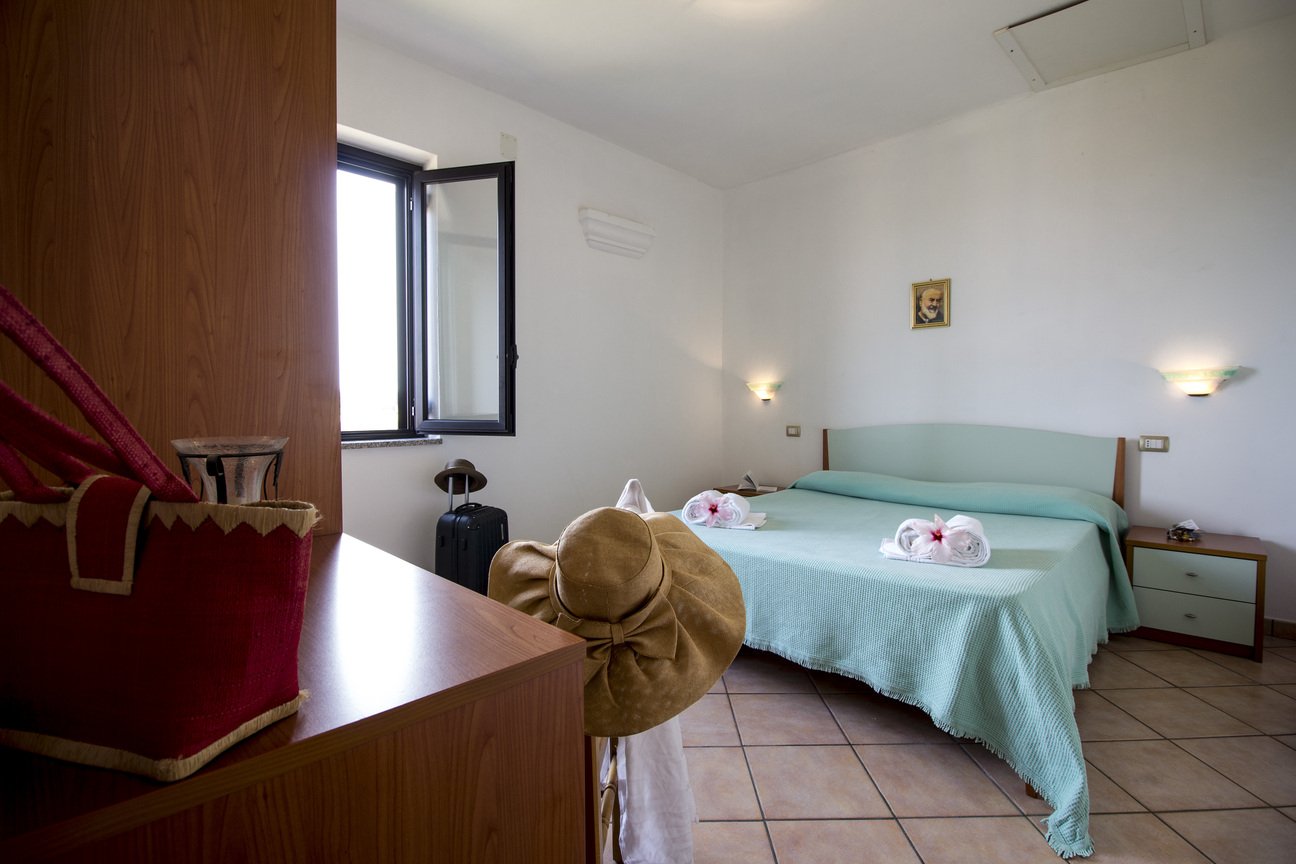
A Tropea -capo Vaticano sono disponibili 1 alloggi selezionati. Scopri gli alloggi a Tropea -capo Vaticano. Whether you are looking for a boutique room or a cozy apartment, finding the right accommodation will significantly enhance your experience, providing you with a peaceful sanctuary to rest before your next adventure. By staying in this area, you are perfectly positioned to enjoy the best of both worlds: the vibrant energy of the coast and the timeless charm of the nearby historical villages.