Discovering the Hidden Treasures: Borghi near Roseto Capo Spulico, Calabria
Calabria is a land of profound contrasts, where the crystalline waters of the Ionian Sea meet the rugged, silent peaks of the Pollino National Park. For the discerning traveler, the region offers much more than just beach holidays; it is a tapestry of ancient history, preserved in the stone walls of its hilltop villages. Exploring the borghi near Roseto Capo Spulico, Calabria, is akin to stepping back in time, where the pace of life slows down and the scent of wild oregano and freshly baked bread fills the narrow, winding alleys.
Roseto Capo Spulico itself serves as the perfect gateway to this enchanted territory. As you venture inland, you will encounter settlements that have survived centuries of invasions, earthquakes, and social shifts, each maintaining a distinct personality and a wealth of artistic heritage. This guide is designed to help you navigate these timeless landscapes, ensuring you experience the authentic soul of Northern Calabria.
I borghi medievali da non perdere
The first stop on your journey should be Oriolo, located approximately 25 kilometers from Roseto. This village is a masterpiece of medieval urban planning, dominated by the majestic Castello di Oriolo. Perched on a sandstone spur, the castle offers a panoramic view that sweeps across the valley down to the sea. The historic center is a maze of narrow passages, stone portals, and hidden courtyards that whisper stories of the feudal lords who once ruled these lands.
Next, head toward Amendolara, a fascinating village split between its modern marina and the ancient hilltop center. The medieval part of the town is a dense cluster of houses clinging to the rock, featuring the imposing ruins of a castle and several churches that date back to the Norman period. It is a place of silence and introspection, where the architecture seems to grow organically from the mountain itself, providing a stark contrast to the lively atmosphere you find when you stay in Roseto Capo Spulico.
Do not miss Civita, one of the most famous Arbëreshë villages in Italy. Located about 50 kilometers from the coast, this village is a cultural anomaly, preserving the Albanian language, traditions, and religious rites of the 15th-century refugees who settled here. The architecture is characterized by the famous "house-faces," where chimneys and windows are sculpted to resemble human or animal faces. The nearby Raganello Gorge offers breathtaking natural vistas, making Civita a perfect blend of culture and adventure.
Finally, visit Albidona, known as the "Balcony of the Ionian." Situated at 800 meters above sea level, it offers a refreshing escape from the summer heat. The village is renowned for its labyrinthine structure, designed in the past to confuse invaders. Walking through its streets, you will find ancient fountains, stone-carved balconies, and a profound sense of community that defines the traditional Calabrian way of life.
Arte e architettura dei borghi calabresi
The architectural landscape of these villages is a testament to the diverse civilizations that have shaped Calabria. You will find a fascinating mix of Norman fortresses, Byzantine-influenced religious structures, and Baroque palaces. Many churches in these borghi house extraordinary wooden sculptures and paintings from the 17th and 18th centuries, serving as living museums of local devotion and artistic ingenuity.
The craft traditions are equally significant. In many of these villages, you can still find master artisans working with terracotta, weaving looms, and carving olive wood. These crafts are not merely decorative; they are essential links to a past where every tool and household item was handmade with purpose and care. Visiting these workshops allows you to witness the preservation of ancestral techniques that are slowly disappearing from the modern world.
Piazza life remains the heart of these communities. In the evenings, the main squares become the stage for the traditional "passeggiata," where generations mingle under the shadow of clock towers and monuments. The masonry work, often featuring local stone, showcases the skill of ancient stonemasons who shaped the very bones of these villages. Whether it is a simple archway or an elaborate church facade, the craftsmanship reveals a deep respect for the environment and the historical legacy of the region.
Itinerario in un giorno
To make the most of your time, start your day early in Roseto Capo Spulico. Begin with a hearty breakfast featuring local honey and "bocconotti" pastries. By 9:00 AM, drive toward Oriolo to explore the castle and the surrounding streets while the air is still cool. Spend two hours soaking in the atmosphere before driving toward the majestic Pollino mountains to reach Civita by noon.
For lunch, seek out a traditional "trattoria" in Civita. You must try the local handmade pasta, such as "ferretti" with ragù, or the delicious "lagane e ceci." After lunch, take a guided walk to the viewpoint overlooking the Raganello Gorge. The sight of the deep canyon carved into the limestone is truly humbling. If you have time, visit the Museum of Arbëreshë Culture to understand the unique heritage of this community.
In the late afternoon, make your way back toward the coast, perhaps stopping in a small village like Albidona for a coffee in the main square. As the sun begins to set, the drive back to the coast offers spectacular views of the Ionian Sea, painting the sky in shades of gold and violet. This itinerary allows you to experience the transition from high mountain culture to coastal serenity in a single, unforgettable day.
Sagre ed eventi nei borghi
Calabria is a land of festivals, and the borghi near Roseto are no exception. Throughout the year, these villages come alive with "sagre"—festivals dedicated to local products like chestnuts, mushrooms, wine, and olive oil. These events are the best way to taste authentic local flavors and interact with the locals, who are always eager to share the history of their culinary traditions.
Religious feasts are also a cornerstone of local life. Processions, often involving centuries-old statues of patron saints, wind through the narrow streets, accompanied by traditional music played on pipes and drums. These events are deeply moving, offering a glimpse into the spiritual devotion that has sustained these communities through centuries of adversity.
For those interested in history, keep an eye out for medieval re-enactments. During the summer, many villages organize pageants with period costumes, flag-throwers, and performances that recreate the life of the Middle Ages. These events transform the historic centers into vibrant stages, making it easy to imagine how life looked here hundreds of years ago. Whether you are traveling as a couple or a family, these events provide a unique and immersive cultural experience.
Come muoversi tra i borghi
The most efficient and recommended way to explore the area is by private car. Public transport between these remote hilltop villages is limited and infrequent, which would significantly restrict your ability to see more than one destination per day. Having a car gives you the freedom to stop whenever a view catches your eye or when you discover a hidden path leading into the forest.
The roads are generally well-maintained but can be winding and steep as you climb toward the Pollino mountains. Be prepared for narrow passages within the villages themselves; it is often best to park at the entrance of the "centro storico" and continue on foot, as the streets are rarely designed for modern vehicles. Driving through these landscapes is an experience in itself, offering sweeping vistas of the Ionian coastline and the rugged inland hills.
If you do not have your own vehicle, consider renting one at the Lamezia Terme airport or in the city of Cosenza before heading to the Ionian coast. Having a reliable GPS is essential, but don't be afraid to follow local signs, as they often lead to the most authentic parts of the villages. By traveling at your own pace, you will find that the journey between the borghi is just as rewarding as the destinations themselves.
Base ideale per esplorare: dormire a Roseto Capo Spulico
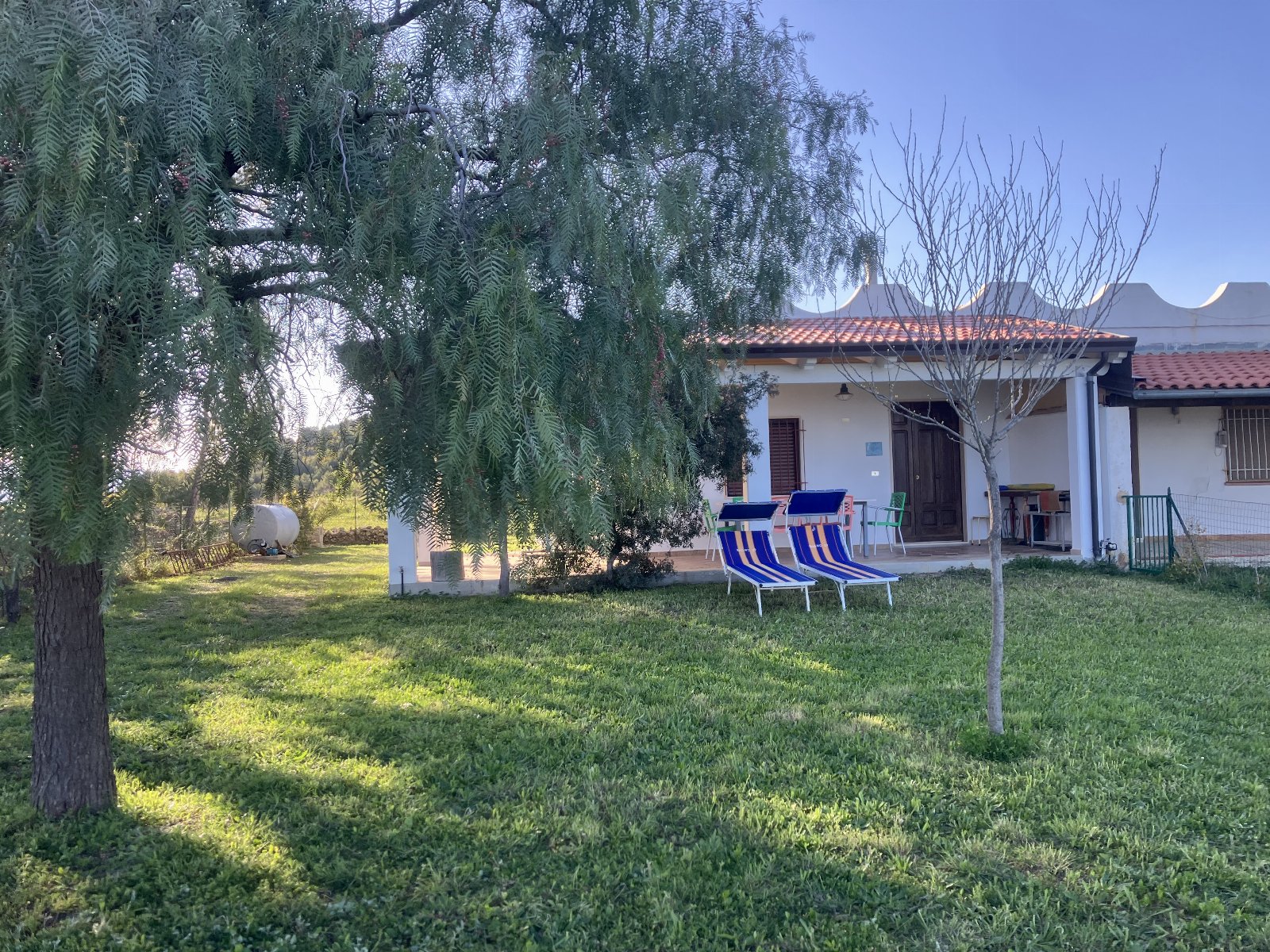
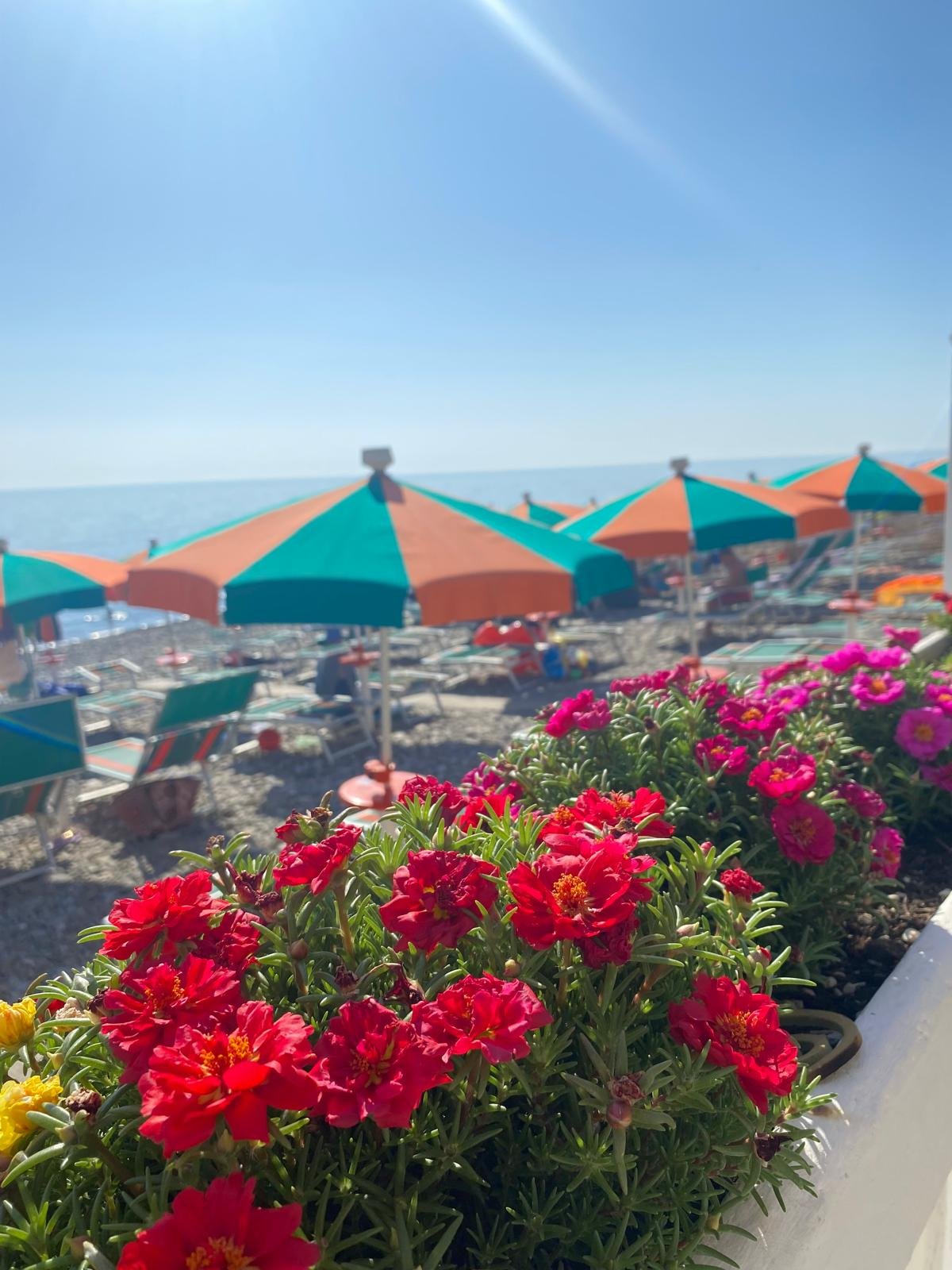
Choosing the right base for your explorations is crucial to ensure a relaxing and convenient holiday. Roseto Capo Spulico is perfectly positioned to offer both the tranquility of the sea and easy access to the mountains. By staying here, you can enjoy the stunning views of the Castrum Petrae Roseti—the famous castle overlooking the sea—while being only a short drive away from the inland treasures mentioned in this guide. You can find more information on how to book your stay in Roseto Capo Spulico through our curated list of local accommodations.
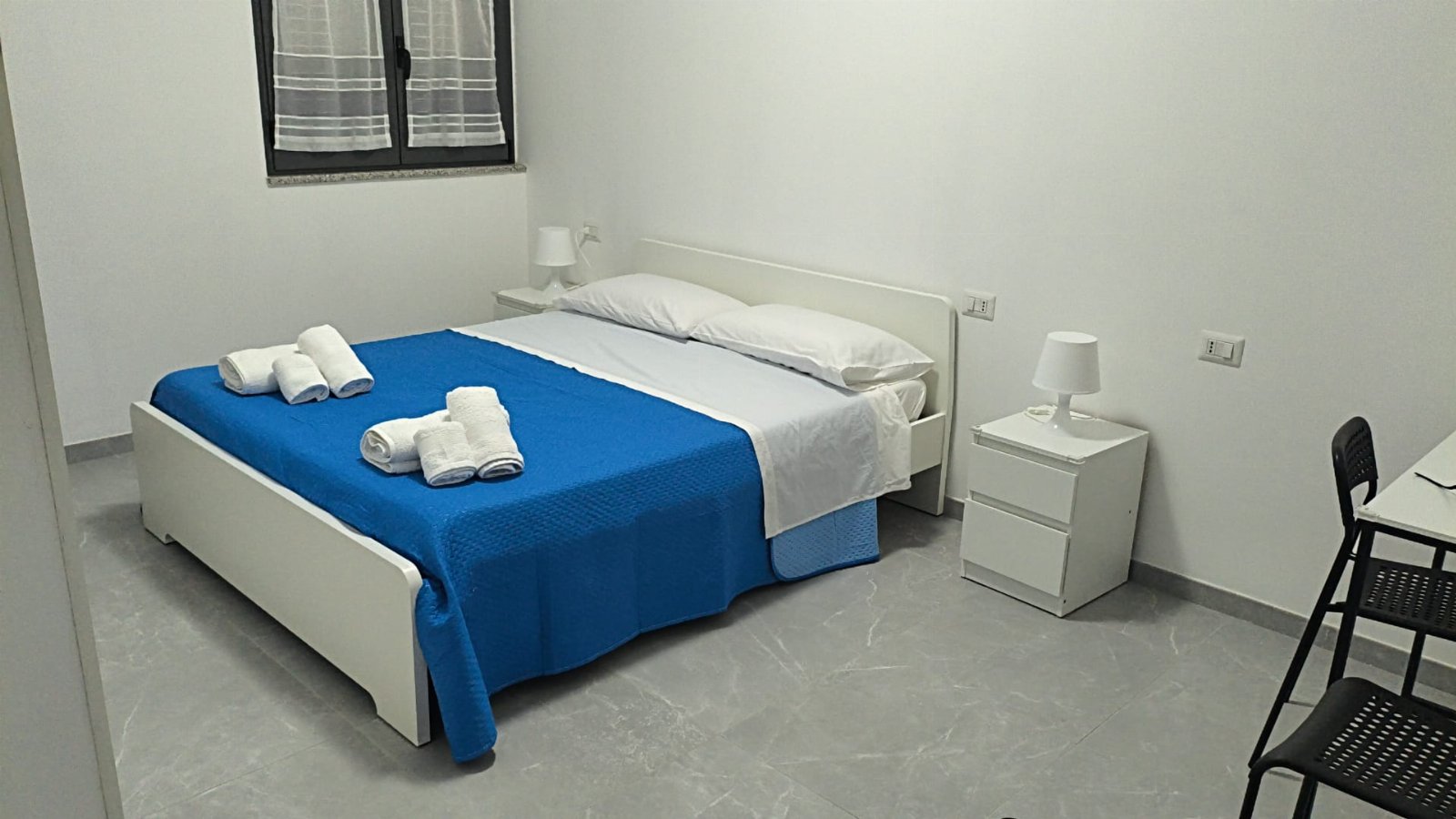
A Roseto Capo Spulico sono disponibili 1 alloggi selezionati. Scopri gli alloggi a Roseto Capo Spulico.
Staying in this area allows you to enjoy the best of both worlds: the refreshing breeze of the Ionian Sea in the evening and the fascinating historical depth of the Calabrian hinterland during the day. Whether you prefer a boutique room with a sea view or a cozy apartment in the heart of the town, you will find that the hospitality of the local people adds an extra layer of warmth to your experience. Make your base in this beautiful location and prepare to discover the hidden wonders of Northern Calabria.