Discovering the Timeless Charm: Best Borghi Near Reggio di Calabria, Calabria
Calabria is a land of profound contrasts, where the sparkling Tyrrhenian and Ionian seas meet rugged mountains and ancient hillside settlements. While many travelers flock to the coastal beaches, the true soul of the region lies in its inland villages, or "borghi." Exploring the historic borghi Reggio di Calabria Calabria offers a journey back in time, where the pace of life slows down, and every stone wall has a story to tell. These hidden gems, perched precariously on cliffs or nestled in lush valleys, provide an authentic look into the Mediterranean heritage that has defined Southern Italy for millennia.
As an expert in Calabrian tourism, I have curated this guide to help you navigate the labyrinthine alleys and panoramic viewpoints that surround the metropolitan area of Reggio. Whether you are a history enthusiast, a lover of traditional gastronomy, or simply someone seeking a tranquil escape from the modern world, the hinterland of Reggio di Calabria promises an unforgettable adventure. Prepare to be enchanted by the hospitality of the locals and the timeless beauty of these ancient stone-built sanctuaries.
I borghi medievali da non perdere
The first stop on your journey should be Pentedattilo, arguably the most iconic ghost town in the region. Located about 40 kilometers from the city, this village is built directly into the "five fingers" of a rocky mountain cliff. Though largely abandoned in the 20th century due to geological instability, it has been partially restored and now hosts artists' workshops and cultural events. Walking through its narrow lanes while looking up at the dramatic rock formation is an otherworldly experience that captures the raw, rugged spirit of the Aspromonte mountains.
Next, head toward Gerace, a Byzantine and Norman masterpiece located about 90 kilometers from Reggio. Known as the "City of a Hundred Churches," Gerace is a living museum. Its cathedral, the largest in Calabria, is a testament to the Norman influence in the south. The village is perched on a rocky hill overlooking the Ionian coast, offering spectacular views. Wandering through its historic center, you will encounter medieval gateways, noble palaces, and artisan shops selling exquisite ceramics and handcrafted lace.
Bova, considered the capital of the Bovesia (the Greek-speaking area of Calabria), is situated 50 kilometers from Reggio. It is a place where ancient linguistic traditions still linger in the air. Perched high in the Aspromonte National Park, Bova offers a unique blend of Greek, Byzantine, and medieval influences. The ruins of its Norman castle provide a panoramic view that stretches all the way to Sicily on clear days. It is a must-visit for those who want to understand the deep cultural roots of the region.
Finally, do not miss Scilla, specifically the district of Chianalea, known as the "Venice of the South." Just 20 kilometers north of Reggio, this fishing village is built directly on the water. Its narrow streets are lined with houses that have their foundations in the sea. The majestic Ruffo Castle dominates the skyline, standing guard over the legendary Strait of Messina. It is the perfect place to enjoy fresh swordfish while listening to the rhythmic lapping of the waves against the ancient walls.
Arte e architettura dei borghi calabresi
The architectural landscape of the borghi Reggio di Calabria Calabria is a fascinating synthesis of the various civilizations that have dominated the region: Greeks, Romans, Byzantines, Normans, and Spaniards. In villages like Gerace and Bova, the architecture is characterized by dense urban planning, intended to provide defense against pirate raids and invaders. You will notice the thick stone walls, the small, high-placed windows, and the courtyards that served as communal hubs for the families living in these tight-knit environments.
Religious art is the cornerstone of these villages. The Norman churches, with their austere facades and intricate interior decorations, are the highlights of any visit. Many of these structures incorporate recycled materials from older Greek and Roman temples, a practice known as "spolia," which highlights the layers of history present in every building. The interiors often house remarkable treasures, including wooden statues, gilded altars, and Byzantine-style frescoes that have been preserved through centuries of earthquakes and neglect.
Beyond architecture, the artisan tradition remains vibrant in these historic centers. In the village workshops, you can still find masters of terracotta, weaving, and woodcarving. These crafts are not just souvenirs but are essential components of local identity. Many artisans are now using modern design techniques to revitalize ancient skills, ensuring that the artistic legacy of Calabria continues to evolve while respecting its historical roots. If you are looking for a unique place to stay while exploring these sites, Reggio di Calabria offers the perfect central hub.
Itinerario in un giorno
To make the most of your visit, I recommend starting early, around 8:00 AM, to beat the midday heat and the potential crowds. Begin your day in Bova. The morning light over the Aspromonte mountains is magical, and the air is crisp. Spend your morning exploring the Norman castle ruins and the local Museum of the Greek Language. For lunch, stop at a local trattoria to taste "maccaruni cu sucu di crapa" (handmade pasta with goat ragù), a traditional dish that embodies the culinary heritage of the mountain villages.
In the afternoon, head down towards the coast to visit Scilla. The contrast between the mountain air of Bova and the maritime breeze of Chianalea is stark and refreshing. Spend your late afternoon wandering the alleys of Chianalea, visiting the small churches, and perhaps enjoying a glass of local Greco di Bianco wine as the sun begins to set over the Strait of Messina. The transition from the high-altitude silence to the vibrant energy of the seaside village creates a well-rounded experience.
If you prefer a more relaxed approach, consider focusing your entire day on one village, such as Gerace. This allows for a deeper dive into the history of the town, including a guided tour of the Cathedral and the underground prisons. Many travelers find that by staying in Reggio di Calabria, they have the flexibility to choose a different village to explore each day, making the city a strategic base for their southern adventure.
Sagre ed eventi nei borghi
The cultural calendar of these villages is packed with events that celebrate local pride and tradition. If you visit in the summer or early autumn, you will likely encounter a "sagra," or food festival. These events are dedicated to specific local products, such as bergamot, olive oil, mushrooms, or the famous "nduja." These festivals are not just about food; they are social gatherings where music, folk dancing, and storytelling take center stage, offering a glimpse into the joyful, communal spirit of Calabrian life.
Rievocazioni medievali are also common, particularly in towns like Gerace. During these festivals, the entire historic center is transformed. Locals dress in period costumes, and the streets are filled with the sounds of medieval music, street performers, and artisans showcasing their crafts. It is a fantastic opportunity to see the village in a different light and to participate in the preservation of local history. Always check the local tourist board websites before your trip, as these dates change annually according to the liturgical calendar or local traditions.
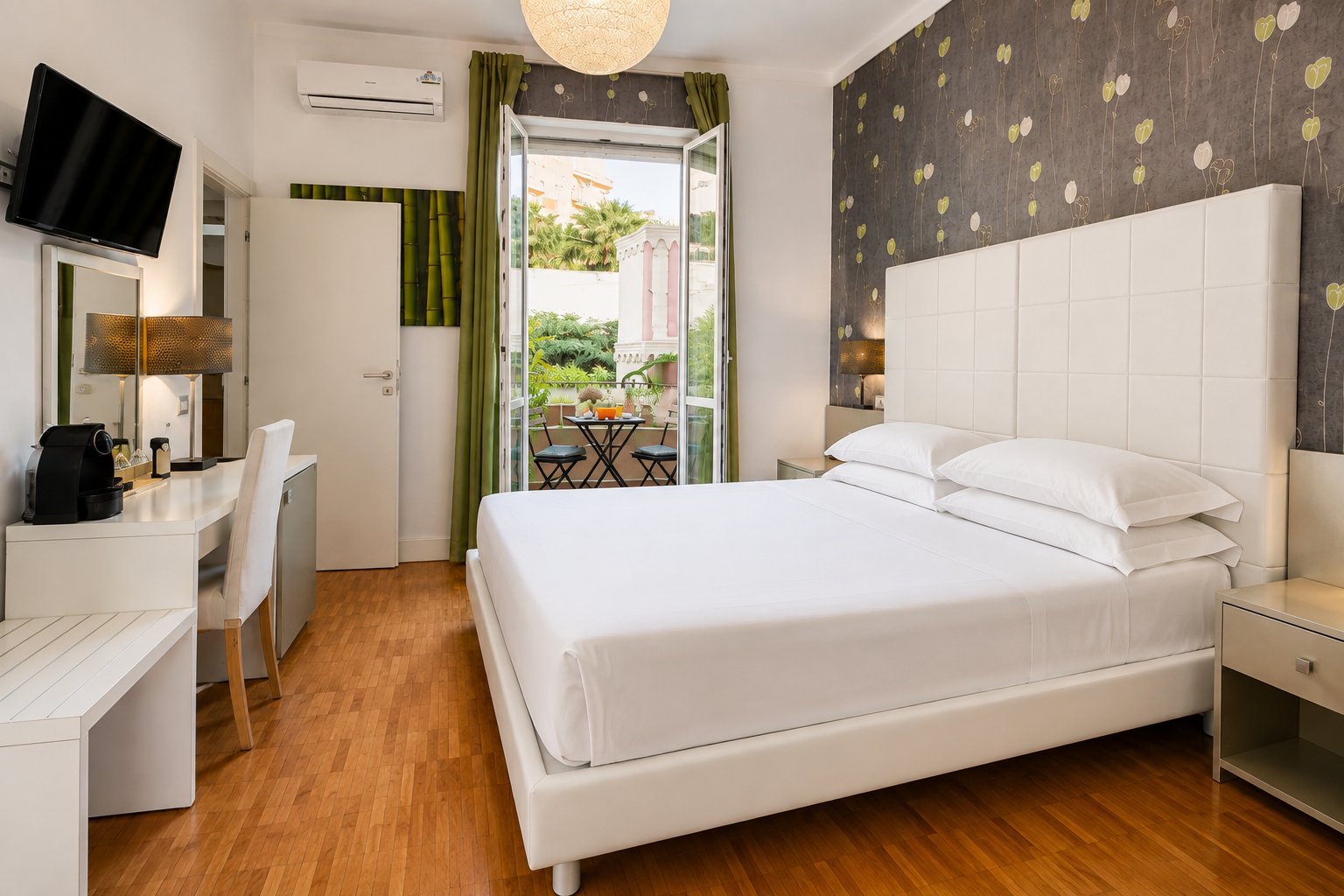
Religious processions are another integral part of village life. Feste patronali involve elaborate parades where the statues of saints are carried through the streets, accompanied by brass bands and fireworks. These events are deeply moving and provide an intimate look at the religious devotion that has sustained these communities for centuries. When you choose your base, remember that A Reggio di Calabria sono disponibili 1 alloggi selezionati. Scopri gli alloggi a Reggio di Calabria for a comfortable stay after a long day of festivities.
Come muoversi tra i borghi
To truly explore the borghi Reggio di Calabria Calabria, a rental car is highly recommended. While public transport exists, it is often infrequent and may not reach the most remote, picturesque locations. Having your own vehicle allows you to navigate the winding, scenic roads that climb into the Aspromonte or hug the coastline at your own pace. The driving experience itself is part of the charm, as you will be rewarded with breathtaking vistas of the sea and the dramatic mountain landscapes at every turn.
When driving, be prepared for narrow, winding roads, especially as you ascend toward villages like Bova or Pentedattilo. It is advisable to rent a compact car, which will make navigating the tight corners and small parking areas much easier. Always ensure you have a reliable GPS or a physical map, as mobile signal can be inconsistent in the deep valleys of the Aspromonte. Driving in Calabria requires patience and a bit of caution, but the freedom it offers is unparalleled.
If you prefer not to drive, there are private tour services and taxis available, though these can be significantly more expensive. For the adventurous traveler, some of the coastal villages are accessible by regional train, which offers a scenic route along the Ionian and Tyrrhenian coasts. However, for a comprehensive tour of the inland medieval villages, a car remains the most practical and efficient choice. Plan your journey carefully, take your time, and enjoy the winding roads that lead to some of the most beautiful corners of Italy.