Discovering the Hidden Gems: A Guide to the Historic Borghi Near Mormanno, Calabria
Calabria is a region of profound contrasts, where rugged mountain peaks meet the azure depths of the Ionian and Tyrrhenian seas. For the traveler who seeks authenticity, history, and a slower pace of life, the northern reaches of the Pollino National Park offer an unparalleled experience. At the heart of this landscape lies Mormanno, a town that serves as the perfect gateway to a network of medieval villages, each whispering stories of ancient civilizations, Byzantine monks, and Norman conquerors. Exploring the borghi near Mormanno, Calabria, is akin to stepping into a living museum, where the air smells of woodsmoke and wild herbs, and every stone-paved alleyway holds a secret.
The beauty of this area lies in its isolation. Unlike the crowded coastal resorts, these hilltop settlements remain largely untouched by mass tourism. Here, you will find a culture rooted in the rhythms of the seasons, where the hospitality is genuine and the traditions are as strong as the ancient fortress walls that protect these towns. Whether you are a history buff, a culinary enthusiast, or a lover of dramatic mountain vistas, the villages surrounding Mormanno provide a rich tapestry of experiences that will linger in your memory long after you have returned home.
I borghi medievali da non perdere
The first stop on your journey should be Altomonte, located approximately 45 kilometers from Mormanno. Known as one of the most beautiful villages in Italy, Altomonte is a masterpiece of medieval urban planning. The town is dominated by the Church of Santa Maria della Consolazione, a stunning example of Angevin Gothic architecture. As you wander through its narrow streets, you will encounter artisanal workshops where local craftsmen continue to produce exquisite ceramics and intricate wood carvings, keeping centuries-old traditions alive.
Next, head to Civita, an Albanian-founded village (Arbëreshë) that clings to the edge of the Raganello Gorge. Situated about 35 kilometers from Mormanno, Civita is famous for its "chimneys"—unique, sculpted structures that serve as status symbols for the local families. The village is a vibrant cultural melting pot where the Albanian language and Orthodox rites are still practiced. The view from the Devil’s Bridge (Ponte del Diavolo), suspended over the deep canyon, offers one of the most dramatic photo opportunities in all of southern Italy.
Morano Calabro, just a short 15-minute drive from Mormanno, is often called the "Nativity Scene of the Pollino." This village is a vertical marvel, with houses stacked upon one another like a stone pyramid, crowned by the ruins of a Norman castle. The labyrinthine layout of the town is designed to confuse invaders, but for the modern visitor, it offers a delightful challenge to explore. Don't miss the Collegiate Church of Santi Pietro e Paolo, which houses a remarkable collection of sacred art, including works by the school of Antonello da Gagliano.
Finally, make your way to Castrovillari, the gateway to the Pollino massif. Located about 30 kilometers from Mormanno, this town is known for its imposing Aragonese Castle and its lively historical center. Unlike the smaller, quieter villages, Castrovillari serves as a cultural hub, hosting significant theater festivals and culinary events. The contrast between the ancient fortifications and the bustling, modern life of the town provides a fascinating insight into how these historic communities have adapted to the changing times without losing their soul.
Arte e architettura dei borghi calabresi
The architectural landscape of the Pollino region is a testament to the diverse civilizations that have called Calabria home. From the austere beauty of Norman-Romanesque churches to the fortified grandeur of Aragonese castles, the buildings here tell a story of resilience. Many of the local churches, such as those found in the smaller hamlets near Mormanno, feature Byzantine-inspired frescoes that reflect the influence of the Basilian monks who sought refuge in these mountains during the Middle Ages. These interiors, often hidden behind unassuming facades, are treasure troves of gold leaf, vibrant pigments, and intricate iconography.
Beyond the religious architecture, the squares (piazze) of these borghi serve as the social heart of the community. These are not merely transit points but living rooms for the locals. You will notice the use of local stone, often limestone quarried from the surrounding mountains, which gives the buildings a uniform, warm glow during the golden hour. The craftsmanship is evident in the wrought-iron balconies, the heavy wooden doors with ornate knockers, and the stone portals that frame the entrances to historic palazzi. These details are the work of generations of masters who took pride in the aesthetics of their home.
The art of the region also extends to its intangible heritage: the artisan crafts. In your explorations, look for the tradition of "tombolo" (bobbin lace) in some of the smaller villages, or the production of traditional musical instruments like the "zampogna" (bagpipe). These crafts are not just souvenirs; they are the result of long apprenticeships and a deep connection to the local environment. Supporting these artisans ensures that the cultural legacy of these borghi near Mormanno, Calabria, continues to thrive for future generations.
Itinerario in un giorno
To make the most of your day, start early in the morning in Mormanno. The mountain air is crisp and perfect for a walk through the town's historic center before heading out. Begin your excursion by driving towards Morano Calabro. Spend the mid-morning hours climbing the steep, winding streets to the castle ruins; the panoramic view of the Pollino peaks is the best way to start your day. Afterward, visit the local museum of rural life to understand the agricultural roots of the area.
For lunch, avoid the tourist traps and seek out a traditional "trattoria" in the heart of the village. Order a plate of "lagane e cicciari" (a type of wide pasta with chickpeas) or a dish featuring the famous Pollino mushrooms or local "peperone crusco" (sun-dried, fried sweet peppers). A glass of robust local red wine is the perfect accompaniment. If you need travel advice or local tips, consider checking Mormanno as your base to ensure you have a comfortable place to return to after a long day of discovery.
In the afternoon, head toward Civita. The drive itself is spectacular, passing through dense forests and limestone cliffs. Arrive in time to walk to the viewpoint of the Raganello Gorge before the sun sets. The golden light hitting the canyon walls is breathtaking. End your day with an "aperitivo" in the village square, where you can watch the locals gather to chat. This slow, deliberate pace is the key to enjoying the real Calabria.
Sagre ed eventi nei borghi
The calendar of the Pollino region is punctuated by vibrant festivals that celebrate the seasons, the harvest, and the patron saints. If you are visiting in the summer, you might stumble upon a "Sagra," a local food festival dedicated to a specific product, such as the white bean of Rotonda or the chestnut of the Pollino. These events are the best way to experience the communal spirit of the region. Tables are set up in the streets, and the scent of grilled meats and fresh bread fills the air, accompanied by the sound of traditional folk music.
Religious celebrations are also deeply felt. Many villages hold processions where statues of saints are carried through the streets, accompanied by brass bands and fireworks. These events are often centuries old and provide a fascinating window into the local faith and tradition. Additionally, several towns host historical re-enactments, where participants dress in medieval costume to recreate battles or royal visits from the past. These events are not just for show; they are a source of immense pride for the inhabitants who dedicate months to preparing the costumes and choreography.
For those interested in the arts, the summer months bring various theater and music festivals to the larger towns like Castrovillari. These events often take place in historical settings, such as the courtyard of a castle or the piazza of a cathedral, adding an extra layer of magic to the performance. Always check the local municipal websites or ask your hosts at Mormanno for a schedule of events during your stay, as these local gatherings are the heartbeat of the region.
Come muoversi tra i borghi
The best way to explore the borghi near Mormanno, Calabria, is undoubtedly by car. Public transportation in the mountainous interior of the Pollino is limited, and relying on buses would significantly restrict your ability to reach the more secluded, picturesque villages. Renting a car gives you the freedom to stop at any viewpoint, take a detour into a hidden valley, or stay longer in a village that captures your heart. The roads are generally well-maintained, though they can be winding and narrow as they ascend toward the hilltop settlements.
Driving through the Pollino National Park is an experience in itself. The roads offer dramatic vistas, passing through ancient beech forests and vast plateaus. Be prepared for steep gradients and sharp curves, and always drive with caution, especially during the shoulder seasons when weather conditions can change quickly. It is recommended to rent a vehicle that is comfortable for mountain driving, and ensure you have a reliable GPS or a good paper map, as mobile signal can be intermittent in the deeper valleys.
For those who prefer not to drive, it is possible to hire a local guide or a private driver for a day trip. This can be a rewarding option, as a local guide can share insights into the landscape and culture that you might otherwise miss. However, the independence of having your own vehicle is hard to beat. Remember to park outside the historic centers, as most of these villages have restricted traffic zones (ZTL) and very narrow streets that are not suitable for modern cars.
Base ideale per esplorare: dormire a Mormanno
Choosing the right base for your Calabrian adventure is crucial. Mormanno offers a strategic location, situated right at the junction between the mountains and the plains, making it an ideal starting point for daily excursions. The town itself is full of charm, with its own historic center, excellent local restaurants, and a welcoming community that is accustomed to hosting visitors who want to explore the Pollino.
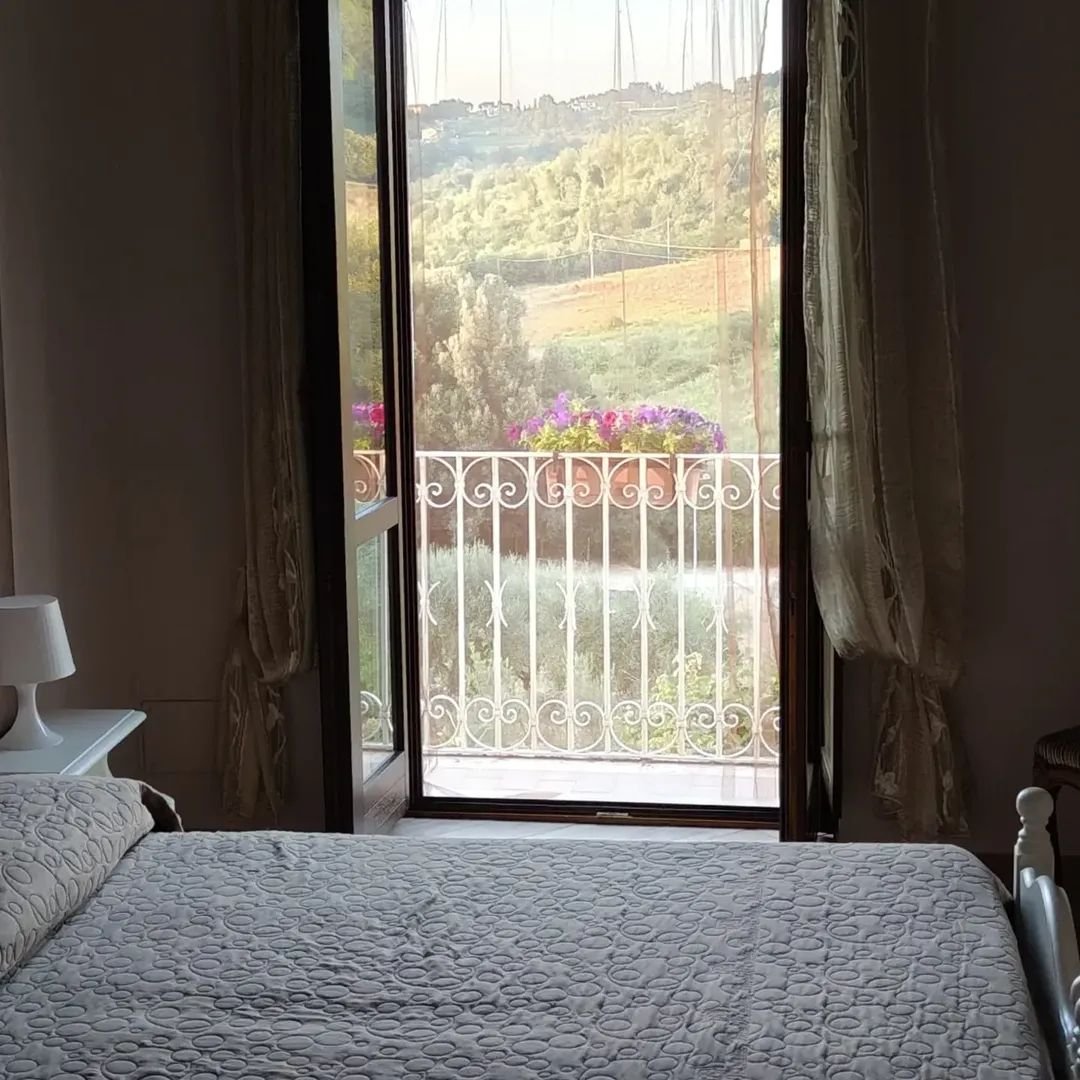
By staying in Mormanno, you are immersed in the authentic atmosphere of the mountains. You can enjoy quiet mornings with a coffee overlooking the valley and spend your evenings sampling the local cuisine in town. A comfortable, well-located stay ensures that you start each day of your trip refreshed and ready to discover the wonders of the surrounding villages. A great option for your stay is to look for authentic, locally-run accommodations that reflect the spirit of the region. A great resource for finding the perfect spot is to check the available options here: A Mormanno sono disponibili 1 alloggi selezionati. Scopri gli alloggi a Mormanno. Enjoy the slow pace, the rich history, and the breathtaking beauty of this hidden corner of Italy.