Discovering the Historic Borghi near Longobardi Calabria
Welcome to the magnificent Tyrrhenian coast of southern Italy, a place where crystal-clear waters meet rugged mountain peaks. While the pristine beaches of this region draw countless visitors every summer, the true, beating heart of Calabria lies hidden just a few miles inland. Perched strategically on hilltops and carved into the sides of mountains, the ancient settlements—locally known as "borghi"—offer an unforgettable journey back in time. If you are planning a trip to this sun-kissed region, exploring the historic towns near Longobardi is an absolute must for any cultural traveler.
These medieval villages are not just open-air museums; they are living, breathing communities where ancient traditions, authentic culinary practices, and centuries-old architecture are fiercely preserved. From dramatic castle ruins overlooking the sea to narrow cobblestone alleys that wind past artisan workshops, the hinterland of the Riviera dei Cedri and the surrounding coastline provides a dramatic contrast to the bustling beach resorts. In this comprehensive guide, we will explore the most enchanting historic villages near Longobardi, uncovering their art, history, and vibrant local culture.
Unmissable Medieval Villages to Explore
Just a short drive from the coastal town of Longobardi, you will find a cluster of extraordinary medieval villages, each with its own unique character and historical narrative. Fiumefreddo Bruzio, located roughly 10 kilometers away, is widely considered one of the most beautiful villages in all of Italy. Perched on a rocky promontory, it offers sweeping panoramic views of the Tyrrhenian Sea. The village is famous for the majestic ruins of the Castello della Valle and the breathtaking modern artworks by Salvatore Fiume, which adorn the ancient walls and public squares, creating a fascinating dialogue between the medieval and the contemporary.
Heading slightly south, about 8 kilometers from Longobardi, lies the charming village of Belmonte Calabro. Founded in the 13th century, Belmonte is characterized by its intricate maze of narrow alleys, known as vicoletti, which weave through ancient stone houses. The town is historically significant for its defensive walls and noble palaces, but today it is equally famous for its gastronomy—specifically the enormous, sweet "Pomodoro di Belmonte" (Belmonte tomato), a local delicacy that you must taste during your visit.
Further inland and slightly south (approximately 25 kilometers from Longobardi), you will discover Cleto, evocatively known as the "town of two castles." Nestled among silver-leaved olive groves, Cleto boasts the impressive ruins of a Norman castle that dominates the valley, as well as the nearby Savuto Castle. The atmosphere here is incredibly peaceful, offering a glimpse into a rural Calabrian lifestyle that has remained unchanged for generations. Finally, do not miss the upper historic center of Amantea (15 kilometers away). While Amantea is a bustling coastal city, its upper town is a historic jewel, featuring the ruins of a Byzantine-Norman castle, ancient city gates, and spectacular views extending all the way to the Aeolian Islands on clear days.
Art and Architecture of Calabrian Villages
The architectural landscape of the villages surrounding Longobardi is a testament to the region's complex and turbulent history. Over the centuries, Calabria has been conquered and settled by Greeks, Romans, Byzantines, Normans, Swabians, and the Spanish. This melting pot of cultures is highly visible in the local architecture. The most prominent features of these towns are the Norman-Swabian castles. Originally built as defensive fortresses to protect the local populations from devastating Saracen pirate raids, these imposing stone structures—like those in Fiumefreddo Bruzio and Cleto—now stand as romantic, weathered sentinels overlooking the coastline.
Religious architecture also plays a central role in the artistic heritage of these borghi. In Amantea, the monumental Church and Convent of San Bernardino of Siena is a stunning example of 15th-century Gothic architecture, a rarity in this part of southern Italy. Inside, visitors can marvel at exquisite marble sculptures, intricate wooden choirs, and beautifully preserved frescoes. Similarly, the nearby town of Paola is home to the massive Sanctuary of San Francesco di Paola, a sprawling monastic complex that features stunning Renaissance and Baroque artistry, drawing pilgrims and art lovers from all over the world.
Beyond the grand castles and churches, the everyday architecture of the historic squares (piazze) and residential streets is equally captivating. You will notice ornate stone portals carved by local stonemasons, wrought-iron balconies, and ancient wooden doors. The traditional craftsmanship of Calabria is still alive in these villages. As you wander the streets, it is not uncommon to find small artisan workshops where locals continue the age-old traditions of weaving silk and broom fiber, crafting intricate ceramics, and carving olive wood, making these towns a perfect place to find authentic, handmade souvenirs.
The Perfect One-Day Itinerary
To truly appreciate the magic of these historic settlements, you need a well-planned itinerary. Start your morning early by driving from Longobardi to Belmonte Calabro. Park just outside the historic center and walk into the village as it wakes up. Find a small local café in the main piazza and enjoy a classic Italian breakfast of a cappuccino and a freshly baked cornetto. Spend the next hour wandering through the silent, sun-dappled alleys, admiring the ancient stone arches and the sweeping views of the sea below.
By late morning, make your way to Fiumefreddo Bruzio. This village requires a bit of an uphill drive, but the destination is well worth the effort. Spend a couple of hours exploring the ruins of the Castello della Valle and hunting for the surreal statues and frescoes created by Salvatore Fiume. For lunch, seek out a traditional trattoria hidden within the village walls. Treat yourself to a feast of authentic Calabrian cuisine: start with a platter of local cheeses like Caciocavallo, spicy 'nduja, and cured capocollo. Follow this with a plate of handmade fileja pasta tossed in a rich pork ragù, all washed down with a glass of robust Magliocco red wine.
In the late afternoon, drive down the coast to Amantea. Begin your exploration in the vibrant lower town, browsing the boutique shops and local bakeries—be sure to buy some traditional fig and chocolate sweets known as Bocconotti. As the golden hour approaches, hike up the steep steps to the historic upper town. Explore the Church of San Bernardino and find a quiet vantage point near the castle ruins to watch the sun dip below the Tyrrhenian Sea, painting the sky in brilliant shades of orange and purple. Conclude your perfect day with a relaxing seafood dinner along the Amantea promenade before heading back to your base.
Festivals, Events, and Medieval Reenactments
The historic villages of Calabria are not just static monuments; they come alive throughout the year with vibrant festivals, religious processions, and cultural events. Summer is undoubtedly the most exciting time to visit, as the warm evenings play host to numerous sagre (traditional food festivals). In Belmonte Calabro, the annual Sagra del Pomodoro celebrates the harvest of their famous giant tomatoes. The entire town gathers to eat, drink, and dance the traditional tarantella to the energetic sounds of the accordion and tambourine.
Religious events are deeply woven into the fabric of Calabrian culture. The most significant of these is the Feast of San Francesco in nearby Paola, held every year in early May. This multi-day celebration includes solemn processions where the saint's statue is carried through the streets and even out to sea on a boat, accompanied by spectacular midnight fireworks displays and massive street markets selling local crafts and street food.
For history enthusiasts, the summer months also bring spectacular medieval reenactments. Villages like Fiumefreddo Bruzio and Cleto frequently host historical evenings where the towns are transported back to the Middle Ages. The streets are illuminated by torchlight, locals dress in meticulously crafted period costumes, and actors stage sword fights, falconry displays, and traditional medieval markets. These immersive events offer a fantastic, family-friendly way to experience the rich history of the region firsthand.
How to Navigate Between the Villages
While the coastal train line connects the major seaside towns of Calabria, relying on public transportation to explore the inland medieval villages is highly impractical. To truly experience the freedom of the region and access these remote hilltop gems, renting a car is absolutely essential. Having your own vehicle allows you to travel at your own pace, stop for impromptu photo opportunities, and linger in a village long after the sun goes down.
Driving in Calabria is an adventure in itself. The main coastal road, the SS18, is relatively flat and straightforward, connecting the lower portions of towns like Longobardi, Belmonte, and Amantea. However, reaching the historic centers requires turning inland and navigating winding, narrow mountain roads. These scenic routes offer spectacular views, but they require careful driving. Take your time, sound your horn on blind corners, and enjoy the dramatic landscapes that unfold with every turn.
When you arrive at a borgo, be aware of the ZTL (Zona a Traffico Limitato) signs. Most historic centers are strictly pedestrian-only to preserve the ancient infrastructure. You will usually find designated parking areas just outside the town walls or at the base of the hill. From there, be prepared to walk. The medieval streets are often steep, featuring uneven cobblestones and numerous staircases, so wearing comfortable, sturdy walking shoes is highly recommended for your explorations.
Your Ideal Base: Sleeping in Longobardi
When planning your cultural tour of the Tyrrhenian coast, choosing the right place to stay is crucial. Longobardi serves as the absolute perfect base camp for your adventures. Geographically, it is situated right in the center of the coastline, making it incredibly easy to take short day trips to Fiumefreddo Bruzio, Belmonte Calabro, Cleto, and Amantea. Unlike the larger, heavily commercialized tourist hubs, Longobardi maintains a tranquil, authentic atmosphere.
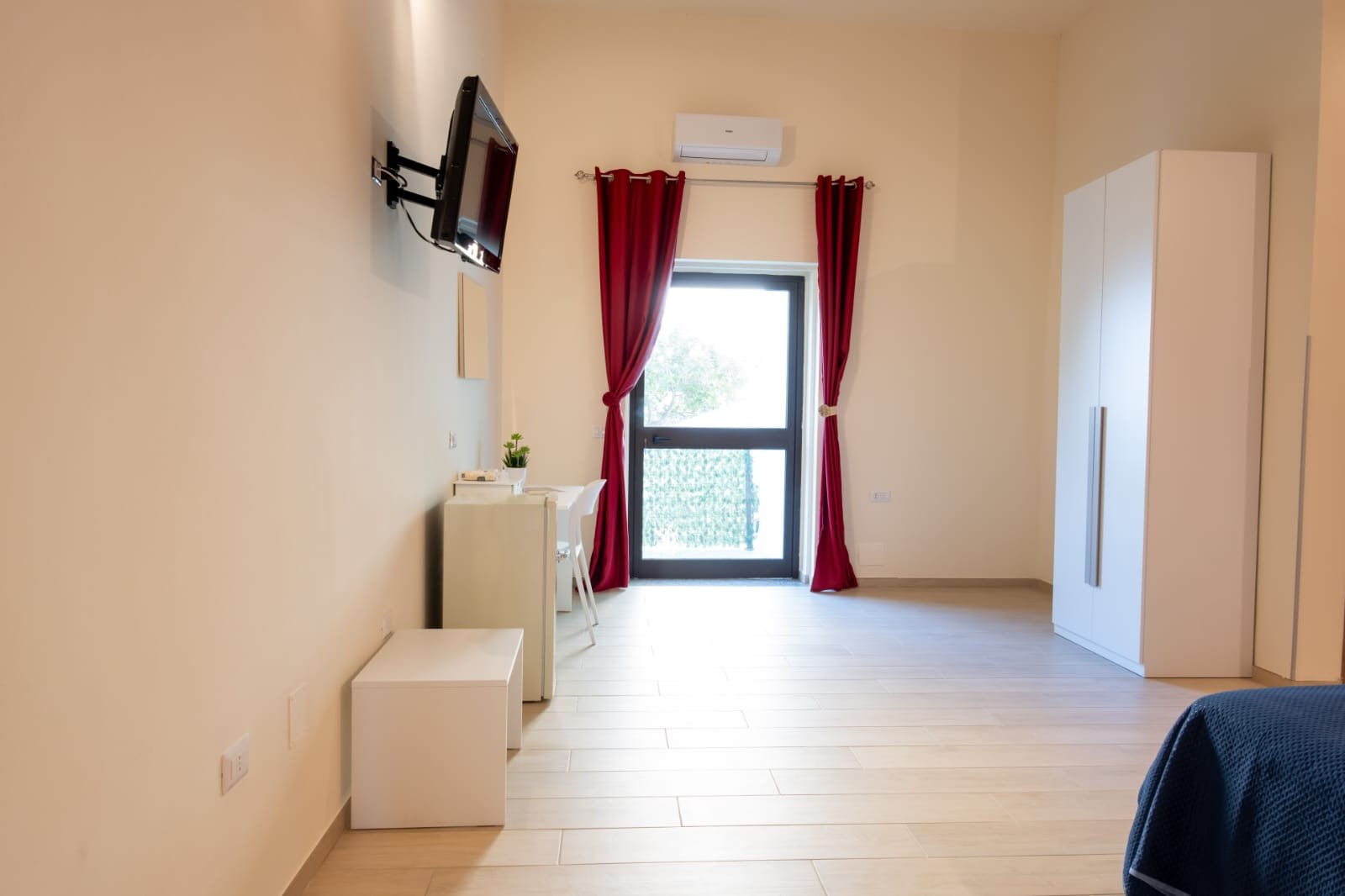
Staying in Longobardi allows you to enjoy the best of both worlds. You can spend your mornings hiking up to ancient castles and your afternoons relaxing on uncrowded, pristine beaches. The town itself has a beautiful historic center and excellent local dining options where you can mingle with the friendly locals. To ensure you have the most authentic and comfortable experience, booking a local vacation rental in Longobardi is highly recommended. Whether you prefer a modern apartment near the sea or a restored historic home in the hills, you will find options that perfectly suit your travel style.
A Longobardi sono disponibili 1 alloggi selezionati. Scopri gli alloggi a Longobardi.