Exploring the Most Beautiful Historical Villages near Laino Borgo Calabria
Welcome to the untamed heart of the Pollino National Park, a region where time seems to have stopped centuries ago. Calabria is a land of dramatic landscapes, deep valleys, and rugged mountains, but its true cultural treasures lie in its ancient settlements. If you are planning a trip to southern Italy, exploring the historical villages near Laino Borgo, Calabria, offers an authentic journey into a world of medieval architecture, rich traditions, and unparalleled gastronomy.
As a cultural tourism expert, I always recommend venturing beyond the crowded coastal resorts to discover the authentic soul of Calabria. The inland areas are dotted with picturesque towns clinging to mountain peaks and overlooking rushing rivers. To truly appreciate this region, you need a comfortable starting point. Setting up your base camp by choosing a stay in Laino Borgo allows you to easily navigate through these historical wonders while enjoying the tranquility of the Pollino mountains.
The Unmissable Medieval Villages
The area surrounding Laino Borgo is a treasure trove of medieval settlements, each with its own unique history, architectural style, and breathtaking panoramas. Exploring these towns is like walking through an open-air museum, where every stone alleyway and ancient portal tells a story of Norman conquerors, Byzantine monks, and resilient local communities.
Laino Castello
Located just 2 kilometers from Laino Borgo, Laino Castello is a fascinating "ghost town" that simply cannot be missed. Abandoned following a series of earthquakes in the 1980s, the old historical center sits majestically on a rocky spur overlooking the Lao River valley. Walking through its silent, ruined streets offers a poignant and highly atmospheric experience. You can still admire the remains of the ancient castle, the labyrinthine medieval street layout, and several old churches featuring faded but beautiful Byzantine-style frescoes.
Morano Calabro
About 25 kilometers south of Laino Borgo lies Morano Calabro, officially recognized as one of the "Most Beautiful Villages in Italy" (I Borghi più Belli d'Italia). Approaching the village by car is an unforgettable experience: the houses are stacked tightly together on a conical hill, creating the illusion of a giant, life-sized nativity scene. At the very top sits the imposing Norman-Swabian castle. Visitors must explore the Church of San Bernardino of Siena, a masterpiece of late Gothic architecture, and the Collegiate Church of Santa Maria Maddalena, which dominates the skyline with its striking majolica-tiled dome.
Papasidero
Situated roughly 20 kilometers away, Papasidero is a medieval gem hidden deep within the Lao River canyon. This village is famous not only for its rugged stone architecture but also for the Sanctuary of Santa Maria di Costantinopoli. Built directly into the rock face overhanging the river, this 17th-century sanctuary is a breathtaking sight. Furthermore, history enthusiasts will be thrilled to know that Papasidero is home to the Romito Cave (Grotta del Romito), one of the most important prehistoric sites in Europe, featuring ancient rock engravings of a Bos primigenius (wild ox).
Mormanno
Just a short 15-kilometer drive from your base, Mormanno rests peacefully on a plateau surrounded by green peaks. Founded in the Lombard era, this village boasts an elegant historical center characterized by noble palaces with intricate stone portals. The Votive Lighthouse (Faro Votivo), a monument dedicated to the fallen soldiers of World War I, offers spectacular panoramic views of the surrounding mountains. Mormanno is also deeply tied to its culinary traditions, making it the perfect place to stop and taste local delicacies.
Art and Architecture of Calabrian Villages
The architectural landscape of northern Calabria is a fascinating palimpsest of different civilizations. The strategic importance of these mountainous areas meant they were heavily fortified over the centuries. The Norman and Swabian influence is highly visible in the imposing castles that crown almost every hilltop village, such as those found in Morano Calabro and the ruins in Laino Castello. These fortresses, with their thick stone walls and strategic watchtowers, were built to control the valleys and protect the populations from Saracen incursions.
Religious architecture is equally stunning and diverse. As you wander through the historic squares, you will encounter a mix of Byzantine, Gothic, and Baroque influences. Many small rural churches still house beautiful Byzantine frescoes, a testament to the Greek-Orthodox monks who sought refuge in these mountains centuries ago. In contrast, the main collegiate churches often feature opulent Baroque interiors, with intricately carved wooden altars, golden stuccoes, and magnificent pipe organs. The portals of these churches and noble palaces are often masterpieces of local stonecutting, showcasing the incredible skill of Calabrian artisans.
Beyond the grand monuments, the true charm lies in the vernacular architecture. The historic centers are characterized by narrow, winding alleys (often inaccessible to cars), steep staircases, and houses built entirely of local stone. This urban layout was designed both for defense and to protect the inhabitants from the harsh winter winds. Today, these ancient streets are also home to small artisan workshops where traditional crafts are still practiced. From woodworking and ceramics to the weaving of traditional textiles, the art of the Calabrian villages is alive and deeply connected to its historical roots.
A Perfect One-Day Itinerary
To make the most of your time in the Pollino National Park, a well-planned itinerary is essential. Start your morning early, around 8:30 AM, directly from your accommodation. Your first stop should be the ghost town of Laino Castello. The morning light hitting the ruins creates a mystical atmosphere, perfect for photography. Spend about an hour wandering through the silent alleys before getting back on the road.
By 10:30 AM, take the short scenic drive to Mormanno. Stroll through the historic center, admire the noble palaces, and make your way up to the Faro Votivo for a sweeping view of the valley. Before leaving Mormanno, you must stop at a local bakery to try a bocconotto, a traditional shortcrust pastry filled with black cherry jam or almond paste, paired perfectly with a strong Italian espresso.
For lunch, around 1:00 PM, head towards a traditional agriturismo (farmhouse restaurant) nestled in the countryside between Mormanno and Morano Calabro. A typical Calabrian mountain lunch is a feast for the senses. Expect a rich antipasto featuring local cold cuts like capocollo, various aged caciocavallo cheeses, and the famous peperoni cruschi (crispy dried sweet peppers). Follow this with a plate of handmade fresh pasta, such as maccaroni al ferretto with a robust wild boar or pork ragù. Wash it all down with a glass of robust local red wine.
In the afternoon, around 3:30 PM, arrive in Morano Calabro. Spend the rest of the daylight hours exploring its steep, labyrinthine streets. Visit the Church of San Bernardino and slowly make your way up to the Norman-Swabian castle. Reaching the top just in time for sunset is a magical experience, as the golden hour illuminates the red roofs of the village below. Afterward, you can enjoy a relaxed dinner in a local trattoria before returning to your comfortable room in Laino Borgo to rest.
Festivals and Events in the Villages
The cultural heartbeat of these historical villages is best experienced during their traditional festivals and events. The calendar is dotted with celebrations that mix deep religious devotion with pagan folklore, offering visitors a unique glimpse into the soul of Calabria. If you visit during the summer or autumn, you are almost guaranteed to stumble upon a local celebration.
One of the most significant and emotionally powerful events takes place right in Laino Borgo: La Giudaica. Held on Good Friday, this is a massive historical reenactment of the Passion of Christ. Hundreds of locals dress in historically accurate Roman and ancient Judean costumes, transforming the streets of the village into the ancient city of Jerusalem. The entire community participates in this dramatic and moving performance, making it one of the most important Easter events in southern Italy.
During the summer months, the villages come alive with patron saint festivals. These days are marked by solemn religious processions where heavy statues of saints are carried through the narrow streets, accompanied by the joyful music of local marching bands. As evening falls, the religious atmosphere gives way to pure celebration, with historical markets, street food stalls, and spectacular fireworks displays lighting up the mountain skies.
Autumn brings the season of the Sagre (food festivals), which celebrate the rich harvest of the Pollino mountains. Mormanno and the surrounding villages host festivals dedicated to chestnuts, wild mushrooms, and truffles. These events are the perfect opportunity to mingle with the locals, listen to traditional folk music played on the accordion and the zampogna (a traditional Italian bagpipe), and taste the freshest seasonal products cooked according to recipes passed down through generations.
How to Get Around the Villages
When planning a trip to the historical villages of northern Calabria, transportation is a crucial factor to consider. Due to the rugged topography of the Pollino National Park and the remote nature of these ancient settlements, public transportation is extremely limited and often impractical for tourists. Therefore, renting a car is absolutely highly recommended, if not essential, for exploring this area freely.
Having a car allows you to travel at your own pace and access off-the-beaten-path locations that buses simply cannot reach. The main artery connecting the region is the A2 "Autostrada del Mediterraneo" highway, which offers easy access to exits like Laino Borgo and Campotenese. However, the true joy of driving here lies in the secondary provincial roads. These scenic routes wind their way through dense forests, deep river canyons, and high-altitude plateaus, offering breathtaking views at every turn.
When driving in this region, it is important to be cautious. The mountain roads can be narrow, winding, and occasionally steep. Drive slowly, respect the local traffic, and be prepared to stop for the occasional herd of sheep crossing the road! If you are flying into the region, the best strategy is to rent a vehicle directly at Lamezia Terme Airport (in Calabria) or Naples International Airport (in Campania) before making the scenic drive down to your mountain retreat.
Ideal Base for Exploring: Sleeping in Laino Borgo
Choosing the right location for your accommodation can make or break your holiday in Calabria. Laino Borgo stands out as the absolute ideal base camp for exploring the Pollino National Park and its surrounding medieval villages. Geographically, it is strategically positioned: it offers immediate access to the highway for longer day trips, yet it remains deeply immersed in the tranquil, pristine nature of the mountains and the Lao River valley.
Staying in Laino Borgo means waking up to the sound of nature, enjoying a slow morning coffee with views of the green peaks, and experiencing the genuine hospitality of a small Calabrian community. After a long day of hiking, exploring castles, and navigating steep medieval alleyways, returning to a quiet, welcoming environment is exactly what you need to recharge for the next day's adventures.
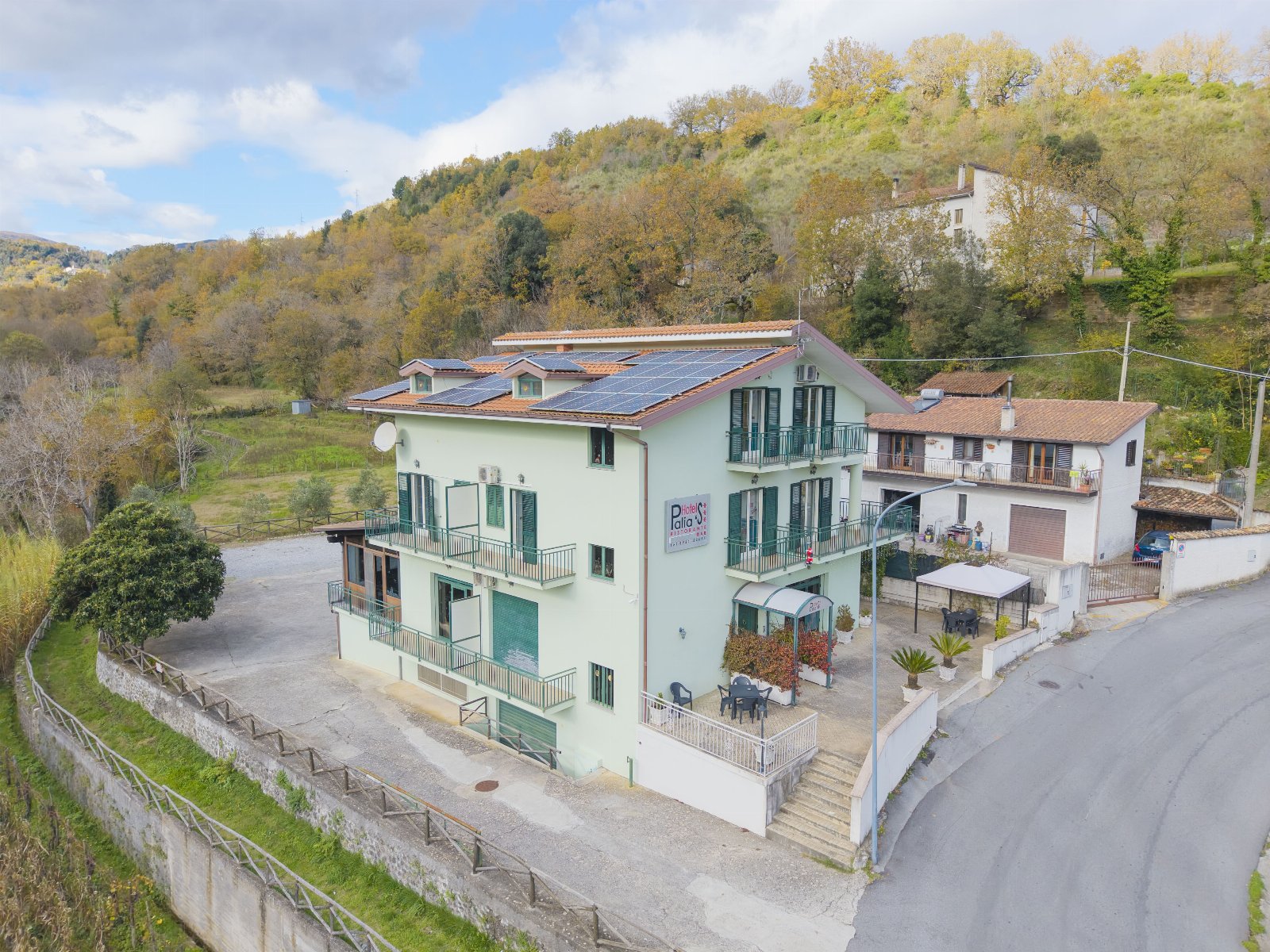
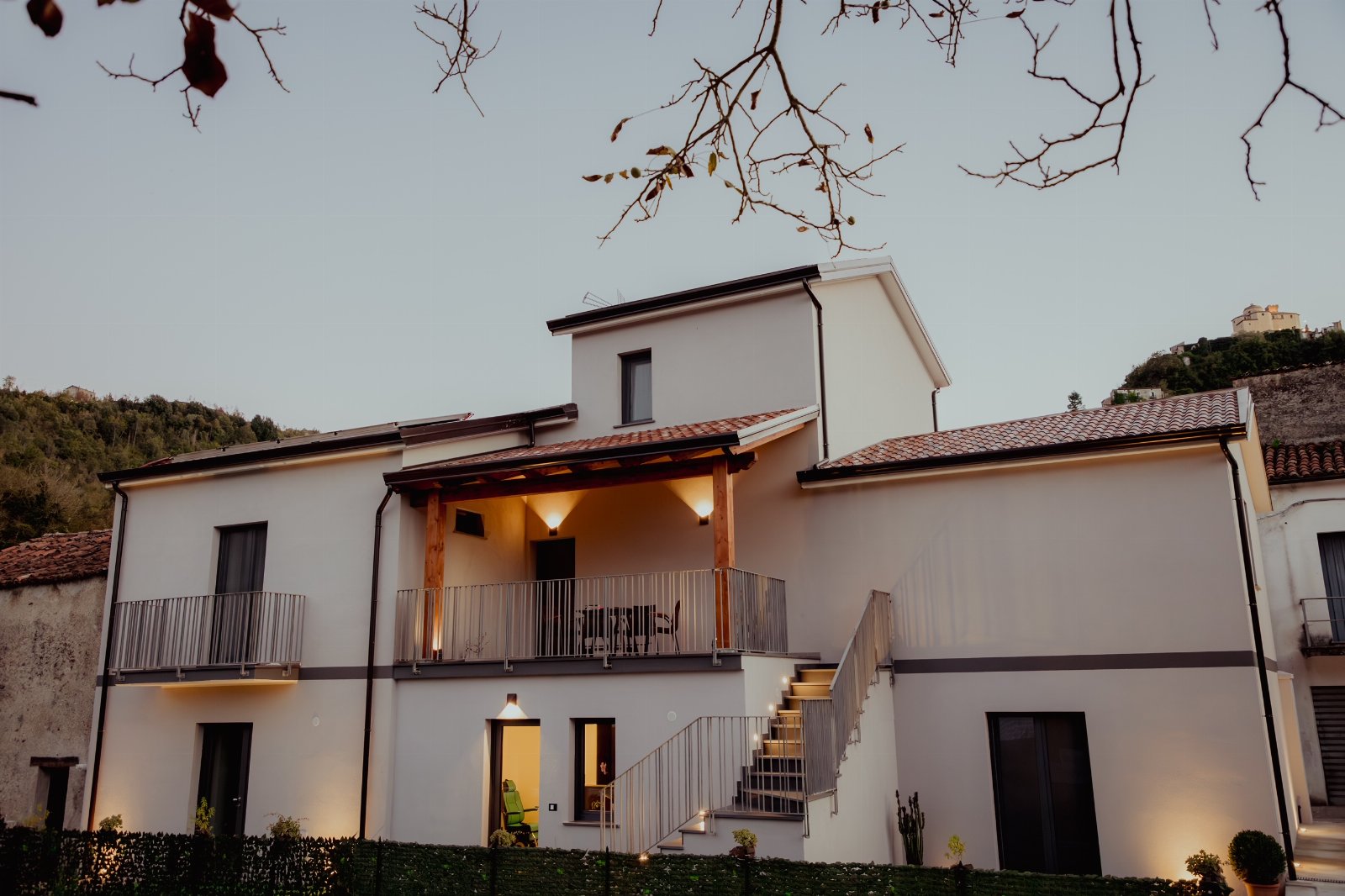
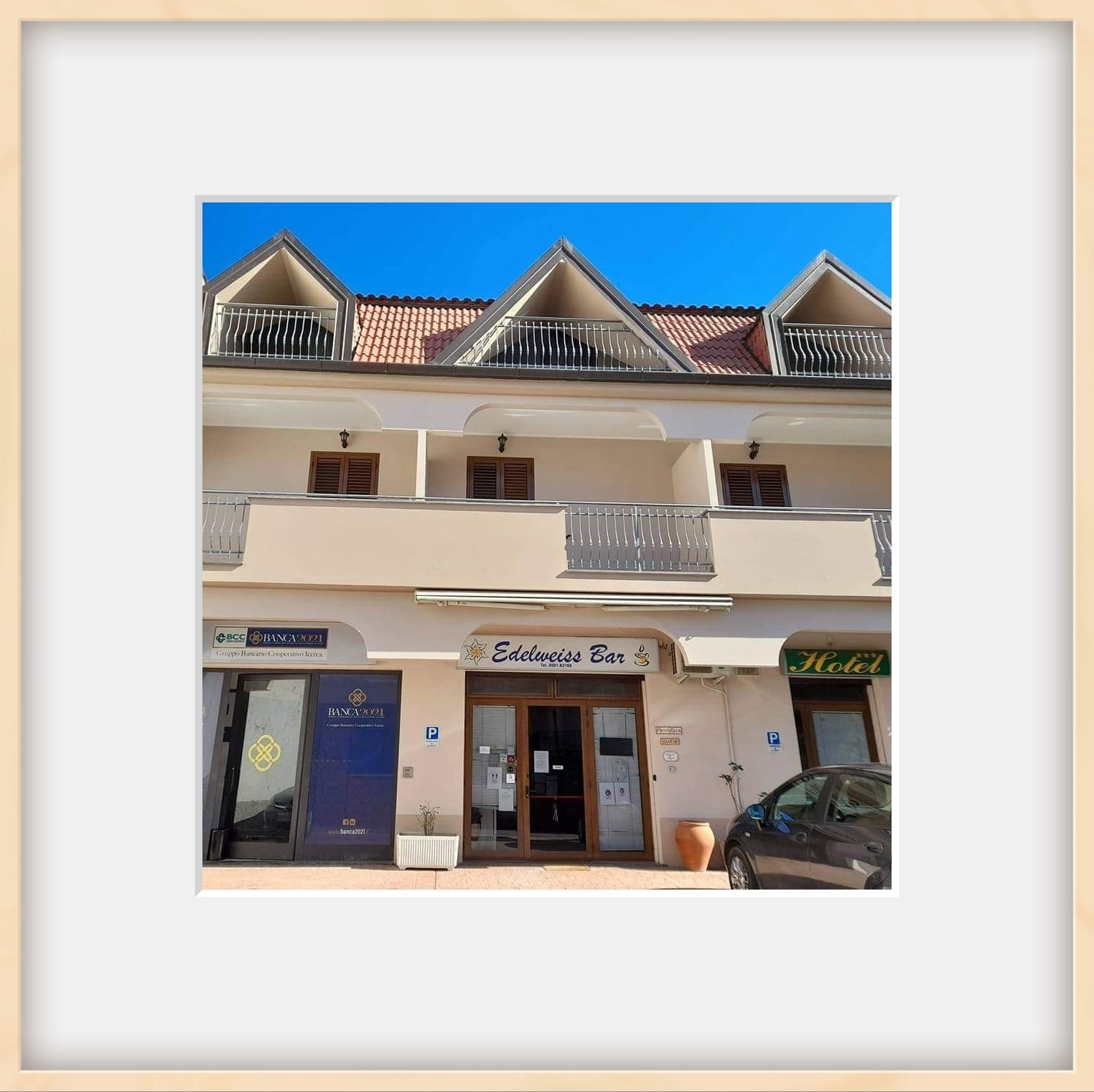
The local accommodations are designed to offer authentic experiences without sacrificing modern comforts, blending perfectly with the historical context of the area. A Laino Borgo sono disponibili 2 alloggi selezionati. Scopri gli alloggi a Laino Borgo.