Discovering the Pollino: Cosa Vedere Laino Borgo Calabria
Welcome to the ultimate gateway of the Pollino National Park. If you are planning a trip to the deep south of Italy and wondering about the best hidden gems, this guide on cosa vedere Laino Borgo Calabria will provide you with everything you need to know. Nestled in the province of Cosenza, right on the border between Calabria and Basilicata, Laino Borgo is a charming mountain municipality divided by the rushing waters of the Lao River. Unlike crowded coastal resorts, this village offers a profound connection with pristine nature, ancient history, and adrenaline-pumping outdoor activities.
Laino Borgo is not just a destination; it is an experience. It is a place where time seems to slow down, allowing visitors to breathe in the crisp mountain air, explore abandoned ghost towns, and navigate through some of the most spectacular river canyons in Europe. Whether you are an adventure seeker looking to conquer the river rapids, a history enthusiast eager to uncover medieval ruins, or simply a traveler wanting to taste authentic Calabrian mountain cuisine, this village has something extraordinary to offer.
In this comprehensive guide, we will explore the must-see attractions, delve into the local history, map out a perfect daily itinerary, and discover the magnificent surrounding areas. Prepare to be enchanted by the rugged beauty and warm hospitality of Laino Borgo, a true treasure of the Calabrian hinterland.
Main Attractions: The 5 Must-See Wonders of Laino Borgo
When visiting this mountainous paradise, there are several focal points that you simply cannot miss. The first and most iconic attraction is the Ghost Town of Laino Castello. Located on a steep hill overlooking Laino Borgo, this ancient settlement was abandoned following a series of earthquakes in the 1980s. Today, it stands as a fascinating open-air museum. Entry is completely free, and it is accessible all day, though visiting during daylight hours is highly recommended. Tip: Wear sturdy trekking shoes, as the pathways are rugged and unpaved.
The second unmissable attraction is the mighty Lao River, the undisputed heart of local tourism. Known as one of the best rafting destinations in Italy, the river cuts through deep limestone gorges. Numerous local agencies offer guided rafting, kayaking, and river-walking tours. Prices generally range from €40 to €60 per person, depending on the length of the excursion. Tours usually run from April to October, with departures at 9:00 AM and 2:00 PM. Tip: Book your adventure in advance during the busy summer months.
For a spiritual and architectural marvel, the third attraction is the Sanctuary of the Madonna delle Cappelle (Madonna of the Chapels). Built in the 16th century by a local traveler who wished to recreate the holy sites of Jerusalem, this complex features 15 small chapels adorned with fascinating frescoes. It is free to enter, generally open from 9:00 AM to 6:00 PM. The fourth spot is Piazza Navarro, the lively center of modern Laino Borgo, perfect for a morning espresso. Finally, the fifth attraction is the viewpoint of the Viaduct Italia. Once the highest bridge in Europe, viewing this engineering marvel spanning the deep Lao valley is a breathtaking experience, entirely free and accessible 24/7.
Museums and Cultural Sites: Tracing Ancient Roots
While Laino Borgo is primarily celebrated for its outdoor adventures, its cultural and historical footprint is equally compelling. The area is deeply connected to the ancient Greek settlement of Laos, and while the major archaeological parks are located closer to the coast, the entire Lao Valley serves as an ecomuseum. The Ecomuseum of the Lao Valley is a decentralized cultural project that aims to preserve the ethnographic and historical heritage of the river communities. It highlights traditional farming tools, ancient milling techniques, and the folklore of the Pollino region.
Visitors can also explore small, locally curated ethnographic collections that pop up during the summer months in the historic center. These exhibits showcase traditional Calabrian textiles, woodworking, and the history of river navigation before modern rafts were introduced. Operating hours for these small cultural hubs are usually limited to weekends, from 10:00 AM to 12:00 PM and 5:00 PM to 7:00 PM, often operating on a free-will donation basis (a €2-€5 contribution is appreciated).
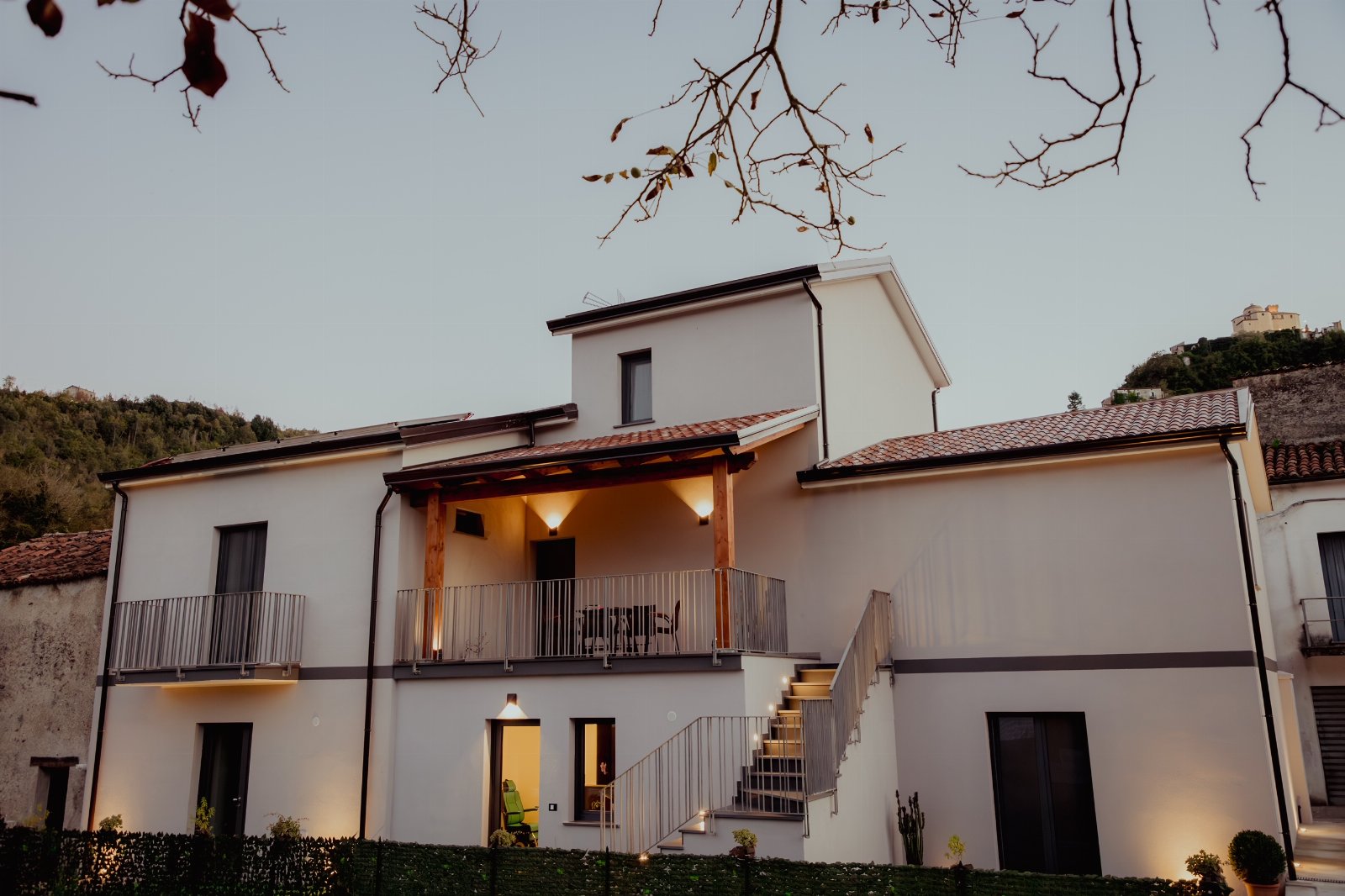
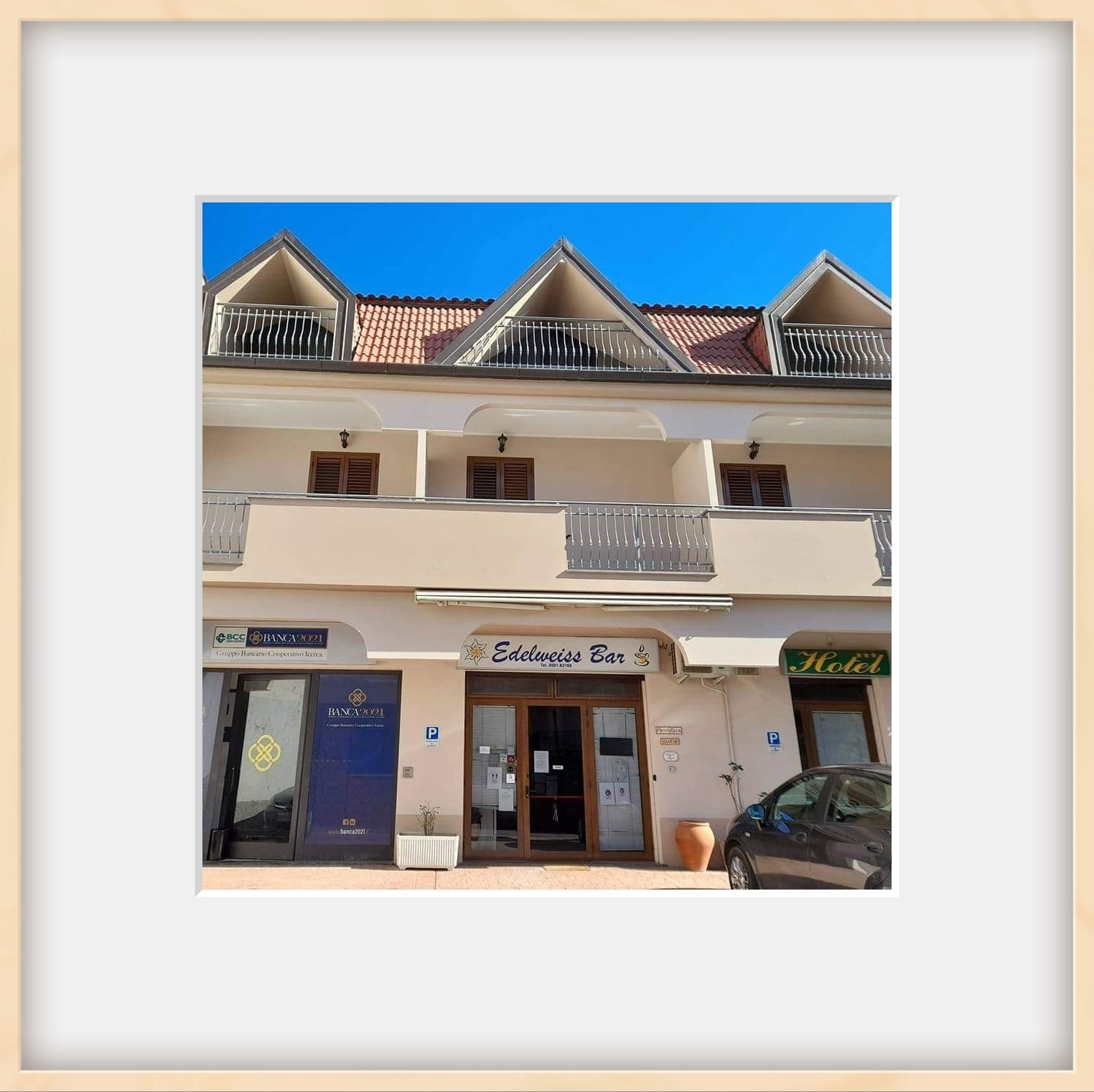
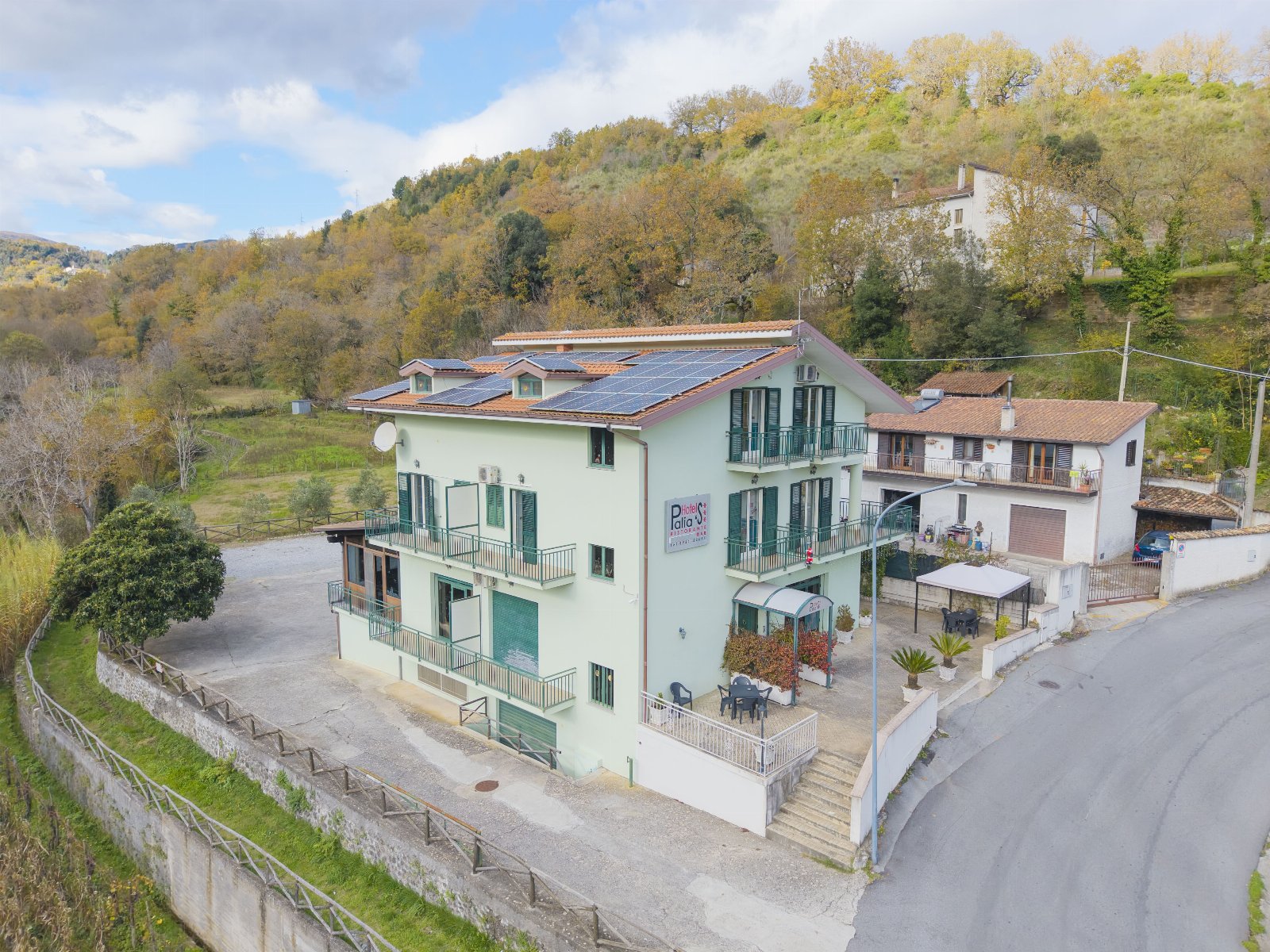
To fully immerse yourself in the cultural atmosphere of the village without rushing, it is highly recommended to stay locally. Finding the right base allows you to easily walk to these historical sites early in the morning. You can easily find excellent accommodations in Laino Borgo that offer easy access to both the cultural exhibits and the natural wonders of the valley.
Churches and Historical Monuments: A Journey Through Time
The religious architecture of Laino Borgo tells a story of devotion, artistry, and resilience. Beyond the aforementioned Sanctuary of the Chapels, the Church of Santo Spirito is a prominent historical monument. Featuring a beautiful stone portal and housing precious wooden statues and paintings from the Neapolitan school, this church is a testament to the town's historical wealth. The church is usually open for morning mass and late afternoon visits, offering a quiet sanctuary for reflection.
Looking up toward the abandoned village of Laino Castello, you will find the remnants of a rich medieval past. The ruins of the Norman-Swabian Castle dominate the highest peak of the ghost town. Originally built to defend the valley from incursions, including the devastating Saracen raids that plagued the Calabrian territories for centuries, the castle ruins offer a glimpse into the strategic military importance of the Lao Valley. Though only fragments of the walls and towers remain, the panoramic view from the castle grounds is unparalleled.
The local architecture itself is a monument to Calabrian mountain life. As you wander through the oldest alleys of Laino Borgo, you will notice the traditional stone masonry, wrought-iron balconies, and heavy wooden portals carved by local artisans centuries ago. These structural details reflect a time when the village was a bustling hub for merchants traveling between the Tyrrhenian coast and the Ionian sea.
Nature and Natural Parks: The Wild Heart of the Pollino
Laino Borgo is proudly situated within the Pollino National Park, the largest national park in Italy and a designated UNESCO Global Geopark. This protected area is a paradise of biodiversity, offering dramatic landscapes that range from deep river canyons to towering mountain peaks. The star of the park is undoubtedly the Pino Loricato (Bosnian Pine), a rare and ancient tree species that clings to the rocky summits, surviving extreme weather conditions for centuries.
The natural environment around Laino Borgo is dominated by the element of water. The Lao River is fed by numerous streams and "fiumare" (seasonal torrents), creating a lush, green environment that feels entirely different from the arid coastal areas of southern Italy. The forests surrounding the village are dense with beech, oak, and chestnut trees, providing ample shade for summer hikers and a spectacular display of golden colors during the autumn months.
For hiking enthusiasts, there are countless well-marked trails starting just outside the village. You can embark on gentle walks along the riverbanks or challenge yourself with steep ascents toward the higher peaks of the Pollino. Whether you are foraging for wild mushrooms, bird watching for rare eagles, or simply enjoying the silence of the woods, the nature here is restorative. To ensure you have enough time to explore the trails, booking one of the cozy places to stay in Laino Borgo is the best way to start your hiking days at dawn.
One-Day Itinerary: Maximizing Your 8 Hours in Laino Borgo
If you only have one day to spend in Laino Borgo, a well-planned itinerary is essential to capture the essence of the town. Start your morning at 8:30 AM with a traditional Italian breakfast of cappuccino and a warm cornetto in Piazza Navarro. By 9:30 AM, head down to the riverbase. Dedicate your morning to an exhilarating 2.5-hour rafting trip down the Lao River. Gliding through the towering rock walls of the canyon is an unforgettable way to wake up and connect with the landscape.
By 1:00 PM, you will have worked up a serious appetite. It is time for a hearty Pollino lunch. Find a local agriturismo or a traditional trattoria in the village. You must try the homemade maccaroni al ferretto with a rich pork ragù, accompanied by the famous peperoni cruschi (crispy dried peppers) and a platter of local caciocavallo cheese. Pair this with a robust glass of local Magliocco red wine to truly taste the terroir of the region.
In the afternoon, around 3:30 PM, drive or hike up to the ghost town of Laino Castello. Spend a couple of hours wandering through the silent, overgrown streets, photographing the ruined churches and the breathtaking valley below. As evening approaches at 6:30 PM, head back down to Laino Borgo for a relaxing aperitivo. Sit at a bar overlooking the river, enjoy a local craft beer or a Spritz, and watch the sunset paint the surrounding mountain peaks in shades of pink and gold.
What to See Nearby: Exploring the Surrounding Treasures
Laino Borgo serves as an excellent strategic base for exploring the wider region. Just a 15-minute drive away is the charming town of Mormanno. Here, you can visit the Faro Votivo (a memorial lighthouse on a mountain) and taste the famous local bocconotto, a delicious pastry filled with cherry jam or chocolate. A bit further, about 30 minutes away, lies Morano Calabro, officially listed as one of the most beautiful villages in Italy. Its houses cascade down a conical hill, crowned by a stunning Norman castle, creating a picture-perfect medieval scene.
If you drive about 40 minutes west towards the coast, you will reach the municipality of Papasidero. This village is home to the extraordinary Grotta del Romito, a prehistoric cave featuring a world-renowned rock engraving of a Bos primigenius (an extinct species of wild cattle) dating back over 10,000 years. The site includes a small museum and guided tours of the archaeological excavations, offering a fascinating look into the Paleolithic era of Calabria.
Finally, if you crave the sea, the famous Riviera dei Cedri is only a 60-minute drive away. Towns like Scalea, Praia a Mare, and San Nicola Arcella (home to the stunning Arcomagno beach) allow you to experience the unique Calabrian dynamic: waking up in the crisp mountain air and swimming in the crystal-clear Tyrrhenian Sea by the afternoon.
Where to Stay to Visit Laino Borgo Peacefully
To truly appreciate the magic of the Pollino National Park, a fleeting day trip is simply not enough. Staying overnight allows you to experience the quiet majesty of the mountains after the day-trippers have left. You can wake up to the sound of the Lao River, enjoy a slow breakfast with local mountain products, and be the first on the hiking trails or rafting boats. Furthermore, the evening atmosphere in the village, with its crisp air and starlit skies, is incredibly romantic and peaceful.
Choosing the right accommodation is key to a successful trip. Whether you prefer a rustic bed and breakfast, a farm stay immersed in nature, or a comfortable room in the historical center, setting up a base here will elevate your Calabrian holiday. You can easily browse and secure your perfect holiday room in Laino Borgo to guarantee a restful night after a day of adventure.
A Laino Borgo sono disponibili 2 alloggi selezionati. Scopri gli alloggi a Laino Borgo.