A Guide to the Best Borghi Corigliano-Rossano Calabria
Calabria is a land of dramatic contrasts, where rugged mountain peaks plunge into the crystal-clear waters of the Ionian Sea. While the stunning coastline draws many visitors, the true soul of this southern Italian region lies hidden in its hinterland. Here, perched on hilltops and nestled in lush valleys, you will find the borghi—ancient, fortified villages where time seems to have stood still. Exploring the historic borghi Corigliano-Rossano Calabria offers a unique journey through centuries of Byzantine, Norman, and Swabian history, revealing a side of Italy that remains untouched by mass tourism.
Corigliano-Rossano, a vibrant municipality born from the union of two historic towns, serves as the ultimate gateway to this fascinating territory. Situated perfectly between the Ionian coast and the foothills of the Pollino and Sila National Parks, it provides strategic access to some of the most beautiful medieval settlements in the country. Whether you are an architecture enthusiast, a lover of traditional gastronomy, or simply a traveler seeking authentic cultural experiences, the villages surrounding this area will captivate your imagination.
In this comprehensive guide, we will delve into the most enchanting medieval villages near Corigliano-Rossano. We will explore their rich artistic heritage, outline the perfect one-day itinerary, highlight the most vibrant local festivals, and provide practical advice on how to navigate the winding roads of Calabria. Prepare to step back in time and discover the hidden treasures of the Calabrian countryside.
Unmissable Medieval Villages Near Corigliano-Rossano
When you choose your base in Corigliano-Rossano, you are immediately surrounded by history. The historic center of Corigliano Calabro itself is a magnificent borgo, dominated by the spectacular Ducal Castle. This fortress, with its frescoed ceilings, mirrored halls, and panoramic tower, is one of the best-preserved castles in southern Italy. Just a few kilometers away lies the historic center of Rossano, famously known as the "City of the Codex." Here, you can wander through labyrinthine alleys to the Diocesan Museum, home to the Codex Purpureus Rossanensis, a rare 6th-century illuminated manuscript recognized by UNESCO.
Venturing slightly further afield, about 40 kilometers from Corigliano-Rossano, you will discover Altomonte. Often listed among the most beautiful villages in Italy, Altomonte is a masterpiece of Gothic architecture. The undeniable centerpiece is the Church of Santa Maria della Consolazione, featuring a stunning rose window and a serene adjoining cloister. Walking through Altomonte’s cobblestone streets, lined with aristocratic palaces and artisan workshops, feels like walking through a living museum of medieval Calabrian life.
Approximately 45 kilometers north of Corigliano-Rossano lies the extraordinary village of Civita. Nestled within the Pollino National Park, Civita is renowned for its Arbëreshë heritage—an ethnic Albanian community that settled in Calabria in the 15th century. Here, you will hear the ancient Arbëresh language spoken in the streets and see bilingual road signs. The village overlooks the breathtaking Raganello Gorge, and a hike down to the iconic Devil's Bridge (Ponte del Diavolo) offers some of the most dramatic natural scenery in all of southern Italy.
Finally, about 50 kilometers up the Ionian coast, you will find Rocca Imperiale. As its name suggests, this village was shaped by imperial power, specifically that of Frederick II of Swabia, who built the imposing fortress that crowns the hill. The houses of Rocca Imperiale cascade down the slope toward the sea like a stone waterfall. The village is also famous for its IGP-certified lemons, which fill the air with a sweet, citrusy fragrance as you explore the narrow, sun-drenched alleys.
Art and Architecture of Calabrian Villages
The architectural landscape of the villages near Corigliano-Rossano is a fascinating tapestry woven by the various empires that once ruled the Mediterranean. The Byzantine influence is profoundly visible, especially in Rossano, which was an essential center of Eastern monasticism. The Oratory of San Marco, a small 10th-century church with five cylindrical domes, is a perfect example of Byzantine religious architecture. Monks fleeing iconoclasm in the East carved out hermitage caves in the surrounding tufa rock, leaving behind a spiritual legacy that still permeates the region.
Following the Byzantines, the Normans and Swabians left an indelible mark on the region through their formidable military architecture. The castles of Corigliano and Rocca Imperiale stand as imposing testaments to this era. These fortresses were not merely defensive structures but symbols of absolute power, featuring massive defensive walls, deep moats, and strategic watchtowers designed to repel pirate incursions from the Ionian Sea. Over the centuries, many of these military strongholds were transformed into opulent noble residences, blending harsh stone fortifications with elegant Renaissance and Baroque interiors.
Beyond grand castles and churches, the true artistic soul of these villages is found in their historic squares (piazze) and local craftsmanship. The architecture of the everyday—stone portals adorned with family crests, wrought-iron balconies, and intricate wooden doors—tells the story of skilled local artisans. In villages like Altomonte and Corigliano, the tradition of craftsmanship continues today. Visitors can find workshops dedicated to weaving traditional textiles, carving olive wood, and shaping terracotta, preserving ancient techniques passed down through generations.
A Perfect One-Day Itinerary
To truly appreciate the magic of the Calabrian hinterland, you need a well-organized itinerary. Start your morning early by leaving your accommodation in Corigliano-Rossano and driving north toward the Pollino National Park. Your first stop should be Altomonte. Arrive around 9:30 AM to enjoy a peaceful walk through the historic center before the midday heat sets in. Visit the Gothic Church of Santa Maria della Consolazione and the Civic Museum, then enjoy a freshly brewed espresso and a local almond pastry in the main piazza, soaking in the tranquil atmosphere.
By 12:30 PM, it is time to indulge in Calabrian gastronomy. Head toward the countryside surrounding Castrovillari or Civita to find a traditional agriturismo (farmhouse restaurant). A typical Sunday lunch in this area is a feast for the senses. Expect a rich antipasto featuring spicy 'nduja, aged caciocavallo cheese, and local capocollo. For the main course, try the homemade maccarruni al ferretto (a type of local pasta) topped with a robust pork ragù or a sauce made from sweet, sun-dried peperoni cruschi. Pair your meal with a robust glass of local Cirò red wine.
In the afternoon, make the short drive to Civita. Spend a couple of hours wandering among the unique "Kodra houses"—buildings with facades that resemble human faces, named after the Albanian painter Ibrahim Kodra. As the late afternoon sun begins to cast long shadows, take the scenic walking path down to the Belvedere to admire the Raganello Gorge and the Devil's Bridge. The golden hour here provides spectacular photography opportunities. As evening approaches, enjoy a relaxing drive back down the mountain to your base in Corigliano-Rossano for a light seafood dinner by the coast.
Festivals and Events in the Villages
The historic villages of Calabria are not static monuments; they are vibrant communities that come alive during traditional festivals and events. Summer is the season of sagre (food festivals), where every village celebrates its local agricultural pride. Rocca Imperiale hosts the renowned Lemon Festival, where the entire historic center is filled with stalls offering lemon-infused dishes, from savory risottos to refreshing granitas and limoncello. In the Corigliano-Rossano area, late summer brings celebrations dedicated to the famous Calabrian clementine and the sweet local licorice.
Religious devotion is deeply woven into the fabric of these communities, making patronal feasts a spectacular sight. In Rossano, the Feast of San Nilo in late September is a profound cultural event, featuring solemn processions, traditional music, and vibrant street markets. Similarly, Corigliano Calabro honors San Francesco di Paola in April with days of festivities, culminating in a striking procession where the saint's statue is carried down to the sea, followed by a dazzling midnight fireworks display over the Ionian coast.
For history enthusiasts, medieval reenactments offer a thrilling glimpse into the past. Several villages, including Altomonte, host historical festivals where locals dress in meticulous period costumes. The narrow streets are transformed into bustling medieval markets complete with flag throwers, falconers, and traditional musicians playing the tambourine and the zampogna (Calabrian bagpipe). These events are not just tourist attractions; they are a proud reclamation of the region's rich Norman and Swabian heritage.
How to Move Between the Villages
While public transportation connects the major coastal towns in Calabria, exploring the inland historic villages requires a vehicle. Renting a car is absolutely essential for this type of itinerary. It grants you the freedom to travel at your own pace, stop at hidden panoramic viewpoints, and reach isolated mountain hamlets where buses simply do not go. Car rentals are readily available at the Lamezia Terme airport or in major coastal hubs along the Ionian corridor.
Driving between the villages is an experience in itself. The primary coastal artery is the SS106 Jonica, which offers smooth driving with views of the sparkling sea. However, as soon as you turn inland toward villages like Altomonte or Civita, the roads begin to climb. You will navigate winding, scenic routes that cut through endless silver-green olive groves, fragrant citrus orchards, and dense chestnut forests. The roads are generally well-maintained, but they can be narrow and steep, so a confident driving approach is recommended.
When arriving at a historic village, it is crucial to understand the local parking rules. Most medieval centers were built centuries before the invention of the automobile and feature incredibly narrow alleys and steep staircases. These areas are almost always designated as ZTL (Limited Traffic Zones). The best strategy is to look for the designated municipal parking lots located just outside the historic walls or at the base of the village. From there, you can easily explore the historic centers the way they were meant to be experienced: on foot.
Ideal Base for Exploring: Sleeping in Corigliano-Rossano
Choosing the right location to stay is the key to a successful Calabrian adventure. Corigliano-Rossano is the perfect strategic hub. Located right on the coast but at the very foot of the mountains, it allows you to enjoy a morning swim in the Ionian Sea and an afternoon exploring a medieval castle. The city offers all the modern amenities, excellent dining options, and a vibrant evening atmosphere, making it a comfortable retreat after a long day of historical exploration.
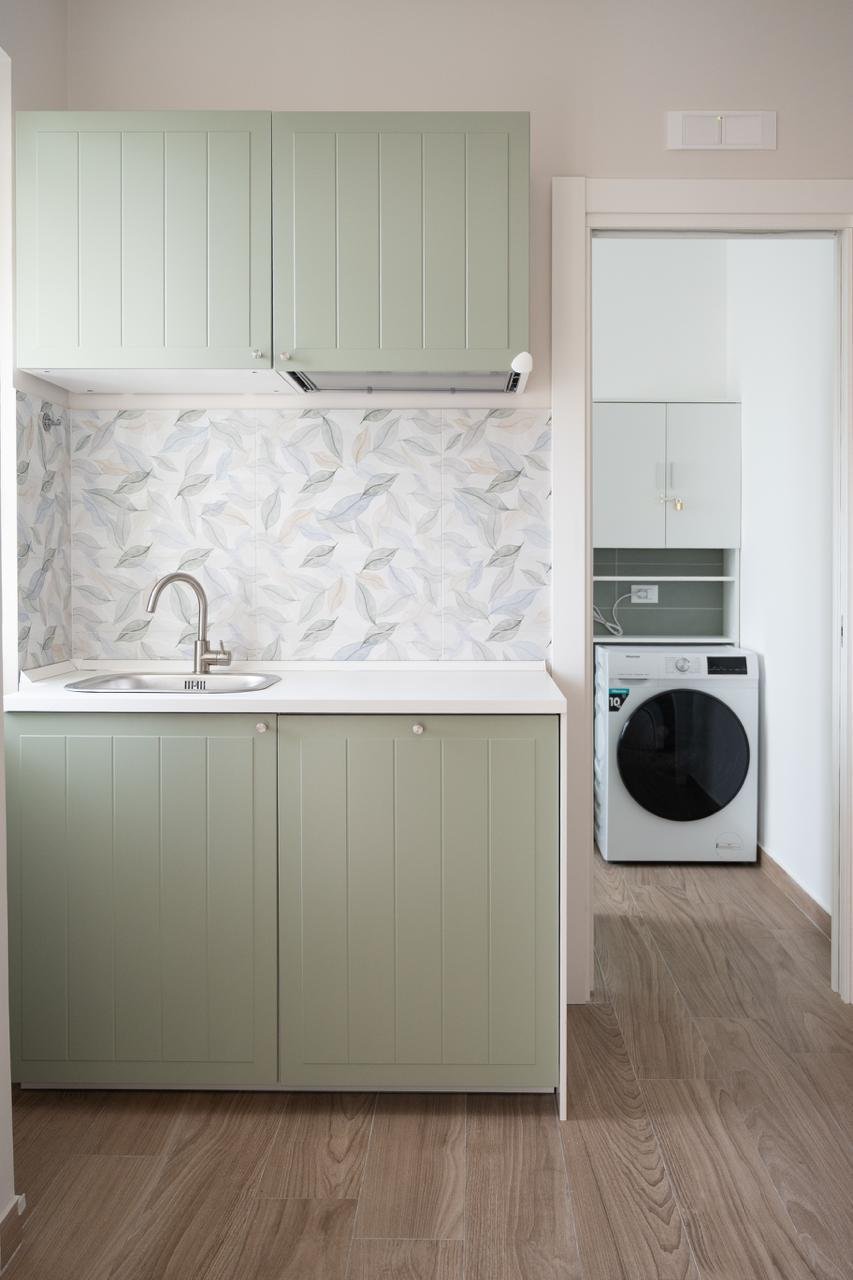
Returning to a welcoming and well-equipped room is vital when your days are filled with hiking through gorges and climbing ancient cobblestone streets. Whether you prefer a modern suite near the beach or a cozy room closer to the historic centers, the area offers excellent hospitality that blends modern comfort with traditional Calabrian warmth.
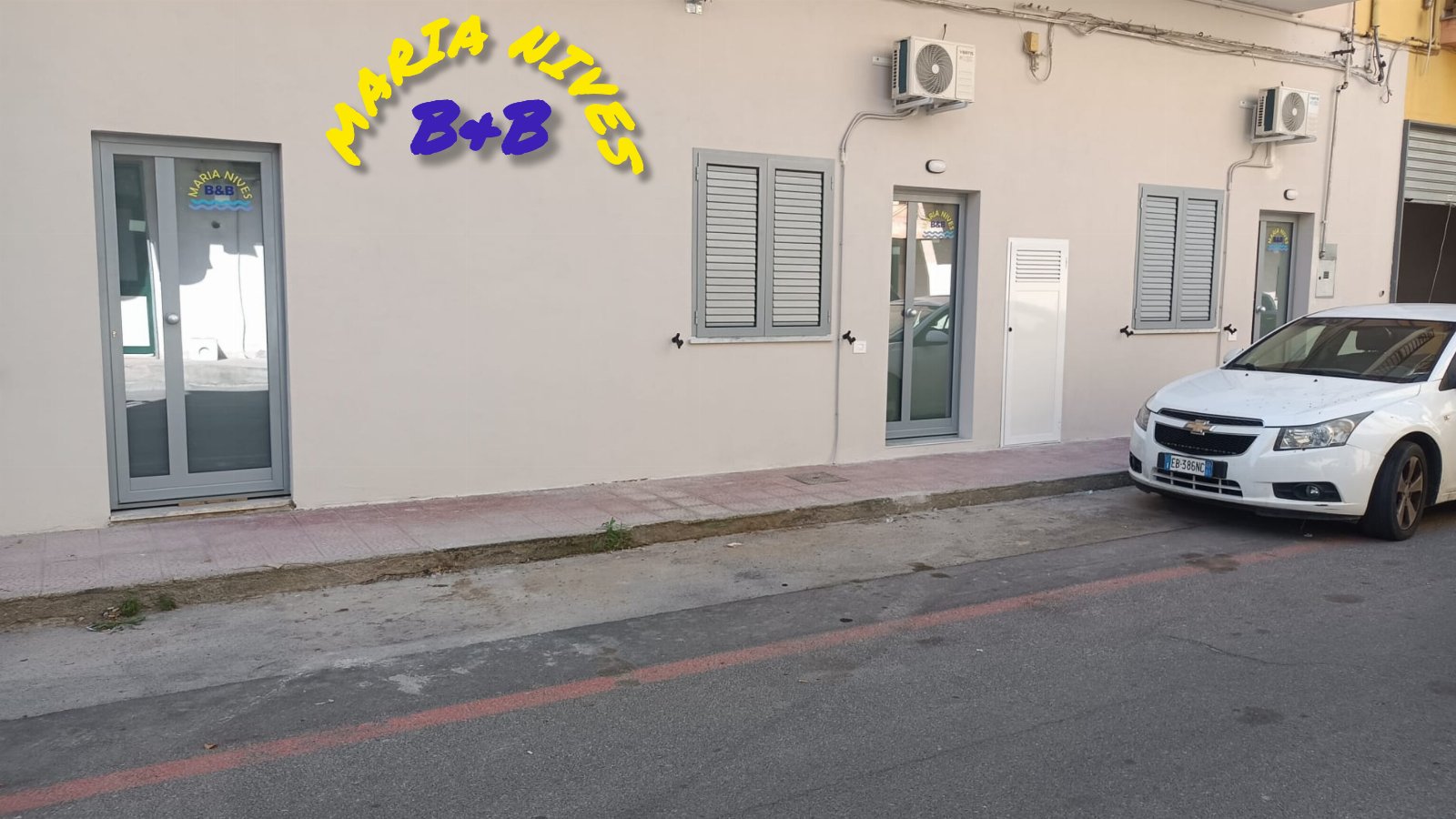
In Corigliano-Rossano, 3 selected accommodations are available. Discover accommodations in Corigliano-Rossano.