The Ultimate 3-Day Itinerary: Discovering Vibo Marina, Calabria
Calabria is a land of hidden treasures, where the rugged mountains meet the crystalline embrace of the Tyrrhenian Sea. Nestled in the heart of the "Costa degli Dei" (Coast of the Gods), Vibo Marina serves as the perfect gateway to explore this mesmerizing region. Often overlooked in favor of more commercialized hubs, this vibrant port town offers an authentic slice of Italian life, blending maritime traditions with a culinary heritage that will leave you yearning for more. Whether you are seeking golden sunsets, historical depths, or the simple pleasure of a seaside espresso, this three-day itinerary will guide you through the very best of Vibo Marina and its surroundings.
Choosing to base yourself in this strategic location allows you to experience the best of both worlds: the bustling energy of a working harbor and the proximity to some of the most iconic landscapes in Southern Italy. As a travel writer who has traversed every corner of this sun-drenched peninsula, I can assure you that Vibo Marina is not just a transit point, but a destination in its own right. With this guide, you will navigate the local culture, uncover secret coves, and taste the fiery, soul-warming flavors that define Calabrian identity.
Day 1 — Discovering Vibo Marina: Maritime Charm and Local Flavors
Start your first morning by embracing the rhythm of the port. Vibo Marina is a functional, living town, and there is no better way to feel its pulse than by strolling along the harbor as the fishing boats return with their daily catch. Take a moment to admire the lighthouse, which has guided sailors for generations, and breathe in the salty air mixed with the scent of freshly brewed espresso from the nearby cafes. Wander toward the waterfront promenade, where the palm-fringed walkway offers spectacular views of the Aeolian Islands on a clear day, creating a backdrop that feels almost cinematic.
As the afternoon sun climbs higher, dive into the local markets and the quaint streets that climb away from the water. Unlike the polished tourist traps, the markets here are filled with the authentic hustle and bustle of residents selecting the finest "cipolla rossa di Tropea" (Tropea red onions) and locally produced artisanal cheeses. Take a slow walk through the town center, stopping at small artisan shops where you might find handmade ceramics or local textiles. The charm of Vibo Marina lies in its unpretentious authenticity; it is a place where you can sit on a bench, watch the locals go about their day, and truly feel like a guest rather than a tourist.
When evening falls, the town transforms into a lively social hub. The waterfront restaurants begin to glow with warm light, and the air fills with the sound of laughter and clinking glasses. This is the time to indulge in a traditional Calabrian dinner, focusing on the bounty of the sea. Look for dishes featuring "pesce spada" (swordfish) or local pasta specialties like "fileja" served with a robust tomato and meat ragu. After dinner, join the local "passeggiata" (evening stroll) along the pier, perhaps stopping for a scoop of artisan gelato while the stars reflect off the calm Tyrrhenian waters.
Day 2 — Excursions in the Surroundings: Sun, Sea, and Ancient History
On your second day, it is time to venture beyond the harbor. Vibo Marina is perfectly positioned for day trips to some of Calabria’s most breathtaking locations. A short drive south brings you to Pizzo Calabro, a perched village known for its stunning castle and its legendary "Tartufo" ice cream. Spend your morning wandering the narrow, labyrinthine alleys of Pizzo's old town, and don't miss the Chiesetta di Piedigrotta, a unique church carved directly into the seaside rock, filled with statues that seem to emerge from the stone itself.
If you prefer the allure of ancient history, head inland to Vibo Valentia, the hilltop city that overlooks the marina. Here, you can explore the Norman-Swabian Castle, which houses the State Archaeological Museum. The museum holds a wealth of artifacts from the Greek period, including the famous "Laminetta Aurea," a golden plate with Orphic inscriptions. The view from the castle walls offers an unparalleled panorama of the entire Gulf of Sant'Eufemia, a sight that perfectly encapsulates the strategic importance of this region throughout the centuries.
For those who crave natural beauty, the afternoon should be dedicated to the beaches of the "Costa degli Dei." Drive toward Tropea, the "Pearl of the Tyrrhenian." The coastline here is defined by dramatic cliffs and secluded bays with water so clear it looks like liquid glass. Whether you choose to swim at the base of the Santa Maria dell'Isola monastery or find a hidden cove near Capo Vaticano, the experience is transformative. The contrast between the rugged, sun-baked rock and the deep turquoise sea is a hallmark of this stretch of the Calabrian coast, providing the perfect end to a day of exploration.
Day 3 — Sea, Nature, or Culture: Choose Your Adventure
On your final day, you have the freedom to curate your own experience based on your personal travel style. If you are a sea-lover, embark on a boat excursion to the Aeolian Islands, which are clearly visible from the coast. Several ferries depart from the harbor, taking you to the volcanic wonders of Stromboli or the chic shores of Panarea. It is a full-day commitment, but the sight of the active volcano puffing smoke against the horizon is an experience that stays with you for a lifetime. If you prefer to stay closer to home, rent a private boat to explore the hidden grottoes along the coast that are inaccessible by foot.
For those who prefer nature, head toward the Serre Regional Park, an emerald oasis in the Calabrian interior. The landscape changes dramatically from the arid Mediterranean coast to lush, dense forests of beech and fir trees. Hike to the Charterhouse of Serra San Bruno, a silent and solemn monastery that offers a deep sense of peace and spiritual grounding. The mountain air here is crisp and cool, providing a welcome respite from the coastal heat, and the hiking trails are dotted with mountain springs and ancient shrines that invite contemplation.
If culture is your priority, dedicate your third day to a "Gourmet and History Tour." Start by visiting a local winery in the hills behind Vibo, where the volcanic soil produces unique, full-bodied red wines like the Gaglioppo. Learn about the ancient viticulture traditions of Magna Graecia. In the afternoon, return to the coast to visit the ruins of ancient Hipponion. Walking through these archaeological sites while the sun sets over the Mediterranean is a profound way to connect with the deep, layered history of the region. Whichever path you choose, you will find that Vibo Marina serves as the ideal anchor for your journey.
Where to Eat During the Itinerary
Dining in Calabria is an experience that demands time and an appetite. For your first night, I highly recommend "Ristorante Il Molo" in Vibo Marina, where the seafood is caught daily and the service is exceptionally warm. Expect to pay around €30-40 per person for a full meal with wine. In Pizzo, you must stop at one of the cafes in the main piazza to try the original Tartufo di Pizzo; it is a budget-friendly treat at around €5-7, but an essential part of the cultural experience.
For your second day, if you are in Vibo Valentia, look for a traditional "Trattoria" serving "Fileja alla Silana." These local restaurants often offer fixed-price menus for lunch, usually ranging from €15 to €25, which provide excellent value. For a more upscale experience, seek out the seaside restaurants near Capo Vaticano that specialize in "Pesce Spada alla ghiotta" (swordfish with olives, capers, and tomatoes). Always ask for the "vino della casa," which is typically sourced from local vineyards and is both affordable and high quality.
Remember that in smaller towns, restaurants may have strict opening hours, usually closing between 3:00 PM and 7:30 PM. Always check the local listings or ask your hosts for recommendations. Tipping is not mandatory in Italy, but leaving a few euros for excellent service is always appreciated. Calabrian food is famously spicy, thanks to the ubiquitous "peperoncino," so if you have a low tolerance for heat, always ask the server before ordering.
Where to Sleep
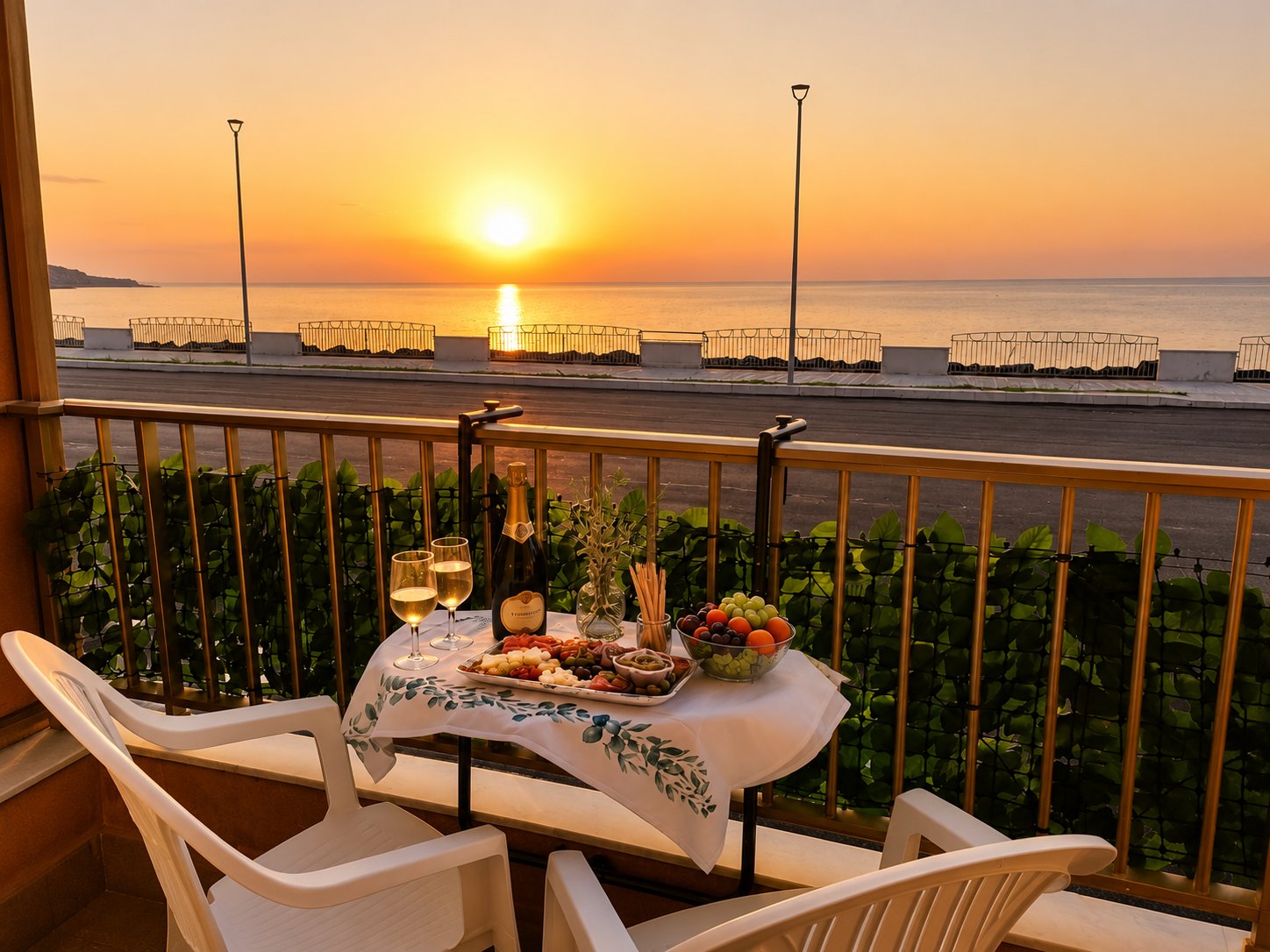
Finding the right accommodation is key to enjoying the laid-back atmosphere of the coast. A Vibo Marina sono disponibili 1 alloggi selezionati. Scopri gli alloggi a Vibo Marina. Staying in a local room or apartment allows you to live like a resident, with the freedom to prepare your own coffee in the morning or enjoy a glass of wine on a balcony overlooking the harbor. These accommodations are often managed by locals who can provide insider tips on the best beaches or the most authentic markets, making your stay much more personal than a standard hotel experience.
How to Get There and Move Around
The most convenient way to reach Vibo Marina is by flying into Lamezia Terme International Airport (SUF), which is approximately 30 minutes away by car. From the airport, you can rent a car, which is highly recommended for exploring the surrounding hills and beaches at your own pace. If you prefer public transport, there is a train station at Vibo-Pizzo that connects to the main national lines, though having a vehicle will significantly expand your horizons and allow you to reach the more secluded spots.
Driving in Calabria is a beautiful experience, with winding coastal roads offering dramatic views, but be prepared for narrow streets in the historic centers. If you are traveling by train, the Trenitalia website is your best friend for checking schedules and purchasing tickets. For shorter distances within the town, walking is the best way to soak in the atmosphere. Always ensure you have a reliable GPS app, as some of the most beautiful mountain roads are not well-signposted.
Budget and Practical Tips
Calabria remains one of the most affordable regions in Italy. A daily budget of €70-€100 per person is sufficient for a comfortable experience, including meals, accommodation, and small excursions. When it comes to shopping, bring home some local "nduja" (a spicy, spreadable pork sausage) or a bottle of extra virgin olive oil from the local hills—these are the true flavors of the region. You will find that markets are often cheaper than tourist-focused boutiques.
In terms of technology, download "Google Maps" for offline navigation and "The Fork" or "TripAdvisor" to check restaurant reviews on the fly. Don't forget to pack comfortable walking shoes, as the historic centers are often paved with cobblestones, and a light jacket for the evenings, especially if you plan to visit the higher altitudes of the Serre mountains. Most importantly, bring a curious spirit and a relaxed pace; in Calabria, time moves a little slower, and that is exactly how it should be.