The Ultimate 3-Day Itinerary: Rossano, Calabria and Beyond
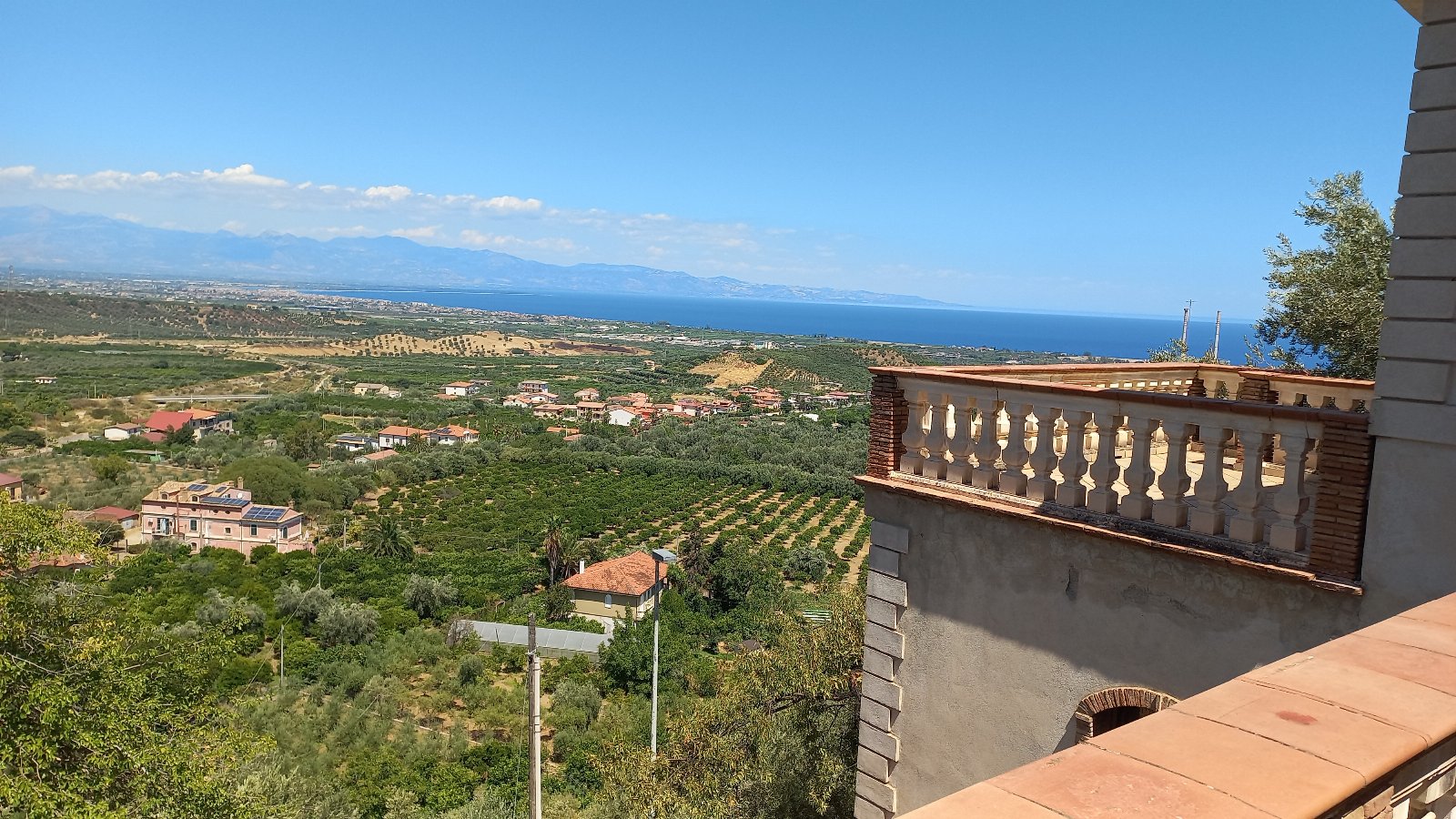
Calabria is a land of untamed beauty, where the rugged peaks of the Sila Mountains plunge into the shimmering turquoise waters of the Ionian Sea. Nestled in this dramatic landscape lies Rossano, a city of immense historical and cultural significance. Known as the "Byzantine City," Rossano serves as the perfect base for travelers looking to uncover the hidden gems of Northern Calabria. Whether you are a history buff, a nature lover, or a culinary enthusiast, this three-day itinerary will guide you through the heart of the region.
Planning an itinerary Rossano Calabria allows you to experience a side of Italy that remains authentic, uncrowded, and deeply rooted in tradition. From the gold-leaf illuminated manuscripts of the Codex Purpureus to the sun-drenched beaches of the Ionian coast, Rossano offers a captivating blend of heritage and Mediterranean charm. Prepare to be enchanted by narrow cobblestone alleys, ancient cathedrals, and the warm, generous hospitality that defines the Calabrian spirit.
Giorno 1 — Scopri Rossano: History and Local Soul
Begin your morning in the historic center of Rossano, a hilltop district that feels like a portal to the past. Your first stop must be the Diocesan Museum, home to the world-famous Codex Purpureus Rossanensis, a 6th-century Greek Gospel book recognized by UNESCO as a Memory of the World. The sight of these ancient, purple-dyed parchment pages is truly humbling. Afterward, take a short walk to the Cathedral of Maria Santissima Achiropita. The architecture here tells a story of centuries of Byzantine and Norman influence, with stunning frescoes and a serene atmosphere that invites quiet reflection.
In the afternoon, immerse yourself in the authentic rhythm of the city. Wander through the labyrinthine alleys of the old town, where you will find small, artisan workshops and local markets selling everything from hand-woven textiles to dried oregano and chili peppers—the heartbeat of Calabrian cuisine. Stop by a local pasticceria to sample "conchigliette" or other traditional sweets. As you walk, notice the majestic balconies and the weathered stone facades that tell tales of aristocratic families who once called these streets home.
As evening falls, the city transforms. The atmosphere becomes lively as locals gather in the piazzas for their evening stroll, the "passeggiata." For dinner, seek out a traditional trattoria where you can taste "lagane e cicciari" (pasta with chickpeas) or the famous "sardella," a spicy fish preserve that is a staple of the Ionian coast. End your night in a local wine bar, sipping a glass of robust Cirò wine, and soak in the views of the valley stretching toward the sea. If you are looking for a central place to stay, you can explore accommodation options in Rossano to be right in the middle of the action.
Giorno 2 — Escursioni nei dintorni: Coastal Treasures and Mountain Vistas
For your second day, venture beyond the city walls to explore the diverse landscapes of Northern Calabria. Start your morning with a drive toward Corigliano-Rossano’s coastline. The beaches here are vast and pristine, offering a perfect escape for a morning dip in the Ionian Sea. The water is crystalline, and the lack of mass tourism means you can often find a quiet spot to yourself, even in the height of summer. It is the ideal place to recharge before heading into the mountains.
In the afternoon, drive up toward the Sila National Park. The transition from the coastal Mediterranean scrub to the dense, ancient pine forests of the Sila is nothing short of magical. Stop at the village of Longobucco, famous for its centuries-old tradition of hand-loomed textiles. The air here is crisp and cool, a refreshing contrast to the coastal heat. Take a hike along the marked trails of the Sila, where you might spot local wildlife or simply enjoy the silence of the woods. This area offers some of the most breathtaking panoramic views in all of Southern Italy.
On your way back to Rossano, stop by the ruins of the Patirion Abbey (Santa Maria del Patire). Perched on a hill overlooking the sea, this 11th-century Basilian monastery is a masterpiece of Romanesque and Byzantine architecture. The mosaic floors are particularly well-preserved, and the sense of solitude in this elevated spot is profound. Returning to the coast for the sunset is a must, as the sky turns shades of orange and pink over the Ionian horizon, creating the perfect backdrop for a relaxing evening.
Giorno 3 — Mare, natura o cultura: Choose Your Adventure
On your final day, customize your experience based on your personal interests. If you crave the sea, head south to the Sibari plain. Visit the Archaeological Park of Sibari, once one of the wealthiest cities in Magna Graecia. The site is vast, and the museum houses exquisite artifacts that highlight the area's ancient importance. It is a fascinating journey into the roots of Mediterranean civilization, set against a backdrop of modern agricultural fields.
Alternatively, if you prefer nature, spend the day exploring the Odissea 2000 water park if you are traveling with family, or take a scenic drive toward the Pollino National Park. As the largest national park in Italy, it offers dramatic limestone peaks and the rare Bosnian Pine. The hiking trails here are world-class, ranging from easy forest walks to challenging climbs for experienced trekkers. It is a paradise for those who want to experience the wild, untamed side of the Calabrian landscape.
For those interested in culture and gastronomy, spend your final day in the village of Altomonte. Known as one of the "Borghi più belli d'Italia" (most beautiful villages in Italy), it is a stunning hilltop town with a rich artistic heritage. Visit the church of Santa Maria della Consolazione, a jewel of Gothic art, and finish your day with a long, slow lunch featuring local specialties like "strangugghia" pasta with meat sauce and local cheeses. It is a slow, deliberate way to end your journey through this magnificent region.
Dove mangiare durante l'itinerario
Calabrian food is legendary for its bold, spicy flavors. During your stay, prioritize restaurants that use "km 0" ingredients. In the old town of Rossano, look for family-run taverns serving "pitticelle" (potato fritters) and local cured meats like the famous "soppressata." For a mid-range budget, you can expect to pay around 25-35 euros for a full, high-quality meal including wine.
Do not leave without trying the local olive oil, which is considered some of the best in Italy, and the "liquirizia" (licorice) from Rossano, which is famous globally. Many restaurants will offer a small glass of licorice liqueur as a digestif after your meal. Whether you choose a simple seaside shack for fresh fried fish or a refined restaurant in the historic center, the quality of the ingredients will always be the highlight of your culinary experience.
Dove dormire
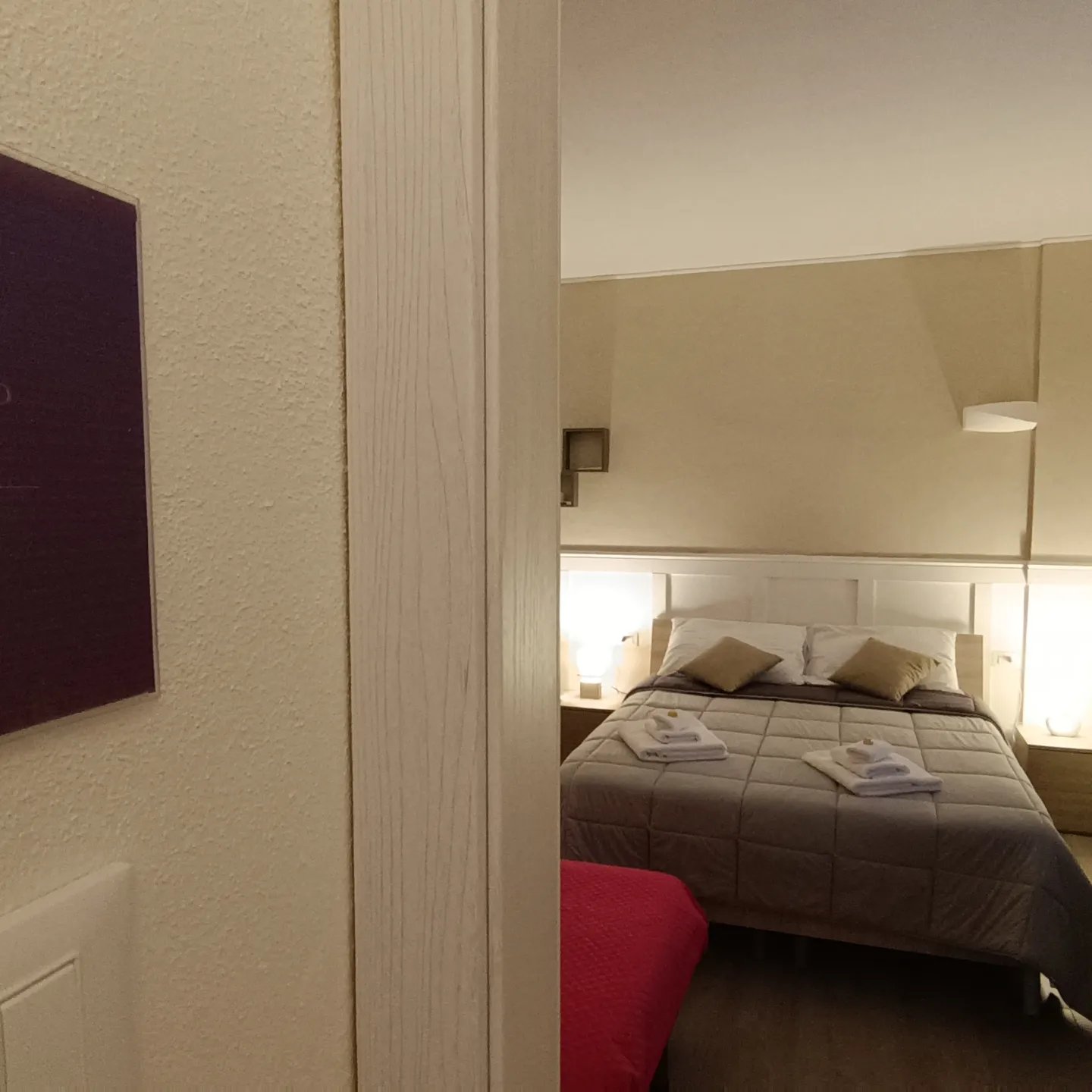
Staying in Rossano allows you to balance history with accessibility to the coast. You can find everything from boutique B&Bs in historic palazzos to modern apartments near the beach. A central location is recommended for those who want to enjoy the evening atmosphere of the town. A Rossano sono disponibili 7 alloggi selezionati. Scopri gli alloggi a Rossano to find the perfect base for your trip.
Come arrivare e muoversi
The most convenient way to reach Rossano is by car, which gives you the freedom to explore the surrounding mountains and hidden coastal spots. If you are flying in, Lamezia Terme (SUF) is the primary international airport, located about a 90-minute drive away. Alternatively, you can reach Rossano by train, as it is connected to the regional rail network, though service can be slower than driving.
Once you are in the area, having a rental car is highly advised. Public transportation exists but is not frequent enough to reach the more remote mountain villages or secluded beaches efficiently. The roads are generally well-maintained, and driving along the Ionian coast offers some of the most scenic routes in the entire region of Calabria.
Budget e consigli pratici
Calabria is significantly more affordable than the northern regions of Italy. A daily budget of 70-100 euros per person (excluding flights) will allow for comfortable accommodation, great meals, and entrance fees to historical sites. Always carry some cash, as smaller artisan shops or remote mountain cafes may not always accept credit cards.
When shopping, look for local crafts like ceramics or the traditional textiles from Longobucco. Download the "Google Maps" app for navigation and "TripAdvisor" or "TheFork" for restaurant reviews. Remember that the "siesta" is still a real thing in smaller towns—many shops close between 1:30 PM and 4:30 PM. Embrace this slow pace; it is part of the charm of living the Calabrian life. Plan your visit during the shoulder seasons (May-June or September-October) to enjoy the best weather and avoid the peak summer crowds.