The Ultimate 3-Day Itinerary for Roseto Capo Spulico, Calabria
Welcome to the sun-drenched coast of Northern Calabria, where the Ionian Sea kisses the rugged cliffs of the Pollino National Park. Roseto Capo Spulico is not just a destination; it is an experience that bridges the gap between medieval history and Mediterranean bliss. As a travel writer who has traversed every inch of this region, I can confidently say that this corner of the "toe of the boot" remains one of Italy's best-kept secrets. Whether you are a history buff, a beach lover, or a culinary explorer, this itinerary will guide you through the hidden gems of this enchanting coastal town.
Planning an itinerary in Roseto Capo Spulico, Calabria, requires a balance of leisure and exploration. The town is famous for its unique "Castello Federiciano," a fortress that seems to float above the waves, and its pristine pebble beaches that offer some of the clearest water in the entire region. Over the next three days, you will immerse yourself in the slow-paced lifestyle of Southern Italy, discovering the flavors, sounds, and vistas that make Calabria a truly unforgettable destination for those seeking an authentic Italian escape.
Giorno 1 — Scopri Roseto Capo Spulico: mattina, pomeriggio e sera
Start your first morning by walking through the narrow, winding alleys of the historic center, known as the "Borgo." Unlike the modern seaside area, the old town sits on a hill, offering panoramic views of the Ionian coastline. Make your way to the Chiesa Matrice, dedicated to San Nicola di Mira, where the architecture reflects the various dominations that have shaped this land. The morning air is crisp, and the silence of the village streets allows you to truly appreciate the ancient stone houses and the floral balconies that define the aesthetic of this charming place.
In the afternoon, head down toward the coast to witness the majestic Castello Federiciano. This fortress, built by Frederick II of Swabia, is the crown jewel of the town. Spend your hours lounging on the nearby beach, where the white pebbles and deep blue water create a stunning contrast. If you are visiting during the warmer months, take a refreshing dip while admiring the castle walls that loom directly over the sea. For those who prefer a bit of local interaction, the seaside promenade is the perfect place to grab a gelato and mingle with the locals during the "passeggiata," a quintessential Italian tradition.
As evening falls, the town transforms. The lights from the castle illuminate the shoreline, creating a romantic and mystical atmosphere. For dinner, look for a traditional trattoria that specializes in local seafood. Order the "alici" (anchovies), which are a staple of the local diet, and pair them with a glass of crisp white wine from the nearby hills. If you are looking for a place to stay, you can find excellent options by checking out Roseto Capo Spulico, which offers a variety of accommodations to suit every traveler's needs.
Giorno 2 — Escursioni nei dintorni: mete raggiungibili in giornata
On your second day, it is time to venture beyond the town limits. A short drive away lies the majestic Pollino National Park, the largest protected area in Italy. This landscape is a dramatic shift from the coast, offering jagged peaks, ancient pine forests, and cool mountain air. You can spend the morning hiking the trails that lead to the "Pini Loricati," the rare and ancient trees that are the symbol of the park. The contrast between the salty sea air of the morning and the earthy, pine-scented breeze of the mountains is a highlight of any Calabrian trip.
In the afternoon, head toward the nearby town of Amendolara, famous for its "secca" (a shallow area in the sea) and its historic center. Alternatively, visit the ruins of Sybaris, an ancient Greek colony that was once one of the wealthiest cities in the world. The archaeological park provides a fascinating glimpse into the Magna Graecia period, where you can walk through the foundations of temples and houses that date back thousands of years. It is a humbling experience to stand where ancient civilizations once thrived, providing a deep historical context to your journey.
As you return to the coast, consider stopping at a local vineyard. The Alto Ionio region is gaining international recognition for its bold red wines, particularly those made from the Magliocco grape. Many wineries offer tastings paired with local cheeses and cured meats like the famous "soppressata." This is an excellent way to wind down after a day of exploring, allowing you to connect with the land through its flavors. For those planning their trip, remember that finding the right base is essential, so consider looking at the listings for Roseto Capo Spulico to ensure you have a comfortable home base.
Giorno 3 — Mare, natura o cultura: scegli la tua avventura
For your final day, I suggest choosing one of three distinct paths based on your personal interests. If you choose the "Mare" (Sea) path, spend your day on a boat excursion along the coast. You will discover hidden sea caves and secluded coves that are inaccessible by foot. Snorkeling in these clear waters is a must, as the seabed is teeming with colorful marine life and ancient artifacts that have rested there for centuries. It is the ultimate way to bid farewell to the Ionian Sea.
If you prefer the "Natura" (Nature) path, head inland to the Gole del Raganello. These deep, dramatic canyons carved by the river offer an adrenaline-fueled adventure. You can go canyoning or simply hike the paths that skirt the edges of the gorge, enjoying the sheer scale of the rock formations. The sound of the rushing water and the sight of eagles circling above create an immersive wilderness experience that feels a world away from the tourist crowds. It is raw, beautiful, and deeply rejuvenating.
Finally, the "Cultura" (Culture) path invites you to explore the nearby village of Civita. This is an Arbëreshë village, where a unique Albanian-influenced culture has been preserved for centuries. Wander through the streets to see the "kulla" (defensive houses) and enjoy the distinctive folk music and cuisine that sets this village apart from the rest of Calabria. Visit the Ethnographic Museum to understand the history of this resilient community. It is a profound cultural immersion that adds a layer of depth to your visit to Roseto Capo Spulico and its surrounding territories.
Dove mangiare durante l'itinerario — ristoranti consigliati
Calabrian cuisine is robust, spicy, and deeply tied to the seasons. In Roseto Capo Spulico, you must try the "pasta con la mollica," a simple yet flavorful dish made with toasted breadcrumbs, anchovies, and chili. For a mid-range budget, look for trattorias in the historic center that serve "lagane e ceci," a traditional pasta dish that dates back to Roman times. Expect to pay around 25-35 euros for a full meal including wine.
For a more upscale dining experience, head to the restaurants near the castle. Many offer terraces overlooking the sea, providing the perfect backdrop for a dinner of fresh catch-of-the-day fish prepared with local olive oil and herbs. Do not miss the local "peperoncino" (chili pepper), which is used in almost everything—from pasta sauces to jams. If you are on a tighter budget, grab a "panino" filled with local capocollo and pecorino cheese from a deli in the town center; it is the perfect companion for a day at the beach.
Dove dormire
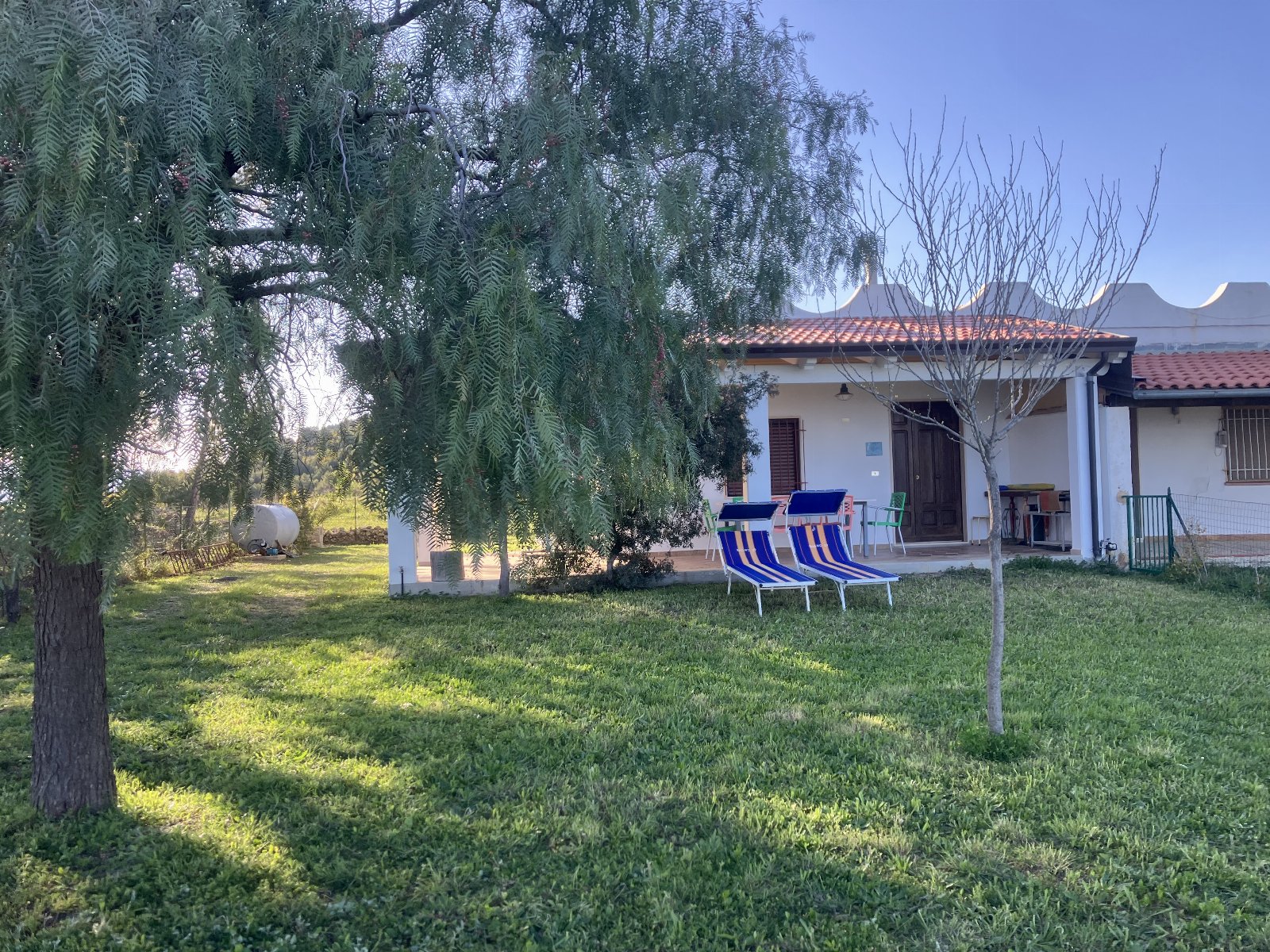
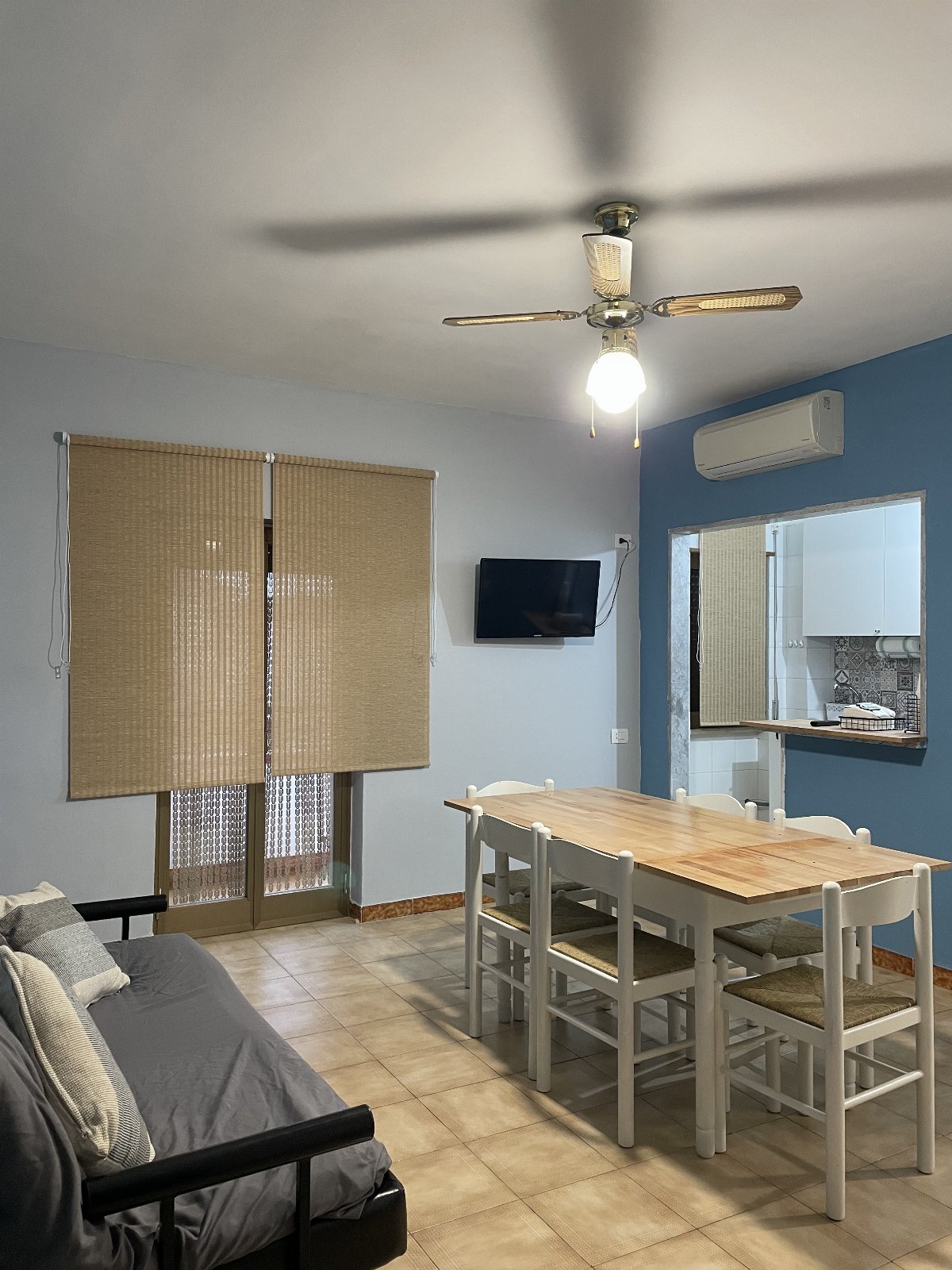
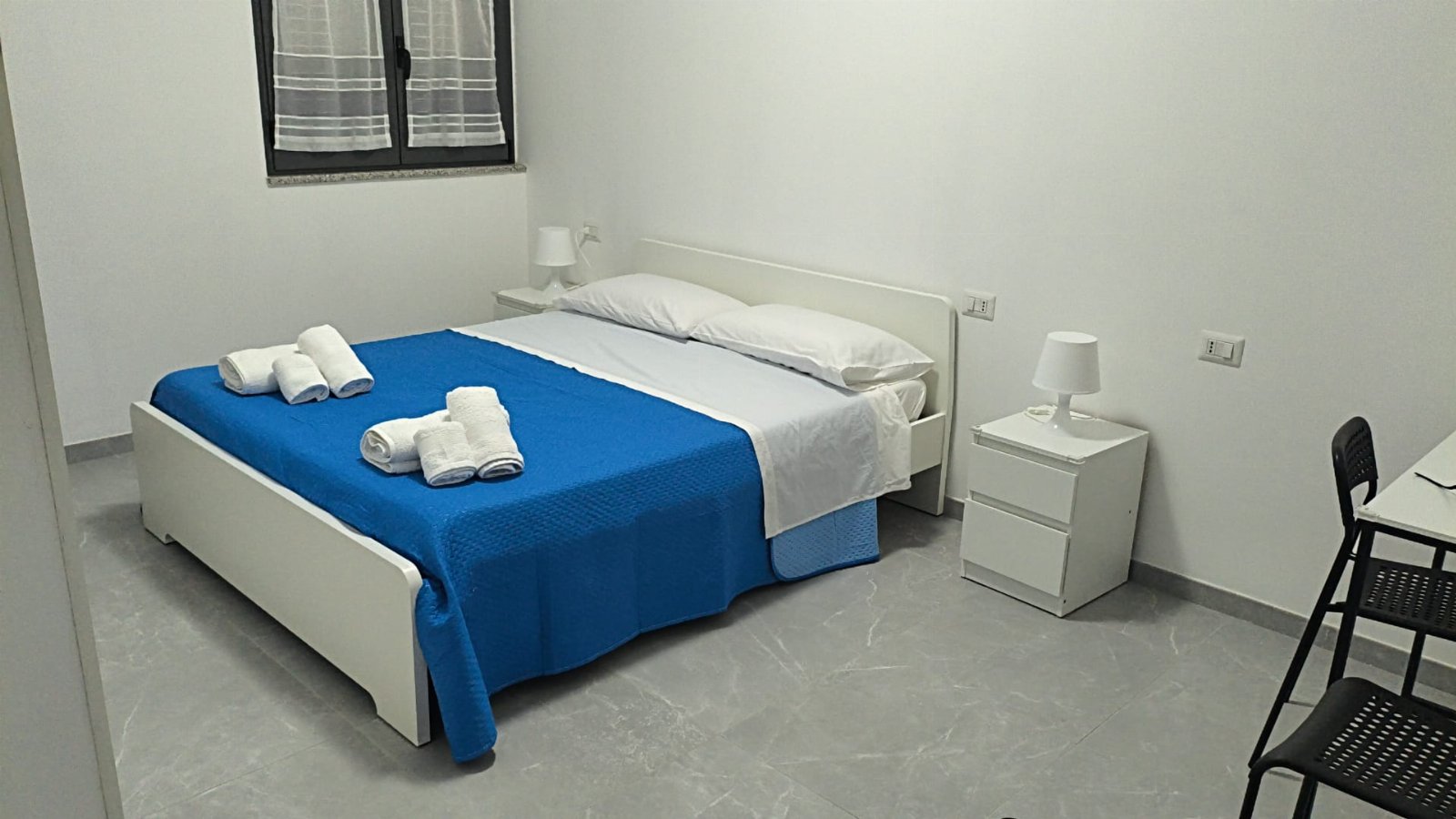
Choosing the right accommodation is key to enjoying the laid-back rhythm of this town. Staying in the area allows you to wake up to the sound of the waves and enjoy the evening breeze from the Ionian Sea. Whether you prefer a boutique bed and breakfast or a self-catering apartment, you will find options that reflect the authentic hospitality of the region. A Roseto Capo Spulico sono disponibili 1 alloggi selezionati. Scopri gli alloggi a Roseto Capo Spulico.
Come arrivare e muoversi
The most convenient way to reach this part of Calabria is by car. If you are flying in, the Lamezia Terme International Airport is the main hub, located about two hours away by highway. From there, renting a car is highly recommended as public transport to the more remote areas of the Pollino or smaller villages can be infrequent. The SS106 Ionica is the main artery that connects the coastal towns, offering a beautiful drive with sea views.
If you prefer to arrive by train, the nearest major station is Sibari. From Sibari, you can take a regional train or a local bus to reach the town. Once in the area, having your own vehicle gives you the freedom to explore at your own pace, which is essential for a three-day trip. Distances between the main sights are manageable, but the winding mountain roads require a bit of patience and a good sense of direction.
Budget e consigli pratici
A comfortable daily budget for a traveler in this region is approximately 70-100 euros, covering accommodation, meals, and activities. Prices are generally lower than in the major tourist hubs of Northern Italy, making it an excellent value-for-money destination. When shopping for souvenirs, look for local olive oil, dried chili peppers, and handmade ceramics. These items are not only beautiful but also support the local artisans and farmers who keep these traditions alive.
For navigation, download an offline map app, as mobile signal can be spotty in the mountain areas of the national park. Also, keep in mind that many small shops close during the afternoon for the traditional "riposo." Plan your shopping and sightseeing accordingly. Finally, learn a few basic Italian phrases; the locals in this part of Calabria are incredibly hospitable and will greatly appreciate your effort to connect with their culture and language.