The Ultimate 3-Day Itinerary Locri Calabria: A Journey Through Time and Nature
Welcome to the sun-drenched shores of the Ionian Coast, a place where ancient history and pristine nature collide to create the perfect Mediterranean escape. If you are planning a trip to the deep south of Italy, crafting the perfect itinerary Locri Calabria is the best way to ensure you experience the authentic heart of Magna Graecia. Far from the overcrowded tourist traps of northern Italy, Locri offers a genuine, unfiltered look into a region rich with archaeological wonders, mouth-watering cuisine, and breathtaking landscapes.
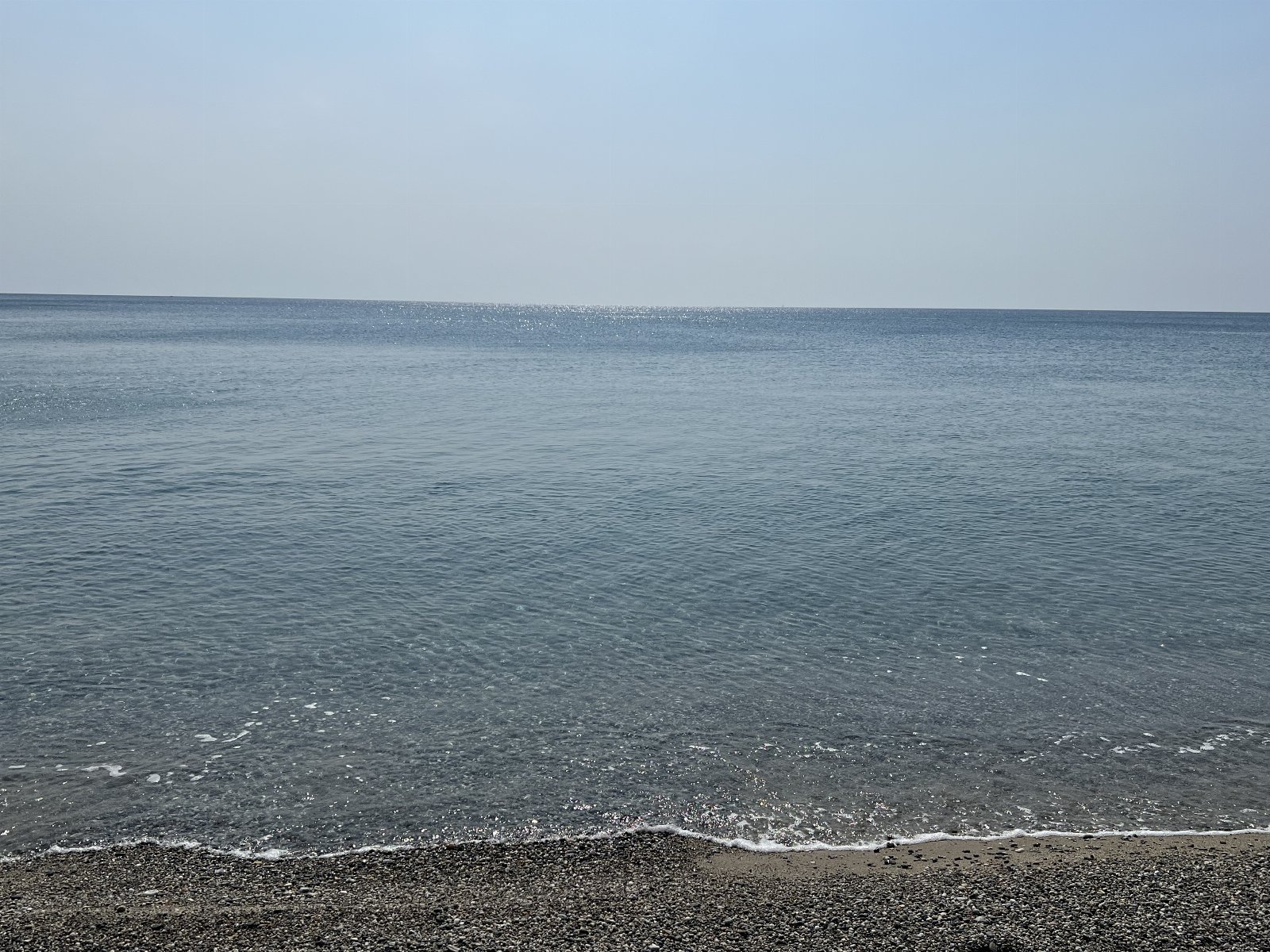
This comprehensive three-day guide is designed to help you navigate the very best of the Riviera dei Gelsomini (the Jasmine Coast). Whether you are an avid history buff, a lover of rugged mountain hikes, or simply someone who wants to relax by the azure waters of the Ionian Sea, this itinerary provides a balanced mix of exploration and relaxation. Prepare to immerse yourself in a land where ancient Greek echoes still resonate through the olive groves.
Giorno 1 — Scopri Locri: mattina (attrazioni principali), pomeriggio (mercati, passeggiate), sera (cena tipica, locali)
Your first morning in Locri should be dedicated to unraveling its glorious past. Start your day at the Locri Epizephyrii Archaeological Park, one of the most important historical sites in all of southern Italy. Founded by the Greeks in the 8th century BC, this sprawling complex allows you to walk among the ruins of ancient temples, defensive walls, and the fascinating Sanctuary of Persephone. Take your time wandering through the on-site museum, which houses an incredible collection of terracotta votives, ancient coins, and intricate artifacts that tell the story of a once-thriving maritime republic.
As the midday sun peaks, transition from the ancient world to the modern rhythm of the town. Spend your afternoon strolling along the vibrant Lungomare (sea promenade). Here, you can feel the gentle sea breeze and watch the locals go about their daily routines. If you happen to visit on a market day, dive into the bustling street stalls where vendors sell everything from fresh seasonal produce to handmade calabrian crafts. It is the perfect opportunity to grab a quick, refreshing gelato and practice a few words of Italian with the welcoming locals.
When evening falls, the town comes alive with a warm, inviting energy. For your first dinner, seek out a traditional trattoria tucked away in the side streets off the main piazza. Start your meal with a generous antipasto platter featuring local cured meats and cheeses, followed by a hearty plate of homemade pasta. Pair your dinner with a glass of Greco di Bianco, a highly prized local wine with ancient origins. After dinner, enjoy a leisurely passeggiata (evening stroll) along the illuminated promenade, stopping at a local lounge bar for a nightcap or an artisanal digestif like Amaro del Capo.
Giorno 2 — Escursioni nei dintorni: mete raggiungibili in giornata, paesaggi, spiagge o borghi da visitare
On your second day, it is time to venture just beyond the city limits to discover the enchanting hilltop villages that watch over the Ionian Sea. A short, scenic drive inland will take you to Gerace, widely considered one of the most beautiful medieval villages in Italy. Perched on a massive sandstone rock, Gerace is often referred to as the "City of a Hundred Churches." Spend your morning exploring the winding cobblestone alleys, admiring the Norman-Byzantine architecture, and visiting the majestic Gerace Cathedral, the largest religious building in Calabria.
After soaking in the medieval atmosphere, use the afternoon to explore the surrounding landscapes. The drive back down towards the coast offers spectacular panoramic views where the rugged foothills of the Aspromonte mountains meet the sparkling blue sea. You might choose to stop at the Antonimina thermal baths for a rejuvenating soak in waters known for their healing properties since antiquity, or simply find a quiet, hidden cove along the Jasmine Coast to relax on the warm, white sand for a few hours.
As the sun begins to set, the surrounding landscape takes on a golden hue that is truly mesmerizing. Stay in the hills for dinner to experience a different side of Calabrian cuisine. The mountain villages specialize in robust, earthy flavors. Look for a rustic agriturismo where you can dine on slow-cooked goat, wild boar, and pasta infused with rich, savory ragù. Dining under the stars, surrounded by ancient olive trees and the distant sound of goat bells, is an experience that will anchor your memories of Calabria forever.
Giorno 3 — Mare, natura o cultura: scegli la tua avventura con 3 alternative dettagliate
For your final day, this itinerary offers three distinct paths, allowing you to tailor the experience to your personal travel style. Option 1: The Beach Lover's Dream. If you want to maximize your time by the water, head slightly north to Roccella Ionica. This town boasts a stunning coastline that frequently wins the prestigious Blue Flag award for cleanliness and sustainability. Spend the day lounging under an umbrella, swimming in the crystal-clear Ionian waters, and enjoying fresh seafood lunches at a beachfront lido. The backdrop of the Carafa Castle overlooking the beach adds a touch of historical drama to your relaxing day.
Option 2: The Nature Enthusiast's Trek. If you crave fresh mountain air, drive up into the heart of the Aspromonte National Park. This rugged, wild territory is a paradise for hikers. You can embark on a guided trek to the Cascate del Marmarico, the tallest waterfalls in the southern Apennines, or wander through dense forests of beech and Calabrian pine. The park is also home to fascinating biodiversity and small, isolated communities where ancient Greek dialects are still spoken. It is a brilliant way to experience the untamed natural beauty of the region before returning to your accommodations in Calabria.
Option 3: The Cultural Explorer's Deep Dive. For those who cannot get enough history, take a short drive south to the Roman Villa of Casignana. Discovered relatively recently, this archaeological site boasts some of the most magnificent and well-preserved Roman floor mosaics in southern Italy, rivaling those found in Sicily. After marveling at the ancient bathhouses and intricate tile work, continue your cultural journey to the nearby town of Stilo to witness the Cattolica, a tiny, perfectly preserved 9th-century Byzantine church that stands as a testament to the region's rich, multi-layered religious history.
Dove mangiare durante l'itinerario — ristoranti consigliati per ogni giorno, specialità locali, budget medio
Eating in this part of Italy is not just a biological necessity; it is a cultural event. The cuisine along the Ionian coast perfectly balances the bounty of the sea with the robust flavors of the mountains. You absolutely must try local specialties such as nduja (a spicy, spreadable pork sausage), caciocavallo cheese, and anything flavored with bergamot—a fragrant citrus fruit that grows almost exclusively in this specific coastal microclimate. Fresh swordfish, caught in the nearby straits, is also a staple on local menus.
For your daily meals, mix up your dining experiences. In Locri, look for seafood-focused restaurants along the Lungomare for incredibly fresh catch-of-the-day specials. When visiting Gerace, seek out La Taverna del Borgo or similar rustic eateries hidden in the medieval squares, where you can taste handmade maccaroni rolled on a wire. For a quick lunch, do not underestimate the local bakeries (panetterie), where you can grab a slice of freshly baked focaccia topped with local tomatoes and spicy olive oil for just a few euros.
When it comes to your dining budget, you will find that the region is incredibly affordable compared to Italy's more famous tourist destinations. A typical dinner at a traditional trattoria, including an appetizer, a main course, and a quarter-liter of house wine, will generally cost between €25 and €40 per person. Even higher-end seafood restaurants rarely exceed €60 per person for a full, multi-course feast. Tipping is not strictly required but leaving a few extra euros for exceptional service is always appreciated by the warm and hospitable staff.
Dove dormire — perché fermarsi a Locri, link a calabriarooms.it/alloggi/locri
Choosing the right base camp is essential for a successful trip, and Locri is arguably the most strategic town you could select along the Jasmine Coast. Its geographical position places you exactly halfway between the pristine beaches and the rugged mountain parks. Furthermore, staying here means you have immediate access to supermarkets, pharmacies, train connections, and a vibrant evening scene, which smaller, more isolated villages might lack.
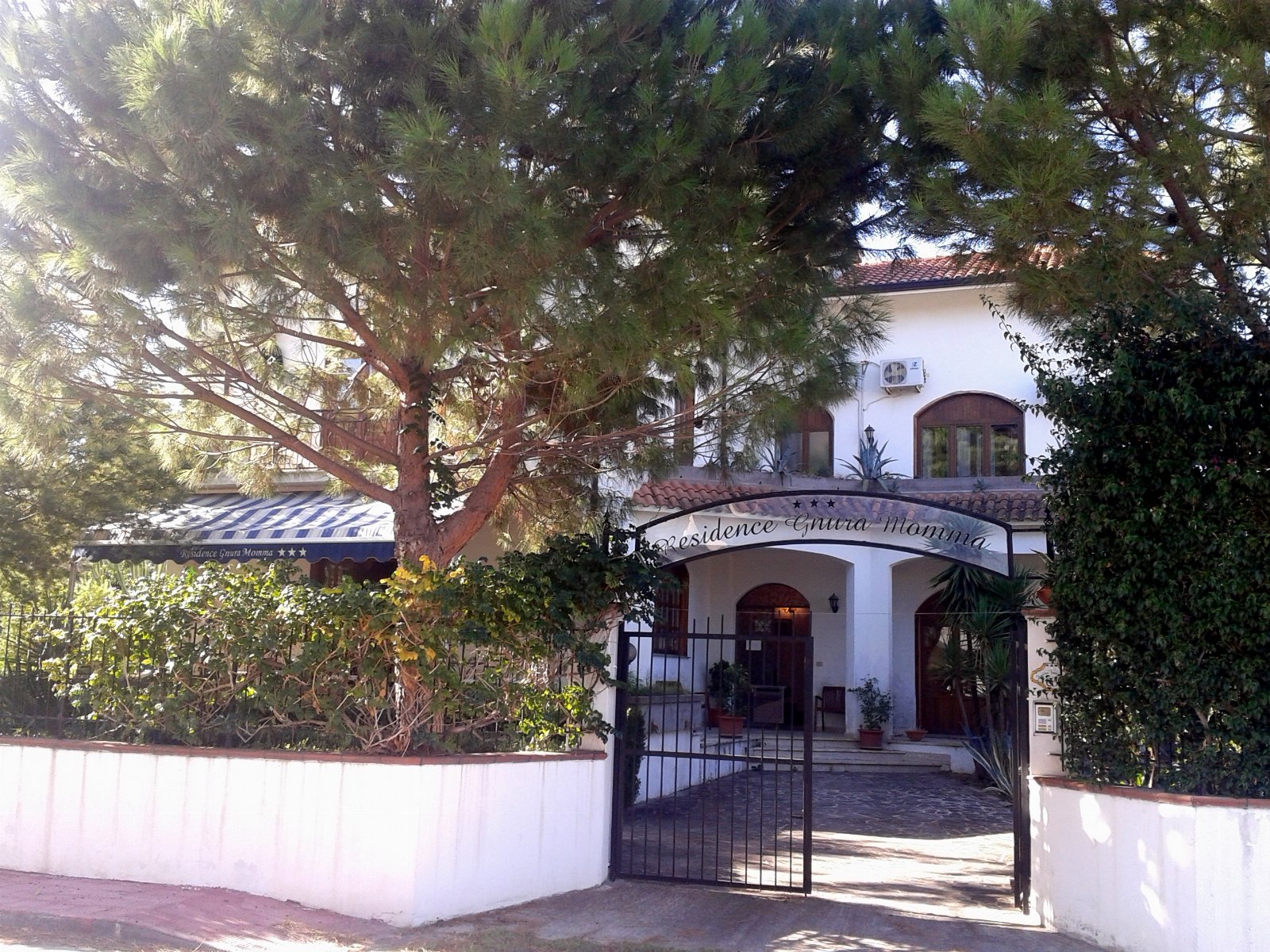
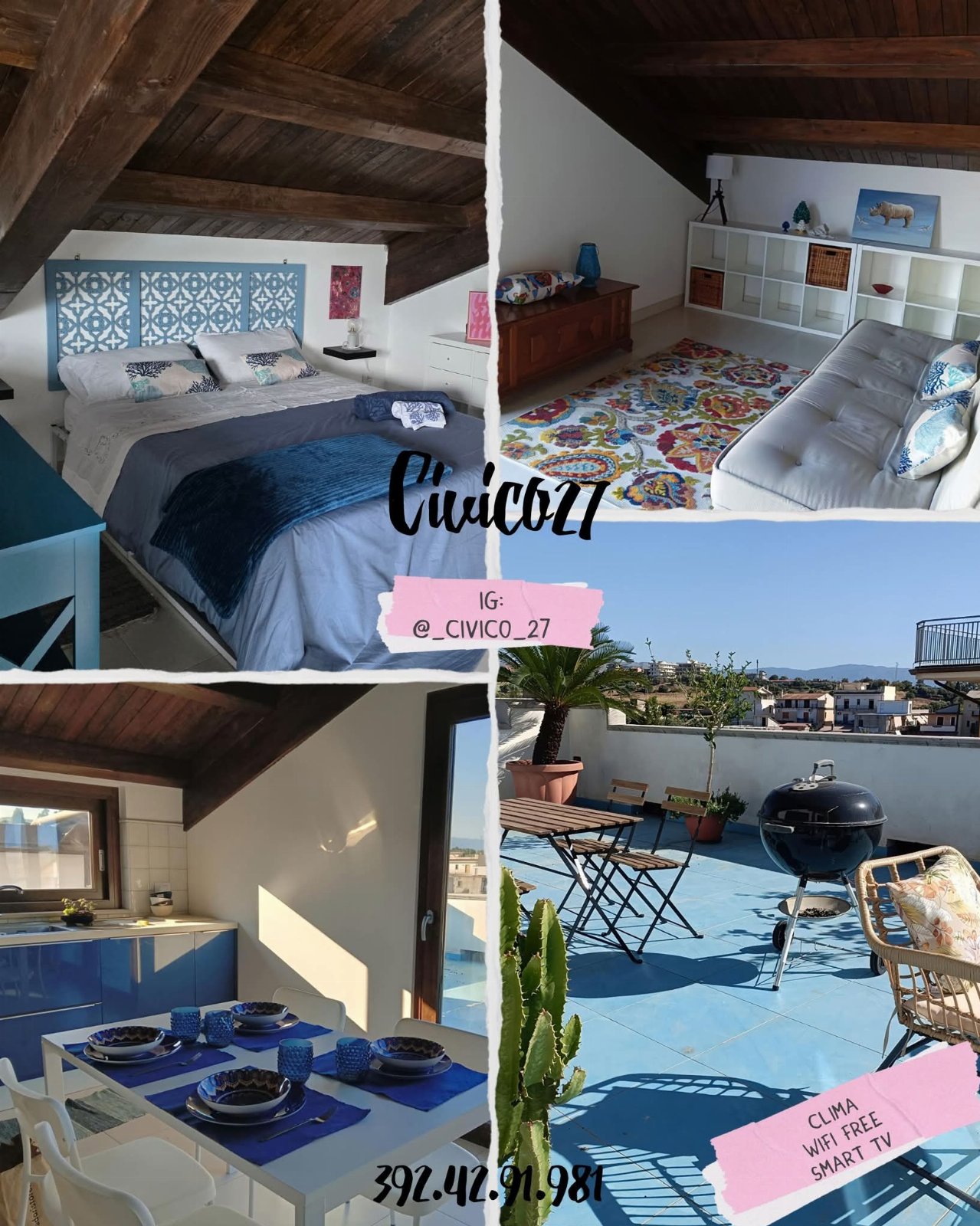
The hospitality in this area is deeply authentic. Instead of massive, impersonal hotel chains, you will find charming bed and breakfasts, boutique guesthouses, and family-run apartments that offer a true taste of southern Italian living. Waking up to the smell of fresh espresso and the sound of the sea is the perfect way to begin each day of your adventure.
When booking your stay, local expertise is your best friend. In fact, when looking for the best options, you will often see the phrase: A Locri sono disponibili 1 alloggi selezionati. Scopri gli alloggi a Locri. Trusting dedicated regional platforms ensures you find accommodations that are vetted for quality, comfort, and prime locations, making your Calabrian holiday truly unforgettable.
Come arrivare e muoversi — auto, treno, distanze da città principali
Reaching this beautiful stretch of the Ionian coast requires a bit of planning, but the journey is part of the adventure. The closest major airport is Reggio Calabria (REG), located about an hour and a half away by car. Alternatively, Lamezia Terme International Airport (SUF) is roughly two hours away and generally offers more frequent international and low-cost flight connections. From either airport, the most scenic route is driving along the SS106 "Jonica" highway, which hugs the coastline and offers stunning views of the sea.
While there is a railway line connecting the coastal towns, renting a car is highly recommended. Having your own vehicle gives you the absolute freedom to explore hidden beaches, drive up winding mountain roads to villages like Gerace, and stop at rural agriturismos that are completely inaccessible by public transport. Driving in southern Italy can be spirited, but the roads outside the major cities are generally well-maintained and easy to navigate.
If you prefer to travel by train, the Intercity line runs along the coast, connecting Locri to major hubs like Reggio Calabria, Taranto, and even Rome. The local regional trains are a charming way to hop between coastal towns like Roccella Ionica and Siderno. However, be aware that train schedules can be sparse on Sundays and holidays, so always check the timetables in advance if you plan to rely solely on public transportation.
Budget e consigli pratici — costi medi, cosa comprare, app utili
One of the greatest joys of exploring the deep south of Italy is how gentle it is on your wallet. A three-day trip here will cost significantly less than a similar itinerary in Tuscany or the Amalfi Coast. You can expect to spend around €60 to €90 per day on food, local transport, and entrance fees to museums and archaeological sites. Accommodation prices are also very reasonable, making it easy to find some of the best places to stay in the region without breaking the bank.
When it comes to shopping and souvenirs, skip the generic magnets and focus on local artisanal products. The area is famous for its culinary exports. Buy a jar of authentic Calabrian chili paste (peperoncino), a bottle of organic extra virgin olive oil, or anything made with the local bergamot, such as perfumes, jams, or liqueurs. If you visit Gerace, look for beautiful, hand-painted ceramics that reflect the vibrant colors of the Mediterranean.
Finally, a few practical tips will make your trip smoother. Download Google Maps for offline use, as cell service can occasionally drop in the thick forests of the Aspromonte mountains. A translation app is also incredibly useful, as English is less commonly spoken here than in northern Italy—though the locals will always go out of their way to help you through gestures and smiles. Most importantly, embrace the local pace of life: remember that many shops and churches close between 1:00 PM and 4:30 PM for the traditional riposo (siesta), so use that time to enjoy a long, leisurely lunch or a nap by the sea.