The Ultimate Itinerario Laino Borgo Calabria: A 3-Day Journey
Tucked away in the rugged, pristine landscapes of southern Italy, Laino Borgo serves as the perfect gateway to the majestic Pollino National Park. If you are looking for a destination that combines untouched nature, ancient history, and mouth-watering culinary traditions, this small Calabrian town is a revelation. Unlike the crowded tourist hotspots, Laino Borgo offers a genuine slice of southern Italian life, where time seems to slow down, and every cobblestone has a story to tell.
Planning the perfect trip to this region requires a blend of adventurous spirit and a desire to embrace local rhythms. Whether you are a thrill-seeker looking to conquer river rapids, a history buff eager to explore prehistoric caves, or simply a traveler wanting to savor authentic regional cuisine, this area has something extraordinary to offer. By choosing this destination, you are opening the door to experiencing authentic Calabria in its purest form.
This comprehensive 3-day itinerary is designed to help English-speaking travelers navigate the best of the region. From the historic streets of the village itself to the towering peaks of the surrounding national park and the sparkling waters of the nearby Tyrrhenian coast, prepare for a journey that will capture your heart and ignite your wanderlust.
Giorno 1 — Scopri Laino Borgo: History, Rivers, and Local Flavors
Your first morning in Laino Borgo should begin with a deep dive into the historical and spiritual heart of the village. Start your day with a robust Italian breakfast—a freshly brewed espresso and a warm, cream-filled cornetto—at a local café in the main piazza. From there, make your way to the Santuario delle Cappelle (Sanctuary of the Chapels). This remarkable 16th-century complex is a miniature reproduction of the holy places of Jerusalem, built by a local traveler who returned from the Holy Land. The frescoes and the serene atmosphere provide a profound and peaceful start to your adventure.
In the afternoon, let the sound of rushing water guide your footsteps. Laino Borgo is intrinsically linked to the Lao River, one of the most important waterways in the region. Take a leisurely walk along the riverbanks, where the lush green canopy provides ample shade even on the warmest Mediterranean afternoons. As you wander back into the historic center, take the time to explore the small artisan workshops. Here, you can find beautifully crafted local goods and perhaps strike up a conversation with the welcoming locals, who are always proud to share the history of their beloved town.
As evening falls, the village transforms into a cozy, warmly lit haven. It is time to indulge in your first authentic Calabrian dinner. Seek out a traditional family-run osteria where the menu is dictated by the seasons. You must try the local cured meats, such as capocollo and soppressata, paired with a glass of robust Magliocco red wine. The relaxed village vibe, combined with the rich, spicy flavors of the local cuisine, will make your first night in Laino Borgo an unforgettable culinary experience.
Giorno 2 — Escursioni nei dintorni: Prehistoric Caves and Medieval Marvels
On your second day, it is time to venture just beyond the borders of Laino Borgo to explore the breathtaking surroundings of the Lao River Valley. After a hearty breakfast, take a short, scenic drive to the nearby municipality of Papasidero. Here lies the Grotta del Romito, one of the most significant archaeological sites in Europe. This prehistoric cave features stunning rock engravings dating back over 10,000 years, including the famous depiction of a *Bos primigenius* (an extinct species of wild cattle). Walking through the ancient rock shelters, surrounded by dense forest, feels like stepping back into the dawn of human history.
After absorbing the ancient history of Papasidero, continue your afternoon journey to Morano Calabro, widely recognized as one of the most beautiful villages in Italy (*I Borghi più belli d'Italia*). The town cascades down a conical hill, its tightly packed stone houses creating the illusion of a giant, life-sized nativity scene. Wander through the labyrinthine alleys, visit the ruins of the Norman-Swabian Castle at the very top, and enjoy panoramic views of the Pollino mountains. The contrast between the rugged peaks and the intricate medieval architecture is simply spectacular.
Return to Laino Borgo as the sun begins to set, painting the mountain peaks in shades of pink and gold. After a day of exploring caves and castles, you will have worked up quite an appetite. Tonight, opt for an *agriturismo* (farm stay restaurant) just outside the village center. Here, you can feast on farm-to-table specialties, including handmade pasta like *maccheroni al ferretto* smothered in a rich goat or pork ragù, perfectly capping off a day of historical exploration.
Giorno 3 — Mare, natura o cultura: Choose Your Adventure
For your third day, the strategic location of Laino Borgo allows you to tailor your itinerary based on your personal travel style. If the call of the sea is irresistible, choose the Coastal Escape. Drive about 45 minutes west to the Riviera dei Cedri on the Tyrrhenian Sea. Head straight to San Nicola Arcella to witness the breathtaking Arcomagno—a majestic natural rock arch framing a hidden, crescent-shaped beach. Spend your day swimming in the crystal-clear, turquoise waters and enjoying fresh seafood in the nearby coastal town of Scalea.
If you prefer to stay immersed in the mountains, opt for the Nature and Hiking Adventure. Delve deeper into the Pollino National Park, the largest protected area in Italy. Hire a local guide and set out on a trek to see the iconic *Pino Loricato* (Bosnian Pine), an ancient, resilient tree species that clings to the highest, most rugged peaks. The trails offer unparalleled vistas of sweeping valleys, deep gorges, and, on a clear day, views that stretch all the way to both the Ionian and Tyrrhenian seas.
Alternatively, if you are fascinated by unique local heritage, select the Cultural Immersion. Drive to the nearby village of Civita, nestled high above the dramatic Raganello Gorge. Civita is one of Calabria’s historic *Arbëreshë* communities, founded by Albanian refugees in the 15th century. Here, you can admire the unique architecture, including the quirky "Kodra houses" with their human-like faces, and taste distinct Italo-Albanian dishes. Do not miss the viewpoint overlooking the Devil's Bridge (*Ponte del Diavolo*), a vertigo-inducing stone bridge spanning the deep canyon below.
Dove mangiare durante l'itinerario: Local Specialties and Budgets
Dining in and around Laino Borgo is a celebration of the *cucina povera*—the traditional peasant cooking of southern Italy that transforms simple, high-quality ingredients into extraordinary meals. Throughout your three-day itinerary, you will find that restaurants here prioritize locally sourced, seasonal produce. Expect to encounter dishes heavily featuring the famous *Peperone Crusco* (sun-dried, crispy sweet peppers), wild mushrooms harvested from the Pollino forests, and the exceptional meat and cheese of the local Podolica cattle.
For lunch breaks during your excursions, look for small *trattorias* or local bakeries where you can grab a quick but satisfying bite. A thick slice of rustic bread topped with spicy *'nduja* or a generous wedge of aged *caciocavallo* cheese makes for the perfect midday fuel. When dining out in the evenings, budget-conscious travelers will be delighted. A lavish, multi-course meal at a highly-rated local osteria or agriturismo typically costs between 25 and 40 EUR per person, including house wine.
Some of the most highly recommended dining experiences are found in the *agriturismi* scattered along the country roads just outside the main villages. These establishments often serve only what they grow and raise on their land. Do not hesitate to ask the owners for their daily recommendations; they will likely serve you a feast of antipasti featuring pickled vegetables, cured meats, and warm ricotta, followed by hearty, slow-cooked meats that melt in your mouth.
Dove dormire: Your Basecamp in the Pollino
Choosing Laino Borgo as your basecamp is one of the smartest decisions you can make for this trip. Unlike the bustling coastal resorts, Laino Borgo offers tranquil nights, crisp mountain air, and a profound sense of peace. Waking up to the sound of church bells and the distant rush of the Lao River sets a calming tone for your daily adventures. The village’s strategic location places you exactly halfway between the high-altitude trails of the Pollino National Park and the stunning beaches of the Tyrrhenian coast.
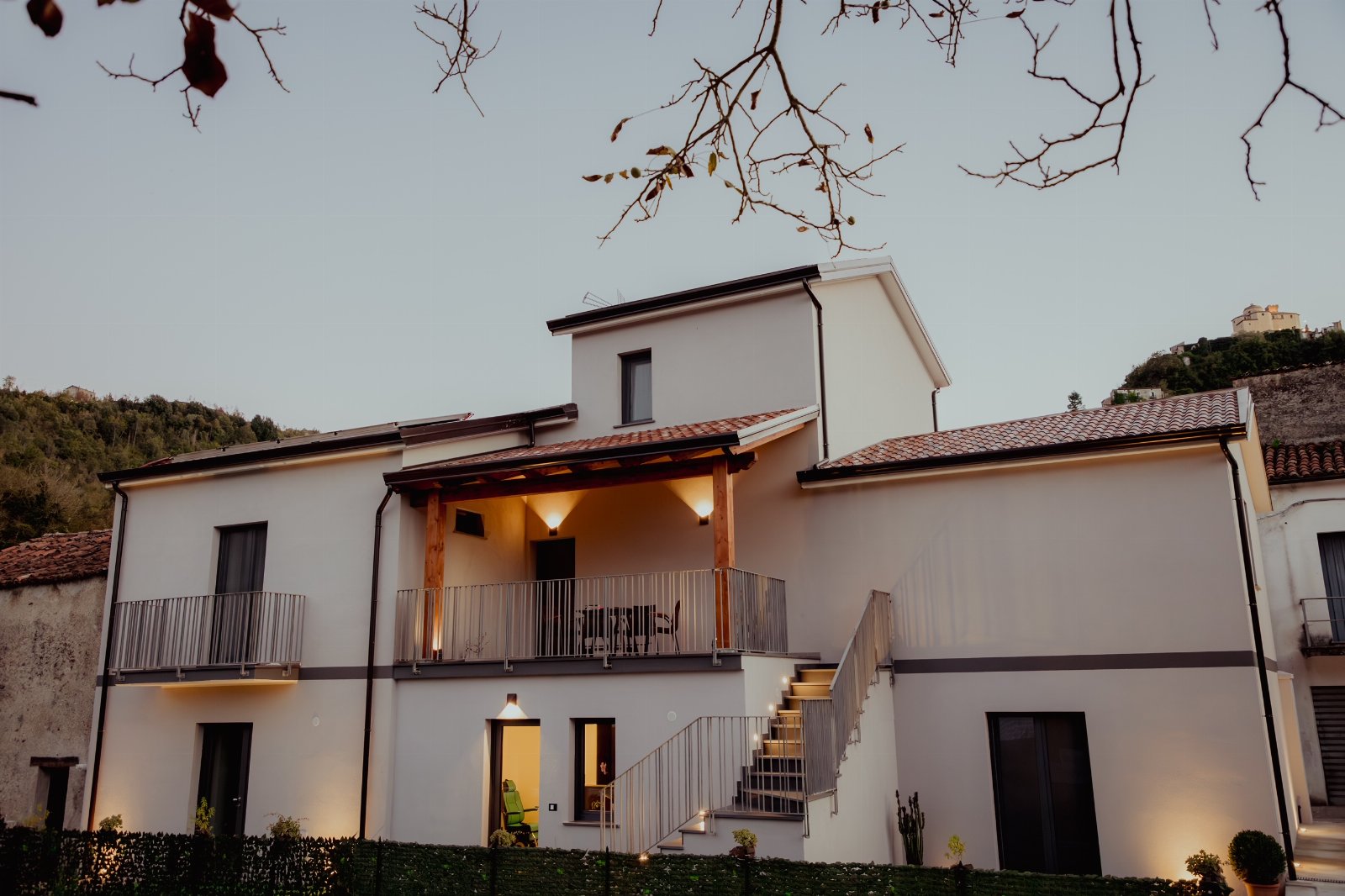
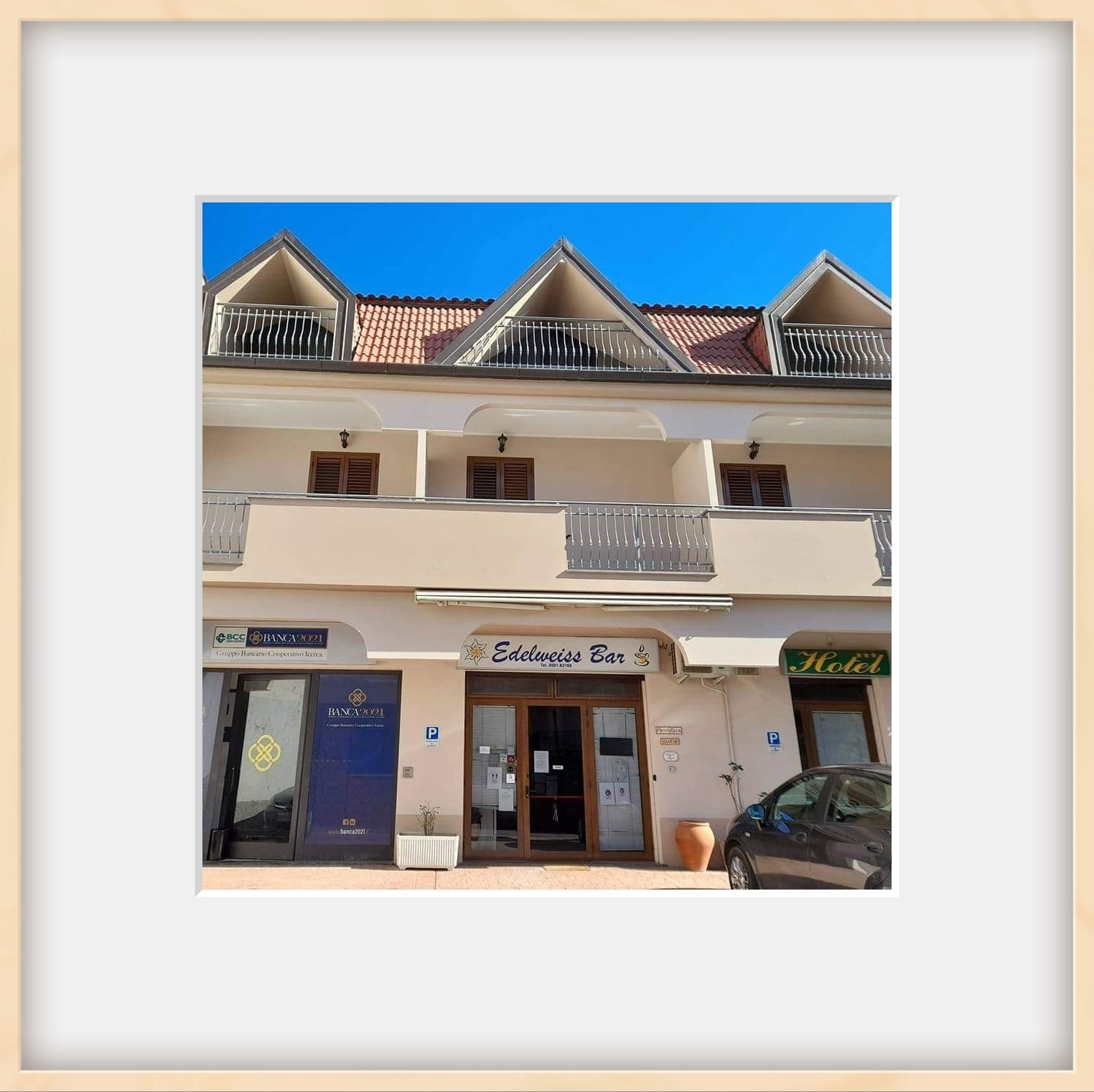
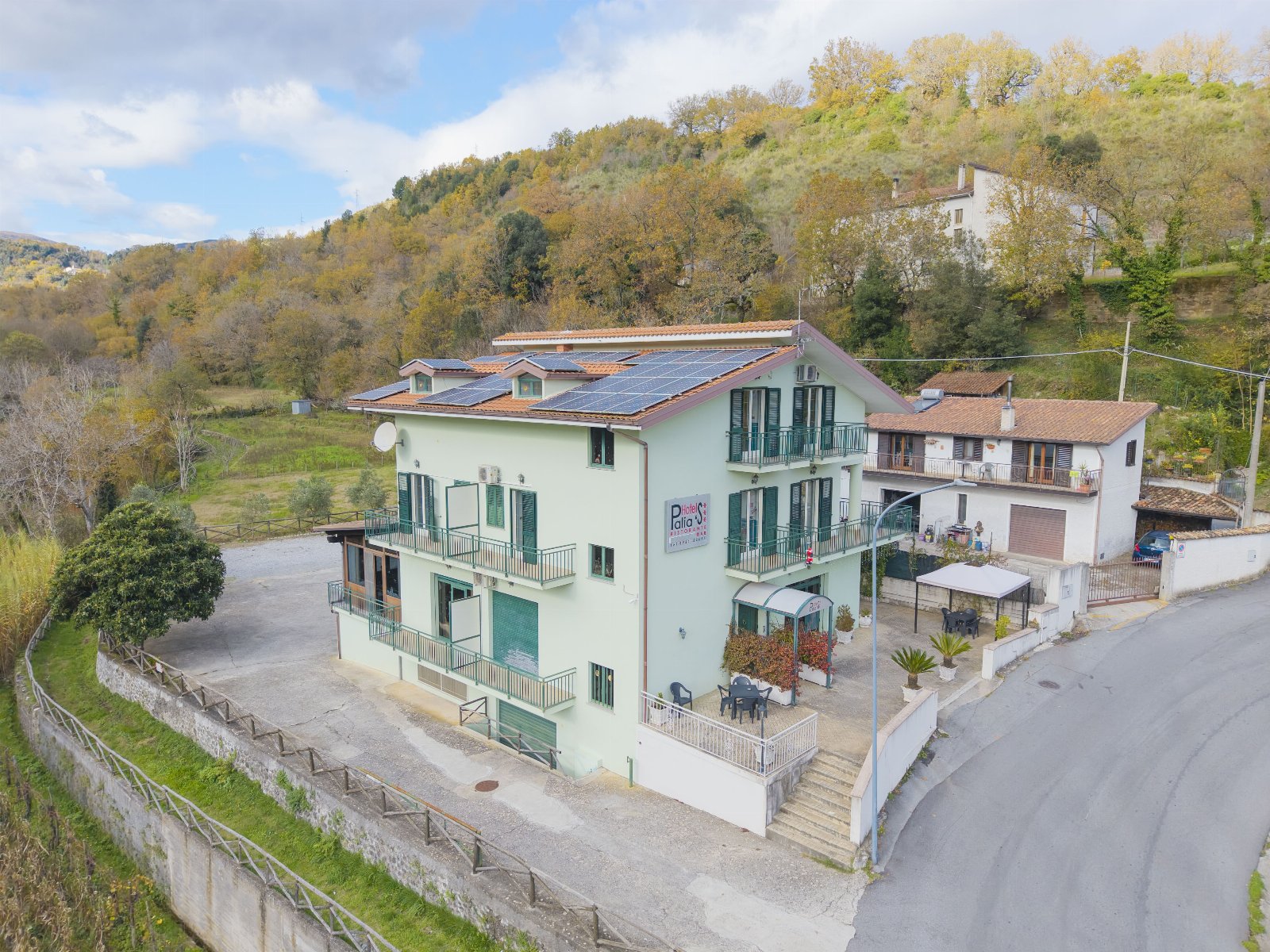
Accommodation in the village ranges from charming bed and breakfasts housed in historic stone buildings to comfortable, modern guest rooms that cater to outdoor enthusiasts. Staying locally also means you are directly supporting the village economy and fostering a sustainable model of tourism. A Laino Borgo sono disponibili 2 alloggi selezionati. Scopri gli alloggi a Laino Borgo.
Come arrivare e muoversi: Navigating the Region
Reaching Laino Borgo is surprisingly straightforward, thanks to its proximity to major transit routes. The most convenient way to arrive is by flying into Lamezia Terme International Airport (about a 90-minute drive to the south) or Naples International Airport (about two and a half hours to the north). From either airport, renting a car is absolutely essential. The public transportation network in this mountainous region is sparse, and having your own vehicle is the only way to truly explore the hidden gems, trailheads, and neighboring villages at your own pace.
Driving to Laino Borgo is a scenic experience in itself. The village is easily accessible via the A2 Autostrada del Mediterraneo (the Salerno-Reggio Calabria highway). Simply take the Laino Borgo exit, and within minutes, you will find yourself winding through lush green valleys leading into the town. When booking your stay in Laino Borgo, be sure to ask your hosts about parking, though it is generally free and readily available in most parts of the village. Be prepared for winding mountain roads; drive slowly, respect the local traffic, and enjoy the spectacular panoramic views around every bend.
Budget e consigli pratici: Costs, Apps, and Souvenirs
One of the greatest joys of traveling in the Pollino region is its affordability. Compared to northern Italy or the Amalfi Coast, your travel budget will stretch significantly further here. A daily budget of 60 to 100 EUR per person is usually more than enough to cover comfortable accommodation, three hearty meals, and entrance fees to local attractions or parks. However, it is highly recommended to carry cash. While hotels and larger restaurants accept credit cards, many small cafés, artisan shops, and remote agriturismi operate strictly on a cash basis.
When it comes to souvenirs, skip the mass-produced trinkets and invest in the region's incredible gastronomy and craftsmanship. Purchasing a vacuum-sealed wedge of aged *caciocavallo* cheese, a jar of fiery Calabrian chili paste, or a bottle of local olive oil allows you to bring the taste of your holiday back home. Additionally, keep an eye out for handmade traditional ceramics and woven textiles, which are still produced by artisans in the surrounding mountain communities.
Finally, a few practical tips will ensure your trip goes smoothly. Cell phone reception can be spotty in the deep valleys and high altitudes of the Pollino National Park. It is highly advisable to download offline maps via Google Maps before setting out on your daily excursions. Furthermore, weather in the mountains can change rapidly; downloading a reliable local weather app like *Il Meteo* will help you pack appropriately. Always bring layers, as the evenings in Laino Borgo can be brisk, even during the peak summer months.