The Ultimate Itinerario Corigliano-Rossano Calabria: A 3-Day Travel Guide
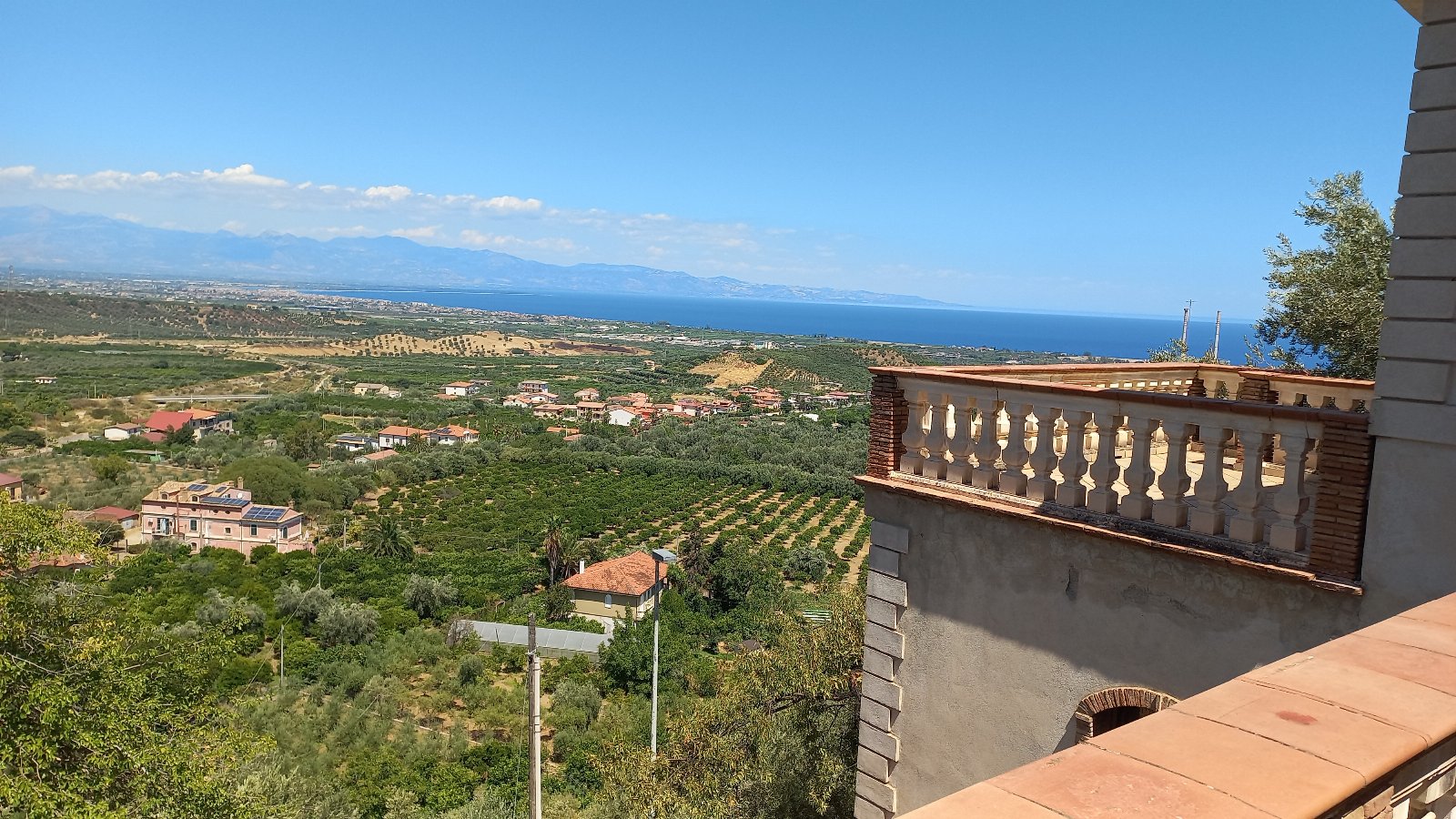
Welcome to one of the most fascinating and culturally rich corners of southern Italy. Nestled between the sparkling waters of the Ionian Sea and the rugged peaks of the Sila and Pollino mountain ranges, this unique destination offers a blend of ancient history, pristine nature, and mouth-watering gastronomy. If you are planning a trip to the deep south of Italy, crafting the perfect itinerario Corigliano-Rossano Calabria is essential to truly capture the magic of this newly unified municipality.
This comprehensive three-day guide is designed for travelers who want to experience the authentic soul of Calabria. Whether you are a history buff eager to explore Byzantine treasures, a nature lover looking to hike through ancient forests, or a foodie ready to taste the world-famous local licorice, this itinerary has something special for you. By basing yourself in Corigliano-Rossano, you will be perfectly positioned to explore the very best of the Ionian coast.
Get ready to embark on a journey through time, taste, and breathtaking landscapes. From majestic ducal castles to sun-drenched beaches, every moment in this vibrant region promises to be unforgettable. Let us dive into your ultimate three-day Calabrian adventure.
Day 1 — Discover Corigliano-Rossano: History, Markets, and Local Life
Your first morning begins with a deep dive into the historical dual-soul of the city. Start your day in the Corigliano historic center, dominated by the magnificent Ducal Castle (Castello Ducale). This impeccably restored fortress offers a glimpse into the opulent lives of southern Italian nobility. Wander through the Hall of Mirrors, admire the frescoed ceilings, and climb the tower for a panoramic view that sweeps from the mountains down to the Ionian Sea. Afterward, take a short drive to the Rossano side of the city to visit the Diocesan Museum. Here, you will find the absolute crown jewel of the region: the Codex Purpureus Rossanensis, a 6th-century illuminated manuscript recognized by UNESCO, written in silver and gold ink on purple parchment.
In the afternoon, immerse yourself in the authentic local life by strolling through the narrow, winding alleys of the historic centers. The afternoon is the perfect time to visit the local open-air markets, where the vibrant colors and scents of Calabrian produce come alive. You will find vendors selling fiery red chili peppers, fresh seasonal fruits, and local cheeses. Take a leisurely walk along the Corso, stop at a traditional café, and treat yourself to a rich, artisanal gelato or a refreshing granita while watching the locals engage in their daily passeggiata.
As evening falls, the historic squares light up, creating a romantic and welcoming atmosphere. For dinner, choose a traditional trattoria tucked away in the historic center. Start with a platter of local cured meats, including the famous spicy 'nduja, followed by a plate of handmade maccarruni pasta paired with a robust local red wine. After dinner, enjoy a stroll through the illuminated piazzas, where small wine bars and pubs offer a relaxed nightlife scene, perfect for mingling with friendly locals and toasting to your first day in Calabria.
Day 2 — Excursions in the Surroundings: Villages, Landscapes, and Coastal Beauty
On your second day, it is time to venture just outside the city limits to explore the incredible diversity of the surrounding area. Start your morning with a short drive north to the Archaeological Park of Sybaris (Sibari). Once one of the wealthiest and most powerful cities of Magna Graecia, this site allows you to walk among the ruins of ancient civilizations. The adjacent national archaeological museum houses fascinating artifacts that tell the story of the Greeks, Romans, and indigenous peoples who once thrived on this fertile plain.
By early afternoon, leave the coast behind and drive toward the foothills of the Pollino National Park. Your destination is Civita, an enchanting village perched on a rocky gorge. Civita is famous for its Arbereshe (Italo-Albanian) heritage, which is still evident in the local language, traditions, and bilingual street signs. Wander through the village to admire the unique "Kodra houses" with their human-like architectural faces, and take a thrilling walk down to the Devil's Bridge (Ponte del Diavolo), which spans the dramatic Raganello Gorge. The landscape here is rugged, breathtaking, and completely different from the coastal scenery.
Return to the coast in the late afternoon to catch a spectacular Calabrian sunset. Head toward the seaside promenade of Schiavonea, the maritime district of the city. The evening is best spent walking along the beach, listening to the waves, and breathing in the salty sea air. For dinner, this area is renowned for its exceptional seafood. Dine at a beachfront restaurant and indulge in freshly caught swordfish, fried calamari, or a rich seafood risotto, perfectly capping off a day of exploration.
Day 3 — Sea, Nature, or Culture: Choose Your Own Adventure
For your final day, the itinerary offers three distinct alternatives, allowing you to tailor the experience to your personal travel style. If you are a lover of the sea, dedicate the day to the beautiful Ionian coastline. Spend your morning relaxing on the expansive beaches of Schiavonea or drive slightly south to discover hidden coves with crystal-clear waters. You can rent a sunbed and umbrella at a local lido, enjoy a light seafood lunch right on the sand, and spend the afternoon swimming, paddleboarding, or simply soaking up the Mediterranean sun.
If you prefer nature and cooler air, head inland toward the Sila National Park. A drive up into the mountains reveals a landscape of dense pine forests, tranquil lakes, and pristine air. Choose a hiking trail near the Cozzo del Pesco area, where you can walk among monumental, centuries-old chestnut trees. The Sila is also perfect for mountain biking or horseback riding. Stop at a mountain refuge for a hearty lunch of grilled meats, wild mushrooms, and local Caciocavallo cheese, experiencing the rustic, alpine side of Calabria.
For those who want to delve deeper into the region's spiritual and cultural history, the third alternative focuses on the path of the Byzantine monks. Drive up the winding roads through ancient olive groves to reach the Pathirion Abbey (Santa Maria del Patire). Founded in the 11th century, this peaceful monastery features stunning Norman-Byzantine architecture and beautifully preserved mosaic floors. The tranquil setting, surrounded by forests with views stretching down to the sea, offers a serene environment for reflection and photography, providing a deeply moving conclusion to your trip.
Where to Eat During the Itinerary: Local Specialties and Restaurants
Calabrian cuisine is a highlight of any trip, characterized by bold flavors, ancient traditions, and high-quality local ingredients. During your stay, you must try the local specialties. Look out for dishes featuring the famous Amarelli licorice, which is native to this exact area and used in everything from savory risottos to sweet liqueurs. Other must-try items include Lagane e Cicciari (wide pasta with chickpeas), baked swordfish, and the comforting Licurdia, a traditional sweet onion and potato soup served with toasted bread.
When it comes to dining out, the area offers a fantastic variety of options to suit all budgets. In the historic centers, you will find family-run osterie where a full, hearty meal with house wine will cost you an average of 25 to 35 euros per person. Down by the coast in Schiavonea, seafood restaurants are abundant; expect to pay between 35 and 50 euros for a multi-course fresh fish dinner. For a quick and budget-friendly lunch, grab a rustic panino stuffed with local capocollo and pecorino cheese from a local salumeria for just a few euros.
Do not forget to leave room for dessert. The local bakeries offer incredible treats, such as bocconotti (shortcrust pastries filled with almond paste or cherry jam) and traditional almond cookies. Pairing these sweets with a shot of locally produced licorice liqueur or a strong Italian espresso is the perfect way to end any meal on this itinerary.
Where to Sleep: Your Base in Corigliano-Rossano
Choosing the right place to stay is crucial for maximizing your time in Calabria. Basing yourself in Corigliano-Rossano is highly recommended because it offers the perfect strategic middle ground. You are never more than a short drive away from the sandy beaches of the Ionian Sea, yet you have immediate access to the historical centers and the winding roads leading up into the national parks.
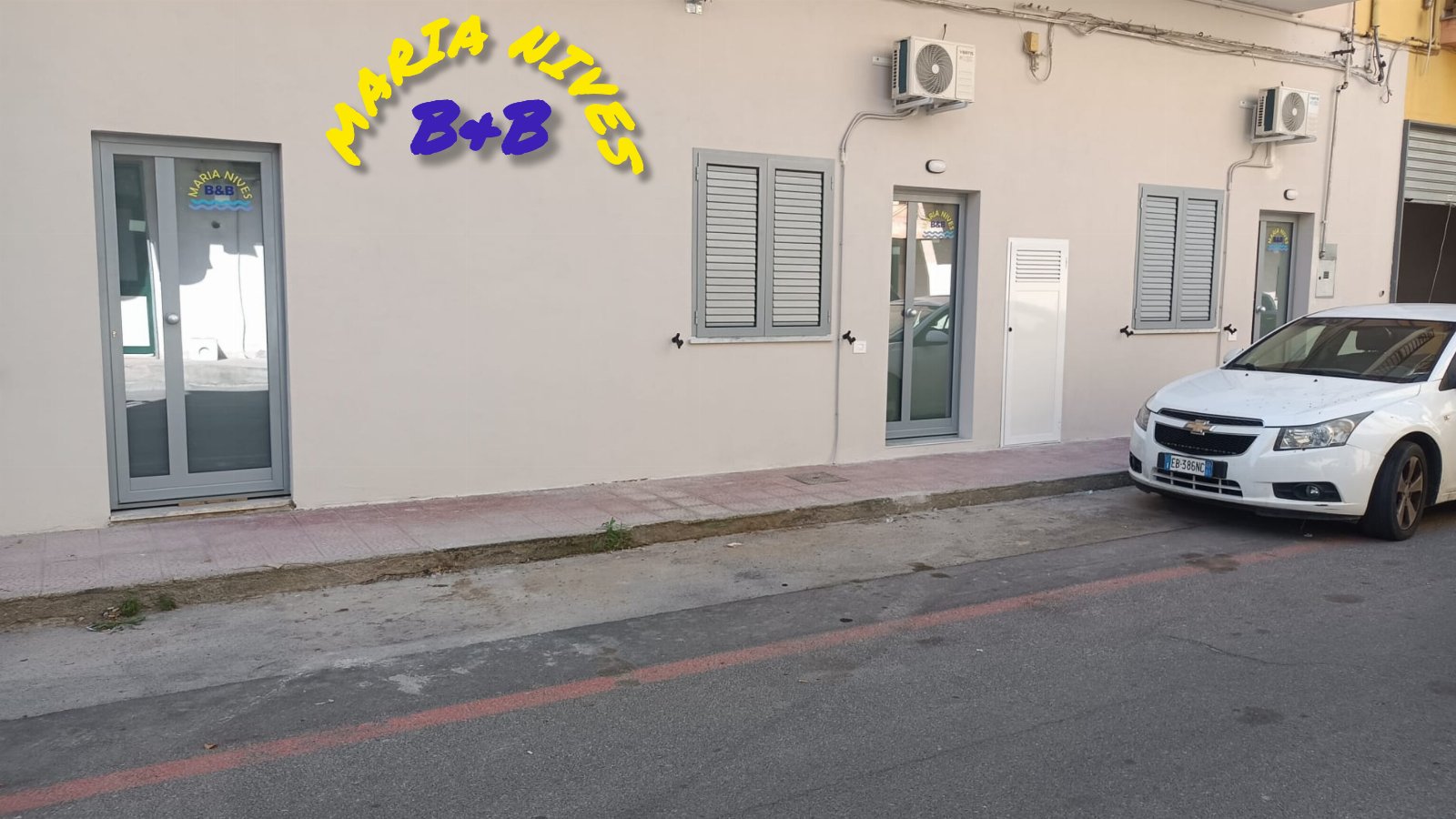
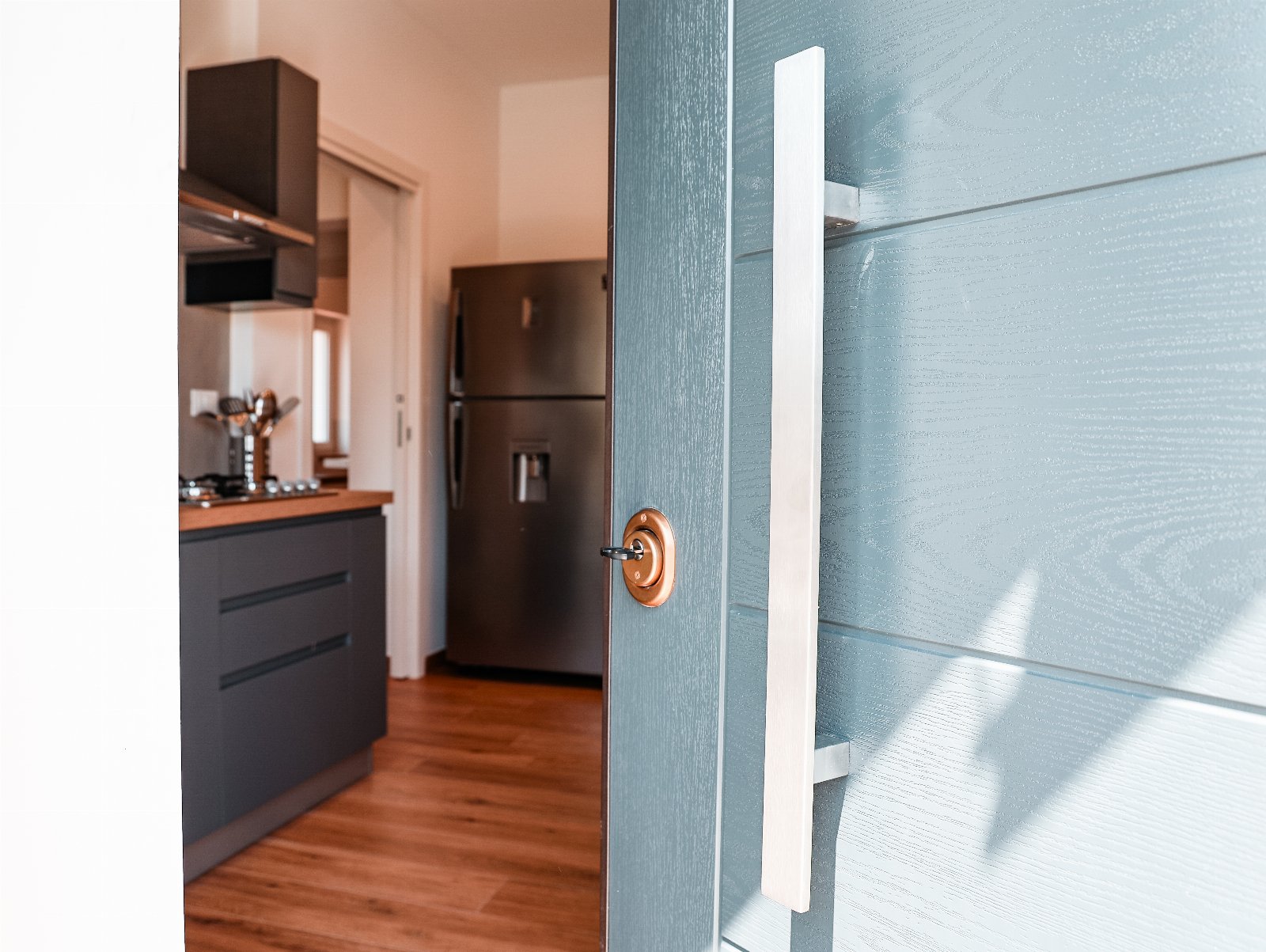
The accommodation options here range from charming bed and breakfasts tucked inside centuries-old palazzos to modern seaside guesthouses. Staying locally allows you to experience the genuine warmth of Calabrian hospitality. Your hosts will often be your best source of information, offering insider tips on hidden beaches, the best local bakeries, and current village festivals. A Corigliano-Rossano sono disponibili 3 alloggi selezionati. Scopri gli alloggi a Corigliano-Rossano.
Whether you prefer waking up to the sound of the waves or the sight of ancient castle walls, booking your stay in advance is advised, especially during the peak summer months. The local lodgings provide excellent value for money compared to the more crowded tourist hotspots in other parts of Italy, ensuring a comfortable and authentic stay.
How to Arrive and Get Around: Transport and Distances
Reaching this beautiful stretch of the Ionian coast is relatively straightforward. The closest major airport is Lamezia Terme International Airport, located about an hour and a half away by car. From the airport, you can easily rent a vehicle. Alternatively, there are train connections from major Italian cities like Rome and Naples that stop at the local railway stations, though the train journey can be lengthy. There are also reliable long-distance bus services connecting the area directly to northern Italy and major transport hubs.
While public transport exists, renting a car is absolutely essential to fully enjoy this itinerary. Having your own vehicle gives you the freedom to explore remote mountain villages, hidden archaeological sites, and secluded beaches at your own pace. The main coastal road, the SS106, connects the coastal towns efficiently, while smaller, scenic provincial roads lead you inland. Be prepared for some winding mountain roads if you venture into the Sila or Pollino parks, but the spectacular views make the driving an adventure in itself.
In terms of distances, the area is well-connected to other Calabrian highlights. The provincial capital, Cosenza, is about a 50-minute drive away, making it an easy addition if you have extra time. The roads are generally well-maintained, but it is always wise to have a GPS or a smartphone map application handy, as signage in rural areas can sometimes be sparse.
Budget and Practical Tips for Your Calabrian Getaway
Calabria remains one of the most affordable regions to visit in Italy, making it an excellent destination for value-conscious travelers. A moderate daily budget of 70 to 100 euros per person (excluding accommodation) will easily cover car rental, gas, museum entrance fees, and excellent dining. Breakfast at a local café costs less than 3 euros, while a generous pizza dinner with beer will rarely exceed 15 euros. Many natural attractions, beaches, and historic churches are completely free to enter.
When it comes to shopping and souvenirs, you will want to bring an extra bag. The Amarelli Licorice Factory, which features a fascinating museum, is the perfect place to buy beautifully designed vintage tins of pure licorice. Other great souvenirs include locally produced extra virgin olive oil, jars of spicy 'nduja, and traditional terracotta ceramics from nearby artisanal villages. Remember that many small shops still close for the afternoon riposo (siesta) between 1:00 PM and 4:30 PM, so plan your shopping accordingly.
Finally, a few practical tips: download offline maps on your smartphone, as cellular service can drop in the deep mountain gorges. A translation app is also highly useful, as English is not widely spoken by the older generations in rural villages, though their welcoming smiles transcend language barriers. Pack comfortable walking shoes for the cobblestone streets, and always carry a reusable water bottle to fill up at the fresh, cold mountain springs you will encounter on your journey.