The Ultimate 3-Day Itinerary Celico Calabria: A Journey Through History and Nature
Welcome to the hidden heart of southern Italy. If you are seeking an authentic experience far from the crowded tourist traps, this meticulously crafted itinerary will guide you through one of the most fascinating corners of the region. Nestled perfectly between the vibrant city of Cosenza and the pristine wilderness of the Sila National Park, Celico serves as the ultimate base camp for an unforgettable adventure. This charming hilltop town offers a rare blend of deep historical roots, breathtaking landscapes, and culinary traditions that have remained unchanged for centuries.
Over the next three days, you will immerse yourself in the slow-paced rhythm of Calabrian life. You will wander through ancient alleys, breathe the crisp mountain air of dense pine forests, and taste flavors that tell the story of the land. Whether you are a history buff, a nature enthusiast, or a devoted foodie, this guide is designed to help you uncover the very best of the Presila Cosentina area. Pack your walking shoes and your appetite, as we dive into a journey that will capture your heart and soul.
Giorno 1 — Scopri Celico: History, Alleys, and Authentic Flavors
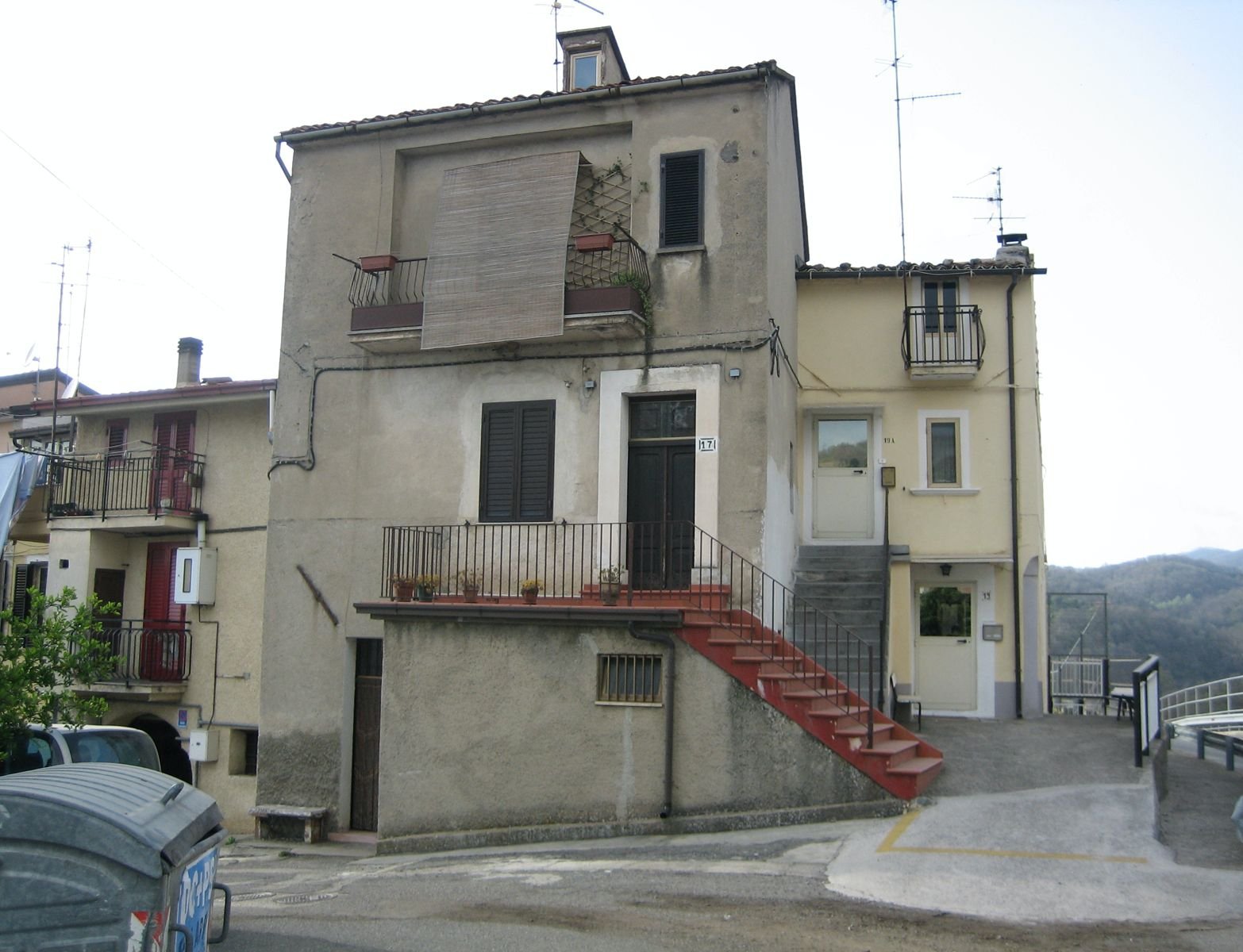
Your morning begins with a deep dive into the historical essence of Celico. Start your day with a rich Italian espresso and a warm, cream-filled cornetto at a local café in the main piazza. Celico is famously known as the birthplace of Joachim of Fiore (Gioacchino da Fiore), the renowned 12th-century mystic, theologian, and philosopher. You can feel the weight of history as you walk toward the Church of San Michele Arcangelo, a beautiful architectural gem that boasts intricate details and a peaceful atmosphere. Spend your morning wandering around the historic center, where stone houses cling to the hillside and narrow cobblestone streets offer stunning panoramic views of the Crati Valley below.
As the morning transitions into the afternoon, the town settles into the comforting, slow pace typical of southern Italy. This is the perfect time to explore the local markets and artisan shops. Take a leisurely stroll through the residential neighborhoods, where you will likely see locals chatting on their balconies and the scent of simmering tomato sauce wafting through the air. Stop by a local bakery to sample some traditional bread, or visit a small grocery store to purchase locally cured meats and cheeses. The afternoon is all about soaking in the authentic village vibe, perhaps reading a book on a scenic bench or simply enjoying the tranquil environment that makes this town so special.
When evening falls, Celico transforms into a cozy, welcoming haven. It is time to treat yourself to a traditional Calabrian dinner. Head to a local family-run trattoria where the menu changes based on what is in season. You must start with a rich antipasto platter featuring capocollo, soppressata, and pecorino cheese. For the main course, indulge in a plate of homemade maccheroni with a robust pork ragù, perfectly paired with a glass of bold Magliocco red wine. After dinner, take a final moonlit walk through the quiet streets, enjoying the crisp evening breeze before retiring for the night.
Giorno 2 — Escursioni nei dintorni: The Majesty of Sila National Park
On your second day, prepare to leave the village behind and ascend into the magnificent Sila National Park, a vast mountainous plateau often referred to as the "Switzerland of the South." Just a short drive from Celico, you will find yourself surrounded by towering Laricio pine trees and endless green meadows. Your first stop should be Camigliatello Silano, a bustling mountain resort town. Here, you can browse wooden handicrafts, taste freshly foraged wild mushrooms, and grab a quick espresso before heading deeper into the wilderness. The air here is famously pure, making every breath feel rejuvenating.
By mid-morning, make your way to Lake Arvo, a stunning artificial lake located near the village of Lorica. The deep blue waters reflecting the surrounding pine-covered mountains create a postcard-perfect landscape. You can rent a small boat or a paddleboard to explore the lake from the water, or simply walk along the well-maintained trails that hug the shoreline. If you prefer a more relaxed approach, lay down a blanket on the grassy banks and enjoy a rustic picnic with the local delicacies you picked up earlier. The tranquility of Lake Arvo provides a stark, beautiful contrast to the rugged mountains.
In the afternoon, you cannot miss a visit to the Giants of the Sila (I Giganti della Sila), a protected nature reserve managed by the FAI (National Trust for Italy). This ancient forest is home to monumental pine trees that are up to 350 years old, standing over 40 meters tall. Walking beneath these colossal natural wonders is a humbling experience that connects you directly to the ancient, untouched history of Calabria. As the sun begins to set, casting a golden glow through the dense canopy, you can head back to your base, knowing you have experienced one of the most vital natural lungs of Europe. If you are planning an extended trip, you can always check out the best accommodations in Calabria to explore further.
Giorno 3 — Mare, natura o cultura: Choose Your Calabrian Adventure
Alternative 1: The Call of the Ionian Sea. If you are craving the ocean, day three is perfect for a road trip to the Ionian Coast. Drive roughly an hour east to reach the sparkling, crystal-clear waters of the marine reserve of Capo Rizzuto. Visit the iconic Aragonese Castle in Le Castella, a fortress that seemingly floats on the water, connected to the mainland by only a thin strip of sand. Spend the afternoon sunbathing on the golden beaches, swimming in the warm Mediterranean waters, and enjoying a fresh seafood lunch at a beachside taverna. This option offers a brilliant contrast to the mountain landscapes of the previous day.
Alternative 2: Cultural Immersion in Cosenza. For those who prefer history and urban exploration, the nearby city of Cosenza awaits. Known as the "Athens of Calabria," Cosenza boasts a magnificent historic center characterized by steep alleys and monumental palaces. Start at the Duomo, a UNESCO heritage site, before climbing up to the Norman-Swabian Castle (Castello Svevo) for a breathtaking view of the city. In the afternoon, stroll down Corso Mazzini to experience the MAB (Museo all'Aperto Bilotti), an incredible open-air museum featuring original sculptures by artists like Salvador Dalí and Giorgio de Chirico, all while enjoying some premium boutique shopping.
Alternative 3: Deep Nature and Adrenaline. If you want to keep your adrenaline pumping, head back into the Sila mountains for an action-packed day. Rent a mountain bike or an e-bike to tackle the extensive network of dirt trails that crisscross the plateau. Alternatively, visit one of the local adventure parks where you can go ziplining through the forest canopy. For a truly unique experience, seek out a guided horseback riding tour that will take you through hidden valleys and across shallow mountain streams. This active day will leave you invigorated and deeply connected to the wild spirit of the Calabrian highlands.
Dove mangiare durante l'itinerario: Calabrian Culinary Delights
Eating in this region is not just a necessity; it is a cultural event. The cuisine of the Presila area is hearty, flavorful, and deeply rooted in peasant traditions. Throughout your itinerary, prioritize local trattorias and agriturismi (farm stays) over commercial restaurants. You must try the famous Caciocavallo Silano DOP, a savory, tear-drop-shaped cheese that is often served grilled with a drizzle of local honey. Another staple is the spicy 'Nduja, a spreadable pork sausage that adds a fiery kick to bruschetta or pasta sauces. For vegetarians, the region offers incredible dishes based on wild mushrooms, sun-dried tomatoes, and eggplant.
During your first day in town, a meal at a local osteria will cost you around 20 to 30 euros per person, including house wine. When you venture into the Sila National Park on day two, look for a "rifugio" (mountain hut) or an agriturismo. Here, for about 25 to 35 euros, you will be treated to a massive multi-course feast featuring wild boar, roasted potatoes, and homemade pasta. Do not forget to end your meals with a shot of Amaro del Capo or a local licorice liqueur, which aids digestion and provides a sweet, herbal finish to the rich food.
For your sweet tooth, you must seek out the traditional Pitta 'mpigliata, a dense, spiced pastry filled with walnuts, raisins, and honey, traditionally made during the holidays but available year-round in good local bakeries. Dining in this part of Italy is incredibly budget-friendly compared to the northern regions, allowing you to feast like royalty without breaking the bank. The portions are notoriously generous, reflecting the legendary hospitality of the Calabrian people.
Dove dormire: Finding Your Home in the Presila
Choosing the right base for your Calabrian adventure is crucial, and staying in a village like this offers unparalleled advantages. By sleeping away from the chaotic tourist hubs, you guarantee yourself peaceful nights, authentic interactions with the locals, and a true sense of belonging. The strategic location allows you to reach both the high mountain peaks and the bustling city of Cosenza in under twenty minutes, giving you the ultimate flexibility for your daily excursions.
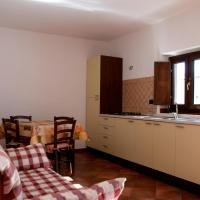
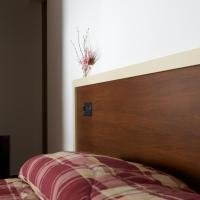
Accommodations here range from beautifully restored historical stone houses to cozy, family-run bed and breakfasts. Waking up to the sound of church bells and the smell of fresh mountain air is an experience that standard hotels simply cannot replicate. The hosts in this area are known for treating guests like extended family, often providing insider tips on hidden trails and secret local restaurants.
A Celico sono disponibili 4 alloggi selezionati. Scopri gli alloggi a Celico.
Come arrivare e muoversi: Navigating the Region
Reaching this part of Calabria is easier than you might think. The most convenient gateway is Lamezia Terme International Airport (SUF), which welcomes flights from major European hubs. From the airport, it is a straightforward drive north along the A2 Mediterranean Highway toward Cosenza. Once you exit the highway, a scenic 15-minute drive up the winding hills will lead you directly to your destination. Alternatively, you can arrive by high-speed train at the Paola railway station, followed by a short connection to Cosenza.
While public buses do connect the villages to Cosenza and the Sila mountains, they run on limited schedules, especially on weekends. Therefore, renting a car is absolutely essential for this itinerary. Having your own vehicle gives you the freedom to pull over for impromptu photo sessions, explore hidden mountain lakes, and stay out late for dinner without worrying about missing the last bus.
Driving in Calabria can be an adventure in itself. The mountain roads are winding but generally well-maintained. Just be prepared to share the road occasionally with a flock of sheep or a slow-moving tractor! If you need help organizing your stay and logistics, utilizing a dedicated local platform like the Calabria Rooms platform can make planning your road trip seamless and stress-free.
Budget e consigli pratici: Planning Your Calabrian Getaway
One of the greatest joys of traveling in this region is how far your money will go. Calabria remains one of the most affordable destinations in Italy. A comfortable daily budget, excluding accommodation and car rental, would be around 50 to 70 euros per person. This easily covers a cappuccino and pastry for breakfast, a light lunch, a hearty traditional dinner, and entrance fees to local museums or nature reserves.
When it comes to souvenirs, skip the magnets and buy local food products instead. Vacuum-sealed chunks of Caciocavallo cheese, jars of spicy 'Nduja, and bottles of local Magliocco wine make for perfect, authentic gifts to take back home. You can find these at excellent prices in the small grocery stores in the village or directly from the producers in the Sila mountains.
Practically speaking, while cards are widely accepted in hotels and larger restaurants, it is highly recommended to carry some cash (euros) for small purchases in bakeries, local markets, or mountain huts. Download offline maps on Google Maps before you head into the Sila National Park, as cellular service can be spotty among the dense pine trees. Finally, pack layers; the temperature difference between the sunny coast, the hilltop villages, and the high mountain plateaus can be significant, even in the middle of summer.