Cosa vedere Celico Calabria: The Ultimate Travel Guide
Nestled in the lush landscapes of the Presila Cosentina, Celico is a hidden gem that offers a perfect blend of history, spirituality, and untouched nature. Known primarily as the birthplace of the great medieval theologian and mystic Joachim of Fiore (Gioacchino da Fiore), this charming Calabrian village provides an authentic Italian experience far from the crowded tourist traps. If you are planning a trip to the south of Italy and want to discover the true soul of the region, exploring Celico is an absolute must.
Positioned strategically between the bustling historic city of Cosenza and the pristine peaks of the Sila National Park, Celico serves as an ideal base for travelers. The air here is crisp, the locals are incredibly welcoming, and the cobblestone streets whisper tales of centuries past. Whether you are a history buff, a nature enthusiast, or a foodie looking to indulge in rich mountain cuisine, this guide will walk you through everything you need to know about visiting this remarkable town.
From ancient churches adorned with local art to vast pine forests that stretch as far as the eye can see, Celico promises a memorable journey. Read on to discover the top attractions, cultural sites, and natural wonders that make this village a standout destination in Calabria.
The Main Attractions: 5 Must-See Wonders in Celico
When exploring Celico, you will find that its charm lies in its quiet authenticity and historical significance. The first unmissable attraction is the Birthplace of Joachim of Fiore. Born here around 1130, Joachim was a prominent abbot and thinker famously mentioned by Dante Alighieri in his Paradiso. While the original structure has undergone centuries of changes, a commemorative plaque and the surrounding medieval architecture transport you back to the 12th century. There is no official entrance fee to walk the perimeter, and guided tours can often be arranged through local cultural associations by contacting the municipality in advance.
The second must-see is Piazza del Popolo, the beating heart of the village. This is where the daily life of Celico unfolds. Surrounded by historic buildings and small local cafes, it is the perfect spot to sit with an espresso and observe the slow, beautiful pace of Calabrian life. Just a few steps away, you will find the third attraction: the intricate network of Historic Alleyways (I Vichi). Wandering through these narrow, winding streets reveals ancient stone portals, hidden courtyards, and balconies overflowing with colorful flowers. Wear comfortable walking shoes, as the terrain can be steep and uneven.
For breathtaking views, make your way to the Belvedere of Celico, our fourth recommendation. This panoramic viewpoint offers sweeping vistas over the Crati Valley and the distant mountain ranges. It is particularly stunning at sunset when the sky turns shades of deep orange and purple. Finally, the fifth attraction is the Old Washhouse (Lavatoio Pubblico), a fascinating relic of rural life where local women used to gather to wash clothes. It stands as a beautiful, preserved monument to the community's humble and hardworking past. Most of these outdoor attractions are completely free to visit and open year-round.
Museums and Cultural Sites
While Celico is a small municipality and does not boast massive state museums, its cultural heritage is deeply woven into the fabric of the town itself. The primary cultural focus here revolves around the legacy of Joachim of Fiore. The local Civic Library and Cultural Center frequently hosts exhibitions, lectures, and archives dedicated to the theologian's life and his profound impact on medieval Christian mysticism. Visitors interested in religious history will find a wealth of knowledge here. The library is generally open on weekday mornings and afternoons, and entry is free.
In addition to religious history, Celico takes great pride in its agricultural roots. Throughout the year, especially during the autumn harvest and summer festivals, the town transforms into a living museum. Temporary exhibitions showcasing antique farming tools, traditional weaving techniques, and the history of local pastoral life are often set up in the municipal halls. These exhibits provide a fascinating glimpse into how the people of the Sila plateau have survived and thrived in this mountainous terrain for generations.
To fully immerse yourself in the local culture, it is highly recommended to spend a few days in the area. Finding comfortable places to stay in Celico allows you to engage with the locals, learn about their traditions firsthand, and perhaps even participate in a local cooking class or a guided historical walk organized by community elders.
Churches and Historical Monuments
The religious architecture in Celico is a testament to the deep faith and artistic capabilities of its historic residents. The most prominent religious structure is the Church of San Michele Arcangelo, dedicated to the town's patron saint. This beautiful church features a striking facade and an interior rich with detailed stucco work, frescoes, and a magnificent wooden statue of St. Michael defeating the devil. The church is an active place of worship, so entry is free, but visitors are reminded to dress modestly and visit outside of mass times.
Another architectural gem is the Church of Santa Maria Assunta. Dating back to the Renaissance period, this church boasts a magnificent stone portal carved by local stonemasons. Inside, the atmosphere is incredibly peaceful, with several notable paintings from the Neapolitan school adorning the side chapels. The craftsmanship reflects the transition from medieval austerity to the more decorative styles of the 16th and 17th centuries, highlighting the historical wealth that once flowed through this region.
Just on the outskirts of the main village lies the Convent of the Capuchins (Convento dei Cappuccini). Founded in the late 1500s, this historic monastery features a serene cloister and an ancient well. Though parts of it have fallen into ruin over the centuries, the remaining structures offer a poignant look at monastic life in Calabria. The surrounding gardens and the quiet isolation of the convent make it a perfect spot for contemplation and photography.
Nature and Natural Parks
Celico is geographically blessed, serving as one of the main gateways to the spectacular Sila National Park (Parco Nazionale della Sila). The municipality's territory extends high into the mountains, offering nature lovers an absolute paradise. The park is renowned for its incredibly pure air—often cited as some of the cleanest in Europe—and its vast, enchanting forests of Pino Laricio (Calabrian Pine). Entrance to the national park is free, though some specific visitor centers or guided excursions may charge a small fee.
Hiking enthusiasts will find numerous well-marked trails starting just a short drive from the town center. These trails range from easy, family-friendly walks to challenging mountain treks. As you explore, you will encounter the pristine springs that feed the Crati River, the most important river in Calabria, which originates in the mountains above Celico. The sound of rushing water and the shade of the ancient trees create a deeply restorative environment.
Depending on the season, the natural landscape offers different treasures. In the autumn, the forests around Celico become a premier destination for foraging wild mushrooms, particularly the prized Porcini, as well as chestnuts. In the winter, the nearby peaks are covered in snow, transforming the area into a winter wonderland. Booking one of the cozy accommodations in Celico gives you the perfect starting point for early morning nature hikes before returning to the village for a hearty, warm meal.
One-Day Itinerary: Maximizing Your Visit
If you only have one day to spend in Celico, a well-planned itinerary will help you capture the essence of the town and its surroundings. Start your morning at 9:00 AM in Piazza del Popolo. Grab an espresso and a warm cornetto at a local bar, taking time to chat with the friendly locals. By 10:00 AM, head out to explore the historic alleyways, making sure to visit the Birthplace of Joachim of Fiore and the beautiful Church of San Michele Arcangelo.
Around 12:30 PM, it is time for lunch. Calabrian mountain cuisine is rich and flavorful. Find a traditional trattoria and order a plate of homemade pasta (like maccarruni) with a rich meat ragù or fresh porcini mushrooms. Do not forget to taste the famous Caciocavallo Silano DOP cheese and some spicy 'Nduja. A full traditional meal usually costs a very reasonable €20 to €30 per person.
In the afternoon, around 2:30 PM, take a short drive up into the Sila National Park. Spend a couple of hours walking the trails, breathing in the crisp pine air, and taking photographs of the stunning mountain landscapes. Head back to Celico around 5:30 PM for a classic Italian aperitivo. Find a spot with a view near the Belvedere, order a glass of robust local Magliocco wine, and enjoy a platter of local cured meats as you watch the sun set over the Crati Valley.
What to See Nearby
Celico's fantastic location makes it incredibly easy to explore the wider province of Cosenza. Just a 15-minute drive away is Camigliatello Silano, one of Calabria's most famous mountain resorts. Here, you can ski in the winter, ride the mountain railway, or shop for local gastronomic delights along the vibrant main street.
If you drive 20 minutes in the opposite direction, you will reach the city of Cosenza. Known as the "Athens of Calabria," Cosenza features a stunning historic center, a magnificent Cathedral recognized by UNESCO, and the imposing Norman-Swabian Castle that overlooks the city. It is a perfect contrast to the quiet rural life of Celico.
For those willing to venture slightly further (about 40 minutes), the town of San Giovanni in Fiore awaits. This town is home to the spectacular Florense Abbey, the grand monastery founded by Joachim of Fiore himself. Also nearby is Lake Cecita, a massive, stunning alpine-style lake surrounded by pine forests, offering picnic areas and spectacular views, making the whole area a dream for road-trippers.
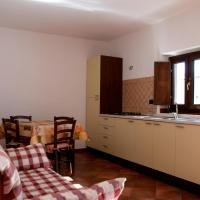
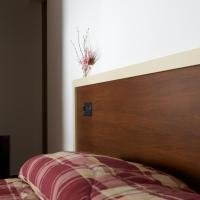
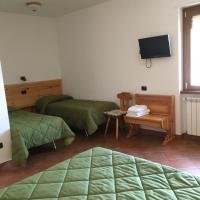
Dove dormire per visitare Celico con calma
To truly appreciate the magic of the Presila and the Sila National Park, staying overnight is highly recommended. Waking up to the sound of church bells and the smell of fresh mountain air is an experience you won't want to miss. Celico offers a peaceful retreat after a long day of hiking or exploring nearby cities, providing an authentic, slow-paced Italian lifestyle that larger tourist hubs simply cannot match.
Whether you are looking for a cozy bed and breakfast nestled in the historic center or a rustic farmhouse surrounded by nature, you will find excellent options that cater to your needs. A Celico sono disponibili 4 alloggi selezionati. Scopri gli alloggi a Celico.